
When your dog’s behavior starts to shift—whether it’s excessive barking, destructive chewing, or sudden anxiety—it’s natural to feel worried and unsure where to turn. Dog behavioral problems natural remedies offer a gentler, complementary approach that many pet owners find effective alongside professional guidance. If you’re looking for ways to help your furry friend feel calmer and more balanced, you’re not alone, and there are evidence-based solutions worth exploring.
Table of Contents
- Understanding Behavioral Problems in Dogs
- 1. Calming Supplements and Herbal Remedies
- 2. Exercise and Mental Stimulation as Natural Therapy
- 3. Dietary Adjustments and Nutritional Support
- 4. Pheromone Diffusers and Calming Scents
- 5. Creating a Calm Home Environment
- 6. Training and Positive Reinforcement Techniques
- 7. Stress-Reducing Activities and Bonding Time
- When to Seek Professional Help
- Combining Natural Remedies with Professional Support
- Summary: Your Action Plan for Natural Behavioral Support
- Frequently Asked Questions
- What To Do Now
This article is for informational purposes only and is not a substitute for professional veterinary advice. Always consult a licensed veterinarian for diagnosis and treatment.
Understanding Behavioral Problems in Dogs
Behavioral issues in dogs rarely appear out of nowhere. They often stem from anxiety, stress, lack of exercise, dietary imbalances, or underlying health conditions. Before jumping to conclusions, it’s important to understand that your dog is communicating something—whether it’s fear, frustration, or unmet needs.
The good news? Many behavioral challenges respond beautifully to natural remedies combined with proper training and environmental adjustments. Think of these solutions as tools in your toolkit, not magic fixes. Catching behavioral issues early puts you in a great position to help your dog thrive.
1. Calming Supplements and Herbal Remedies
Natural supplements have gained considerable attention in veterinary wellness circles. Ingredients like L-theanine, magnesium, and ashwagandha may help reduce anxiety and promote relaxation in dogs without the side effects of some pharmaceutical options.
Chamomile and passionflower are traditional herbs that have been studied for their calming properties. Many pet owners report positive results when these are introduced gradually into their dog’s routine. Always source supplements from reputable manufacturers and discuss dosing with your veterinarian first.
CBD products derived from hemp have also emerged as a popular natural remedy for behavioral problems. While research is still evolving, some studies suggest CBD may help with anxiety-related behaviors. Quality matters tremendously—look for third-party tested products and consult your vet about whether CBD is appropriate for your dog’s specific situation.
2. Exercise and Mental Stimulation as Natural Therapy
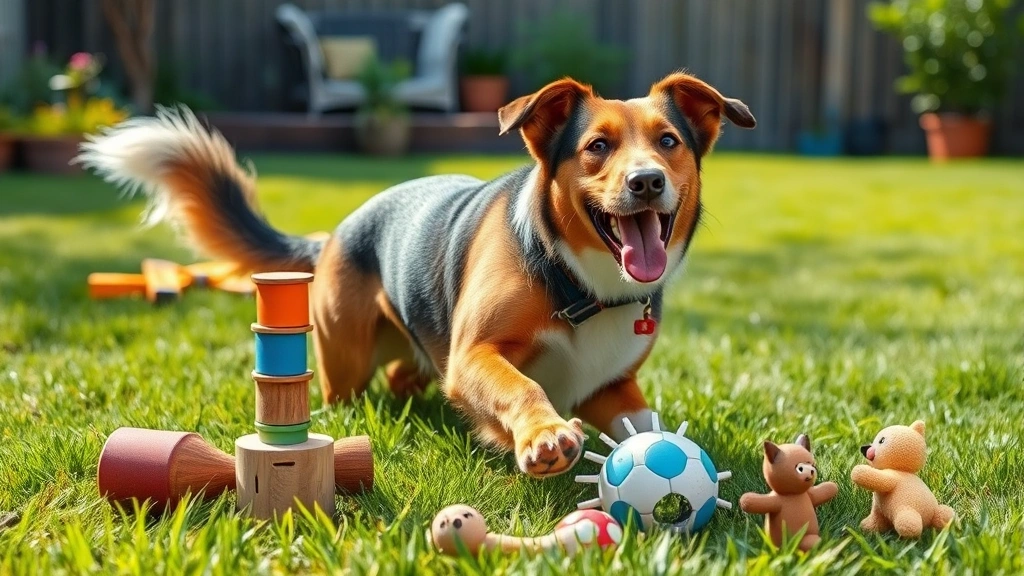
One of the most underrated natural remedies is simply more physical activity. A tired dog is often a well-behaved dog. Regular exercise burns excess energy that might otherwise fuel destructive or anxious behaviors.
Beyond walks, consider these enrichment activities:
- Interactive puzzle toys that reward problem-solving
- Nose work games that tap into your dog’s natural hunting instincts
- Agility training or dock diving for high-energy breeds
- Fetch sessions in secure, fenced areas
- Swimming, which is gentle on joints while providing full-body exercise
Mental stimulation is equally important as physical exercise. Dogs with engaged minds are less likely to develop boredom-related behavioral issues. Rotate toys weekly to keep things fresh, and dedicate 15-20 minutes daily to training or play that requires focus.
3. Dietary Adjustments and Nutritional Support
What your dog eats directly impacts behavior. Nutritional deficiencies or food sensitivities can trigger anxiety, aggression, or hyperactivity. A high-quality, balanced diet rich in omega-3 fatty acids supports brain health and emotional regulation.
Some dogs benefit from diets lower in artificial additives and fillers. If you suspect food sensitivities, work with your vet to identify potential culprits. Elimination diets, though requiring patience, can reveal surprising connections between diet and behavior.
Probiotics and digestive enzymes represent another nutritional angle worth exploring. A healthy gut microbiome influences mood and behavior—this emerging science shows that gut health and mental health are deeply connected in our pets, just as they are in humans.
4. Pheromone Diffusers and Calming Scents
Dogs experience the world largely through their sense of smell. Synthetic pheromone products like Adaptil mimic the natural calming pheromones mother dogs produce for puppies. These diffusers, sprays, or collars create an invisible comfort zone that can ease anxiety during stressful situations.
Lavender and other calming essential oils have shown promise in some studies, though it’s crucial to use them safely around dogs. Never apply undiluted essential oils directly to your pet, and ensure proper ventilation. Some dogs respond better to certain scents than others, so patience and observation are key.
5. Creating a Calm Home Environment
Your dog’s physical space profoundly influences their behavior. A chaotic, loud environment naturally elevates stress levels, while a calm, predictable space promotes relaxation. Consider these environmental adjustments:
- Designate a quiet zone with a comfortable bed away from household traffic
- Use white noise machines to mask startling sounds
- Maintain consistent routines for feeding, exercise, and play
- Dim lighting during evening hours to support natural sleep cycles
- Remove or minimize exposure to known stressors when possible
Dogs thrive on predictability. When they know what to expect, anxiety naturally decreases. Even small changes to your home environment can yield noticeable improvements in behavior.
6. Training and Positive Reinforcement Techniques
Natural remedies work best alongside proper training. Positive reinforcement—rewarding desired behaviors with treats, praise, or play—harnesses your dog’s natural motivation without punishment or harsh corrections.
Consistency is everything. If everyone in your household responds the same way to your dog’s behavior, learning happens faster. Consider working with a certified professional trainer who uses force-free methods. Instant vet advice online can also help you troubleshoot training challenges in real time.
Patience is your greatest tool here. Behavioral change takes weeks or months, not days. Celebrate small wins, and remember that setbacks are normal parts of the process.
7. Stress-Reducing Activities and Bonding Time
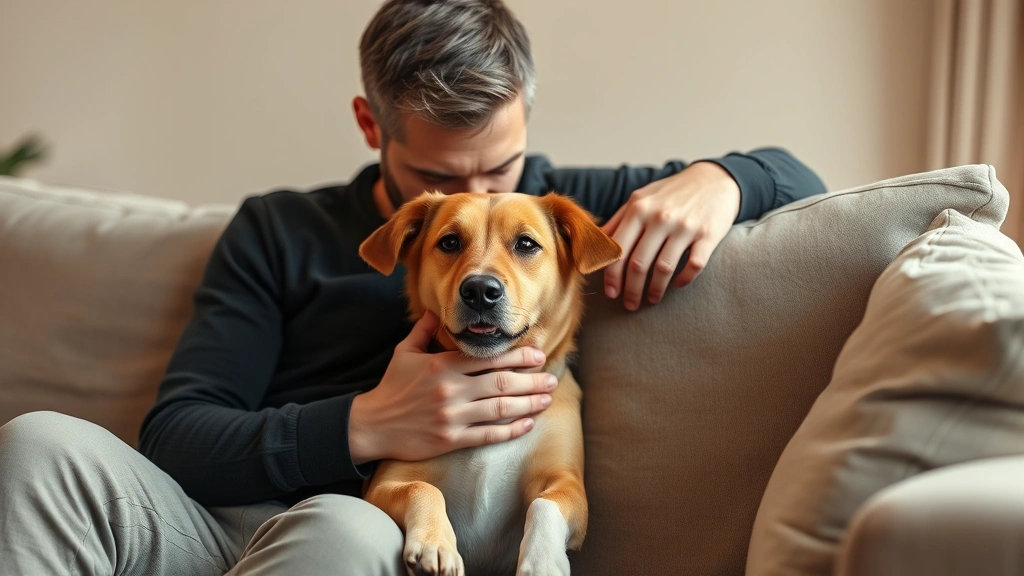
Quality time with you is one of the most powerful natural remedies available. Dogs are social creatures, and meaningful interaction reduces stress hormones and strengthens your bond. Massage, gentle grooming, and calm play sessions all contribute to emotional well-being.
Consider activities like:
- Gentle massage to release physical tension
- Quiet time sitting together without demands
- Slow-paced walks focused on sniffing and exploration
- Training sessions that build confidence
- Cuddle time that reinforces your protective presence
Your calm, confident presence reassures your dog. Dogs pick up on our energy, so managing your own stress levels indirectly helps manage theirs.
When to Seek Professional Help
While natural remedies can be remarkably effective, some behavioral problems require professional intervention. If your dog shows signs of severe anxiety, aggression toward people or other animals, or self-harm behaviors, veterinary guidance is essential.
A veterinarian can rule out underlying health conditions—pain, thyroid imbalances, or neurological issues often masquerade as behavioral problems. If you are unsure whether your pet needs urgent care, a quick telehealth check-in can give you peace of mind — no appointment needed.
Many vets now integrate natural remedies with behavioral training and, when necessary, medication. This holistic approach often yields the best outcomes. Your vet can recommend a certified animal behaviorist if needed, providing specialized expertise beyond general practice.
Combining Natural Remedies with Professional Support
The most effective approach combines multiple strategies. A dog struggling with anxiety might benefit from supplements, increased exercise, environmental changes, and training—all coordinated by a veterinary professional who understands your dog’s complete health picture.
Think of natural remedies as part of a comprehensive wellness plan, not a replacement for professional care. External resources like the American Veterinary Medical Association and PetMD offer evidence-based information to guide your decisions.
Your dog’s behavior is telling a story. By listening carefully and implementing natural remedies thoughtfully, you’re not just addressing symptoms—you’re supporting their overall well-being.
Summary: Your Action Plan for Natural Behavioral Support
Dog behavioral problems natural remedies encompass supplements, exercise, nutrition, environmental adjustments, training, and bonding activities. Each dog responds differently, so patience and observation are essential. Start with one or two interventions, track results, and gradually add others as needed.
Remember: behavioral change is a marathon, not a sprint. You’re doing great by seeking solutions and prioritizing your dog’s emotional health. With consistency and professional guidance, most behavioral challenges improve significantly.
Frequently Asked Questions
How long does it take for natural remedies to work on dog behavioral problems?
Most natural remedies show initial effects within 2-4 weeks, but meaningful behavioral change typically takes 8-12 weeks of consistent application. Every dog is unique, so patience is essential.
Are natural remedies safe for all dogs?
While generally safer than some alternatives, natural remedies aren’t universally safe. Puppies, senior dogs, pregnant dogs, and those with health conditions may need modified approaches. Always consult your veterinarian first.
Can I use natural remedies instead of professional training?
Natural remedies work best alongside training, not as a replacement. They create a calm foundation that makes training more effective, but proper instruction is still necessary for behavioral modification.
What’s the difference between anxiety and normal dog behavior?
Normal behaviors are context-appropriate and occasional. Anxiety-driven behaviors are excessive, persistent, and often triggered by specific situations. Your vet can help distinguish between the two.
Should I try natural remedies before seeing a vet?
It’s best to consult a vet first to rule out underlying health issues. Once medical causes are excluded, natural remedies can be safely integrated into a comprehensive plan.
What To Do Now
- Schedule a veterinary appointment to rule out underlying health conditions causing the behavioral changes. Bring notes about when behaviors started and what triggers them.
- Increase your dog’s daily exercise by 20-30 minutes and add interactive puzzle toys to provide mental stimulation. Track any behavior changes over the next two weeks.
- Evaluate your dog’s current diet and consider discussing nutritional adjustments or supplements with your vet, focusing on omega-3 fatty acids and quality protein sources.
- Create a calm space in your home with a comfortable bed, white noise, and limited stressors where your dog can retreat during anxious moments.
- Research certified professional dog trainers in your area who use positive reinforcement methods, and consider scheduling a consultation to develop a behavior modification plan tailored to your dog’s specific needs.