
If your dog has been diagnosed with cancer or you’re worried about preventing it, understanding which dog cancer foods to avoid can feel overwhelming—but you’re already taking the right step by seeking answers. Diet plays a surprising role in supporting your dog’s health during cancer treatment and recovery, and knowing what to keep out of their bowl is just as important as knowing what to put in.
Table of Contents
- Why Diet Matters for Dogs With Cancer
- 7 Dog Cancer Foods to Avoid
- What to Feed Your Dog With Cancer Instead
- Working With Your Vet on a Cancer Diet Plan
- Transitioning to a Cancer-Fighting Diet
- Prevention: Diet for Cancer-Prone Dogs
- When to Seek Urgent Veterinary Care
- Summary: Key Takeaways for Your Dog’s Cancer Diet
- Frequently Asked Questions
- What To Do Now
- Additional Resources
This article is for informational purposes only and is not a substitute for professional veterinary advice. Always consult a licensed veterinarian for diagnosis and treatment.
Why Diet Matters for Dogs With Cancer
Cancer cells thrive on certain nutrients, particularly simple sugars and refined carbohydrates. When your dog is fighting cancer, their body needs nutrient-dense fuel to support immune function and healing—not empty calories that feed the disease.
Your veterinarian may recommend specific dietary adjustments alongside treatment options like chemotherapy or surgery. A thoughtful approach to nutrition can help your dog maintain energy, support their immune system, and potentially slow cancer progression.
7 Dog Cancer Foods to Avoid
1. High-Sugar Commercial Treats and Snacks
Sugar is a primary fuel source for cancer cells. Many commercial dog treats, flavored chews, and even some “healthy” options contain hidden sugars that can work against your dog’s recovery.
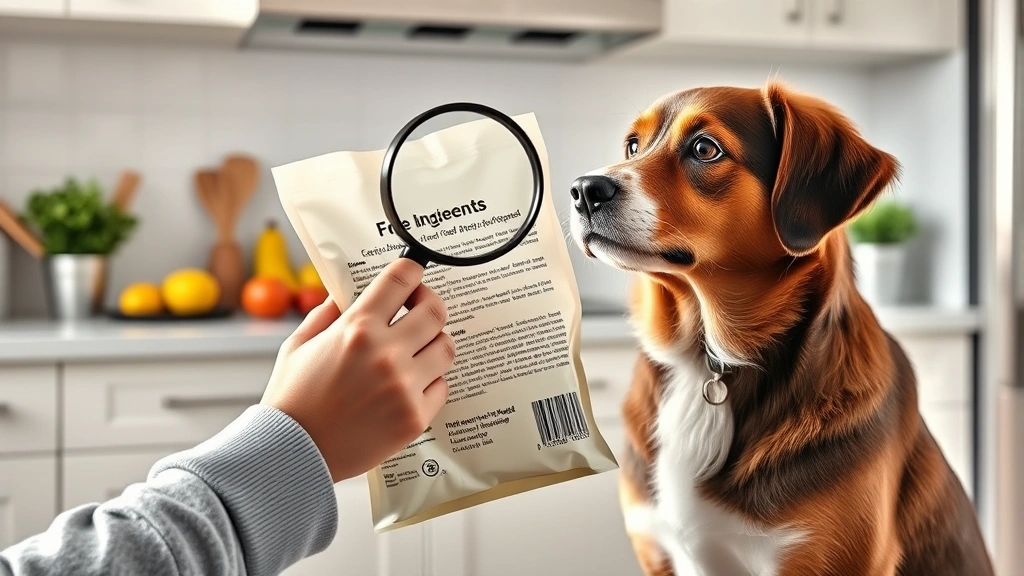
Read ingredient labels carefully. Look for treats sweetened with real meat, vegetables, or low-glycemic alternatives instead. Your dog won’t miss the sugar once they’re eating nutrient-rich options.
2. Grain-Heavy and Corn-Based Foods
Grains and corn break down into simple sugars during digestion, feeding the same metabolic pathways cancer cells exploit. While not all grains are harmful for healthy dogs, dogs fighting cancer benefit from grain-free or very low-grain diets.
Look for foods with primary ingredients like chicken, fish, beef, or lamb rather than corn meal, wheat gluten, or generic “grain” listings. Your vet may recommend a therapeutic cancer diet formulated specifically for your dog’s needs.
3. Processed Meats and Cured Products
Bacon, sausage, deli meats, and other processed proteins contain preservatives like nitrates and nitrites, which have been linked to increased cancer risk in both humans and animals. These foods also tend to be high in unhealthy fats and sodium.
Stick to fresh, whole meat sources. Lean chicken, turkey, fish, and grass-fed beef are excellent protein choices for dogs with cancer. Cook without added salt, garlic, or onions.
4. Foods Containing Artificial Additives and Preservatives
Artificial colors, flavors, and chemical preservatives (like BHA, BHT, and ethoxyquin) can stress your dog’s liver and immune system. When a dog is already fighting cancer, their body can’t afford extra toxic load.
Choose foods with natural preservation methods like mixed tocopherols (vitamin E) or those refrigerated fresh. Check ingredient lists for unfamiliar chemical names and ask your vet for brand recommendations.
5. High-Fat Foods and Fatty Table Scraps
While healthy fats are important, excessive fat can promote inflammation and feed cancer growth. Fatty table scraps—like chicken skin, fatty cuts of meat, or buttery foods—should be completely off-limits during cancer treatment.
Provide lean protein sources and include omega-3 rich foods like fish oil (as directed by your vet) instead. This supports anti-inflammatory healing without the cancer-feeding excess fat.
6. Moldy or Contaminated Foods
Mold produces aflatoxins, which are carcinogenic compounds. Any food that smells off, looks discolored, or has been stored improperly should be discarded immediately. Contaminated foods are especially dangerous for immunocompromised dogs undergoing cancer treatment.
Store food in airtight containers, check expiration dates, and refrigerate fresh foods promptly. If you’re unsure whether food is safe, err on the side of caution and throw it out.
7. Foods With Harmful Ingredients (Xylitol, Onions, Garlic)
Beyond cancer concerns, certain foods are toxic to dogs. Xylitol (artificial sweetener), onions, and garlic damage the liver and red blood cells—organs and systems already stressed by cancer and its treatment.
Read all ingredient labels and never give your dog chocolate, avocado, grapes, raisins, or foods containing these toxic ingredients. Catching this early puts you in a great position to protect your dog from additional harm.
What to Feed Your Dog With Cancer Instead
Removing harmful foods is only half the equation. Your dog needs nutrient-dense alternatives that support healing and immune function.
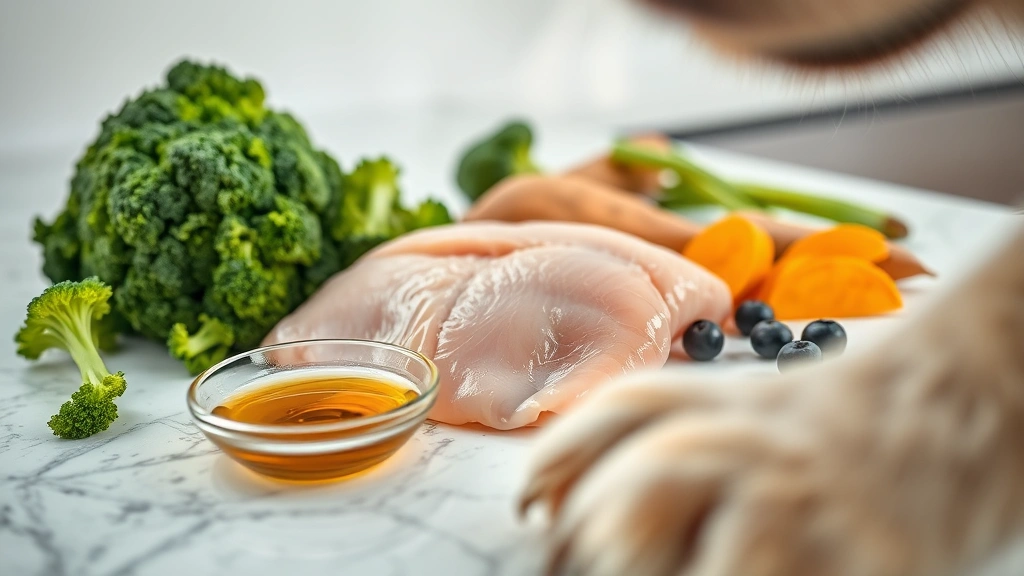
- Lean proteins: Fresh chicken, turkey, fish, and beef provide amino acids for muscle maintenance and immune support
- Low-glycemic vegetables: Broccoli, green beans, carrots, and leafy greens offer fiber and antioxidants without spiking blood sugar
- Healthy fats: Fish oil and coconut oil (in moderation) provide omega-3s that reduce inflammation
- Whole foods: Sweet potatoes, pumpkin, and blueberries offer vitamins and phytonutrients
- Therapeutic diets: Ask your vet about prescription cancer-fighting diets formulated by veterinary nutritionists
Working With Your Vet on a Cancer Diet Plan
Every dog’s cancer is different, and dietary needs vary based on cancer type, stage, treatment plan, and individual health status. Your veterinarian may recommend consultation with a board-certified veterinary nutritionist for a customized meal plan.
Don’t hesitate to ask your vet specific questions about ingredients, portion sizes, and meal timing. They can also recommend supplements that may support your dog’s recovery—though never add supplements without professional guidance.
Transitioning to a Cancer-Fighting Diet
If your dog has been eating commercial kibble, switching abruptly to a new diet can cause digestive upset. Transition gradually over 7-10 days, mixing increasing amounts of the new food with the old food.
Monitor your dog’s appetite, energy level, and digestion during the transition. Some dogs experience improved appetite and energy on a fresh, whole-food diet—a positive sign that the change is supporting their healing.
Prevention: Diet for Cancer-Prone Dogs
If you don’t have a dog with cancer but want to reduce risk, many of these principles apply to healthy dogs too. A diet rich in whole foods, low in processed ingredients, and appropriate for your dog’s age and activity level supports long-term wellness.
Certain breeds are more prone to specific cancers. If you have a breed at higher risk, discuss preventive nutrition strategies with your vet. Early prevention is always easier than managing cancer after diagnosis.
When to Seek Urgent Veterinary Care
If your dog stops eating, vomits after meals, shows signs of extreme fatigue, or experiences sudden weight loss despite dietary changes, contact your vet immediately. These could indicate cancer progression, treatment side effects, or other complications requiring urgent attention.
If you are unsure whether your pet needs urgent care, a quick telehealth check-in can give you peace of mind—no appointment needed. The Pet Vet offers convenient access to licensed veterinarians who can assess your dog’s symptoms and recommend next steps.
Summary: Key Takeaways for Your Dog’s Cancer Diet
Supporting your dog through cancer means being intentional about what goes in their bowl. Avoid high-sugar treats, grain-heavy foods, processed meats, artificial additives, excess fat, contaminated foods, and toxic ingredients. Instead, focus on fresh, lean proteins, low-glycemic vegetables, and whole foods recommended by your vet.
Work closely with your veterinarian or a veterinary nutritionist to create a personalized plan. Remember that diet is one tool among many in your dog’s cancer care toolkit—it works best alongside professional treatment and plenty of love.
Frequently Asked Questions
Can diet alone cure dog cancer?
No, diet cannot cure cancer, but it plays a supportive role in treatment and recovery. Always follow your veterinarian’s recommended treatment plan, which may include surgery, chemotherapy, radiation, or immunotherapy.
Is homemade food better than commercial dog food for cancer patients?
Homemade food can be excellent if formulated correctly by a veterinary nutritionist to ensure complete nutrition. However, not all homemade diets are balanced. Work with your vet before switching to ensure your dog gets all necessary nutrients.
Can I give my dog with cancer treats?
Yes, but choose treats carefully. Opt for small pieces of fresh chicken, green beans, carrots, or blueberries instead of commercial treats with sugar and additives. Ask your vet which treats are safe for your dog’s specific situation.
How quickly will I see changes after changing my dog’s diet?
Some dogs show improved energy and appetite within days to weeks of dietary changes. However, changes in cancer progression or treatment response may take longer to assess with your vet’s help.
Should I add supplements to my dog’s cancer diet?
Some supplements may support cancer recovery, but never add anything without veterinary approval. Certain supplements can interfere with cancer treatments or cause harm in high doses.
What To Do Now
- Schedule a consultation with your veterinarian to discuss your dog’s specific cancer diagnosis and dietary needs. Ask for a referral to a veterinary nutritionist if appropriate for your dog’s situation.
- Review your dog’s current food and treats against the 7 foods to avoid listed above. Make a list of items to eliminate and replacements to introduce gradually.
- Plan a 7-10 day transition to any new diet, mixing the old food with the new in increasing proportions to avoid digestive upset.
- Stock your kitchen with cancer-fighting alternatives like fresh lean meats, low-glycemic vegetables, and approved treats. Remove tempting table scraps and old treats from easy reach.
- Monitor your dog closely during dietary changes and treatment. Keep notes on appetite, energy, digestion, and any side effects to share with your vet at follow-up appointments.
You’re doing everything right by educating yourself about nutrition during this challenging time. Your dedication to your dog’s health—from diet to professional care—makes all the difference in their comfort and quality of life.
Additional Resources
For more information on supporting dogs with specific health conditions through diet, explore our guides on dog thyroid disorder foods to avoid and dog liver disease foods to avoid, which share similar nutritional principles. Dogs with cancer often experience related health challenges, and these resources may provide additional helpful context.
If your dog is experiencing kidney or heart complications alongside cancer, our articles on dog kidney disease best diet and dog heart disease best diet offer complementary dietary guidance. For dogs on prescription diets, learn more about homemade renal diet options.
Always consult authoritative veterinary sources like PetMD and the American Veterinary Medical Association (AVMA) for evidence-based information on pet health and nutrition.