
Learning about dog cancer prevention tips is one of the most proactive steps you can take as a pet parent—because the truth is, cancer affects roughly one in three dogs over their lifetime, and many cases are preventable with the right approach.
Table of Contents
- Why Cancer Prevention Matters for Your Dog
- 1. Feed a High-Quality, Balanced Diet
- 2. Maintain a Healthy Weight
- 3. Provide Regular Exercise and Mental Stimulation
- 4. Minimize Environmental Toxin Exposure
- 5. Schedule Regular Veterinary Check-Ups
- 6. Keep Vaccinations Current and Age-Appropriate
- 7. Manage Stress and Provide a Stable Home Environment
- Breed-Specific Cancer Risks to Know
- Supplements and Natural Support for Cancer Prevention
- What to Do Now: Your Action Plan
- Summary: Taking Control of Your Dog’s Health
- Frequently Asked Questions
This article is for informational purposes only and is not a substitute for professional veterinary advice. Always consult a licensed veterinarian for diagnosis and treatment.
If you’ve ever worried about your dog’s health or felt helpless watching a friend’s pet battle cancer, you’re not alone. The good news? There’s plenty you can do right now to lower your dog’s risk and keep them thriving for years to come.
Why Cancer Prevention Matters for Your Dog
Cancer doesn’t just happen randomly. While genetics play a role, most cancers develop over time due to a combination of lifestyle, diet, environmental exposure, and age. The earlier you start implementing prevention strategies, the better your odds of keeping your dog cancer-free.
Think of cancer prevention like maintaining a healthy home—small, consistent efforts add up to big protection over time. Your veterinarian can help you create a personalized prevention plan, especially for breeds with higher cancer risk.
1. Feed a High-Quality, Balanced Diet
What your dog eats directly impacts their cellular health and immune function. A nutrient-rich diet packed with antioxidants, omega-3 fatty acids, and whole ingredients helps your dog’s body fight off abnormal cell growth.
Look for dog foods that:
- List real meat as the first ingredient
- Contain minimal fillers, artificial preservatives, or dyes
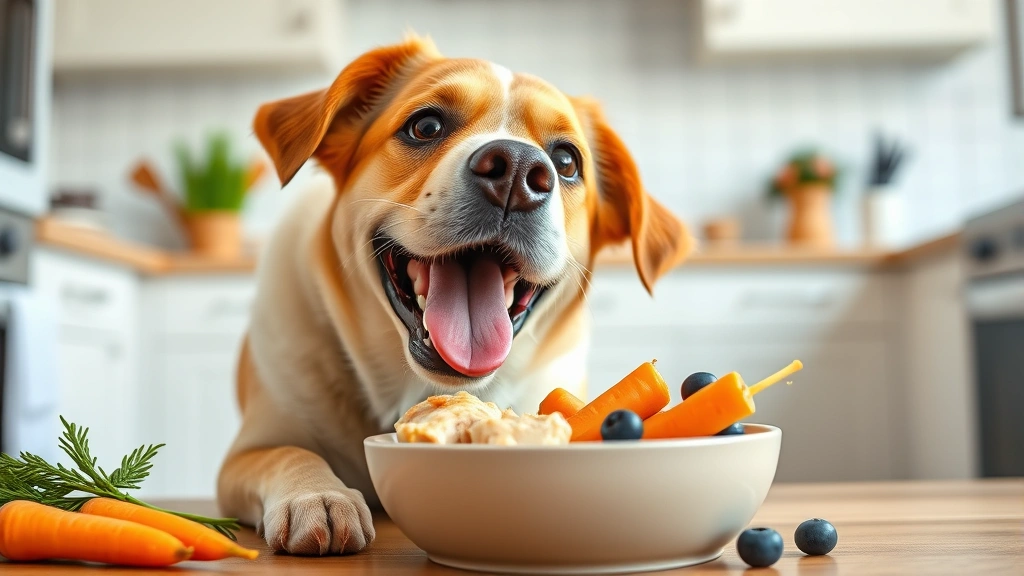
- Include vegetables and fruits rich in antioxidants (blueberries, carrots, spinach)
- Provide balanced omega-3 and omega-6 ratios
Avoid feeding your dog excessive table scraps, processed human foods, or diets high in unhealthy fats. Some dogs benefit from fresh, whole-food diets—talk to your vet about whether this approach fits your pet’s needs and budget.
2. Maintain a Healthy Weight
Obesity is a significant risk factor for cancer in dogs. Extra weight increases inflammation throughout the body, which creates an environment where cancer cells thrive. Keeping your dog at a lean, healthy weight is one of the simplest yet most powerful cancer prevention strategies.
To support healthy weight:
- Measure meals carefully using a food scale or measuring cup
- Limit treats to no more than 10% of daily calories
- Ensure your dog gets regular exercise (at least 30 minutes daily for most dogs)
- Avoid using food as a reward—try praise, toys, or playtime instead
Your vet can help you determine your dog’s ideal weight and create a safe weight-loss plan if needed. Even a 5-10% weight reduction can significantly improve health outcomes.
3. Provide Regular Exercise and Mental Stimulation
Exercise does more than keep weight in check—it strengthens the immune system, reduces inflammation, and helps your dog maintain healthy cellular function. Dogs that stay active tend to live longer, healthier lives.
Aim for:
- Daily walks: At least 30 minutes for most adult dogs
- Playtime: Interactive games like fetch or tug-of-war
- Mental enrichment: Puzzle toys, training sessions, and sniff walks that engage your dog’s brain
- Age-appropriate activity: Adjust intensity for puppies and senior dogs
Mental stimulation is equally important—bored, stressed dogs have weaker immune systems. A tired, happy dog is a healthier dog.
4. Minimize Environmental Toxin Exposure
Cancer-causing toxins are hiding in places many pet parents don’t think about. From pesticides on lawns to secondhand smoke in the home, environmental exposure matters more than most realize.
Reduce toxin exposure by:
- Avoiding chemical pesticides and herbicides on your lawn and garden
- Using pet-safe cleaning products in your home
- Keeping your dog away from secondhand smoke
- Choosing natural flea and tick prevention when possible (discuss with your vet)
- Filtering drinking water if your tap water quality is questionable
- Minimizing plastic food and water bowls—opt for stainless steel or ceramic instead
These changes might seem small, but they compound over your dog’s lifetime to significantly reduce cancer risk.
5. Schedule Regular Veterinary Check-Ups
Early detection is your best weapon against cancer. Regular vet visits allow your veterinarian to catch abnormalities before they become serious. Most vets recommend annual check-ups for adult dogs and twice-yearly visits for seniors over age 7.
During check-ups, your vet will:
- Perform a thorough physical exam, feeling for lumps or abnormalities
- Discuss any behavioral or health changes you’ve noticed
- Recommend age-appropriate screening tests
- Review your dog’s diet and lifestyle
If you notice any unusual lumps, changes in appetite, weight loss, or behavioral shifts between visits, don’t wait—schedule an appointment right away. Catching this early puts you in a great position to help.
6. Keep Vaccinations Current and Age-Appropriate
Certain vaccines protect against diseases that can increase cancer risk. Staying current with core vaccines (rabies, DHPP) supports your dog’s immune system and overall health. However, avoiding unnecessary over-vaccination is equally important.
Work with your vet to create a vaccination schedule tailored to your dog’s age, lifestyle, and risk factors. Some dogs may benefit from titre testing to determine immunity levels rather than automatic boosters. Your veterinarian can guide you toward the most appropriate vaccination plan for cancer prevention.
7. Manage Stress and Provide a Stable Home Environment
Chronic stress weakens the immune system and promotes inflammation—both risk factors for cancer. Dogs that live in calm, predictable environments with strong bonds to their owners tend to have better health outcomes.
Support your dog’s emotional wellness by:
- Maintaining consistent daily routines
- Providing a safe, comfortable space where they can retreat
- Spending quality time together daily
- Addressing anxiety or behavioral issues with training or professional help
- Avoiding major life disruptions when possible
A happy, secure dog has a stronger immune system—and that makes all the difference.

Breed-Specific Cancer Risks to Know
Some dog breeds have higher genetic predisposition to certain cancers. Golden Retrievers, Boxers, and Rottweilers, for example, have higher rates of hemangiosarcoma and lymphoma. If you have a breed prone to specific cancers, discuss breed-specific screening options with your vet.
Knowing your dog’s breed-specific risks allows you to be extra vigilant with prevention strategies and catch problems earlier. Your vet can recommend appropriate screening tests based on breed and age.
Supplements and Natural Support for Cancer Prevention
While no supplement can guarantee cancer prevention, certain nutrients support immune function and cellular health. Omega-3 fatty acids, turmeric, and antioxidant-rich supplements may help—but always discuss supplements with your vet before starting, as some can interact with medications or conditions.
Quality matters enormously with supplements. Look for products that are third-party tested and made by reputable manufacturers. Your vet can recommend evidence-based supplements appropriate for your individual dog.
What to Do Now: Your Action Plan
- Schedule a wellness visit: Book an appointment with your veterinarian to discuss your dog’s cancer risk factors and create a personalized prevention plan.
- Evaluate your dog’s diet: Review current food ingredients and consider upgrading to a higher-quality, whole-food-based diet if appropriate for your budget.
- Assess your dog’s weight: Ask your vet if your dog is at a healthy weight and, if not, develop a safe weight management strategy together.
- Audit your home: Identify and replace toxic cleaning products, pesticides, and other chemicals with pet-safe alternatives.
- Create an exercise routine: Plan daily walks, playtime, and mental enrichment activities that fit your lifestyle and your dog’s age and ability.
Summary: Taking Control of Your Dog’s Health
Cancer prevention isn’t about perfection—it’s about making consistent, informed choices that stack the odds in your dog’s favor. By focusing on nutrition, weight management, exercise, toxin reduction, veterinary care, and emotional wellbeing, you’re giving your dog the best possible chance at a long, healthy life.
Remember, your veterinarian is your partner in this journey. If you’re ever unsure whether a symptom or concern warrants urgent care, a quick telehealth check-in with The Pet Vet can give you peace of mind—no appointment needed. Small actions taken today can mean years of healthy tomorrows with your beloved companion.
Frequently Asked Questions
Can cancer in dogs be completely prevented?
While you can’t eliminate cancer risk entirely, implementing these prevention strategies significantly reduces your dog’s likelihood of developing cancer. Genetics play a role, but lifestyle factors are within your control.
At what age should I start cancer prevention for my dog?
Start immediately—ideally from puppyhood. The earlier you establish healthy habits around diet, exercise, and environmental exposure, the stronger your dog’s cancer prevention foundation becomes.
Are certain dog foods better for cancer prevention?
Yes. Foods with whole meat proteins, antioxidant-rich vegetables, and omega-3 fatty acids support immune function. Avoid foods with artificial preservatives, excessive fillers, and low-quality ingredients.
How often should my senior dog be screened for cancer?
Dogs over age 7 typically benefit from twice-yearly vet check-ups and age-appropriate screening tests. Your vet may recommend specific imaging or blood work based on breed and risk factors.
Is secondhand smoke really a cancer risk for dogs?
Yes. Studies show dogs living in homes with smokers have higher cancer rates. Keeping your home smoke-free is an important cancer prevention step.