
When your beloved dog starts coughing, it’s natural to feel worried and want to find the right dog cough medication to help them feel better. A persistent cough can disrupt your pup’s sleep, drain their energy, and leave you wondering what’s causing it and how to treat it. The good news? There are several effective approaches—both medical and supportive—that vets recommend to help ease your dog’s discomfort and get them back to their playful selves.
Table of Contents
- Understanding Why Your Dog Is Coughing
- When to See a Vet About Your Dog’s Cough
- Prescription Medications for Dog Coughs
- Home Remedies and Supportive Care
- Kennel Cough Treatment Options
- Managing Nasal Congestion and Related Issues
- Heart Disease and Coughing in Dogs
- Natural and Over-the-Counter Options
- Lifestyle Changes to Support Recovery
- When Medication Isn’t Enough
- Frequently Asked Questions
- What To Do Now
- Summary: Finding the Right Dog Cough Medication for Your Pup
This article is for informational purposes only and is not a substitute for professional veterinary advice. Always consult a licensed veterinarian for diagnosis and treatment.
Understanding Why Your Dog Is Coughing
A cough in dogs can stem from many different causes. Sometimes it’s something minor like a bit of dust or a tickle in the throat, but other times it signals an underlying condition that needs attention. Understanding the root cause is the first step toward finding the right treatment.
Common triggers include kennel cough (a highly contagious respiratory infection), heart disease, allergies, pneumonia, and even something as simple as a collar that’s too tight. Your vet will ask detailed questions about when the cough started, what it sounds like, and whether your dog has other symptoms.
The duration and frequency of the cough matter too. A cough lasting more than a week, or one that happens multiple times daily, deserves professional evaluation. Catching this early puts you in a great position to help.
When to See a Vet About Your Dog’s Cough
Not every cough requires an emergency vet visit, but certain signs shouldn’t be ignored. If your dog is coughing up blood, struggling to breathe, acting lethargic, or refusing to eat, seek immediate veterinary care.
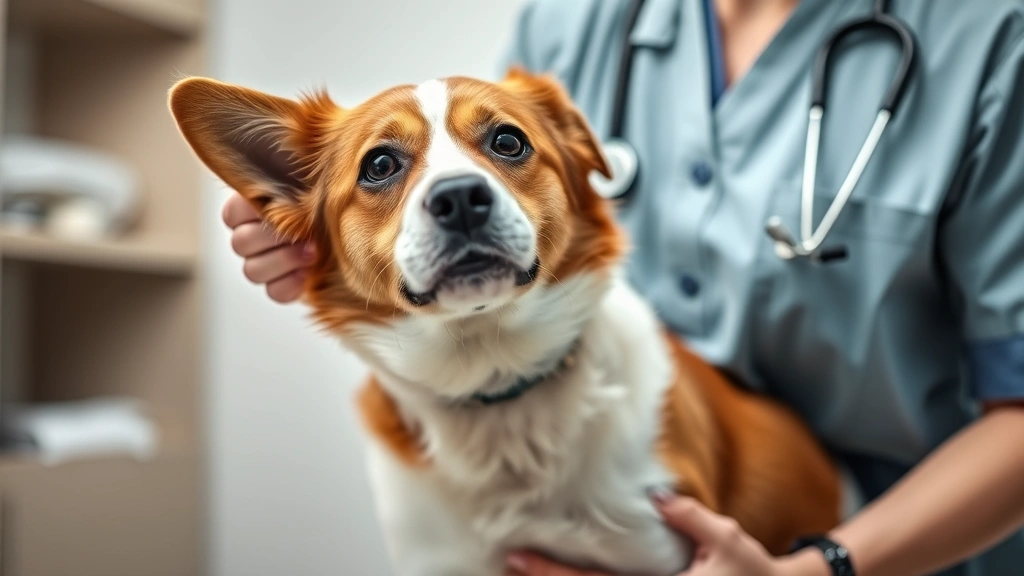
For milder coughs that persist beyond a few days, schedule a regular appointment. Your vet will perform a physical exam, listen to your dog’s lungs, and may recommend diagnostics like X-rays or blood work depending on what they find.
If you are unsure whether your pet needs urgent care, a quick telehealth check-in can give you peace of mind — no appointment needed. Many vets can assess your dog’s cough over video and advise you on next steps.
Prescription Medications for Dog Coughs
Once your vet diagnoses the cause, they may recommend prescription medications tailored to your dog’s specific condition. These are the most common types:
Cough Suppressants
Cough suppressants work by reducing the urge to cough, giving your dog’s throat and airway a chance to heal. These are often prescribed for dry, non-productive coughs where the coughing itself is the main problem rather than a symptom of fluid buildup.
Your vet will determine the right medication and frequency based on your dog’s age, weight, and overall health. Never give your dog over-the-counter cough medicine meant for humans—dosing and ingredients can be unsafe for pets.
Antibiotics
If your dog’s cough is caused by a bacterial infection like pneumonia or secondary bacterial infection from kennel cough, antibiotics may be necessary. These medications target the infection and help your dog’s immune system fight back.
It’s important to complete the full course of antibiotics even if your dog seems better after a few days. Stopping early can allow the infection to return stronger.
Anti-Inflammatory Medications
When a dog’s airways are inflamed and irritated, anti-inflammatory drugs can reduce swelling and make breathing easier. These help calm the tissue and reduce the urge to cough.
Your vet might also recommend NSAIDs for pain or discomfort, though these are used carefully and always with consideration for your dog’s kidney and liver function. Learn more about safe pain management by reading about meloxicam overdose in dogs to understand potential risks.
Home Remedies and Supportive Care
Alongside—or sometimes instead of—medication, several home remedies can ease your dog’s cough and support healing:
- Humidifier: Adding moisture to the air can soothe irritated airways. Run a cool-mist humidifier in the room where your dog spends the most time, especially at night.
- Honey: A small spoonful of plain honey may help soothe throat irritation. Never give honey to puppies under one year old due to botulism risk.
- Warm broths: Offer low-sodium chicken or beef broth to keep your dog hydrated and provide comfort. Make sure it contains no garlic or onions.
- Rest and quiet: Minimize strenuous play and exercise while your dog recovers. A calm environment helps the body focus energy on healing.
- Elevated sleeping area: If your dog sleeps on a bed, elevate their head slightly with an extra pillow to ease breathing and reduce nighttime coughing.
Kennel Cough Treatment Options
Kennel cough is one of the most common reasons dogs cough, especially if they’ve been around other dogs recently. This highly contagious respiratory infection spreads quickly in shelters, dog parks, and boarding facilities.
Most cases of kennel cough resolve on their own within 1–3 weeks as the dog’s immune system fights the virus. However, your vet may prescribe cough suppressants to ease discomfort and antibiotics if a secondary bacterial infection develops.
Prevention is easier than treatment—ask your vet about the kennel cough vaccine if your dog frequently spends time around other dogs.
Managing Nasal Congestion and Related Issues
Sometimes a cough is linked to nasal congestion in dogs, especially in cases of allergies or upper respiratory infections. When your dog’s nasal passages are blocked, they may cough as they try to clear their airway.
Treating the underlying congestion often helps reduce the cough. Your vet might recommend saline rinses, antihistamines, or decongestants depending on the cause.
If your dog has chronic allergies, identifying and avoiding triggers—whether they’re environmental or food-related—can prevent coughing episodes from recurring.
Heart Disease and Coughing in Dogs
A persistent cough can sometimes signal heart disease, particularly in older dogs or certain breeds prone to cardiac issues. When the heart isn’t pumping efficiently, fluid can back up into the lungs, triggering a chronic cough.
If your vet suspects heart disease, they’ll recommend an ultrasound (echocardiogram) or other cardiac tests. Treatment may include heart medications, dietary changes, and exercise modifications to manage the condition and reduce coughing.
Catching heart disease early makes a real difference in your dog’s quality of life and prognosis.
Natural and Over-the-Counter Options
While prescription medications are often necessary, some pet owners explore natural supplements and over-the-counter products designed for dogs. These should never replace veterinary care, but they may provide additional support:
- Probiotics: Supporting gut health can boost immune function and help your dog fight off infections.
- Omega-3 supplements: These fatty acids have mild anti-inflammatory properties and support overall respiratory health.
- Dog-safe cough drops: Some products are formulated specifically for dogs and may provide soothing relief.
- Herbal teas: Chamomile or ginger tea (cooled and unsweetened) can be added to your dog’s water bowl for mild soothing effects.
Always check with your vet before introducing new supplements or remedies, especially if your dog is already taking medications. Some natural products can interact with prescriptions or cause side effects.

Lifestyle Changes to Support Recovery
Beyond medication, simple lifestyle adjustments help your dog heal faster and prevent future coughing episodes:
- Keep your dog’s environment clean and free of dust, smoke, and strong chemical odors.
- Ensure your dog wears a properly fitted harness instead of a collar to reduce throat irritation.
- Maintain up-to-date vaccinations to prevent infectious respiratory diseases.
- Limit exposure to other sick dogs, especially in high-risk environments like boarding facilities.
- Feed a balanced, nutritious diet to support immune function.
When Medication Isn’t Enough
Sometimes a cough persists despite treatment, signaling a more complex underlying issue. Chronic coughs lasting more than a few weeks warrant additional investigation, including advanced imaging or specialist referral.
Conditions like aspiration pneumonia, lung tumors, or chronic bronchitis require more targeted approaches. Your vet may recommend chest X-rays, CT scans, or bronchoscopy to get a clearer picture of what’s happening in your dog’s lungs.
Don’t lose hope—many chronic conditions are manageable with the right treatment plan and consistent care.
Frequently Asked Questions
What is the best dog cough medication available?
The best medication depends on what’s causing the cough. Your vet will diagnose the underlying condition and prescribe the most appropriate treatment, whether that’s a cough suppressant, antibiotic, or anti-inflammatory.
Can I give my dog human cough medicine?
No, human cough medicines are not safe for dogs. Dosages are wrong for their body weight, and some ingredients are toxic to pets. Always use medications prescribed or recommended by your veterinarian.
How long does it take for dog cough medication to work?
Most dogs show improvement within 24–48 hours of starting appropriate treatment, though complete recovery may take 1–3 weeks depending on the cause and severity.
Is kennel cough dangerous for dogs?
Kennel cough is usually self-limiting and not life-threatening, but it’s uncomfortable and highly contagious. In puppies, elderly dogs, or immunocompromised pets, it can lead to complications like pneumonia, so veterinary monitoring is important.
Should I keep my coughing dog home from the dog park?
Yes, absolutely. If your dog is coughing, keep them home until your vet confirms it’s not contagious and they’re fully recovered. This protects other dogs from catching respiratory infections.
What To Do Now
- Schedule a vet appointment: If your dog has been coughing for more than a few days, contact your veterinarian to arrange an evaluation. Describe the cough (dry vs. wet, frequency, and any other symptoms) to help your vet prepare.
- Document the cough: Keep notes on when your dog coughs most (morning, after exercise, at night), what triggers it, and any other symptoms. This information helps your vet make an accurate diagnosis.
- Create a comfortable recovery space: Set up a quiet, clean area with a humidifier, fresh water, and soft bedding. Minimize stressors and strenuous activity while your dog recovers.
- Avoid self-medicating: Don’t give your dog over-the-counter or human medications. Wait for your vet’s diagnosis and prescribed treatment plan.
- Follow up consistently: Take all medications exactly as prescribed, complete the full course, and attend follow-up appointments. If your dog isn’t improving after a week, contact your vet again.
Summary: Finding the Right Dog Cough Medication for Your Pup
A cough in your dog can be stressful, but with proper diagnosis and treatment, most dogs recover well. Whether your pup needs prescription medication, home remedies, or a combination of both, the key is getting professional veterinary guidance to identify the underlying cause.
From kennel cough to allergies to heart conditions, each cough tells a story—and your vet is trained to read it. By acting quickly, following your vet’s recommendations, and providing supportive care at home, you’re giving your dog the best chance at a speedy recovery.
Remember, you’re not alone in this. If you have questions about your dog’s cough or need reassurance about next steps, reach out to your vet or consider a telehealth consultation for quick, expert guidance. Your dog’s health and comfort are worth the effort.