
If you’ve noticed your dog developing dental disease shortly after receiving a vaccination, you’re not alone in wondering about the connection—and you’re right to pay attention. Dog dental disease after vaccination is a concern many pet owners raise, though the relationship between the two isn’t always straightforward. Understanding what’s happening in your pup’s mouth and how to respond can make all the difference in protecting their long-term health.
Table of Contents
- Can Vaccinations Trigger Dental Problems in Dogs?
- Understanding the Immune Response Connection
- Signs Your Dog May Be Developing Dental Disease
- Post-Vaccination Timing: Why It Matters
- How Plaque and Tartar Buildup Develops
- Risk Factors That Increase Dental Disease Susceptibility
- What to Do If You Notice Dental Changes After Vaccination
- Prevention: Building a Strong Oral Health Routine
- When to Seek Urgent Veterinary Care
- The Role of Your Vet in Managing Post-Vaccination Dental Health
- Summary: Key Takeaways
- Frequently Asked Questions
- What to Do Now
This article is for informational purposes only and is not a substitute for professional veterinary advice. Always consult a licensed veterinarian for diagnosis and treatment.
Can Vaccinations Trigger Dental Problems in Dogs?
The short answer is: vaccinations themselves don’t directly cause dental disease, but the timing of symptoms can feel suspicious. Your dog’s immune system activates after a vaccination, and this heightened immune response can sometimes unmask or accelerate existing dental issues that were already brewing beneath the surface.
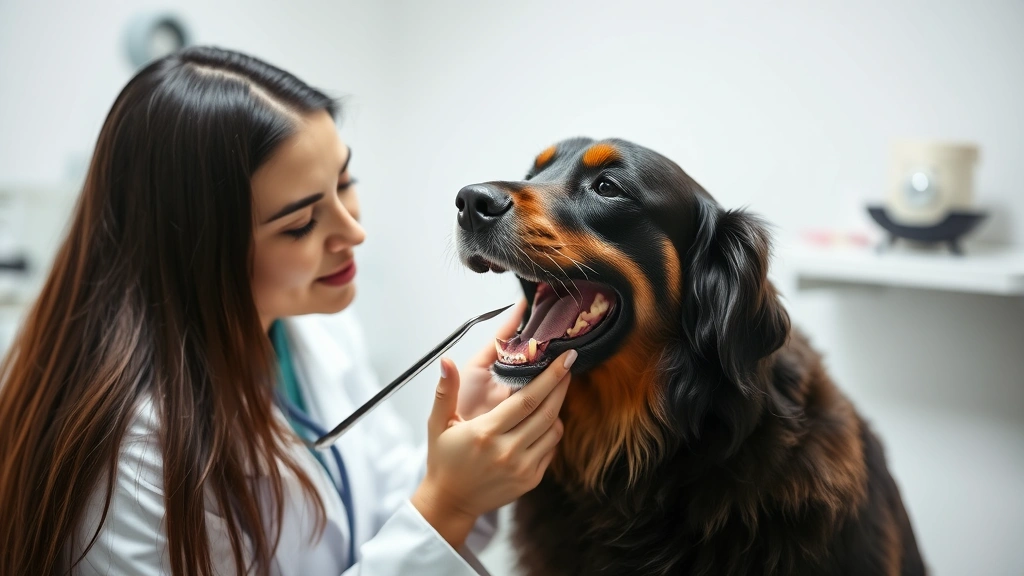
Think of it this way: your dog may have had early-stage gum disease or bacterial buildup for weeks or months without you noticing. When the vaccine stimulates the immune system, inflammation increases throughout the body—including in the gums and teeth. Suddenly, what was silent becomes visible.
This doesn’t mean the vaccine caused the disease; rather, it revealed what was already there or created conditions where bacteria thrived more visibly.

Understanding the Immune Response Connection
Vaccines work by training your dog’s immune system to recognize and fight specific pathogens. During this process, the body produces inflammation and antibodies. For a dog with compromised oral health, this systemic immune activation can stress an already-vulnerable mouth.
Additionally, some dogs experience mild stress or lethargy after vaccination. Stress can reduce saliva production, and saliva is your dog’s natural defense against oral bacteria. Less saliva means bacteria multiply faster, leading to plaque and tartar buildup.

The good news? This is temporary and manageable with proper care.
Signs Your Dog May Be Developing Dental Disease
Catching dental disease early puts you in a great position to help. Watch for these warning signs:

- Bad breath – Often the first red flag, worse than typical “dog breath”
- Red or swollen gums – Look inside your pup’s mouth regularly
- Difficulty eating or chewing – Dropping food or favoring one side
- Excessive drooling – More than usual, sometimes with a foul smell
- Loose or discolored teeth – Brown, yellow, or visibly cracked
- Pawing at the mouth – A sign of discomfort or irritation
- Swollen face or jaw – Indicates possible infection or abscess
If you notice any of these after your dog’s vaccination, don’t panic—but do schedule a vet check soon. Early intervention prevents serious complications.
Post-Vaccination Timing: Why It Matters
Most dogs show vaccine side effects within 24 to 48 hours. If dental symptoms appear during this window, the vaccine may have triggered an immune response that revealed underlying oral issues. However, dental disease develops over weeks and months, so the timing is often coincidental rather than causal.
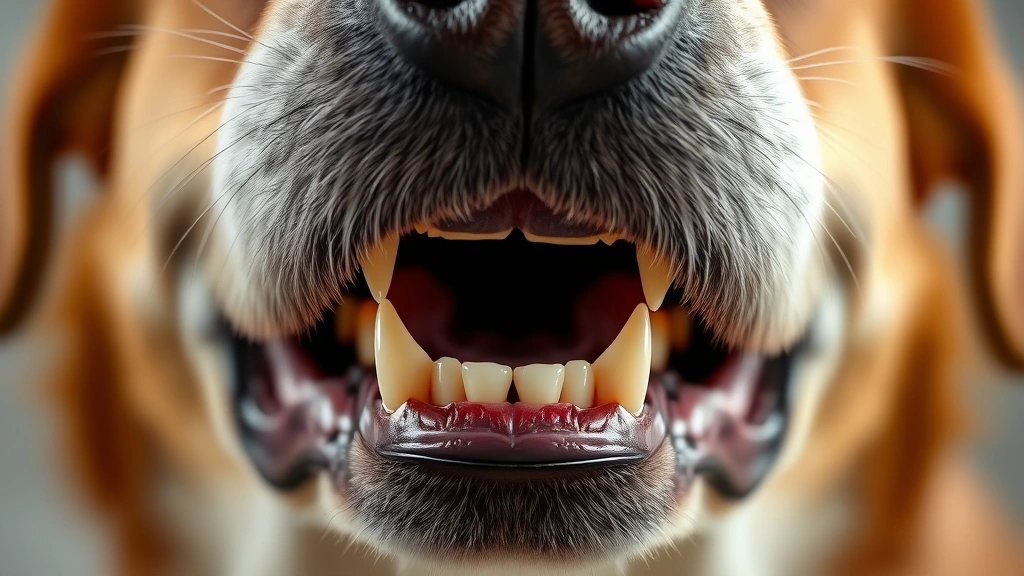
That said, if your dog had a routine dental cleaning scheduled before vaccination, postponing it slightly might be wise. Let your vet know about the vaccination timing when you discuss oral health concerns.
How Plaque and Tartar Buildup Develops
Dental disease in dogs follows a predictable progression. Bacteria in the mouth form a sticky film called plaque, which hardens into tartar if not removed. Once tartar takes hold, it irritates the gums and leads to gingivitis (gum inflammation).
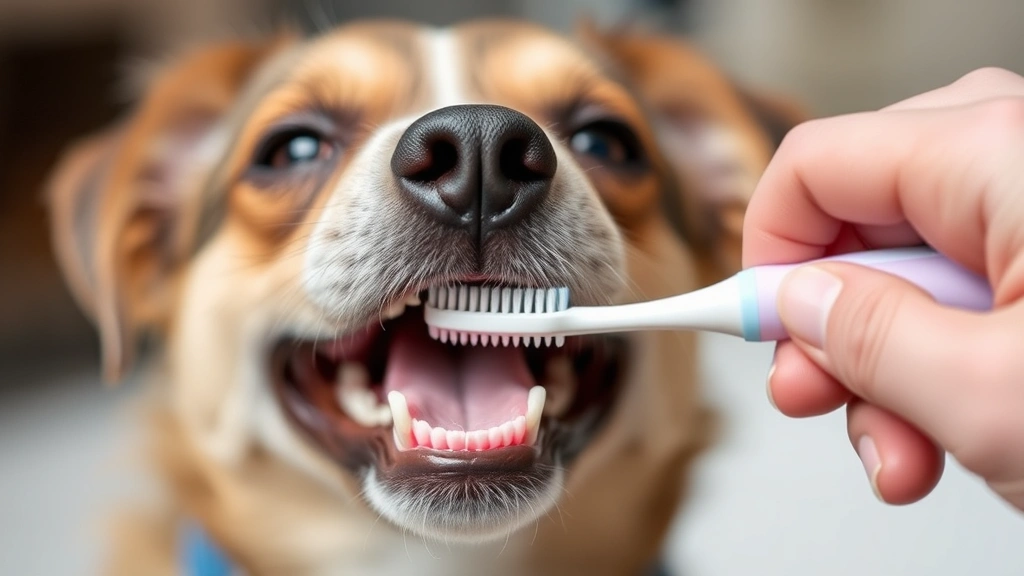
If left untreated, the infection spreads beneath the gum line, causing periodontitis. This stage damages the structures supporting the teeth and can lead to tooth loss, bone deterioration, and even systemic infections affecting the heart, kidneys, and liver.
The progression can accelerate if your dog’s immune system is already stressed—which is why post-vaccination timing feels significant to worried owners.

Risk Factors That Increase Dental Disease Susceptibility
Some dogs are more prone to dental issues than others. Understanding your pup’s risk profile helps you stay proactive:
- Small breed dogs – Crowded teeth trap more bacteria
- Age – Senior dogs accumulate more tartar over time
- Diet – Soft foods don’t provide natural cleaning friction
- Genetics – Some breeds are predisposed to gum disease
- Poor oral hygiene – Lack of regular brushing allows buildup
- Underlying health conditions – Diabetes, kidney disease, and immune disorders increase risk
- Certain medications – Some reduce saliva production
If your dog has any of these risk factors, post-vaccination dental monitoring becomes even more important.

What to Do If You Notice Dental Changes After Vaccination
Your dog’s health is your priority, and these actionable steps will help you respond effectively:
- Schedule a veterinary examination – Don’t wait to see if symptoms resolve. A vet can assess whether your dog is experiencing early dental disease, a vaccine reaction, or something else entirely. If you are unsure whether your pet needs urgent care, a quick telehealth check-in can give you peace of mind—no appointment needed.
- Document what you observe – Note when symptoms started, which teeth or gums look affected, and whether eating habits have changed. This information helps your vet make an accurate diagnosis.
- Begin gentle oral care at home – Start brushing your dog’s teeth with a dog-safe toothpaste (never use human toothpaste). Even a few minutes daily makes a difference.
- Avoid hard chews temporarily – If your dog’s mouth is sore, stick to soft foods and avoid toys that require aggressive chewing.
- Ask about professional cleaning – Your vet may recommend a professional dental cleaning under anesthesia to remove tartar and assess for deeper issues.
Prevention: Building a Strong Oral Health Routine
The best defense against dog dental disease is prevention. Start these habits now, especially if your pup has vaccination timing concerns:
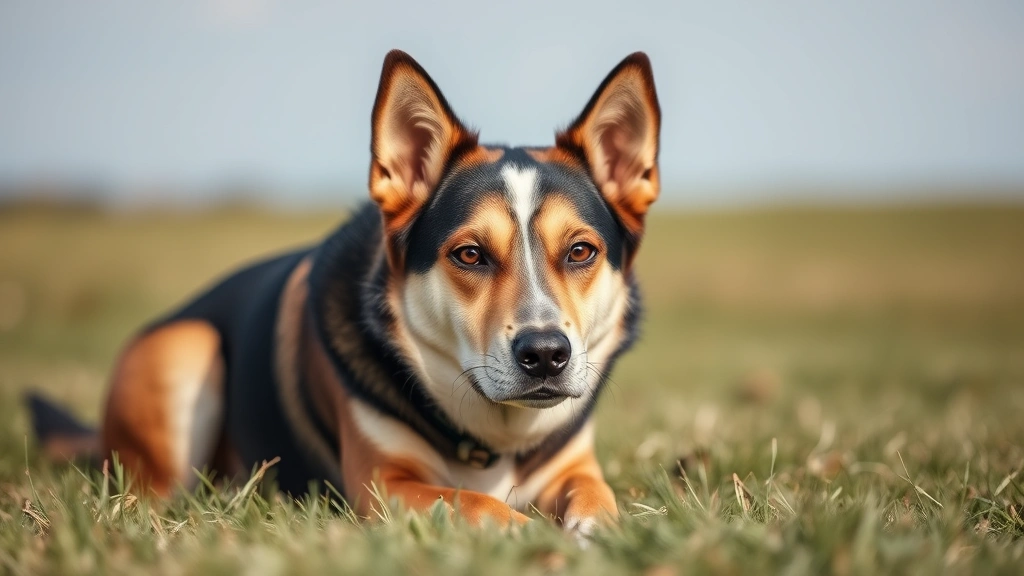
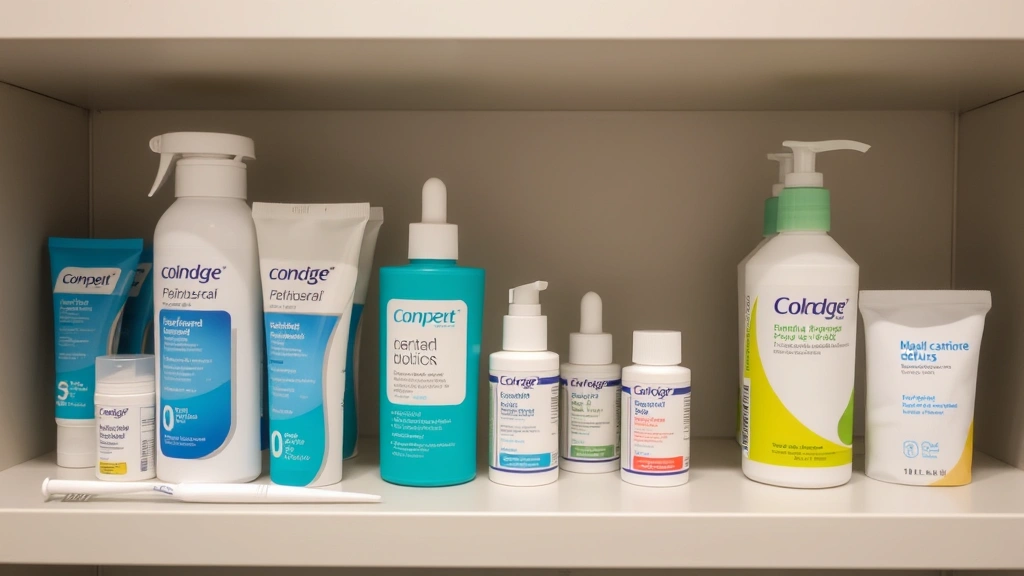
Daily brushing: Aim for at least 3 to 4 times per week, ideally daily. Use a soft-bristled toothbrush and dog-formulated toothpaste. Even 30 seconds of brushing helps.
Dental treats and toys: Choose products designed to reduce plaque and tartar. Look for the Veterinary Oral Health Council (VOHC) seal of approval.
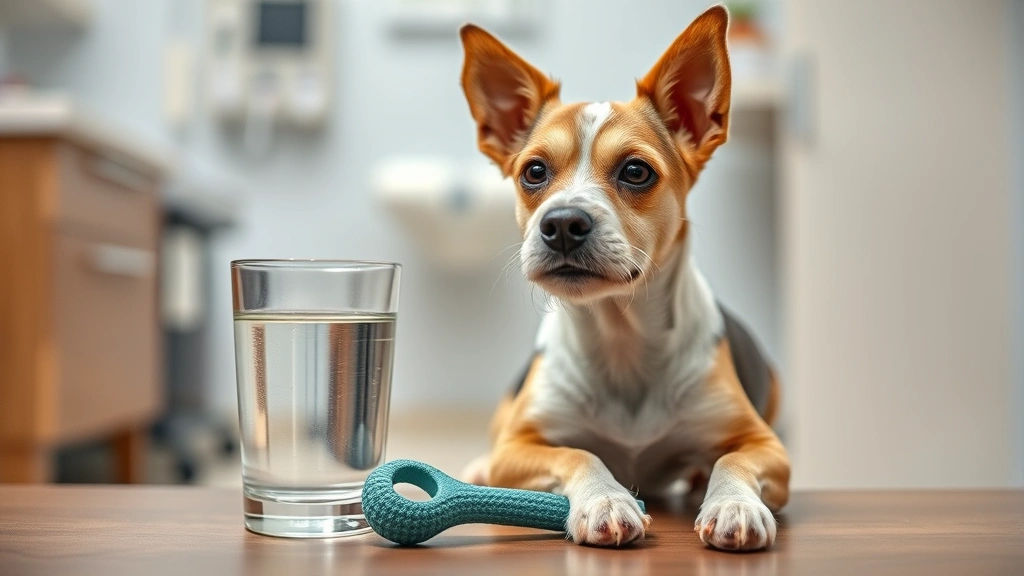
Water additives: Some products reduce bacteria in the mouth. Ask your vet which ones are safe and effective.
Professional cleanings: Schedule annual or biannual cleanings with your vet, depending on your dog’s age and risk factors.

Diet choices: High-quality, appropriately textured food supports oral health. Ask your vet whether your dog’s current diet is optimal.
When to Seek Urgent Veterinary Care
Most post-vaccination dental concerns aren’t emergencies, but some signs warrant immediate attention. Contact your vet right away if you notice:
- Severe facial or jaw swelling
- Difficulty swallowing or breathing
- Pus or discharge from the mouth
- Refusal to eat for more than 24 hours
- Fever or lethargy lasting more than 48 hours post-vaccination
- Signs of systemic infection (vomiting, diarrhea, unusual behavior)
These symptoms could indicate a dental abscess, severe infection, or other complications requiring prompt treatment.
The Role of Your Vet in Managing Post-Vaccination Dental Health
Your veterinarian is your best resource for understanding your dog’s specific situation. They can examine your pup’s mouth, assess vaccination timing, review medical history, and recommend a tailored treatment plan.

Don’t hesitate to ask your vet about the connection between vaccination and dental health. Many vets are happy to explain how immune responses work and why dental issues might seem to coincide with vaccinations. This conversation also gives you a chance to discuss your dog’s overall oral health strategy moving forward.
Summary: Key Takeaways
Dog dental disease after vaccination is a legitimate concern that deserves attention, even though vaccines don’t directly cause dental problems. The timing can feel suspicious because vaccines activate the immune system, which may accelerate symptoms of existing oral issues.

Early detection is crucial. By watching for signs like bad breath, red gums, and difficulty eating, you can catch problems before they become serious. Combined with consistent at-home care and professional veterinary support, you can protect your dog’s teeth and overall health.
Remember: catching this early puts you in a great position to help your pup maintain a healthy, comfortable mouth for years to come.
Frequently Asked Questions
Can a dog’s vaccination directly cause dental disease?
Vaccinations don’t directly cause dental disease, but the immune response they trigger can accelerate symptoms in dogs with existing oral problems. The timing often feels coincidental but worth investigating.
How soon after vaccination might dental symptoms appear?
Vaccine-related immune responses typically occur within 24 to 48 hours. If dental symptoms appear during this window, they may be linked to the vaccine’s immune activation, though dental disease itself develops over weeks and months.
Should I delay my dog’s dental cleaning before a vaccination?
This is a good question for your vet. Some vets prefer spacing vaccinations and dental procedures apart by a week or two to avoid stressing the immune system simultaneously, while others see no issue with timing them closer together.
What’s the fastest way to treat dental disease in dogs?
Professional dental cleaning under anesthesia is the most effective way to remove tartar and assess for deep infections. Combined with daily brushing at home, this approach stops disease progression quickly.
Can I treat my dog’s dental disease at home without a vet visit?
Home care is essential for maintaining oral health, but it cannot reverse existing dental disease or treat infections. You’ll need professional veterinary evaluation and likely a cleaning to properly address the problem.
What to Do Now
- Schedule a veterinary examination – Contact your vet to discuss your dog’s dental symptoms and vaccination timing. If you’re unsure whether your pet needs urgent care, ask a veterinarian online for a quick assessment and guidance.
- Review your dog’s oral health baseline – Check your pup’s teeth and gums regularly. Look for the signs of dog dental disease symptoms mentioned in this article and keep notes for your vet.
- Start a daily brushing routine – Begin with just 30 seconds of gentle brushing using dog-safe toothpaste. Consistency matters more than duration.
- Discuss post-vaccination care with your vet – Ask whether spacing future vaccinations and dental procedures differently would benefit your dog, and whether any dietary or supplement changes could support oral health.
- Bookmark your vet’s contact information – If you notice urgent signs like facial swelling or difficulty eating, you’ll need fast access. Know when to see a vet urgently versus scheduling a routine appointment.
Your dog’s smile is worth the effort. By staying attentive and proactive, you’re giving your pup the gift of good oral health and a longer, healthier life together.