
Your dog’s dental health is often overlooked, but dog dental disease early signs can sneak up on even the most attentive pet parents. Many owners don’t realize their furry friend is suffering until the problem becomes serious. The good news? Catching these warning signs early can save your pup from pain, tooth loss, and costly veterinary treatments.
Table of Contents
- Why Dental Disease in Dogs Is More Common Than You Think
- The 7 Critical Early Signs of Dog Dental Disease You’re Probably Missing
- How Dental Disease Progresses in Dogs
- Why Your Vet Might Miss It (And How to Advocate for Your Dog)
- The Connection Between Dental Disease and Systemic Health
- Prevention: The Best Medicine for Dental Disease
- When to Seek Veterinary Care for Dental Concerns
- What To Do Now: Your Action Plan
- Frequently Asked Questions
- Summary: Why Early Detection Matters
This article is for informational purposes only and is not a substitute for professional veterinary advice. Always consult a licensed veterinarian for diagnosis and treatment.
Why Dental Disease in Dogs Is More Common Than You Think
Dental disease affects roughly 80% of dogs over the age of three. That’s a staggering number, yet many pet owners don’t even know their dog has a problem until it’s advanced. Unlike humans, dogs can’t tell us when their teeth hurt or their gums are inflamed.
The sneaky part? Early-stage dental disease often shows no obvious symptoms. Your dog might seem perfectly happy and healthy while bacteria quietly multiply beneath the gum line. This is why learning to spot the subtle signs early is so important.

The 7 Critical Early Signs of Dog Dental Disease You’re Probably Missing
Let’s walk through the symptoms that vets see most often—the ones pet owners tend to miss or brush off as normal behavior.
1. Bad Breath That Smells Like More Than Just “Dog Breath”
We all know dogs don’t have minty-fresh breath. But there’s a difference between normal dog breath and the foul odor that signals dental trouble. If your dog’s breath smells like rotting food or has a sour, unpleasant quality, this could be an early sign of bacterial buildup in the mouth.
Bad breath is often the first red flag that something is wrong. The smell comes from bacteria thriving in the mouth and breaking down tooth structure and gum tissue. Catching this early puts you in a great position to help your pup before more damage occurs.

2. Subtle Changes in Eating Habits
Does your dog seem to chew differently than usual? Maybe they’re favoring one side of their mouth or dropping food while eating. Some dogs start eating more slowly or seem less interested in hard kibble, switching to softer food without you realizing it.
These tiny behavioral shifts are easy to miss, especially if they happen gradually. Your dog might still finish their bowl, so you assume everything is fine. But difficulty chewing or discomfort while eating is a classic early sign of dental disease.
3. Increased Drooling or Excessive Saliva
A little drool is normal, but a noticeable increase in drooling could indicate mouth pain or inflammation. Some dogs start drooling more when they have dental discomfort because it’s harder for them to swallow normally.
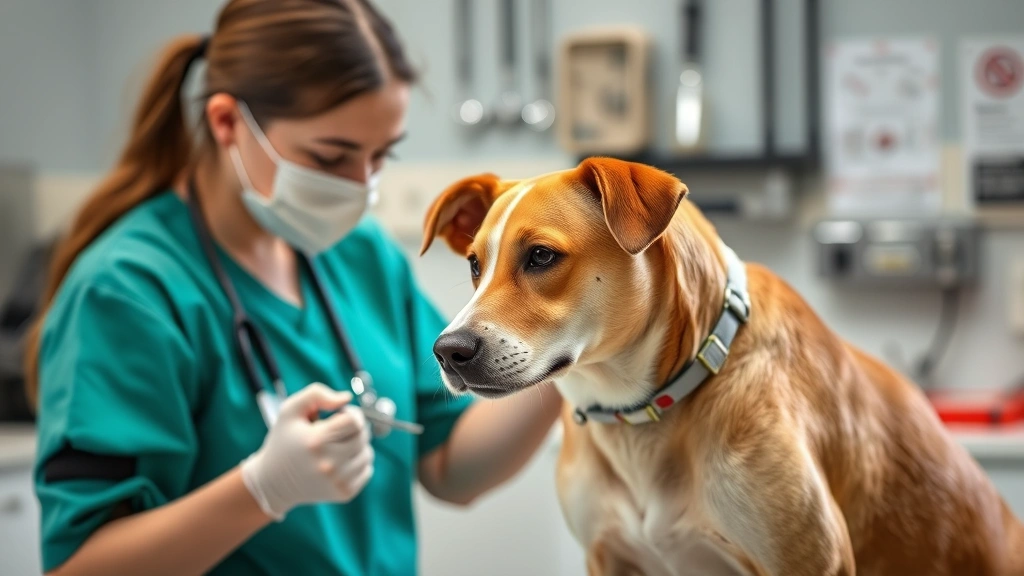
Pay attention to whether your dog is leaving wet spots on their bed more often or drooling during activities they didn’t used to. This subtle change often goes unnoticed until someone mentions it.
4. Pawing at the Mouth or Face
If your dog frequently paws at their mouth, rubs their face on the carpet, or scratches at their chin, they may be experiencing oral discomfort. This self-soothing behavior is a sign that something in or around the mouth is bothering them.
While occasional face-pawing is normal, a sudden increase or persistent behavior warrants attention. Your dog can’t tell you their teeth hurt, so this physical gesture is their way of communicating pain.

5. Visible Tartar Buildup or Discolored Teeth
Take a moment to look inside your dog’s mouth. Do you see brown or yellowish buildup on the teeth, especially near the gum line? This tartar is hardened plaque that harbors bacteria and accelerates dental disease.
You might also notice that your dog’s teeth look darker or more discolored than they used to. Early tartar buildup is one of the most visible signs of dental disease, and it’s something you can actually see at home. Catching this visual sign early means you can act before it progresses.
6. Swelling or Redness of the Gums
Healthy dog gums should be pink and firm. If you gently lift your dog’s lip and notice red, swollen, or bleeding gums, this indicates gum inflammation and early periodontal disease.
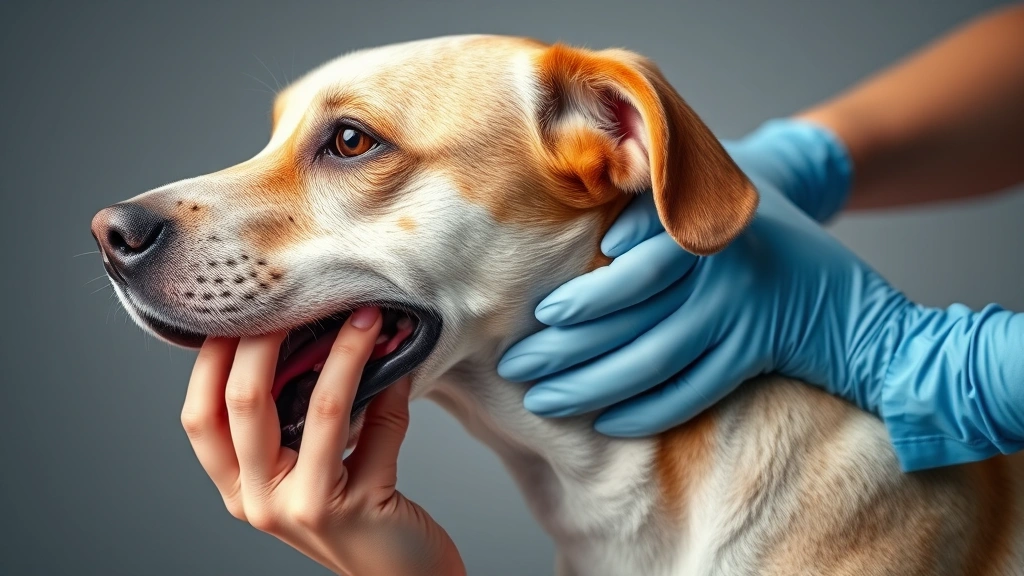
Gum disease is progressive, so early signs like mild redness can quickly become serious infections. This is one of the clearest visual indicators that dental disease is developing.
7. Behavioral Changes Like Irritability or Reluctance to Play
Pain changes behavior. A dog with dental disease might become more irritable, withdrawn, or less interested in playing fetch or chewing toys they usually love. Some dogs show signs of depression or reduced enthusiasm for activities.
These behavioral shifts are often attributed to aging or mood changes, but chronic pain from dental disease is frequently the culprit. If your normally playful pup seems less engaged, dental health is worth investigating.

How Dental Disease Progresses in Dogs
Understanding the progression helps you see why early intervention matters. Dental disease typically moves through stages, starting with plaque buildup on the tooth surface.
In the early stages, plaque hardens into tartar. If left unchecked, bacteria penetrate below the gum line, causing inflammation and infection. This leads to bone loss, loose teeth, and eventually tooth loss.
The scary part? By the time your dog shows obvious pain or difficulty eating, significant damage may have already occurred. This is why catching early signs is so critical—you can prevent the disease from advancing before irreversible damage happens.

Why Your Vet Might Miss It (And How to Advocate for Your Dog)
Even veterinarians can miss early dental disease if they’re not specifically looking for it. During a routine wellness visit, your vet might do a quick oral exam, but early-stage disease can be subtle.
This is why it’s important to mention any of the symptoms listed above during your dog’s appointment. If you’ve noticed bad breath, eating changes, or visible tartar, bring it up directly. Ask your vet to do a thorough dental assessment, and don’t hesitate to get a second opinion if you’re concerned.
The Connection Between Dental Disease and Systemic Health
Here’s something many pet owners don’t know: dental disease doesn’t stay isolated in the mouth. Bacteria from infected teeth and gums can enter the bloodstream and affect other organs, including the heart, kidneys, and liver.

This is why dog heart disease and other systemic conditions can sometimes be linked to untreated dental problems. Taking care of your dog’s teeth isn’t just about preventing bad breath—it’s about protecting their overall health.
Prevention: The Best Medicine for Dental Disease
The easiest way to avoid dealing with advanced dental disease is to prevent it from starting. Here are actionable steps you can take right now:
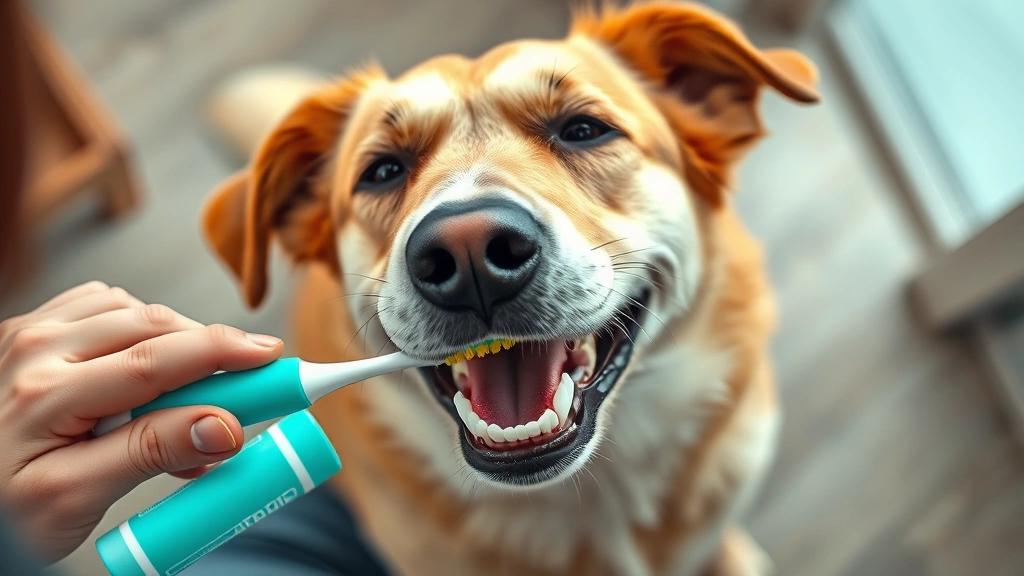
- Brush your dog’s teeth regularly. Daily brushing is ideal, but even 3-4 times per week makes a huge difference. Use dog-specific toothpaste and a soft brush.
- Offer dental chews and toys. Products designed to reduce tartar can help keep teeth cleaner between brushings.
- Schedule professional cleanings. Your vet may recommend professional dental cleaning under anesthesia to remove tartar and assess tooth health.
- Provide a healthy diet. Some foods and water additives are formulated to support dental health. Ask your vet for recommendations.
- Do monthly at-home checks. Lift your dog’s lips and look at their teeth and gums. This helps you catch changes early.
When to Seek Veterinary Care for Dental Concerns
If you notice any of the early signs mentioned above, schedule a dental exam with your veterinarian. Don’t wait for symptoms to worsen. Early intervention is far less invasive and expensive than treating advanced dental disease.
If you’re unsure whether your pet needs urgent care or want a quick second opinion, an online dog vet consultation can give you peace of mind without the stress of an office visit. A telehealth check-in can help you decide whether an in-person exam is necessary or if home monitoring is appropriate for now.
For more serious concerns or if your dog shows signs of infection (swelling, discharge, or fever), urgent vet advice online is available to guide you toward the right next steps.
What To Do Now: Your Action Plan
Don’t let this information sit. Take these steps today to protect your dog’s dental health:

- Examine your dog’s mouth this week. Look for tartar, gum redness, or discoloration. Take a photo if you see anything concerning.
- Schedule a dental exam with your vet within the next 2-4 weeks if your dog is over three years old and hasn’t had a recent dental assessment.
- Start a simple at-home dental care routine—even just brushing 2-3 times per week can slow disease progression.
- Ask your vet about professional cleaning if tartar is visible or if your dog shows any early signs.
- Set a calendar reminder to check your dog’s teeth monthly. This habit takes 30 seconds and could catch problems early.
Frequently Asked Questions
What does early-stage dental disease look like in dogs?
Early signs include bad breath, visible tartar buildup (especially near the gum line), mild gum redness, and subtle changes in eating habits. Many dogs show no obvious symptoms, which is why regular checks are important.
Can dog dental disease go away on its own?
No. Dental disease is progressive and will worsen without treatment. Early intervention with professional cleaning and home care can slow or stop progression, but the disease won’t reverse itself.
Is anesthesia safe for dogs during dental cleaning?
Modern veterinary anesthesia is very safe, especially when your vet performs pre-anesthetic bloodwork to assess your dog’s health. The risks of untreated dental disease far outweigh the small anesthetic risk.

How often should I brush my dog’s teeth?
Daily brushing is ideal, but 3-4 times per week significantly reduces tartar and plaque buildup. Even occasional brushing is better than none, though consistency matters most.
Can I treat dog dental disease at home without a vet?
Home care like brushing and dental chews can help prevent disease and slow early-stage progression, but they cannot treat active infection or remove established tartar. Professional veterinary care is necessary for diagnosis and treatment.
Summary: Why Early Detection Matters
Dog dental disease early signs are often subtle, but they’re your window of opportunity to prevent serious problems. Bad breath, eating changes, visible tartar, and behavioral shifts are all red flags that deserve attention.

By staying vigilant and catching these signs early, you’re protecting not just your dog’s teeth, but their overall health and quality of life. A few minutes of preventive care each week—brushing, checking, and monitoring—can save your pup from pain and you from expensive treatments down the road.
Your dog depends on you to notice what they can’t communicate. Now that you know what to look for, you’re equipped to be your dog’s best advocate for dental health.