
Dog dental disease life expectancy is a concern that weighs heavily on many pet owners’ minds, especially when they notice their furry friend’s breath becoming unbearable or their eating habits changing. If you’ve recently discovered your dog has dental problems, you’re probably wondering what this means for their future and how much time you have to make a difference. The good news? Early intervention and proper care can significantly improve your dog’s quality of life and lifespan.
Table of Contents
- Understanding Dog Dental Disease and Its Impact
- How Dental Disease Affects Your Dog’s Life Expectancy
- Early Signs Your Dog May Have Dental Disease
- Stages of Dental Disease Progression
- Treatment Options That Can Extend Your Dog’s Life
- The Role of Preventive Care in Life Expectancy
- Home Care Strategies to Support Dental Health
- Chronic Conditions and Dental Disease Connection
- When to Seek Professional Help
- Real-World Outcomes: Dogs Living Well With Dental Management
- Creating Your Dog’s Dental Health Plan
- Frequently Asked Questions
- What To Do Now
- Summary: Taking Control of Your Dog’s Dental Health Future
This article is for informational purposes only and is not a substitute for professional veterinary advice. Always consult a licensed veterinarian for diagnosis and treatment.
Understanding Dog Dental Disease and Its Impact
Dental disease in dogs is far more than just a cosmetic issue or a matter of fresh breath. It’s a progressive condition that affects millions of dogs worldwide, yet many owners don’t realize how serious it can become. When bacteria accumulate on your dog’s teeth, they trigger inflammation and infection that can spread beyond the mouth.
The bacteria from dental infections can enter the bloodstream and damage vital organs including the heart, kidneys, and liver. This systemic infection is why dental disease isn’t something to put off—it’s a genuine health threat that impacts your dog’s overall lifespan and quality of life.
How Dental Disease Affects Your Dog’s Life Expectancy
Research has shown that untreated dental disease can reduce a dog’s life expectancy by several years. Dogs with severe periodontal disease may experience chronic pain, difficulty eating, and systemic infections that compromise their immune system. The longer dental problems go untreated, the greater the risk of irreversible damage to organs.
However, here’s the encouraging part: catching dental disease early puts you in a great position to help. Dogs that receive prompt dental care and consistent preventive maintenance often live longer, healthier lives with fewer complications. Many dogs diagnosed with dental disease at early stages show remarkable improvement with proper treatment.
Early Signs Your Dog May Have Dental Disease
Recognizing the warning signs early is crucial for preserving your dog’s health. Bad breath is often the first clue—if your dog’s breath smells unusually foul, it’s worth investigating. Other signs include:
- Visible tartar or discoloration on teeth
- Red, swollen, or bleeding gums
- Difficulty chewing or dropping food
- Excessive drooling
- Swelling around the face or jaw
- Behavioral changes like reluctance to play with toys
- Pawing at the mouth
If you notice any of these symptoms, reaching out to your veterinarian should be your next step. Early detection makes treatment more straightforward and less invasive.
Stages of Dental Disease Progression
Understanding the progression of dental disease helps you grasp why early intervention matters so much. Veterinarians typically classify dental disease into stages based on severity.
Stage 1 involves minimal tartar buildup with no bone loss—this stage is often reversible with professional cleaning and improved home care. Stage 2 shows more tartar accumulation and early gum recession, requiring professional intervention. Stage 3 involves significant bone loss and deeper periodontal pockets. Stage 4 represents advanced disease with severe bone loss and tooth mobility.
The further your dog progresses through these stages, the more aggressive treatment becomes necessary and the greater the impact on their overall health. This is why preventive care and early detection are game-changers.
Treatment Options That Can Extend Your Dog’s Life
The good news is that several effective treatment approaches exist for managing dental disease. Professional dental cleaning under anesthesia is often the first step, allowing your veterinarian to remove tartar, assess tooth viability, and treat any underlying infections.
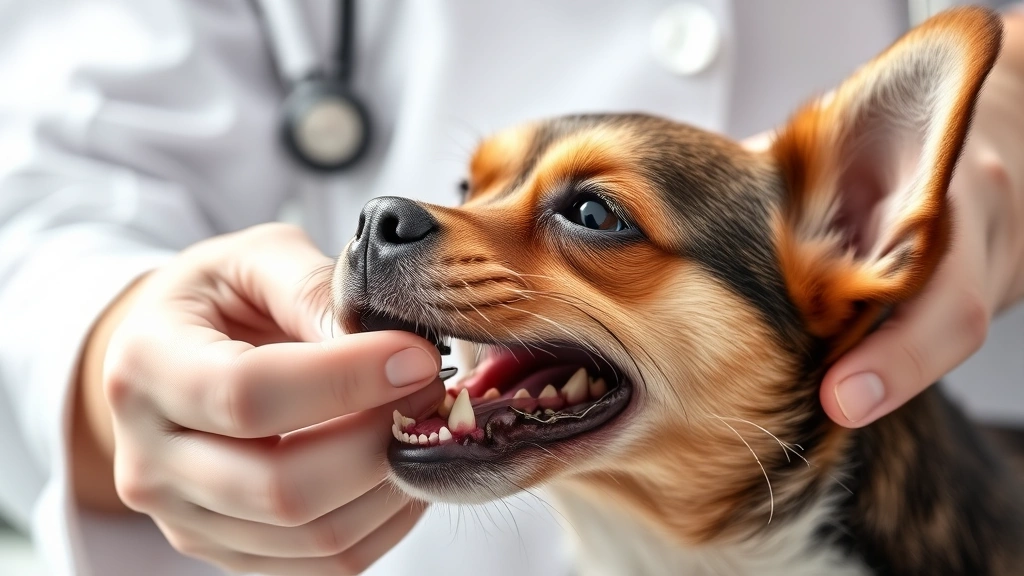
For dogs with advanced disease, tooth extraction may be necessary. While losing teeth sounds concerning, dogs adapt remarkably well to extractions and often experience pain relief and improved quality of life afterward. Many dogs eat normally with fewer teeth and suffer less from chronic infection.
Beyond professional treatment, home care becomes essential for long-term management. Your veterinarian might recommend specific dental care strategies tailored to your dog’s situation.
The Role of Preventive Care in Life Expectancy
Prevention is genuinely the best medicine when it comes to dental disease. Dogs that receive consistent preventive care throughout their lives rarely develop severe dental problems. This proactive approach keeps your dog healthier and extends their lifespan significantly.
Regular veterinary check-ups allow your vet to catch early signs of dental disease before they progress. Professional cleanings at recommended intervals help maintain oral health. These preventive measures are far less costly and invasive than treating advanced disease.
Home Care Strategies to Support Dental Health
Between professional treatments, what you do at home matters tremendously. Here are evidence-based approaches that support your dog’s dental health:
- Brush your dog’s teeth regularly using dog-specific toothpaste—daily brushing is ideal, but even several times weekly helps
- Offer dental-specific treats or toys designed to reduce tartar buildup
- Consider water additives recommended by your veterinarian that support oral health
- Provide appropriate chew toys that encourage natural cleaning action
- Maintain a healthy diet that supports overall immune function
These simple habits, consistently applied, can dramatically slow disease progression and improve your dog’s oral health. Many owners are surprised by how much difference regular tooth brushing makes.
Chronic Conditions and Dental Disease Connection
Dogs with existing health conditions like dog diabetes chronic management or dog liver disease chronic management face increased risk of dental complications. Similarly, dogs managing dog thyroid disorder chronic management may experience dental issues as part of their overall health picture.
The interconnection between oral health and systemic disease means that managing dental disease is part of managing your dog’s overall wellness. A comprehensive approach addressing all health concerns simultaneously leads to better outcomes and improved life expectancy.
When to Seek Professional Help
If you’ve noticed signs of dental disease in your dog, professional evaluation is essential. Your veterinarian can assess the severity, discuss treatment options, and create a plan tailored to your dog’s specific situation. If you’re unsure whether your pet needs urgent care, a quick pet telehealth consultation can give you peace of mind—no appointment needed.
For detailed guidance on your dog’s specific situation, speak to a vet online to discuss treatment options and next steps. Many veterinarians can provide initial guidance through online vet advice services, helping you understand whether your dog needs immediate professional care.
Real-World Outcomes: Dogs Living Well With Dental Management
Countless dogs have thrived after receiving proper dental treatment. Dogs that were previously reluctant to eat become enthusiastic at mealtime. Those with chronic pain and behavioral changes show marked improvement in temperament and activity levels. These transformations underscore how significantly dental disease affects quality of life.

The key to these positive outcomes is consistent management—initial professional treatment followed by ongoing preventive care. Dogs managed this way often live several additional years compared to those with untreated dental disease.
Creating Your Dog’s Dental Health Plan
Working with your veterinarian to establish a personalized dental health plan is one of the best investments you can make in your dog’s future. This plan should include:
- Recommended frequency of professional dental cleanings
- Home care routine tailored to your dog’s needs and preferences
- Dietary adjustments if applicable
- Monitoring schedule for checking progress
- Emergency protocols if new symptoms develop
A structured plan keeps you accountable and ensures nothing falls through the cracks. It also gives you realistic expectations about your dog’s prognosis and timeline for improvement.
Frequently Asked Questions
Can dental disease be reversed in dogs?
Early-stage dental disease can be reversed or significantly improved with professional cleaning and consistent home care. Advanced stages with bone loss cannot be fully reversed, but progression can be slowed through proper management.
How long can a dog live with untreated dental disease?
Dogs with untreated dental disease may live several years shorter than their potential lifespan, depending on overall health and how aggressively the infection spreads. Early treatment dramatically improves outcomes.
Is dental cleaning safe for older dogs?
Professional dental cleaning under anesthesia is generally safe for senior dogs when proper pre-operative screening is performed. Many older dogs benefit greatly from dental treatment and experience improved quality of life afterward.
What’s the cost of treating dog dental disease?
Costs vary based on disease severity and your location, but professional cleaning ranges from several hundred to over a thousand dollars. Prevention through home care is far more cost-effective than treating advanced disease.
Can I prevent dental disease entirely?
While some dogs are genetically predisposed to dental issues, consistent preventive care—including regular brushing and professional cleanings—can prevent or significantly delay dental disease in most dogs.
What To Do Now
- Schedule a veterinary dental examination if your dog shows any signs of dental disease or if it’s been over a year since their last professional assessment
- Begin a daily tooth-brushing routine using dog-specific toothpaste to establish healthy habits and slow any disease progression
- Discuss your dog’s individual risk factors with your veterinarian and ask about recommended cleaning intervals based on their age and health status
- If cost is a concern, ask your veterinarian about payment plans or reach out for a telehealth consultation to discuss affordable options
- Set calendar reminders for follow-up appointments and home care tasks to maintain consistency in your dog’s dental health routine
Summary: Taking Control of Your Dog’s Dental Health Future
Dog dental disease life expectancy is directly tied to how proactively you manage your dog’s oral health. While the diagnosis may feel concerning, the reality is that modern veterinary care offers excellent options for treating and managing dental disease. Dogs that receive prompt professional care and consistent preventive maintenance enjoy significantly better health outcomes and longer, happier lives.
The most important step is recognizing that dental disease is treatable and that your actions today directly impact your dog’s tomorrow. Whether your dog is showing early signs or has advanced disease, it’s never too late to start making a positive difference. Your veterinarian is your partner in this journey, and together you can help your dog thrive for years to come.