
If your dog has been diagnosed with dental disease, understanding the dog dental disease medication dosage guide your vet recommends is one of the most important steps you can take to protect your pup’s health. Dental disease in dogs isn’t just about bad breath—it’s a serious condition that can affect your dog’s heart, kidneys, and overall quality of life if left untreated.
Table of Contents
- What Is Canine Dental Disease and Why It Matters
- Common Medications for Dog Dental Disease Treatment
- How Veterinarians Determine the Right Medication Plan
- Understanding Antibiotic Therapy for Dental Infections
- Pain Management and Anti-Inflammatory Options
- What to Expect During Medication Treatment
- Potential Side Effects and Safety Considerations
- Home Care During Medication Treatment
- Professional Dental Cleaning and Medication Timing
- Long-Term Dental Health and Medication Prevention
- When to Contact Your Veterinarian About Medication Concerns
- Frequently Asked Questions
- What To Do Now
- Summary: Taking Control of Your Dog’s Dental Health
This article is for informational purposes only and is not a substitute for professional veterinary advice. Always consult a licensed veterinarian for diagnosis and treatment.
Catching dental disease early puts you in a great position to help your dog avoid painful complications down the road. In this guide, we’ll walk you through what you need to know about managing your dog’s dental health with medication, when treatment becomes necessary, and how to work with your vet to create the best plan for your furry friend.
What Is Canine Dental Disease and Why It Matters
Dental disease in dogs develops when plaque and tartar build up on teeth, leading to infection and inflammation. This condition affects nearly 80% of dogs over the age of three, making it one of the most common health issues vets see.
When bacteria colonize the mouth, they don’t stay isolated—they can enter the bloodstream and travel to vital organs. This is why your vet takes dental health seriously and may recommend medication as part of a comprehensive treatment plan.
The good news? Early intervention makes a real difference. Understanding how medications work alongside professional cleanings and home care gives you the tools to protect your dog’s smile and overall wellness.
Common Medications for Dog Dental Disease Treatment
Your veterinarian may recommend several types of medications depending on your dog’s specific situation. These might include antibiotics to fight bacterial infection, pain relievers to ease discomfort, and anti-inflammatory medications to reduce swelling in the gums.
Each medication serves a different purpose in your dog’s recovery. Antibiotics target the infection itself, while pain management helps your dog feel more comfortable during healing. Anti-inflammatory drugs reduce the swelling that causes pain and difficulty eating.
The specific medications your vet chooses depend on factors like your dog’s age, weight, kidney and liver function, and any other health conditions your pup may have. This is why a personalized approach from your veterinarian is so important—there’s no one-size-fits-all solution.
How Veterinarians Determine the Right Medication Plan
Your vet doesn’t just pick a medication randomly. They follow a careful process to ensure your dog gets the safest, most effective treatment for their dental disease.
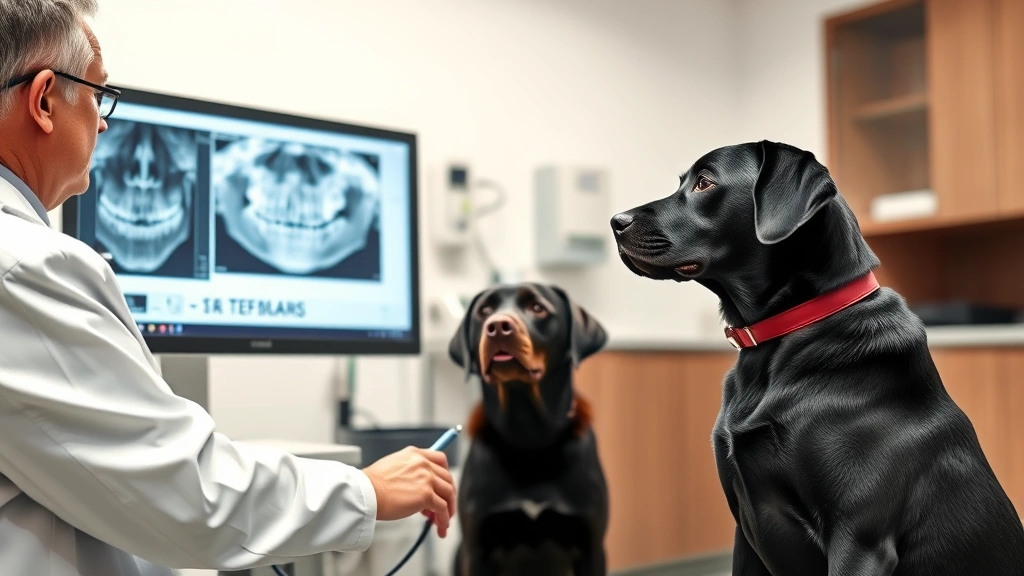
First, your vet will examine your dog’s mouth and may take dental X-rays to assess the severity of the disease. Blood work might be recommended to check kidney and liver function, since these organs process medications. Your dog’s age, weight, and medical history all factor into the decision.
Once your vet has this information, they’ll recommend specific medications tailored to your dog’s needs. This personalized approach is why you should never give your dog medication prescribed for another pet, even if they seem to have the same problem.
Understanding Antibiotic Therapy for Dental Infections
Antibiotics are often the first line of defense against bacterial infections caused by dental disease. Common choices include amoxicillin, doxycycline, and clindamycin, though your vet may recommend others based on the type of bacteria present.
The duration of antibiotic treatment typically ranges from one to four weeks, depending on the severity of the infection and how your dog responds. It’s crucial to give the full course of antibiotics exactly as prescribed, even if your dog seems better after a few days.
Stopping antibiotics early can allow bacteria to develop resistance, making future infections harder to treat. Your vet will tell you exactly how long to continue treatment and what to watch for during this time.

Pain Management and Anti-Inflammatory Options
Dogs with dental disease often experience significant pain, especially when eating or chewing. Pain management medications help your dog feel more comfortable while the infection heals and before professional dental cleaning can be performed.
Nonsteroidal anti-inflammatory drugs (NSAIDs) are commonly recommended because they address both pain and inflammation. These medications help reduce swelling in the gums, which improves blood flow and supports healing.
Your vet may also recommend other pain relief options depending on your dog’s specific needs. The goal is to keep your pup comfortable while treating the underlying infection and preventing further damage to teeth and supporting structures.
What to Expect During Medication Treatment
When you start your dog on medication for dental disease, you should begin noticing improvements within the first week or two. Your dog may start eating better, seem less irritable, and show signs of reduced discomfort.
However, medication alone won’t cure dental disease. Professional dental cleaning under anesthesia is usually necessary to remove tartar, treat infected teeth, and restore your dog’s oral health. Think of medication as a bridge to get your dog comfortable enough for that procedure.
During treatment, watch for any side effects like vomiting, diarrhea, or loss of appetite. If you notice anything unusual, contact your vet right away. Catching this early puts you in a great position to prevent serious complications.
Potential Side Effects and Safety Considerations
Like all medications, those used to treat dental disease can cause side effects in some dogs. The most common are mild gastrointestinal upset, including nausea or diarrhea, especially with antibiotics.
NSAIDs can occasionally cause more serious side effects, particularly in older dogs or those with kidney or liver disease. This is why blood work before starting treatment is so important—it helps your vet identify any risk factors.
Never give your dog medication without veterinary guidance, and always report any concerning symptoms immediately. Your vet needs to know about side effects so they can adjust the treatment plan if needed.
Home Care During Medication Treatment
While medication works to fight infection and manage pain, you play a crucial role in supporting your dog’s recovery at home. Here’s what you can do:
- Give medications exactly as prescribed—set phone reminders if it helps you stay on schedule
- Offer soft food if your dog has trouble chewing; ask your vet for recommendations
- Avoid hard toys and chews that could irritate healing gums
- Monitor your dog’s appetite and behavior and report changes to your vet
- Keep up with dental hygiene by brushing teeth gently if your dog tolerates it
These simple steps complement your vet’s medication plan and help set your dog up for the best possible outcome.
Professional Dental Cleaning and Medication Timing
Most dogs with dental disease will need professional dental cleaning under anesthesia. Your vet may start medication before the procedure to reduce infection and inflammation, making the cleaning safer and more effective.
The medication also helps manage pain after the procedure. Some vets continue antibiotics for a period after cleaning to prevent new infections from developing in the cleaned areas.
Your vet will create a timeline that makes sense for your dog’s specific situation. If you’re unsure whether your pet needs urgent care or when to schedule that dental cleaning, ask a vet online for guidance.
Long-Term Dental Health and Medication Prevention
Once your dog’s acute dental disease is treated, preventing recurrence becomes the goal. Regular dental checkups, professional cleanings as recommended by your vet, and daily tooth brushing can significantly reduce the need for future medication.
Some dogs may need periodic antibiotic therapy if dental disease returns, but many dogs do well with preventive care alone. Your vet will recommend a schedule for checkups and cleanings based on your dog’s individual risk factors.
Prevention is always easier and less expensive than treating advanced dental disease, so establishing good habits now pays off for years to come.
When to Contact Your Veterinarian About Medication Concerns
Don’t wait to reach out if you have questions or concerns about your dog’s medication. Contact your vet immediately if you notice:
- Severe vomiting or diarrhea
- Loss of appetite lasting more than a day
- Lethargy or unusual behavior
- Difficulty swallowing
- Signs of allergic reaction like facial swelling or hives
- Worsening bad breath or visible discharge from the mouth
If you’re unsure whether something warrants a call, erring on the side of caution is always the right choice. If you are unsure whether your pet needs urgent care, a quick telehealth check-in can give you peace of mind—no appointment needed.
Frequently Asked Questions
How long does a dog need to take medication for dental disease?
The duration depends on the severity of the infection and your dog’s response to treatment. Antibiotics typically last one to four weeks, while pain medications may be given for shorter periods. Your vet will provide specific instructions for your dog.
Can I brush my dog’s teeth while they’re on dental medication?
Gentle brushing is usually fine and can actually support healing, but avoid aggressive brushing if the gums are very inflamed. Ask your vet for specific guidance based on your dog’s condition.
What happens if my dog doesn’t respond to medication?
If your dog isn’t improving after a week or two, contact your vet. They may need to adjust the medication, perform additional diagnostics, or schedule professional dental cleaning sooner than originally planned.
Is dental disease medication safe for senior dogs?
Senior dogs can safely take dental disease medications, but your vet will likely do blood work first to ensure kidney and liver function are adequate. Dosing may be adjusted based on these results.
Can dental disease medication prevent the need for dental cleaning?
Medication can manage infection and pain, but professional dental cleaning is usually necessary to remove tartar and treat severely affected teeth. Medication prepares your dog for this procedure rather than replacing it.
What To Do Now
If your dog has been diagnosed with dental disease, here are your next steps:
- Schedule a consultation with your veterinarian to discuss medication options and create a treatment plan tailored to your dog’s needs
- Ask about blood work to ensure your dog can safely take the recommended medications
- Get clear instructions on medication dosing, frequency, and duration—write them down or take a photo for reference
- Discuss the timeline for professional dental cleaning and how medication fits into the overall treatment plan
- Set up a reminder system to ensure you give medications on schedule and don’t miss any doses
Summary: Taking Control of Your Dog’s Dental Health
Understanding the dog dental disease medication dosage guide your vet recommends puts you in the driver’s seat when it comes to your dog’s oral health. Medication is a crucial tool for managing infection, controlling pain, and preparing your dog for professional dental care.
Remember that every dog is unique, and what works for one pup may not be ideal for another. Your veterinarian’s personalized approach, combined with your commitment to home care and follow-up appointments, gives your dog the best chance at a healthy mouth and a long, happy life.
Don’t hesitate to reach out to your vet with questions or concerns. If you need quick guidance on whether your dog needs immediate attention, an online dog vet consultation can connect you with a professional who understands your dog’s unique situation. Your dog’s health is worth the investment in proper care today.