
If your dog has bad breath, red gums, or seems uncomfortable while eating, you’re likely dealing with dog dental disease natural remedies that can genuinely help—but only when paired with professional guidance. Dental disease in dogs is incredibly common, affecting about 80% of dogs over the age of three, yet many pet owners don’t realize how serious it can become if left untreated.
Table of Contents
- Understanding Dog Dental Disease: Why It Matters
- The Role of Natural Remedies in Managing Dental Health
- Coconut Oil: A Natural Antimicrobial Wonder
- Raw or Cooked Bones and Chewing: Nature’s Toothbrush
- Probiotics: Supporting Oral Microbiome Balance
- Dietary Adjustments: Nutrition That Supports Teeth
- Herbal Rinses and Turmeric: Anti-Inflammatory Power
- Water Additives and Hydration: Simple But Effective
- Tooth Brushing: The Gold Standard of Prevention
- When Natural Remedies Aren’t Enough: Professional Care
- Combining Approaches: Your Complete Dental Health Plan
- Red Flags: When to Seek Immediate Veterinary Care
- Frequently Asked Questions
- What To Do Now
- Summary: Taking Control of Your Dog’s Dental Health
This article is for informational purposes only and is not a substitute for professional veterinary advice. Always consult a licensed veterinarian for diagnosis and treatment.
The good news? You’re not powerless. While no natural remedy can replace professional dental cleaning, there are evidence-based approaches that can support your dog’s oral health and slow the progression of dental disease. Let’s explore what actually works and what you need to know to protect your best friend’s teeth.
Understanding Dog Dental Disease: Why It Matters
Dental disease in dogs starts with plaque buildup on the teeth. Over time, this hardens into tartar, which irritates the gums and leads to inflammation and infection. What many pet owners don’t realize is that untreated dental disease can affect far more than just the mouth—bacteria can enter the bloodstream and damage the heart, kidneys, and liver.
The early stages are often called gingivitis, where gums become red and swollen. If it progresses to periodontitis, the bone supporting the teeth deteriorates, and teeth can fall out. Catching this early puts you in a great position to help with both preventive care and natural remedies.
Understanding the severity helps you take action now rather than waiting for an emergency dental extraction down the road.
The Role of Natural Remedies in Managing Dental Health
Natural remedies can be powerful supporters of dental health, but they work best as part of a comprehensive approach. Think of them as tools in your toolkit—helpful for prevention and maintenance, but not substitutes for professional veterinary care when disease is already present.
The most effective dog dental disease natural remedies focus on reducing inflammation, fighting bacteria, and encouraging healthy chewing habits. Some have centuries of use in traditional medicine, while others are backed by modern veterinary research.
Before starting any natural remedy, it’s wise to check with your vet, especially if your dog is on medications or has existing health conditions.
Coconut Oil: A Natural Antimicrobial Wonder
Coconut oil contains lauric acid, which has antimicrobial and anti-inflammatory properties that may help reduce harmful bacteria in the mouth. Many pet owners report that adding small amounts of coconut oil to their dog’s diet or applying it directly to the gums shows promising results.
To use coconut oil safely: Start with tiny amounts (about 1/4 teaspoon for small dogs, up to 1 teaspoon for large dogs) mixed into food or applied directly to gums. Some dogs enjoy coconut oil on their paws, which they’ll lick off naturally.
The key is consistency—benefits typically show over several weeks of regular use. Monitor your dog for any digestive upset, as coconut oil can cause loose stools in sensitive dogs.
Raw or Cooked Bones and Chewing: Nature’s Toothbrush
Appropriate chewing helps mechanically remove plaque and tartar from teeth while strengthening gums. Raw meaty bones (under strict supervision) or cooked knuckle bones can provide this natural cleaning action. However, safety is paramount here.
Safe chewing options include:
- Raw meaty bones (chicken necks, beef knuckles) under close supervision—never leave unattended
- Cooked knuckle bones (never cooked chicken or small bones that splinter)
- Dental chew toys designed to reduce plaque
- Rope toys for supervised play
Always supervise your dog during chewing sessions and remove bones if they become small enough to swallow. If your dog has existing dental disease or loose teeth, consult your vet before introducing hard chewing items.
Probiotics: Supporting Oral Microbiome Balance
Emerging research suggests that oral probiotics—beneficial bacteria—may help prevent harmful bacteria from colonizing the mouth. Specific strains like Lactobacillus and Bifidobacterium have shown promise in supporting gum health and reducing inflammation.
Probiotics designed for pets can be added to food daily and may take several weeks to show effects. Look for products specifically formulated for dogs, as human probiotics may not contain the right strains for canine oral health.
This approach works best as prevention or early intervention, not as a treatment for advanced dental disease.
Dietary Adjustments: Nutrition That Supports Teeth
What your dog eats directly impacts dental health. Dry kibble, especially larger pieces, provides more mechanical cleaning action than wet food. Additionally, certain nutrients support gum strength and reduce inflammation.
Nutrients that support dental health:
- Omega-3 fatty acids (fish oil, flaxseed)—reduce inflammation in gums
- Vitamin C—supports collagen in gum tissue
- Zinc—promotes healing and immune function
- Calcium and phosphorus—essential for tooth structure
Consider adding fish oil supplements (appropriate dosing for your dog’s size) or feeding whole foods like salmon or sardines a few times weekly. Always introduce dietary changes gradually and discuss with your vet, especially if your dog has kidney disease or other health conditions.
Herbal Rinses and Turmeric: Anti-Inflammatory Power
Turmeric contains curcumin, a powerful anti-inflammatory compound that may reduce gum swelling and fight bacteria. Some veterinarians recommend diluted turmeric rinses or small amounts mixed into food for dogs with early gingivitis.
A simple approach: Mix 1/4 teaspoon of turmeric powder with a tablespoon of coconut oil, then apply a tiny amount to affected gums with your finger. Alternatively, add a pinch to your dog’s food (starting small to see tolerance).
Herbal rinses using chamomile or calendula tea (cooled) can also soothe inflamed gums. Dip a soft cloth in the cooled tea and gently rub along the gumline. These remedies work best for mild inflammation, not advanced disease.
Water Additives and Hydration: Simple But Effective
Staying hydrated naturally helps flush bacteria from the mouth. Some pet owners use dental water additives that contain enzymes or antimicrobial compounds designed to reduce plaque buildup.
These additives are added to your dog’s drinking water daily and work passively as your dog drinks. They’re particularly useful for dogs who resist tooth brushing or other active interventions. Results typically appear over 4-8 weeks of consistent use.
Ensure your dog always has access to fresh water, as hydration supports overall oral health and helps prevent dry mouth, which can worsen bacterial growth.
Tooth Brushing: The Gold Standard of Prevention
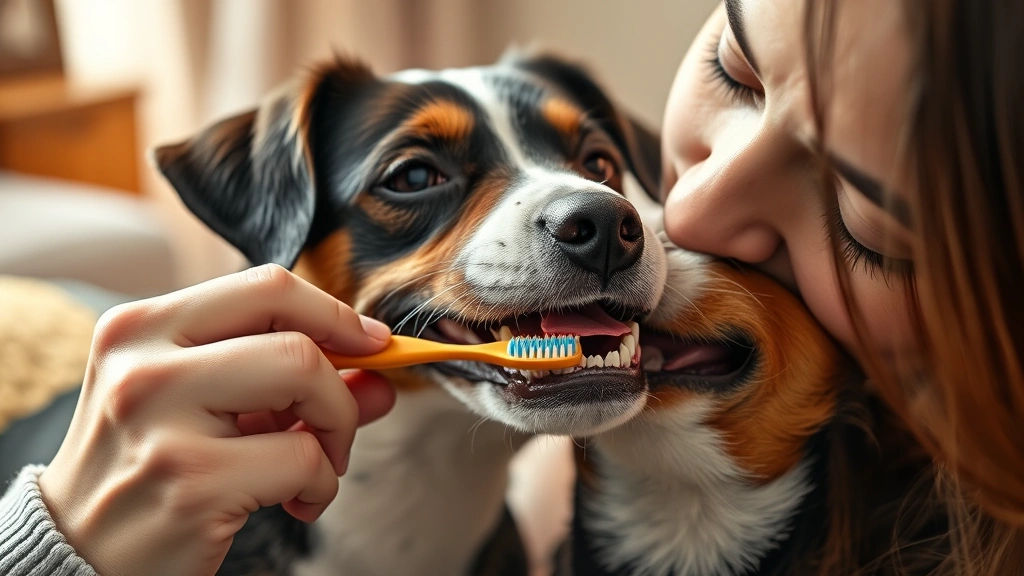
While not strictly a “natural” remedy, tooth brushing remains the most effective way to prevent dental disease. Daily brushing removes plaque before it hardens into tartar and is far more effective than any supplement or rinse.
To start brushing your dog’s teeth: Use a soft-bristled toothbrush and dog-specific toothpaste (never human toothpaste—it contains fluoride that’s harmful if swallowed). Begin with just a few seconds, focusing on the outer surfaces of teeth where plaque accumulates most.
Make it positive with treats and praise. Even 3-4 times weekly is better than nothing, though daily is ideal. Many dogs adapt surprisingly well when introduced gradually and with patience.
When Natural Remedies Aren’t Enough: Professional Care
Natural remedies shine as preventive tools and for managing early-stage gingivitis. However, once tartar has formed or signs of periodontitis appear, professional veterinary dental cleaning becomes necessary. This is where a licensed vet can assess the full extent of disease and recommend appropriate treatment.
Professional cleanings remove tartar below the gumline where home remedies can’t reach and allow your vet to identify teeth that may need extraction. Catching disease early means less invasive treatment and better long-term outcomes.
If you’re uncertain whether your dog needs professional evaluation, a quick telehealth check-in can give you peace of mind—no appointment needed. Ask a Vet Online to discuss your dog’s specific situation and get professional guidance on whether natural remedies alone are appropriate or if professional care is warranted.
Combining Approaches: Your Complete Dental Health Plan
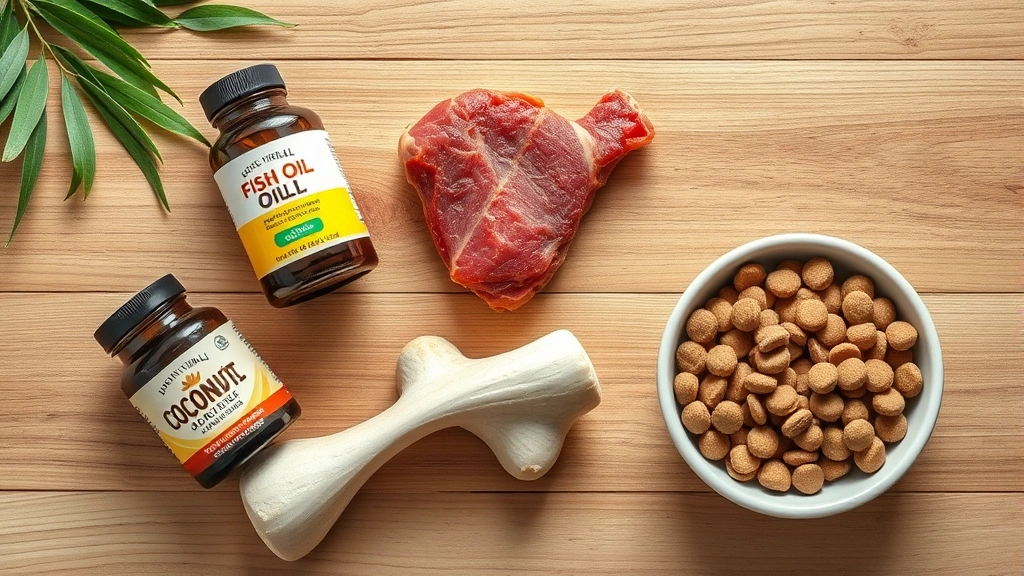
The most successful approach combines multiple strategies. For example: daily tooth brushing + coconut oil supplementation + appropriate chewing + dietary omega-3s + regular vet checkups creates a powerful defense against dental disease.
Start with one or two interventions and build from there. This prevents overwhelm and lets you observe which remedies your dog responds to best. Consistency matters far more than complexity—a simple routine you stick to beats an elaborate plan you abandon.
Document changes you notice: fresher breath, pinker gums, improved eating comfort. These observations help your vet assess whether your approach is working or if additional intervention is needed.
Consider scheduling Virtual Dog Vet Appointments every 6-12 months to monitor progress and adjust your plan as needed.
Red Flags: When to Seek Immediate Veterinary Care
While natural remedies support dental health, certain signs demand immediate professional evaluation. Don’t wait if you notice: severe bad breath accompanied by lethargy, difficulty eating or drooling excessively, swelling of the face or jaw, or bleeding gums.
These could indicate advanced infection that may have spread beyond the mouth. Abscessed teeth or severe periodontitis require professional intervention and sometimes antibiotics or extraction.
When in doubt, it’s better to have your vet assess than to assume natural remedies will resolve serious disease. Early professional intervention often prevents more painful and expensive problems down the road.
Frequently Asked Questions
Can natural remedies cure existing dental disease?
Natural remedies can slow progression and manage symptoms of early gingivitis, but they cannot reverse tartar buildup or cure periodontitis. Professional dental cleaning is necessary once disease has advanced.
How long before I see results from natural remedies?
Most natural approaches take 4-8 weeks of consistent use to show visible improvement in breath, gum color, or eating comfort. Patience and consistency are essential.
Is coconut oil safe for all dogs?
Coconut oil is generally safe in small amounts, but some dogs experience digestive upset. Start with tiny quantities and monitor your dog’s stools. Avoid if your dog has pancreatitis or is overweight.
Can I skip professional dental cleanings if I use natural remedies?
Natural remedies support prevention and early management but cannot replace professional cleanings for dogs with existing tartar or periodontitis. Your vet can advise if professional cleaning is needed.
What’s the best natural remedy to start with?
Tooth brushing is the single most effective approach, followed by dietary adjustments (adding omega-3s) and appropriate chewing toys. These three create a strong foundation for dental health.
What To Do Now
- Schedule a veterinary assessment: Have your vet examine your dog’s teeth and gums to determine the current stage of dental health. This baseline helps you track progress and know if professional cleaning is needed. Ask a Vet Online for initial guidance if you’re unsure about the urgency.
- Start with one natural remedy: Choose one approach (tooth brushing, coconut oil, or dietary omega-3s) and commit to it for at least 4-6 weeks. This prevents overwhelm and lets you assess effectiveness before adding more interventions.
- Implement daily tooth brushing: Invest in a dog toothbrush and enzymatic toothpaste. Begin with short sessions (15-30 seconds) focused on the outer tooth surfaces. Make it a positive experience with treats and praise.
- Adjust diet strategically: Add fish oil or feed omega-3-rich foods like salmon 2-3 times weekly. Ensure your dog eats quality dry kibble that provides mechanical cleaning. Discuss dietary changes with your vet if your dog has health conditions.
- Monitor and follow up: Track changes in breath, gum appearance, and eating comfort. Schedule follow-up Virtual Dog Vet Appointments every 6-12 months to assess progress and ensure your approach is working. Adjust your plan based on professional feedback.
Summary: Taking Control of Your Dog’s Dental Health
Dog dental disease natural remedies offer real support for prevention and early-stage management, but they work best as part of a comprehensive strategy that includes professional veterinary care. Coconut oil, appropriate chewing, dietary adjustments, probiotics, and tooth brushing all have evidence supporting their benefits—and many pet owners see genuine improvements when they commit consistently.
The most important takeaway: start early and stay consistent. Prevention is far easier and less expensive than treating advanced dental disease. Your dog’s teeth are essential for eating, comfort, and overall health, making dental care one of the most impactful investments you can make in their wellbeing.
You’re already ahead by seeking information and exploring options. Now take that first step—whether it’s scheduling a vet check, buying a toothbrush, or adding omega-3s to your dog’s diet. Your dog will thank you with fresher breath, healthier gums, and years of comfortable eating ahead.