
Noticing your dog’s breath smells like a garbage disposal? That could be one of the first warning signs that dog dental disease when to see a vet becomes urgent. Bad breath, bleeding gums, and difficulty eating are all red flags that shouldn’t be ignored—and catching them early can save your pup from serious pain and costly procedures down the road.
Table of Contents
- Understanding Dog Dental Disease and Why It Matters
- Sign #1: Persistent Bad Breath That Won’t Go Away
- Sign #2: Visible Tartar, Discoloration, or Swelling on Teeth and Gums
- Sign #3: Difficulty Eating, Dropping Food, or Pawing at the Mouth
- Sign #4: Loose, Broken, or Missing Teeth
- Sign #5: Excessive Drooling or Discharge from the Mouth
- Sign #6: Behavioral Changes Like Irritability or Withdrawn Behavior
- Sign #7: Facial Swelling or Lumps Around the Jaw Area
- When to Seek Immediate vs. Routine Veterinary Care
- What Happens During a Dental Exam at the Vet
- Prevention: The Best Defense Against Dental Disease
- The Connection Between Dental Health and Overall Wellness
- Frequently Asked Questions
- What To Do Now
- Summary: Taking Action on Dog Dental Disease
This article is for informational purposes only and is not a substitute for professional veterinary advice. Always consult a licensed veterinarian for diagnosis and treatment.
Understanding Dog Dental Disease and Why It Matters
Dog dental disease is one of the most common health problems in pets, yet many owners don’t realize how serious it can become. Plaque and tartar buildup on your dog’s teeth can lead to gum infection, tooth decay, and even bone loss if left untreated.
What makes this condition particularly tricky is that it often develops silently. Your dog might not show obvious signs until the disease has progressed significantly. This is why knowing when to seek veterinary care is absolutely critical.
Sign #1: Persistent Bad Breath That Won’t Go Away
If your dog’s breath is noticeably foul—beyond the typical “dog breath” smell—this could indicate bacterial growth in the mouth. Bad breath is often the earliest warning sign of dental problems.
A quick sniff test can tell you a lot. Does their breath smell like rotting food or have a sour, unpleasant odor? That’s your cue to schedule a vet visit soon. Catching this early puts you in a great position to help.
Sign #2: Visible Tartar, Discoloration, or Swelling on Teeth and Gums
Take a peek inside your dog’s mouth when they’re relaxed. Healthy gums should be pink, and teeth should be white or slightly off-white. Brown or yellow buildup on the teeth is tartar, which harbors bacteria and needs professional removal.
Swollen, red, or bleeding gums are also warning signs. If you notice your dog’s gums look inflamed or bleed when they chew, don’t wait—schedule a veterinary exam. These symptoms suggest active infection.
Sign #3: Difficulty Eating, Dropping Food, or Pawing at the Mouth
Dogs in dental pain often change how they eat. You might notice them chewing on only one side of their mouth, dropping kibble, or taking longer to finish meals. Some dogs may avoid hard food altogether and only eat soft treats.
Pawing at the mouth or face repeatedly is another classic sign your dog is experiencing oral discomfort. These behavioral changes shouldn’t be dismissed as picky eating—they’re pain signals. Your dog is telling you something hurts.
Sign #4: Loose, Broken, or Missing Teeth
Loose or fractured teeth are serious red flags. A tooth that moves when you gently touch it, or one that’s visibly cracked or broken, needs immediate veterinary attention. These teeth are at risk of infection and may need extraction.
Missing teeth in younger dogs (especially if you haven’t had them professionally removed) suggest disease progression. Don’t assume it fell out naturally—schedule an exam to understand what’s happening.
Sign #5: Excessive Drooling or Discharge from the Mouth
While some dogs naturally drool more than others, a sudden increase in drooling or the presence of bloody or pus-like discharge is concerning. This could indicate a serious infection or abscess forming in the mouth.
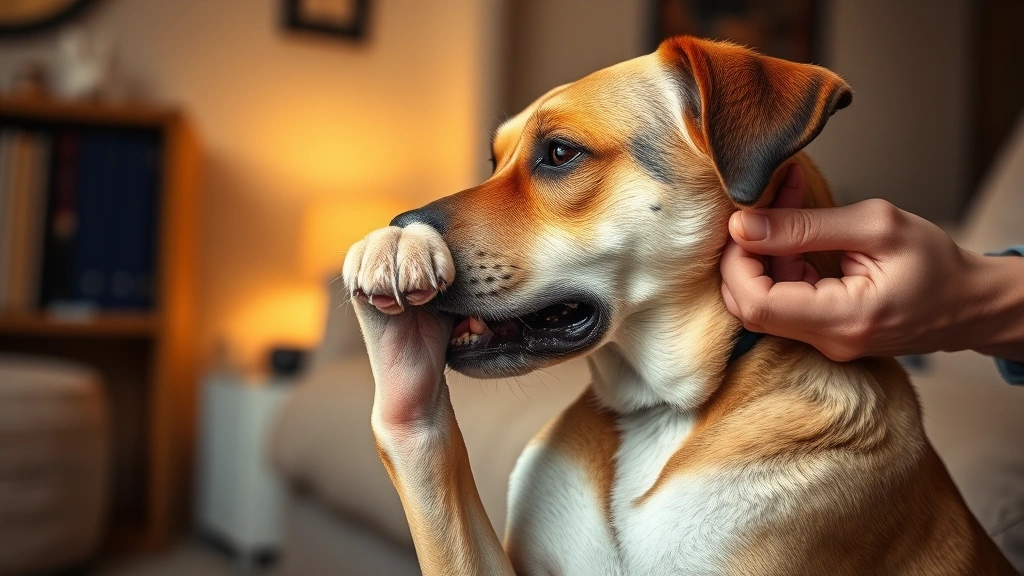
If you notice your dog’s chin or the area around their mouth is wet or matted more than usual, or if there’s a foul smell accompanying the drooling, contact your vet promptly. This combination suggests infection that needs treatment.
Sign #6: Behavioral Changes Like Irritability or Withdrawn Behavior
Dental pain can make even the sweetest dog irritable or withdrawn. You might notice your normally playful pup seems less interested in toys, games, or social interaction. Some dogs become snappy when their face is touched.
Pain has a profound effect on mood and behavior. If your dog seems off—quieter, grumpier, or less engaged than usual—dental disease could be the culprit. Don’t overlook these subtle shifts.
Sign #7: Facial Swelling or Lumps Around the Jaw Area
Swelling on the face, cheek, or jaw line is a sign that infection has progressed beyond the tooth itself. This could indicate an abscess or serious infection spreading to surrounding tissues.
Facial swelling is not something to monitor at home—it requires urgent veterinary evaluation. In some cases, systemic infection can develop if left untreated. Getting your dog examined quickly is essential.
When to Seek Immediate vs. Routine Veterinary Care
Seek immediate care if your dog has:
- Facial swelling or lumps
- Difficulty breathing or swallowing
- Bloody discharge from the mouth
- Signs of severe pain (whimpering, refusing to eat)
- Fever or lethargy
Schedule a routine appointment if your dog has:
- Bad breath that’s worsening
- Mild gum inflammation
- Visible tartar buildup
- Slight difficulty chewing
- Changes in eating habits
If you’re unsure whether your pet needs urgent care, a quick telehealth check-in can give you peace of mind—no appointment needed. Talk to a vet now to get professional guidance from home.
What Happens During a Dental Exam at the Vet
When you bring your dog in, the vet will perform a thorough oral examination. They’ll check for tartar, gum disease, loose teeth, and signs of infection. Many vets will recommend dental X-rays to assess the health of the teeth below the gum line.
Based on what they find, your vet might recommend a professional cleaning, extractions, antibiotics, or other treatments. The good news? Professional dental care can stop disease progression and prevent future problems.
For more information on supportive care options, explore dog dental disease natural remedies that can complement professional treatment.
Prevention: The Best Defense Against Dental Disease
The easiest way to avoid dealing with advanced dental disease is to prevent it in the first place. Regular dental care at home makes a huge difference.
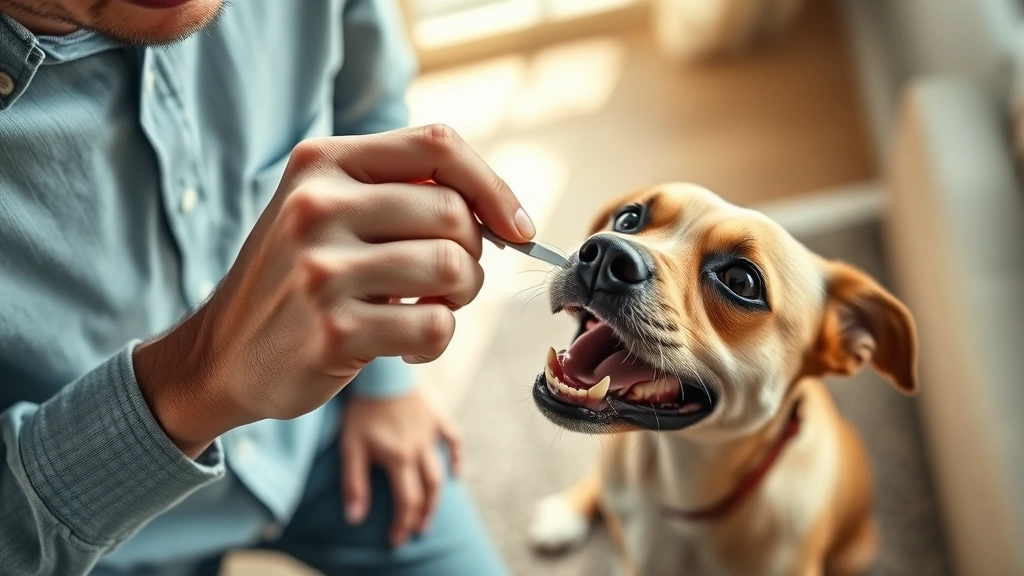
Prevention tips include:
- Brush your dog’s teeth daily or at least 3-4 times per week with dog-specific toothpaste
- Offer dental chews or toys designed to reduce tartar buildup
- Schedule annual professional cleanings with your vet
- Feed a balanced diet—ask your vet about dental-health-focused kibble
- Avoid hard objects that can crack teeth, like bones or hard plastic toys
Starting these habits early sets your dog up for a lifetime of healthier teeth and gums.
The Connection Between Dental Health and Overall Wellness
Many pet owners don’t realize that dental disease doesn’t stay isolated in the mouth. Bacteria from infected teeth can enter the bloodstream and affect the heart, kidneys, and liver. This is why dental health is truly foundational to your dog’s overall wellbeing.
If your dog is experiencing other health issues like loss of appetite, consider whether dental pain might be playing a role. Talk to a vet about your dog not eating to rule out dental disease as a contributing factor.
Frequently Asked Questions
How often should I have my dog’s teeth professionally cleaned?
Most dogs benefit from annual professional cleanings, though some may need them more frequently depending on breed, age, and individual risk factors. Your vet can recommend the right schedule for your dog.
Can dental disease be reversed?
Early-stage gum disease can sometimes be managed and prevented from worsening with professional cleaning and at-home care. However, advanced disease with bone loss cannot be fully reversed—prevention is key.
Is anesthesia safe for older dogs during dental cleaning?
Modern anesthesia is very safe, even for senior dogs. Your vet will perform pre-anesthetic bloodwork to assess kidney and liver function. The risks of untreated dental disease often outweigh anesthesia concerns.
What’s the difference between plaque and tartar?
Plaque is a soft film of bacteria that forms daily on teeth. Tartar is hardened plaque that’s stuck to the tooth surface and can only be removed professionally. Brushing removes plaque before it hardens.
Can I use human toothpaste on my dog?
No—human toothpaste contains fluoride and other ingredients that can be harmful if swallowed. Always use veterinary-approved dog toothpaste, which is formulated to be safe if ingested.
What To Do Now
- Inspect your dog’s mouth today. Gently lift their lips and look at their teeth and gums. Note any discoloration, swelling, or odor.
- Schedule a veterinary exam. If you noticed any of the seven signs listed above, call your vet or use The Pet Vet’s telehealth service for a quick initial assessment.
- Start a dental care routine. Pick up dog-specific toothpaste and a soft toothbrush. Aim to brush your dog’s teeth at least 3-4 times per week.
- Ask your vet about dietary adjustments. Some foods and treats are specifically designed to support dental health—your vet can recommend options for your dog.
- Set a reminder for annual cleanings. Mark your calendar for your dog’s yearly dental checkup to catch problems early.
Summary: Taking Action on Dog Dental Disease
Dog dental disease is preventable and manageable when caught early. Bad breath, visible tartar, difficulty eating, loose teeth, excessive drooling, behavioral changes, and facial swelling are all signs that warrant a vet visit. The sooner you address these issues, the better the outcome for your dog.
Don’t let dental disease progress silently. Your dog depends on you to notice these warning signs and take action. Whether you schedule an in-person appointment or start with a telehealth consultation, getting professional eyes on your dog’s mouth is the first step toward better oral health and overall wellness.
Your dog’s comfort and health are worth the effort. Start today, and you’ll be giving your pup the gift of a healthier, happier life.