
If your dog has been diagnosed with diabetes, you’re probably feeling overwhelmed by all the dietary changes ahead. The good news? Understanding which dog diabetes foods to avoid is one of the most powerful tools you have to help manage your pup’s condition and improve their quality of life. When you know what’s off-limits, you can make confident choices that keep blood sugar stable and reduce the strain on your dog’s pancreas.
Table of Contents
- Why Diet Matters So Much for Diabetic Dogs
- The 7 Most Dangerous Ingredients in Dog Diabetes Foods to Avoid
- Reading Labels: Your Secret Weapon Against Hidden Dangers
- What Your Vet Might Recommend Instead
- Common Mistakes Pet Owners Make with Diabetic Dog Diets
- Managing Treats and Special Occasions
- Transitioning to a Diabetic-Friendly Diet
- When to Seek Professional Help
- Supporting Your Dog’s Overall Health Beyond Diet
- Frequently Asked Questions
- What To Do Now
- Final Thoughts: You’ve Got This
This article is for informational purposes only and is not a substitute for professional veterinary advice. Always consult a licensed veterinarian for diagnosis and treatment.
Why Diet Matters So Much for Diabetic Dogs
Managing canine diabetes isn’t just about insulin injections—it’s about creating a complete lifestyle that supports your dog’s body. The foods your dog eats directly impact blood glucose levels, weight management, and how well their pancreas functions. When you feed a diabetic dog the wrong ingredients, you’re essentially working against the treatment plan your vet has set up.
A well-managed diet can sometimes even lead to remission in some dogs, especially when caught early. That’s how significant nutrition is in this journey.

The 7 Most Dangerous Ingredients in Dog Diabetes Foods to Avoid
1. High-Glycemic Carbohydrates and Refined Grains
Refined carbohydrates like white rice, wheat flour, and corn meal cause rapid blood sugar spikes in diabetic dogs. These ingredients are metabolized quickly, flooding the bloodstream with glucose and forcing the pancreas to work overtime.
Look for foods listing corn, wheat, or white rice as primary ingredients—these are red flags. Instead, your vet may recommend low-glycemic alternatives or grain-free options that won’t trigger dramatic blood sugar swings.
2. Added Sugars and Sweeteners
This one seems obvious, but many commercial dog foods hide sugars under different names. Corn syrup, molasses, honey, and even some “natural” sweeteners can wreak havoc on your diabetic dog’s glucose levels.

Some artificial sweeteners like xylitol are also toxic to dogs and can cause severe liver damage. Always read ingredient labels carefully—if you see any sweetening agent listed, skip that food.
3. Low-Quality Protein Sources
Diabetic dogs need high-quality, easily digestible protein to maintain muscle mass and stable energy. Cheap fillers like meat by-products, bone meal, and undefined “meat and bone meal” don’t provide the nutritional support your dog needs.
Quality matters here. Look for named protein sources like chicken, beef, or fish—not vague terms that hide what you’re actually feeding your pup.

4. Trans Fats and Low-Quality Oils
Oxidized fats and low-quality vegetable oils promote inflammation, which complicates diabetes management. Some commercial kibbles use cheap oils that have been sitting in warehouses for months, degrading in quality.
Healthy fats from fish oil or chicken fat are what you want. Avoid foods with “animal fat” listed without specification or those containing partially hydrogenated oils.
5. Excessive Sodium and Salt
High sodium intake can increase thirst and urination in diabetic dogs, making blood sugar monitoring more difficult. It also stresses the kidneys, which are already working hard in diabetic dogs.

Compare sodium levels across brands. Your vet can recommend appropriate sodium ranges for your specific dog.
6. Fillers and Empty Calories
Ingredients like cellulose, soy, and excessive fiber without nutritional value just add bulk without supporting your dog’s health. These fillers often come from cheap plant sources that don’t align with a diabetic dog’s nutritional needs.
Your dog needs nutrient-dense food, not volume. Quality over quantity is the mantra here.
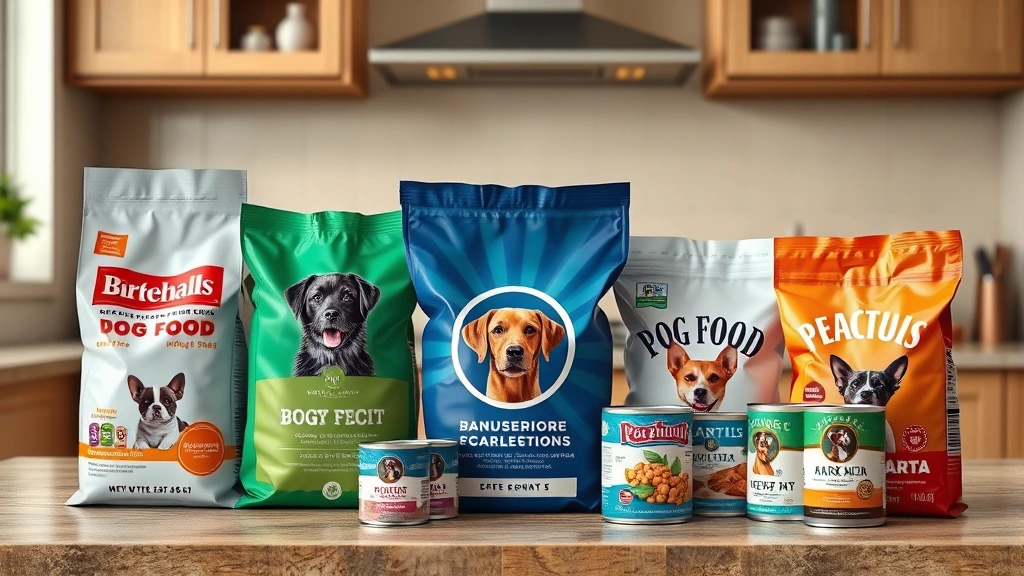
7. Certain Fruits and Vegetables High in Natural Sugars
While fruits and vegetables are generally healthy, some contain higher natural sugar content that can affect blood glucose levels. Raisins, grapes, bananas, and corn should be avoided or given only under veterinary guidance.
Carrots, green beans, and leafy greens are typically safer options, but portion control still matters.
Reading Labels: Your Secret Weapon Against Hidden Dangers
Learning to read pet food labels is like gaining X-ray vision for your dog’s nutrition. The ingredient list is ordered by weight, so the first few ingredients matter most. If you see sugar, corn, or wheat in the top five ingredients, that food isn’t appropriate for a diabetic dog.
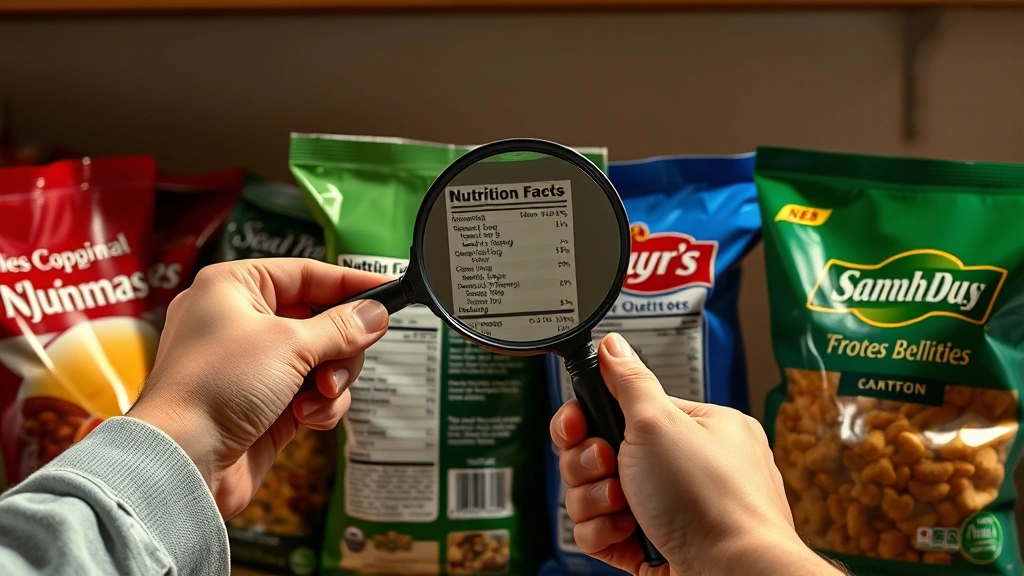
Look for the guaranteed analysis section, which shows protein, fat, and fiber percentages. Diabetic dogs typically thrive on higher protein, moderate fat, and controlled carbohydrate diets. Ask your vet for specific targets for your dog.
What Your Vet Might Recommend Instead
Most veterinarians recommend prescription diabetic dog foods or high-quality commercial diets specifically formulated for diabetes management. These foods are carefully balanced to support stable blood glucose and often include beneficial ingredients like chromium and L-carnitine.
Some vets also support home-cooked or raw diets for diabetic dogs, but this requires careful planning to ensure complete nutrition. Never switch your dog’s diet without discussing it with your veterinarian first—sudden changes can affect insulin requirements.

Common Mistakes Pet Owners Make with Diabetic Dog Diets
Many well-meaning owners accidentally sabotage their dog’s diabetes management by giving treats, table scraps, or “just a little” of forbidden foods. In diabetic dogs, consistency is critical—every meal and treat affects blood sugar levels.
Another common mistake? Mixing different brands or switching foods frequently. Consistency helps your vet adjust insulin doses accurately and lets you track what’s working.
Don’t forget about hidden sources of sugar either. Some medications, supplements, and even dental treats contain added sugars. Always check with your vet before introducing anything new.

Managing Treats and Special Occasions
Your diabetic dog doesn’t have to miss out on all treats—they just need the right ones. Meat-based treats with no added sugars, freeze-dried chicken, or plain green beans can satisfy that treat-giving urge without compromising blood sugar control.
If you’re celebrating a special occasion, talk to your vet first. Some vets can adjust insulin timing if you want to offer something special, but this should always be done under professional guidance.
Transitioning to a Diabetic-Friendly Diet
Switching your dog’s food should happen gradually over 7-10 days to avoid digestive upset. Mix increasing amounts of the new food with the old food, slowly reducing the old food proportion each day.

During this transition, monitor your dog’s blood glucose levels more frequently if you’re testing at home. Your vet may need to adjust insulin doses as the diet change takes effect.
When to Seek Professional Help
If your dog shows signs of unstable blood sugar—excessive thirst, frequent urination, lethargy, or sudden weight changes—contact your vet immediately. These could indicate that the current diet or insulin regimen needs adjustment. Catching these changes early puts you in a great position to help your pup.
If you’re unsure whether your pet needs urgent care or just want guidance on dietary choices, a quick telehealth check-in with The Pet Vet can give you peace of mind—no appointment needed. Our vets can review your dog’s current diet and answer questions about what to feed your diabetic companion.

Supporting Your Dog’s Overall Health Beyond Diet
While diet is crucial, remember that exercise, weight management, and stress reduction all play roles in diabetes management. A slightly overweight diabetic dog may require higher insulin doses, so maintaining a healthy weight through appropriate exercise and portion control matters tremendously.
Regular blood glucose monitoring, consistent meal timing, and routine vet checkups work together with proper nutrition to give your dog the best chance at a long, comfortable life.
Frequently Asked Questions
Can a diabetic dog ever eat normal dog food again?
Some dogs achieve diabetic remission with proper diet and management, but this requires strict adherence to a diabetic-friendly diet initially. Once your vet confirms remission, food choices may become slightly more flexible, but your dog will likely need to stay on a controlled diet long-term.

Is grain-free food better for diabetic dogs?
Grain-free doesn’t automatically mean better for diabetic dogs. What matters is the overall carbohydrate content and glycemic index, not whether grains are present. Some grain-free foods are high in other carbohydrates that spike blood sugar just as much. Work with your vet to choose based on carb content, not marketing claims.
How often should I feed a diabetic dog?
Most vets recommend feeding diabetic dogs twice daily, timed to coordinate with insulin injections. This consistency helps stabilize blood glucose levels and makes it easier to monitor your dog’s response to treatment.
What if my dog refuses the prescribed diabetic food?
Never force a food your dog won’t eat, as this can create negative associations. Talk to your vet about alternative options or ways to make the food more appealing. Sometimes adding warm water or a small amount of low-sodium broth helps.
Are homemade diets safe for diabetic dogs?
Homemade diets can work for diabetic dogs but require careful planning with a veterinary nutritionist to ensure complete and balanced nutrition. Never create a homemade diet without professional guidance, as nutritional imbalances can cause serious health problems.
What To Do Now
- Schedule a consultation with your vet to discuss your current dog food and get specific dietary recommendations tailored to your dog’s diabetes stage and overall health.
- Read your dog’s current food label and compare it against the dangerous ingredients listed in this article—identify what needs to change.
- Create a list of approved treats and foods to share with family members and caregivers so everyone feeding your dog makes safe choices.
- Set up a feeding schedule that coordinates with insulin injections and stick to it religiously for consistent blood glucose management.
- Bookmark resources like PetMD’s diabetes guide and your vet’s contact information so you can quickly reference information when questions arise.
Final Thoughts: You’ve Got This
Managing your diabetic dog’s diet feels overwhelming at first, but you’re already on the right path by educating yourself about dog diabetes foods to avoid. Every careful food choice you make is an investment in your dog’s health and happiness.
Your dog is lucky to have an owner who cares enough to learn these details. With the right diet, consistent monitoring, and your vet’s support, many diabetic dogs live wonderful, full lives for years after diagnosis.
Remember, you don’t have to navigate this alone. Your veterinary team is there to guide you, answer questions, and adjust the plan as needed. Understanding toxic foods is just one piece of the puzzle—combined with proper medical care and your dedication, you’re setting your dog up for success.
Start today by reviewing your dog’s current diet, and take that first step toward better diabetes management. Your pup is counting on you.