
Discovering that your dog has diabetes can feel overwhelming, but the good news is that dog diabetes home treatment combined with veterinary care can help your furry friend live a long, happy life. Many pet owners worry they won’t be able to manage their dog’s condition at home, but with the right approach, you’ll find that daily care becomes a manageable routine that strengthens your bond.
Table of Contents
- Understanding Canine Diabetes: What’s Really Happening
- Method 1: Consistent Meal Timing and Portion Control
- Method 2: Choose High-Quality, Low-Glycemic Diets
- Method 3: Master the Art of Insulin Administration
- Method 4: Implement Regular Exercise and Activity
- Method 5: Monitor Weight and Maintain Ideal Body Condition
- Method 6: Track Blood Sugar and Keep Detailed Records
- Method 7: Manage Stress and Create a Stable Environment
- Signs Your Dog May Need Immediate Veterinary Attention
- Working With Your Veterinarian: The Home Treatment Partnership
- Frequently Asked Questions
- What To Do Now
- Final Thoughts: You’ve Got This
This article is for informational purposes only and is not a substitute for professional veterinary advice. Always consult a licensed veterinarian for diagnosis and treatment.
Understanding Canine Diabetes: What’s Really Happening
When your dog is diagnosed with diabetes, their body struggles to regulate blood sugar levels. This happens because the pancreas isn’t producing enough insulin, or the body isn’t using insulin effectively. Think of insulin as a key that unlocks cells to absorb glucose for energy.
The most common form in dogs is Type 1 diabetes, where the pancreas simply can’t make enough insulin. Unlike humans, dogs rarely develop Type 2 diabetes. Understanding this distinction helps you approach home management with realistic expectations and proper support from your veterinary team.
Method 1: Consistent Meal Timing and Portion Control
One of the most powerful tools in dog diabetes home treatment is establishing a predictable feeding schedule. Feeding your dog at the same times each day—ideally synchronized with insulin administration—helps stabilize blood sugar levels and makes monitoring easier.
Here’s what works best:
- Feed your dog at the same times every single day (typically morning and evening)
- Measure portions using a kitchen scale rather than eyeballing
- Keep portions consistent—sudden changes can spike or drop blood sugar
- Allow your vet to guide portion sizes based on your dog’s weight and condition
Consistency is your secret weapon here. When meals happen at predictable times, you can better anticipate your dog’s energy levels and monitor for any changes in appetite or behavior.
Method 2: Choose High-Quality, Low-Glycemic Diets
The food you choose matters tremendously in managing your dog’s diabetes. High-quality, low-glycemic diets help prevent rapid blood sugar spikes and support better overall control. Many vets recommend prescription diabetic diets specifically formulated for this purpose.
When selecting food, look for:
- High protein content (helps maintain muscle mass)
- Low carbohydrate levels (reduces blood sugar fluctuations)
- Whole food ingredients rather than fillers
- Consistent nutrient profiles from batch to batch
Your veterinarian may recommend a specific brand or formulation. Following their guidance ensures your dog gets nutrition tailored to their diabetic needs. If you’re considering dietary changes, discuss them with your vet first—sudden diet switches can affect insulin requirements.
Method 3: Master the Art of Insulin Administration
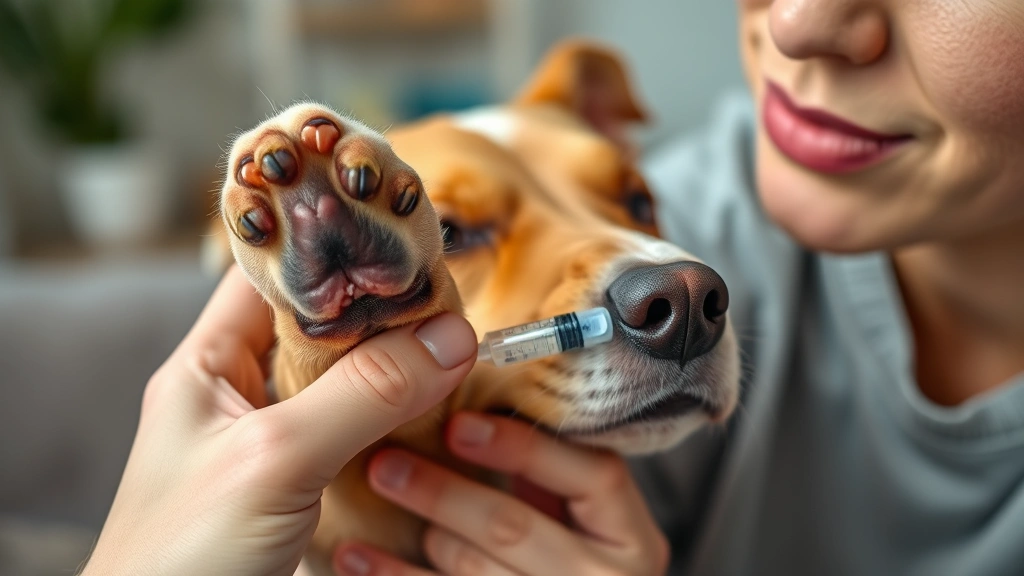
Giving insulin injections sounds intimidating, but most pet owners find it becomes second nature within days. Your veterinary team will show you exactly how to administer injections, and many practices offer hands-on demonstrations until you feel confident.
Key points for successful insulin management:
- Inject at the same times each day (usually with meals)
- Rotate injection sites to prevent lipohypertrophy (fatty lumps)
- Store insulin according to package instructions (many require refrigeration)
- Keep detailed records of injection times and any observations
- Never skip doses, even if your dog seems fine
Catching this early and establishing a solid injection routine puts you in a great position to help your dog thrive. Many pet owners report that the routine becomes comforting—a special bonding moment with their dog twice daily.
Method 4: Implement Regular Exercise and Activity
Physical activity is a natural blood sugar regulator. Regular, moderate exercise helps your dog’s body use insulin more effectively and maintain a healthy weight—crucial factors in diabetes management. You don’t need intense workouts; consistent, gentle activity works best.
Aim for:
- Daily walks at a steady pace (20-30 minutes, adjusted for your dog’s age and fitness)
- Playtime in a safe, enclosed area
- Swimming (excellent low-impact exercise)
- Consistency—same times and similar durations help regulate blood sugar
Watch for signs of low blood sugar during or after exercise, such as lethargy, confusion, or trembling. If you notice these symptoms, stop activity and offer a small amount of food. Your vet can advise on adjusting exercise based on your individual dog’s response.
Method 5: Monitor Weight and Maintain Ideal Body Condition
Obesity and diabetes go hand-in-hand—excess weight makes insulin resistance worse. Many dogs achieve diabetic remission simply by reaching and maintaining a healthy weight. This is one of the most impactful interventions you can make at home.
Here’s how to support healthy weight management:
- Have your vet determine your dog’s ideal weight range
- Weigh your dog monthly and track progress
- Avoid high-calorie treats and table scraps (see our guide on toxic human foods for dogs for safety)
- Use low-calorie vegetables as training treats if needed
- Ensure all family members follow the same feeding rules
Weight loss should be gradual—typically 1-2% of body weight per week. Rapid weight loss can cause other complications, so work closely with your vet on a safe timeline. For guidance on proper portions, check out our article on weight-appropriate portion timing.
Method 6: Track Blood Sugar and Keep Detailed Records
Monitoring is essential in dog diabetes home treatment. Your vet may recommend home blood glucose monitoring or periodic clinic visits for testing. Either way, keeping meticulous records helps your veterinarian adjust treatment as needed and spot trends early.
What to track:
- Injection times and amounts
- Meal times and portions
- Water intake and urination frequency
- Energy levels and appetite
- Any unusual symptoms or behavioral changes
- Blood glucose readings (if doing home monitoring)
Many pet owners use simple notebooks or smartphone apps. The format matters less than consistency. These records become invaluable during vet visits and help you spot patterns that affect your dog’s condition.
Method 7: Manage Stress and Create a Stable Environment
Stress affects blood sugar levels in dogs just as it does in humans. Creating a calm, predictable home environment supports better diabetes control. This might sound subtle, but it’s a real factor in your dog’s overall management.
Tips for a diabetes-friendly home:
- Maintain consistent daily routines for feeding, exercise, and sleep
- Minimize sudden changes or disruptions when possible
- Provide a comfortable, quiet space for rest
- Keep other pets’ interactions calm and positive
- Avoid excessive excitement before or after meals
Your calm, confident approach to managing your dog’s condition actually helps your dog stay calm too. Dogs pick up on our energy, so approaching diabetes management as a manageable routine (rather than a crisis) sets a positive tone.
Signs Your Dog May Need Immediate Veterinary Attention
While home management is powerful, certain symptoms require urgent veterinary care. Catching these early puts you in a great position to prevent serious complications.
Seek immediate veterinary help if your dog shows:

- Extreme lethargy or unresponsiveness
- Rapid or difficult breathing
- Vomiting or diarrhea lasting more than a few hours
- Confusion or stumbling (possible hypoglycemia)
- Refusal to eat for more than one meal
- Fruity-smelling breath (possible diabetic ketoacidosis)
If you’re unsure whether your pet needs urgent care, a quick telehealth check-in with The Pet Vet can give you peace of mind—no appointment needed. Our veterinarians can help you determine whether your dog needs immediate in-person evaluation or if home monitoring is appropriate.
Working With Your Veterinarian: The Home Treatment Partnership
Successful dog diabetes home treatment isn’t something you do alone—it’s a partnership with your veterinary team. Regular check-ups help your vet monitor your dog’s response to treatment and adjust the plan as needed. Some dogs even achieve diabetic remission with excellent home care and weight management.
Schedule vet visits:
- Initially: Every 1-2 weeks for the first month to monitor response
- Ongoing: Every 3-6 months once stable (or as your vet recommends)
- Additional visits: If you notice changes in symptoms or behavior
Bring your monitoring records to each visit. Your vet uses this information to see the complete picture of how your dog is responding to treatment. This collaborative approach leads to better outcomes and gives you confidence in your daily management routine.
Frequently Asked Questions
Can dog diabetes be cured at home?
While diabetes itself can’t be cured, many dogs achieve remission through excellent home management, weight loss, and proper diet—meaning they no longer need insulin. However, this requires consistent effort and veterinary guidance, and remission isn’t guaranteed for every dog.
How often do I need to give my diabetic dog insulin?
Most diabetic dogs receive insulin twice daily, typically with meals. Your veterinarian will determine the specific schedule and dosage based on your dog’s individual needs and response to treatment.
What’s the best diet for a diabetic dog?
High-protein, low-carbohydrate diets work best for most diabetic dogs. Your veterinarian may recommend a specific prescription diet formulated for diabetes management, or discuss options that fit your dog’s needs and your preferences.
Is home blood glucose monitoring necessary?
Some vets recommend home monitoring, while others prefer periodic clinic testing. Discuss with your veterinarian which approach is best for your dog’s situation and your comfort level with testing at home.
How long can a dog live with diabetes?
With proper home treatment and veterinary care, many diabetic dogs live several years or longer with excellent quality of life. The key is consistent management and regular monitoring to catch and prevent complications early.
What To Do Now
- Schedule a consultation with your veterinarian to discuss your dog’s specific diabetes management plan, including insulin type, feeding schedule, and monitoring frequency. Bring a list of questions about home treatment expectations.
- Set up a tracking system for insulin injections, meals, water intake, and any symptoms. Use a notebook, app, or spreadsheet—whatever you’ll actually use consistently. This data becomes invaluable for your vet.
- Establish a daily routine for feeding, insulin administration, and exercise at the same times each day. Post reminders in visible places and involve family members so everyone follows the same schedule.
- Evaluate your dog’s current diet and weight with your vet’s guidance. If dietary changes or weight loss are recommended, discuss a safe timeline and get specific food recommendations before making switches.
- Request a hands-on insulin injection demonstration if you haven’t received one yet. Ask your vet’s staff to watch you give an injection to confirm your technique is correct, and don’t hesitate to call with questions as you practice.
Final Thoughts: You’ve Got This
A diabetes diagnosis for your dog feels scary at first, but dog diabetes home treatment is absolutely manageable with the right knowledge and support. Thousands of pet owners successfully manage their dog’s diabetes every single day, and you can too. The routine becomes second nature, and your dog can enjoy a wonderful quality of life.
Remember that consistency is your superpower here. Daily routines, regular monitoring, and close partnership with your veterinarian create the best outcomes. Many dogs thrive on this regimen, and some even achieve remission. Your dedication to your dog’s health matters tremendously.
If you ever feel overwhelmed or unsure about your home management approach, reach out to your vet or consider a telehealth consultation with The Pet Vet. We’re here to support you and your dog through every step of this journey. You’re already doing great by educating yourself—that’s the first step toward confident, effective home care.