
Discovering that your young dog has dog diabetes in young pets can feel overwhelming—but you’re not alone, and catching it early puts you in a great position to help your pup live a long, happy life. While we often think of diabetes as a condition affecting older dogs, the reality is that younger canines can develop this metabolic disorder too, sometimes without warning signs.
Table of Contents
- Understanding Diabetes in Young Dogs
- Early Warning Signs Your Young Dog May Have Diabetes
- Why Young Dogs Develop Diabetes
- Diagnosis: What to Expect at the Vet
- Treatment Options for Young Diabetic Dogs
- Managing Your Young Dog’s Insulin Therapy
- Diet and Nutrition for Diabetic Young Dogs
- Monitoring and Regular Vet Check-Ups
- Lifestyle Adjustments for Your Young Diabetic Dog
- When to Seek Emergency Care
- Long-Term Prognosis for Young Diabetic Dogs
- Frequently Asked Questions
- What To Do Now
- Summary: Managing Dog Diabetes in Young Pets
This article is for informational purposes only and is not a substitute for professional veterinary advice. Always consult a licensed veterinarian for diagnosis and treatment.
Understanding Diabetes in Young Dogs
Diabetes mellitus occurs when your dog’s body struggles to regulate blood sugar levels. In young dogs, this typically means their pancreas isn’t producing enough insulin, or their cells aren’t responding properly to the insulin being made. It’s more common than many pet owners realize, and early intervention makes a tremendous difference.
There are two main types: Type 1 (insulin-dependent) and Type 2 (non-insulin-dependent). Young dogs are more likely to develop Type 1 diabetes, which requires insulin therapy. The good news? With proper management, diabetic young dogs can thrive for years.
Early Warning Signs Your Young Dog May Have Diabetes
Catching diabetes early is crucial. Watch for these common signs that your young pup may be experiencing metabolic changes:
- Increased thirst: Your dog drinks significantly more water than usual
- Frequent urination: More bathroom breaks, especially accidents indoors
- Sudden weight loss: Despite eating normally or even more than before
- Increased appetite: Your pup seems constantly hungry
- Lethargy: Less energy for play or walks
- Cloudy eyes: Cataracts can develop rapidly in diabetic dogs
- Sweet-smelling breath: An unusual fruity odor
If you notice any combination of these symptoms, scheduling a vet visit is essential. Early detection transforms treatment outcomes dramatically.
Why Young Dogs Develop Diabetes
Several factors increase diabetes risk in younger canines. Genetics play a significant role—certain breeds like Golden Retrievers, Labrador Retrievers, and Schnauzers show higher predisposition. Obesity, even in young dogs, is a major risk factor that can trigger or worsen insulin resistance.
Autoimmune conditions, chronic pancreatitis, and certain medications can also trigger diabetes development. Some young dogs experience diabetes secondary to other health issues, like those discussed in our article on dog gastrointestinal issues symptoms, which can affect pancreatic function.
Stress, infections, and even diet quality influence your young dog’s metabolic health. Understanding these risk factors helps you take preventive action.
Diagnosis: What to Expect at the Vet
Your veterinarian will perform blood work and urinalysis to confirm diabetes. They’ll measure fasting blood glucose levels and check for glucose in the urine—hallmark indicators of diabetes. A complete metabolic panel helps rule out other conditions affecting your young dog’s health.
Don’t be surprised if your vet recommends additional tests. Checking kidney function and other organ systems ensures your treatment plan addresses your individual pup’s needs. This comprehensive approach sets the foundation for successful long-term management.
Treatment Options for Young Diabetic Dogs
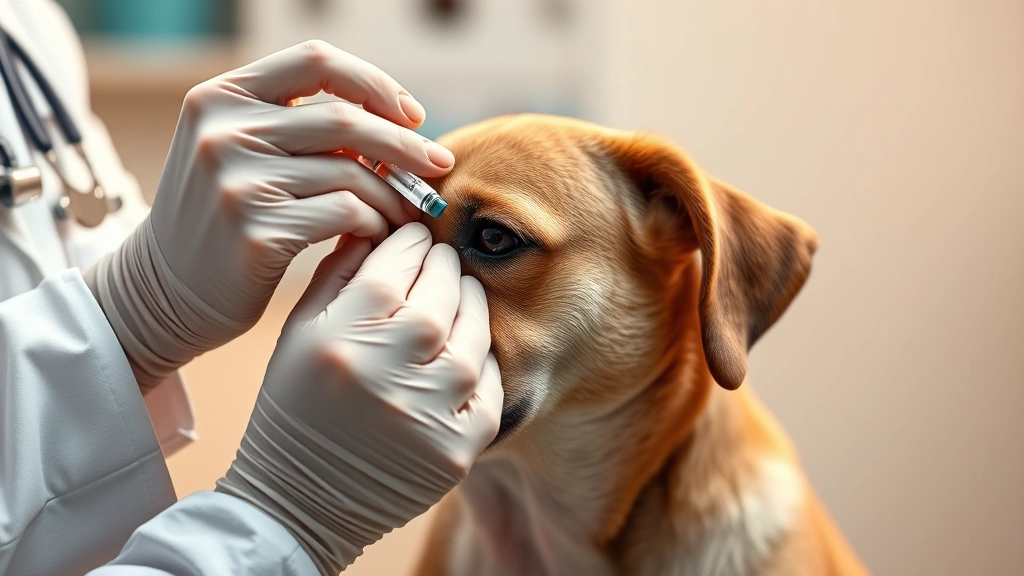
Treatment varies based on your dog’s specific situation. Most young dogs with Type 1 diabetes require insulin injections, typically given twice daily. Your vet will determine the appropriate type and frequency based on your pup’s response.
Insulin therapy isn’t scary—most pet owners adapt quickly to the injection routine, and many dogs don’t seem bothered by the needle. Consistent timing and proper injection technique become second nature within weeks. Your veterinary team will provide detailed training and support throughout this adjustment period.
Some young dogs may benefit from dietary changes and weight management as complementary approaches. A specialized diet formulated for diabetic dogs can improve insulin sensitivity. Our guide on dog gastrointestinal issues best diet offers insights into nutritional management that supports overall metabolic health.
Managing Your Young Dog’s Insulin Therapy
Consistency is everything when managing diabetes. Insulin injections should happen at the same times each day, ideally coordinated with meals. This routine helps stabilize blood sugar and makes monitoring easier.
Keep detailed records of insulin doses, mealtimes, water intake, and bathroom habits. These notes help your vet fine-tune treatment and catch any changes early. Many pet owners use simple charts or phone reminders to stay organized.
Storage matters too—insulin must be kept at the right temperature and protected from light. Your vet will provide specific storage instructions for your dog’s particular insulin type. Proper storage ensures your medication remains effective.
Diet and Nutrition for Diabetic Young Dogs
Nutrition directly impacts your young dog’s blood sugar stability. High-quality, consistent protein and controlled carbohydrates help maintain steady glucose levels. Your vet may recommend prescription diabetic diets formulated specifically for metabolic support.
Meal timing synchronizes with insulin injections—feeding shortly after injection helps prevent blood sugar crashes. Avoid table scraps and high-sugar treats, which can destabilize blood glucose. Consistent daily feeding amounts and timing create predictability your pup’s body needs.
Weight management becomes crucial if your young dog is overweight. Even modest weight loss can improve insulin sensitivity and reduce medication needs over time. Your vet can recommend appropriate calorie levels and exercise routines for your individual pup.
Monitoring and Regular Vet Check-Ups
Regular monitoring ensures your treatment plan works effectively. Initial check-ups may happen every 1-2 weeks as your vet adjusts insulin doses based on blood glucose readings. Once stabilized, many dogs need monitoring every 3-6 months.
Blood glucose curves—measuring blood sugar at multiple points throughout the day—help your vet understand how your pup responds to insulin. Some vets use continuous glucose monitors, which provide real-time data without frequent needle sticks. These tools guide precise dose adjustments.
Watch for complications like diabetic ketoacidosis, a serious condition requiring immediate veterinary attention. Signs include vomiting, lethargy, fruity-smelling breath, and difficulty breathing. If you notice these symptoms, seek emergency care immediately.
Lifestyle Adjustments for Your Young Diabetic Dog
Exercise supports metabolic health, but consistency matters more than intensity. Regular, moderate activity helps maintain healthy weight and improves insulin sensitivity. However, sudden changes in exercise levels can affect blood sugar, so maintain steady routines.
Stress management helps too. Anxious dogs sometimes show blood sugar fluctuations. Maintain calm, predictable daily routines and provide adequate rest. Your young dog’s emotional well-being directly impacts their physical health.
Travel requires extra planning but is absolutely possible. Pack extra insulin, syringes, and testing supplies. Maintain feeding and injection schedules even when crossing time zones. Many pet owners successfully manage their diabetic dogs’ travel needs with proper preparation.
When to Seek Emergency Care
Certain situations require immediate veterinary attention. Diabetic emergencies include severe lethargy, inability to stand, seizures, or loss of consciousness—signs of dangerously low or high blood sugar. If you’re unsure whether your pet needs urgent care, a quick telehealth check-in can give you peace of mind—no appointment needed.

Missed insulin doses, vomiting, or sudden behavior changes warrant prompt evaluation. Don’t wait if something feels wrong. Your vet would rather assess a false alarm than miss a genuine emergency.
Long-Term Prognosis for Young Diabetic Dogs
The outlook for young dogs with diabetes is genuinely encouraging. With proper management, many diabetic dogs live normal lifespans and maintain excellent quality of life. Some even experience remission, particularly if they lose weight or if their underlying condition improves.
Your commitment to consistent care directly impacts your pup’s long-term success. Dogs managed carefully often show no behavioral or activity limitations. They play, enjoy walks, and remain the beloved companions you cherish—diabetes simply becomes part of your routine.
Many pet owners report that managing their young dog’s diabetes strengthens their bond. The daily care routine creates deeper connection and heightened awareness of their pup’s overall health. What initially feels daunting becomes manageable, then second nature.
Frequently Asked Questions
Can young dogs recover from diabetes?
Some young dogs experience remission, especially with weight loss and dietary management, though others require lifelong insulin therapy. Your vet will monitor your pup’s response to treatment and adjust the plan accordingly.
How much does insulin cost for young dogs?
Insulin costs vary by type and location, typically ranging from $30-100 monthly. Your vet can discuss affordable options and help you budget for long-term care.
Is insulin injection painful for dogs?
Most dogs tolerate insulin injections well—the needles are small and many pups don’t seem bothered by the process. Consistent, calm administration helps your dog remain relaxed during injections.
Can diet alone manage diabetes in young dogs?
While diet and weight management support treatment, most young dogs with Type 1 diabetes require insulin therapy. Diet works best as a complementary approach alongside medical management.
What’s the life expectancy for a young dog with diabetes?
With proper management, most diabetic dogs live normal lifespans—many reaching 10+ years. Quality of life remains excellent when treatment is consistent and well-monitored.
What To Do Now
- Schedule a veterinary appointment immediately if you’ve noticed increased thirst, urination, or weight loss in your young dog. Early diagnosis significantly improves treatment outcomes.
- Gather baseline information about your pup’s eating, drinking, and bathroom habits over the next few days. This data helps your vet assess severity and plan appropriate treatment.
- Research your vet’s diabetes management approach and ask about monitoring frequency, insulin options, and ongoing support. Understanding the plan reduces anxiety and improves compliance.
- Connect with your vet about telehealth options for follow-up monitoring and routine check-ins. The Pet Vet offers convenient virtual consultations when you need quick guidance between in-person visits.
- Join a support community of pet owners managing canine diabetes. Online forums and local groups provide practical tips, emotional support, and reassurance that you’re not alone in this journey.
Summary: Managing Dog Diabetes in Young Pets
Discovering that your young dog has diabetes feels daunting, but this diagnosis is absolutely manageable with proper care and commitment. Early detection, consistent insulin therapy, dietary support, and regular monitoring create the foundation for a long, happy life together.
Your young dog’s prognosis depends largely on your dedication to treatment consistency. Most diabetic dogs thrive with daily insulin injections, appropriate nutrition, and routine vet oversight. The initial adjustment period passes quickly, and soon you’ll wonder how you ever managed without your new routine.
Remember: diabetes doesn’t define your pup’s life—it simply becomes part of how you love and care for them. Thousands of pet owners successfully manage young diabetic dogs every day, and with your vet’s guidance and support, you absolutely can too. Your pup is lucky to have someone who cares enough to learn and act. That commitment makes all the difference.
For more information about related health conditions that can affect your young dog’s metabolic health, explore our guides on dog diabetes stages explained and dog kidney disease symptoms. Understanding the broader context of your pup’s health empowers you to make informed decisions and catch complications early.