
If your dog has recently been diagnosed with diabetes, or you’ve noticed signs like increased thirst and frequent urination, understanding dog diabetes stages explained can help you feel more confident about what comes next. Diabetes in dogs is manageable, and catching it early makes a real difference in your pet’s quality of life.
Table of Contents
- What Is Canine Diabetes and Why Does It Matter?
- Stage 1: Early or Prediabetic Stage
- Stage 2: Newly Diagnosed or Unregulated Diabetes
- Stage 3: Regulated or Controlled Diabetes
- Stage 4: Diabetic Complications
- How Quickly Do Diabetes Stages Progress?
- The Role of Diet in Managing Diabetes Stages
- Monitoring and Testing at Each Stage
- Insulin Therapy: What to Expect at Each Stage
- Emotional Support for You and Your Dog
- What To Do Now
- Summary: Managing Your Dog’s Diabetes Journey
- Frequently Asked Questions
This article is for informational purposes only and is not a substitute for professional veterinary advice. Always consult a licensed veterinarian for diagnosis and treatment.
What Is Canine Diabetes and Why Does It Matter?
Diabetes mellitus in dogs occurs when the pancreas can’t produce enough insulin or the body can’t use insulin effectively. Insulin is the hormone that helps cells absorb glucose (sugar) from the bloodstream. Without proper insulin function, glucose builds up in the blood, leaving your dog’s cells starving for energy.
The good news? Dogs with diabetes can live long, happy lives with proper management. Many pet owners find that once they establish a routine with insulin injections and dietary adjustments, caring for a diabetic dog becomes second nature.
Stage 1: Early or Prediabetic Stage
The earliest stage of canine diabetes is sometimes called the prediabetic phase. During this time, your dog may not show obvious symptoms, but blood work might reveal elevated fasting glucose levels or borderline insulin resistance.
Common signs at this stage include:
- Slightly increased thirst
- Mild weight gain despite normal appetite
- Occasional accidents in the house (unusual for a housetrained dog)
- Decreased energy levels
Many pet owners don’t realize their dog is in this stage because symptoms are subtle. This is why regular veterinary checkups—especially for senior dogs or breeds prone to diabetes—are so valuable. Catching your dog at this stage puts you in a great position to slow progression through diet and weight management.
Stage 2: Newly Diagnosed or Unregulated Diabetes
Once your veterinarian confirms diabetes through blood and urine tests, your dog enters the newly diagnosed stage. This is when symptoms become much more noticeable and your vet will recommend starting insulin therapy.
Typical symptoms during this stage are:
- Increased thirst (polydipsia)
- Frequent urination (polyuria)
- Increased appetite but weight loss
- Lethargy or weakness
- Cloudy eyes (especially in older dogs)
- Urinary tract infections
Your vet will perform a comprehensive blood panel to determine the right insulin dose. This period requires patience—finding the correct insulin amount often takes several weeks of adjustments and monitoring. It’s completely normal to feel overwhelmed during this phase. If you need guidance between vet visits, The Pet Vet telehealth service can help answer questions about your dog’s symptoms or insulin administration.
Stage 3: Regulated or Controlled Diabetes
Once your dog’s insulin dose is optimized, they move into the regulated stage. Blood glucose levels stabilize, symptoms improve dramatically, and your dog’s energy returns. This is the goal—and it’s absolutely achievable for most dogs.
Signs your dog is well-regulated include:
- Normal thirst and urination patterns
- Stable weight
- Improved energy and appetite
- Better overall quality of life
- Consistent blood glucose readings
At this stage, your routine becomes manageable. Most dogs receive insulin injections twice daily (often at mealtimes), and regular bloodwork helps ensure the dose remains appropriate. Many diabetic dogs enter remission—meaning their pancreas starts producing insulin again—though this is less common in dogs than in cats.
Stage 4: Diabetic Complications
Without proper management, or if diabetes goes undiagnosed for too long, complications can develop. These represent the most serious stage and require immediate veterinary attention.
Potential complications include:
- Diabetic ketoacidosis (DKA): A life-threatening condition where the body breaks down fat too quickly, producing dangerous acids in the blood
- Diabetic neuropathy: Nerve damage causing weakness, especially in the hind legs
- Cataracts: Clouding of the lens, sometimes reversible if caught early
- Kidney disease: High glucose levels damage the kidneys over time (learn more about dog kidney disease causes)
- Urinary tract infections: Recurring infections due to excess glucose in urine
- Secondary conditions: Pancreatitis or liver disease may develop
Catching diabetes early and maintaining good glucose control dramatically reduces the risk of these complications. Your dog doesn’t have to reach this stage.
How Quickly Do Diabetes Stages Progress?
The timeline varies significantly from dog to dog. Some dogs move from diagnosis to regulation in a few weeks, while others take several months. Factors that influence progression include age, breed, weight, and how quickly you implement dietary changes and insulin therapy.
Senior dogs and certain breeds like Dachshunds, Poodles, and Beagles tend to develop diabetes more frequently. Early intervention—especially managing your dog’s weight and diet—can slow or even prevent progression to later stages.
The Role of Diet in Managing Diabetes Stages
Nutrition is one of the most powerful tools for managing your dog’s diabetes. A high-protein, low-carbohydrate diet helps stabilize blood glucose levels and supports weight loss, which improves insulin sensitivity.
Your vet may recommend prescription diabetic dog food or suggest dog diabetes best diet options. Some pet owners prepare low fat dog recipes under veterinary guidance. Consistency matters—feeding at the same times each day helps coordinate meals with insulin injections.
Avoid high-sugar treats and table scraps. Even small deviations can affect blood glucose levels and complicate insulin dosing.
Monitoring and Testing at Each Stage
Different stages require different monitoring approaches. During the newly diagnosed stage, your vet may recommend glucose curves (multiple blood tests throughout the day) every 1-2 weeks. Once regulated, testing typically happens every 3-6 months.
Home monitoring tools like continuous glucose monitors are becoming more available for dogs. Ask your vet if this technology might help you track your dog’s patterns more closely.
Blood and urine tests check:
- Fasting glucose levels
- Hemoglobin A1C (average glucose over 2-3 months)
- Kidney and liver function
- Urinary tract health
Insulin Therapy: What to Expect at Each Stage
Insulin requirements change as your dog progresses through stages. During the newly diagnosed phase, your vet will start with an initial dose and adjust based on response. Some dogs achieve remission and require less insulin over time, while others maintain a steady dose long-term.
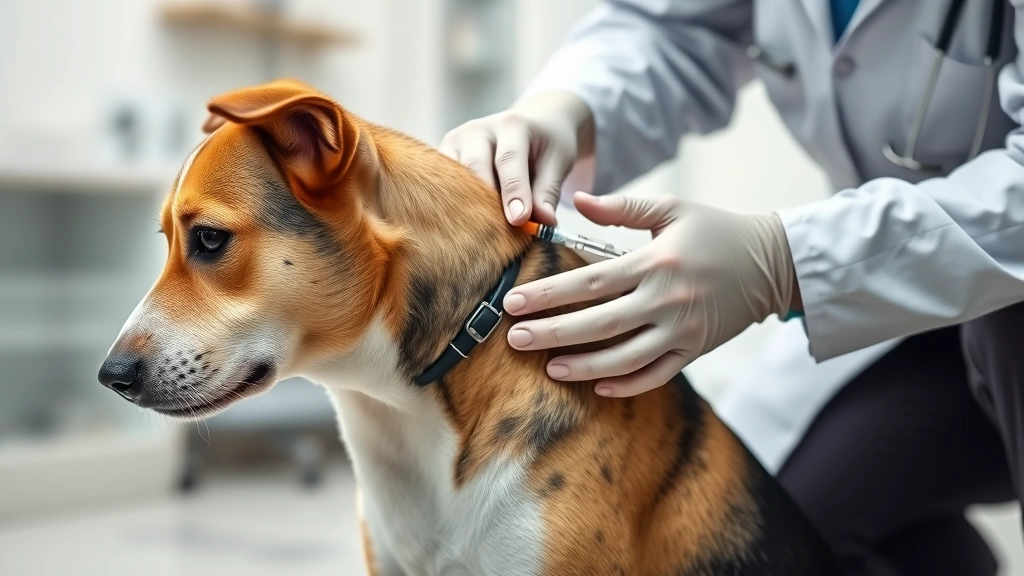
Insulin is administered via subcutaneous injection (under the skin), usually twice daily. Many pet owners worry about giving injections, but most find it becomes routine quickly. The needle is very small, and most dogs tolerate injections well—especially if you pair them with meals or treats.
Never adjust insulin doses on your own. Always work with your veterinarian, as improper dosing can cause dangerously low blood sugar (hypoglycemia).

Emotional Support for You and Your Dog
A diabetes diagnosis can feel scary, but remember: you’re not alone, and your dog’s prognosis is often better than you might think. Many diabetic dogs live several more years with excellent quality of life.
Connect with other pet owners managing canine diabetes through online communities. Sharing experiences and tips can reduce anxiety and help you feel more confident in your care routine. If you’re feeling overwhelmed, a quick telehealth check-in can give you peace of mind and answer questions without the stress of scheduling an in-person appointment.
What To Do Now
If your dog has been diagnosed with diabetes or you suspect they may have it, here are your next steps:
- Schedule a comprehensive veterinary exam if you haven’t already. Request blood work and urinalysis to confirm diagnosis and rule out other conditions.
- Ask your vet about dietary changes and whether prescription diabetic food or home-cooked recipes might help your dog. Get specific feeding guidelines tied to insulin injection times.
- Learn proper insulin injection technique from your vet or veterinary technician. Practice until you feel confident, and don’t hesitate to ask questions.
- Set up a monitoring schedule with your vet. Understand when to expect glucose curve testing and follow-up bloodwork.
- Consider telehealth support for questions between vet visits. If you’re unsure whether your pet needs urgent care or have concerns about symptoms, a quick telehealth check-in can give you guidance without delay.
Summary: Managing Your Dog’s Diabetes Journey
Dog diabetes stages explained help you understand what to expect and how to support your dog at each point. From early signs through regulation and potential complications, knowledge is your greatest tool.
The vast majority of dogs diagnosed with diabetes go on to live happy, comfortable lives. Early detection, consistent insulin therapy, dietary management, and regular monitoring create the best outcomes. Your commitment to your dog’s care—even when it feels challenging—truly makes a difference.
Remember, you and your veterinary team are partners in your dog’s health. Don’t hesitate to reach out with questions or concerns. Your dog is counting on you, and you’re doing a great job.
Frequently Asked Questions
Can dog diabetes be cured?
While diabetes can’t be cured, it can be managed very effectively with insulin and diet. Some dogs achieve remission, meaning their pancreas starts producing insulin again, though this is less common in dogs than cats.
How long can a dog live with diabetes?
Many dogs live several years or more after diagnosis, especially if diabetes is caught early and well-managed. Quality of life depends on consistent care, monitoring, and your dog’s overall health.
Is insulin expensive?
Insulin costs vary by type and location, but it’s generally affordable. Talk to your vet about generic options or assistance programs if cost is a concern.
Can I give insulin injections at home?
Yes, most pet owners give insulin injections at home after proper training. Your vet will teach you the correct technique, and it becomes routine quickly.
What happens if I miss an insulin dose?
Contact your veterinarian immediately if you miss a dose. They’ll advise whether to give the next dose on schedule or adjust timing. Never double-dose to make up for a missed injection.