
If your dog has recently been diagnosed with diabetes, you’re probably feeling a mix of worry and relief—relief that you finally have answers, worry about what comes next. The good news? Dog diabetes treatment options have come a long way, and with the right approach, many dogs live long, happy lives after diagnosis. This guide walks you through the most effective solutions vets recommend, so you can feel confident about your pup’s care plan.
Table of Contents
- Understanding Canine Diabetes Before Treatment
- Insulin Therapy: The Foundation of Dog Diabetes Treatment Options
- Weight Management and Dietary Changes
- Oral Medications for Type 2 Diabetes
- Blood Glucose Monitoring at Home
- Managing Complications and Related Conditions
- Exercise and Lifestyle Adjustments
- Monitoring for Diabetic Ketoacidosis (DKA)
- Working With Your Veterinarian on a Long-Term Plan
- Emerging Treatments and Research
- Frequently Asked Questions
- What To Do Now
- Summary: Taking Control of Your Dog’s Diabetes
This article is for informational purposes only and is not a substitute for professional veterinary advice. Always consult a licensed veterinarian for diagnosis and treatment.
Understanding Canine Diabetes Before Treatment
Diabetes in dogs occurs when the pancreas can’t produce enough insulin, or the body can’t use insulin effectively. This leads to high blood sugar levels that affect your dog’s energy, thirst, and overall health. The two main types are Type 1 (insulin-dependent) and Type 2 (non-insulin-dependent), though Type 1 is more common in dogs.
Recognizing diabetes early makes treatment much more manageable. Common signs include increased thirst, frequent urination, weight loss despite eating more, and lethargy. Catching this early puts you in a great position to help your dog thrive. Your vet will confirm diagnosis through blood tests and urinalysis before recommending a treatment plan tailored to your dog’s needs.
Insulin Therapy: The Foundation of Dog Diabetes Treatment Options
Insulin injections are the cornerstone of dog diabetes treatment options for most dogs, especially those with Type 1 diabetes. Many pet owners worry about giving injections, but the needles are tiny, and most dogs adjust quickly—many don’t even react to the shot.
Your vet will determine the right insulin type and dosing schedule for your individual dog. Insulin is typically given twice daily, though some dogs do well on once-daily schedules. Regular blood glucose monitoring helps your vet fine-tune the dose over time. The goal is to keep blood sugar stable and watch for signs of low blood sugar (hypoglycemia), which requires immediate attention.
If you’re unsure whether your pet needs urgent care or have questions about insulin management, a quick telehealth check-in can give you peace of mind—no appointment needed.
Weight Management and Dietary Changes
Diet plays a huge role in managing canine diabetes. Overweight dogs have a harder time using insulin effectively, so weight loss can sometimes reduce insulin needs or even lead to remission in Type 2 diabetes cases.
Your vet may recommend a prescription diabetic diet formulated to support stable blood sugar. These diets are typically higher in protein and fiber, which slow glucose absorption. You’ll also want to avoid high-sugar treats and stick to measured portions. Consider safe human foods for dogs as occasional rewards, but always check with your vet first.
Weight loss should be gradual—aim for 1-2 pounds per month. Rapid weight loss can actually worsen diabetes, so patience is key. Combine dietary changes with moderate exercise to support healthy weight management.
Oral Medications for Type 2 Diabetes
Some dogs with Type 2 diabetes may benefit from oral medications that help the body use insulin more efficiently or stimulate the pancreas to produce more insulin. These medications work differently than insulin and may be used alone or alongside insulin therapy.

Common options include acarbose (which slows carbohydrate digestion) and other glucose-regulating drugs. These are particularly helpful for dogs whose diabetes is caught early or those with mild insulin resistance. Your vet will monitor your dog’s response and adjust medications as needed. Regular check-ups are essential to ensure the treatment plan is working effectively.
Blood Glucose Monitoring at Home
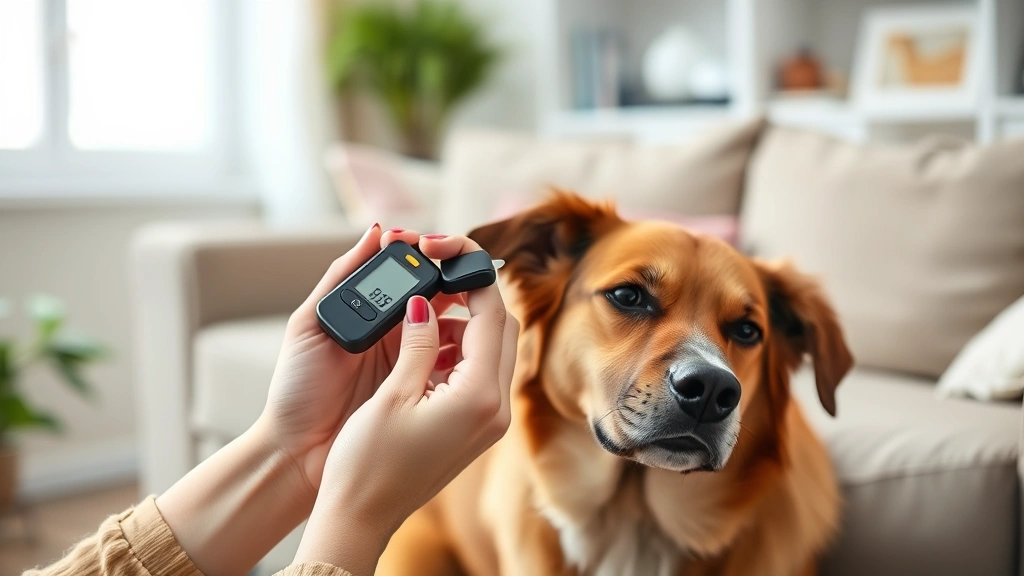
Consistent blood glucose monitoring is critical for successful dog diabetes treatment options. Many vets recommend checking blood sugar levels at home using a glucometer designed for pets. This gives you real-time data about how your dog is responding to insulin and diet changes.
You’ll typically test blood from the ear or paw pad—it only takes a tiny sample. Keeping a log of readings helps your vet identify patterns and adjust treatment accordingly. Some owners find continuous glucose monitors (CGMs) helpful for tracking trends over time. Regular monitoring also helps catch hypoglycemic episodes early, which could be life-threatening if left untreated.
Managing Complications and Related Conditions
Dogs with diabetes are at higher risk for other health issues, including cataracts, kidney disease, and urinary tract infections. Regular vet visits help catch these complications early. Some dogs also develop liver disease or heart disease alongside diabetes, which requires coordinated treatment.
Urinary tract infections are especially common in diabetic dogs because high blood sugar makes urine more hospitable to bacteria. Watch for signs like straining to urinate, accidents in the house, or foul-smelling urine. Prompt treatment prevents these infections from becoming serious. Your vet may recommend preventive measures like increased water intake or dietary adjustments.
Exercise and Lifestyle Adjustments
Regular, moderate exercise supports weight management and improves insulin sensitivity. However, exercise timing matters—coordinate activity with insulin injections to avoid hypoglycemia. Most vets recommend consistent daily exercise rather than sporadic intense activity.
Short walks, gentle play, and swimming are excellent options for diabetic dogs. Avoid extreme heat or cold, which can affect insulin absorption and blood sugar stability. Keep your dog’s routine as consistent as possible—irregular feeding and exercise schedules make blood sugar control harder. A predictable daily rhythm helps your dog’s body respond better to treatment.
Monitoring for Diabetic Ketoacidosis (DKA)
Diabetic ketoacidosis is a serious, life-threatening condition that can develop when diabetes is uncontrolled or during illness. Signs include vomiting, lethargy, rapid breathing, fruity-smelling breath, and abdominal pain. This is a medical emergency requiring immediate veterinary care.
DKA typically develops over hours to days, so staying alert to changes in your dog’s behavior is crucial. If you notice any of these symptoms, contact your vet or emergency clinic right away. With proper diabetes management and regular monitoring, DKA is preventable. Catching early warning signs puts you in control of your dog’s safety.
Working With Your Veterinarian on a Long-Term Plan
Successful dog diabetes treatment options require close collaboration with your vet. Regular check-ups—typically every 2-4 weeks initially, then every 3-6 months once stable—help ensure your treatment plan is working. Your vet will adjust insulin doses based on blood glucose readings and your dog’s response.
Don’t hesitate to ask questions or voice concerns about your dog’s care. A good vet will explain each step of the treatment plan and help you feel confident managing your dog’s diabetes at home. Some dogs even achieve remission with aggressive early treatment and weight loss, though this isn’t guaranteed.
Emerging Treatments and Research
Veterinary medicine is constantly evolving. Newer treatment approaches, including combination therapies and advanced monitoring technologies, are becoming more available. Some research suggests that certain supplements and herbal remedies may support diabetes management, though evidence is still emerging.
Always discuss new treatments with your vet before trying them. What works for one dog may not work for another, and some supplements can interact with insulin or other medications. Your vet stays current on the latest research and can guide you toward evidence-based options that truly help.
Frequently Asked Questions
Can dog diabetes be cured?
Type 1 diabetes cannot be cured, but it’s very manageable with insulin and lifestyle changes. Some dogs with Type 2 diabetes may achieve remission through aggressive early treatment and weight loss, though this isn’t guaranteed for all dogs.
How much does dog diabetes treatment cost?
Costs vary widely depending on insulin type, monitoring frequency, and your location. Initial setup (vet visits, blood tests, supplies) may run $500-$1,500, with ongoing monthly costs of $50-$300 for insulin and supplies. Many pet owners find the investment worthwhile for their dog’s quality of life.
Is insulin injection painful for dogs?
Most dogs tolerate insulin injections well. The needles are very small, and many dogs don’t react noticeably. With consistent handling and positive reinforcement, your dog will likely accept injections as part of their routine.
What’s the life expectancy for a diabetic dog?
With proper treatment and management, many diabetic dogs live several more years—some even achieve normal lifespans. Quality of life depends on how well diabetes is controlled, overall health, and how closely you follow your vet’s recommendations.
Can diet alone manage dog diabetes?
Diet alone rarely manages diabetes without insulin, especially in Type 1 cases. However, diet is a crucial part of any treatment plan and can sometimes reduce insulin needs or help achieve remission in Type 2 diabetes when combined with weight loss and exercise.
What To Do Now
- Schedule a follow-up appointment with your vet to discuss a personalized dog diabetes treatment options plan tailored to your dog’s age, weight, and overall health.
- Ask your vet about home blood glucose monitoring and request a demonstration of proper injection technique so you feel confident managing treatment at home.
- Start transitioning your dog to a diabetic-friendly diet recommended by your vet, and eliminate high-sugar treats while measuring all portions carefully.
- Create a daily routine for insulin injections and feeding that you can stick to consistently—consistency is key to stable blood sugar control.
- Set reminders for vet check-ups and blood glucose testing, and keep detailed records of readings and any changes in your dog’s behavior or appetite.
Summary: Taking Control of Your Dog’s Diabetes
A diabetes diagnosis isn’t the end of your dog’s story—it’s the beginning of a new chapter where you have the tools to help them thrive. Dog diabetes treatment options range from insulin therapy and dietary management to oral medications and careful home monitoring. Each dog responds differently, so working closely with your vet to find the right combination is essential.
The most important thing you can do right now is stay informed, remain consistent with treatment, and maintain open communication with your veterinarian. Thousands of dogs live happy, fulfilling lives with diabetes when their owners commit to proper care. Your dog is lucky to have someone who cares enough to learn about their condition and take action. You’ve got this, and your vet is here to support you every step of the way.