
If your dog keeps scratching at their ears or you notice a persistent odor that just won’t go away, you’re dealing with what many pet owners face: chronic dog ear infection management that requires patience, strategy, and the right approach. Chronic ear infections in dogs aren’t just annoying—they can significantly impact your pup’s quality of life and your peace of mind.
Table of Contents
- Why Dogs Get Chronic Ear Infections in the First Place
- Solution 1: Regular Professional Ear Cleaning and Monitoring
- Solution 2: Identify and Address Underlying Allergies
- Solution 3: Establish a Consistent Home Ear Care Routine
- Solution 4: Manage Moisture and Environmental Factors
- Solution 5: Support Ear Health with Proper Nutrition
- Solution 6: Use Preventative Ear Solutions as Directed
- Solution 7: Know When to Seek Professional Help
- Creating Your Dog’s Personalized Chronic Management Plan
- Common Mistakes That Make Chronic Ear Infections Worse
- Long-Term Success: What to Expect
- When to Consider Advanced Treatment Options
- Frequently Asked Questions
- What To Do Now
- Summary
This article is for informational purposes only and is not a substitute for professional veterinary advice. Always consult a licensed veterinarian for diagnosis and treatment.
The good news? You’re not alone, and there are proven solutions that work. Whether your dog has recurrent ear infections or a stubborn case that keeps coming back, understanding how to manage this condition long-term makes all the difference.
Why Dogs Get Chronic Ear Infections in the First Place
Chronic ear infections don’t appear out of nowhere. Most dogs with recurring ear problems have an underlying cause—allergies, yeast overgrowth, bacteria, or structural issues with their ear canal. Understanding the root cause is the first step toward effective chronic management.
Some breeds are naturally more prone to ear troubles. Floppy-eared dogs like Cocker Spaniels, Basset Hounds, and Poodles have ear canals that trap moisture and create the perfect environment for infection. Others may have immune system sensitivities or genetic predispositions.
The key insight? Treating the infection once isn’t enough. Real chronic dog ear infection management addresses what’s causing the problem to return.
Solution 1: Regular Professional Ear Cleaning and Monitoring
This is the foundation of any chronic management plan. Professional ear cleanings by your veterinarian remove debris, excess wax, and discharge that home care alone can’t always eliminate. These cleanings also give your vet a chance to monitor the ear canal’s health and catch problems early.
How often should your dog get professional cleanings? That depends on their individual situation. Some dogs benefit from monthly cleanings, while others need them quarterly. Your vet can recommend the right schedule based on your dog’s history and ear health.
Think of professional cleanings as preventative maintenance. Regular monitoring puts you in a great position to catch flare-ups before they become serious problems.
Solution 2: Identify and Address Underlying Allergies
Allergies are the sneaky culprit behind many chronic ear infections. Whether your dog has food allergies, environmental allergies, or contact sensitivities, these trigger inflammation that makes ears vulnerable to infection. Managing the allergy often means managing the ear infection.
Common allergy triggers include:
- Chicken, beef, or grain-based proteins
- Pollen, dust mites, and mold
- Certain fats or additives in food
- Contact allergens like laundry detergent or grass
Your veterinarian can help identify what’s triggering your dog’s allergies through elimination diets, allergy testing, or careful observation. Once you know the culprit, removing or managing the allergen often leads to fewer ear infections overall.
Solution 3: Establish a Consistent Home Ear Care Routine
Between professional visits, a solid home care routine prevents moisture buildup and keeps the ear canal healthy. This doesn’t have to be complicated—consistency matters more than complexity.
A basic routine includes:
- Weekly ear checks for redness, odor, or discharge
- Gentle cleaning with a vet-approved ear solution (following your vet’s instructions)
- Thorough drying after baths or swimming
- Regular grooming to keep hair out of the ear canal if your dog has floppy ears
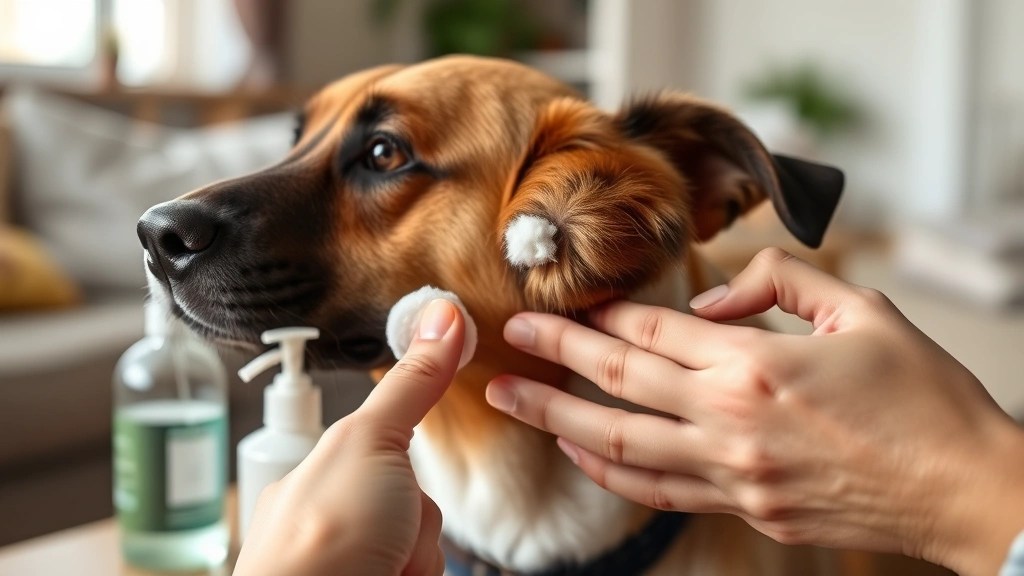
Never use cotton swabs deep in the ear canal—they can push debris further in and damage the delicate structures. Stick to cotton balls or soft cloths for gentle cleaning of the outer ear.
Solution 4: Manage Moisture and Environmental Factors
Moisture is the enemy of chronic ear health. Wet ears create the perfect breeding ground for bacteria and yeast. If your dog loves swimming or has floppy ears, moisture management becomes especially important.
Practical steps to reduce moisture problems:
- Dry ears thoroughly after baths or swimming with a clean towel
- Consider using a drying solution recommended by your vet after water exposure
- Keep your home humidity at a moderate level (not too damp)
- Trim excess hair around the ear opening to improve air circulation
These simple adjustments can dramatically reduce infection recurrence in moisture-prone dogs.
Solution 5: Support Ear Health with Proper Nutrition
What your dog eats directly impacts their immune system and skin health—including ear health. Dogs with chronic ear infections often benefit from diets rich in omega-3 fatty acids, which reduce inflammation and support healthy skin barriers.
Nutritional support for chronic ear management may include:
- High-quality proteins that support immune function
- Omega-3 supplements (fish oil) to reduce inflammation
- Probiotics to support healthy bacteria balance
- Limited ingredient diets if food allergies are a factor
Your veterinarian can recommend specific dietary changes or supplements tailored to your dog’s needs. Nutrition isn’t a quick fix, but over weeks and months, it significantly strengthens your dog’s natural defenses.
Solution 6: Use Preventative Ear Solutions as Directed
Once your dog’s acute infection is cleared, your vet may recommend preventative ear solutions to maintain health and prevent recurrence. These aren’t treatments—they’re maintenance tools that keep the ear environment healthy.
Preventative solutions might include drying agents, antimicrobial rinses, or pH-balancing cleaners. The specific product depends on your dog’s ear condition and what your vet has found to work best for them.
Consistency with these preventative measures is crucial. Using them sporadically won’t provide the same benefit as following a regular schedule. Mark your calendar or set phone reminders to stay on track.
Solution 7: Know When to Seek Professional Help
Sometimes chronic ear infections signal a deeper issue that needs specialist attention. If your dog’s ears aren’t improving despite consistent management, or if infections keep returning within weeks, it’s time to escalate care.
Your vet may recommend:
- Referral to a veterinary dermatologist for allergy testing and management
- Imaging to check for structural problems in the ear canal
- Cultures to identify the specific bacteria or yeast causing infections
- Discussion of advanced treatment options
Catching persistent patterns early prevents your dog from suffering through repeated infections. If you’re unsure whether your pet needs urgent care or specialist evaluation, a quick telehealth check-in with The Pet Vet can give you peace of mind and guidance—no appointment needed.
Creating Your Dog’s Personalized Chronic Management Plan
Every dog’s ear health journey is unique. What works brilliantly for one dog might not work for another. The best chronic dog ear infection management plan is personalized to your dog’s specific triggers, breed characteristics, and health history.
Work with your veterinarian to create a plan that includes:
- A professional cleaning schedule
- Home care routine with specific products
- Allergy management or dietary changes
- Environmental modifications
- Signs to watch for that indicate a flare-up
- Clear steps for what to do if infection returns
Write this plan down and keep it accessible. When you’re in the middle of dealing with a flare-up, having clear guidance prevents panic and ensures consistent care.
Common Mistakes That Make Chronic Ear Infections Worse
Well-meaning pet owners sometimes accidentally make chronic ear problems worse. Being aware of these pitfalls helps you avoid them.
Common mistakes include:
- Overusing ear cleaning products: Too much cleaning can disrupt the ear’s natural balance and cause irritation.
- Using the wrong cleaning solutions: Some products are too harsh or acidic for damaged ear tissue.
- Skipping the root cause: Treating symptoms without addressing allergies or underlying issues means infections keep returning.
- Inconsistent care: Starting a routine then stopping when things improve leads to recurrence.
- Delaying professional help: Waiting too long before seeing a vet allows infections to worsen and become harder to manage.
The solution? Stick with your vet’s recommendations, communicate openly about what’s working and what isn’t, and adjust your approach based on results.
Long-Term Success: What to Expect
Managing chronic ear infections is a marathon, not a sprint. You might not see dramatic improvement overnight, but with consistent effort, most dogs show significant improvement within 4-8 weeks.
Signs that your management plan is working:
- Reduced scratching and head shaking
- Clearer ear canals during vet checks
- Less odor or discharge
- Longer intervals between infections
- Improved overall comfort and behavior
Some dogs eventually reach a point where ear infections become rare or stop entirely. Others require ongoing management but experience dramatically fewer problems. Both outcomes represent success—your dog is more comfortable and healthier.
When to Consider Advanced Treatment Options
For dogs with severe, recurrent infections that don’t respond to conventional management, your vet might discuss advanced options. These are typically reserved for cases where quality of life is significantly impacted.
Advanced approaches might include specialized medications, immunotherapy for allergies, or in very rare cases, surgical intervention. These decisions are made collaboratively with your vet, weighing benefits against risks for your specific dog.
The key is knowing when standard management has reached its limits and your dog would benefit from exploring other avenues.
Frequently Asked Questions
How long does it take to see improvement with chronic ear infection management?
Most dogs show noticeable improvement within 2-4 weeks of consistent management, though full resolution may take 6-8 weeks or longer depending on the underlying cause.
Can I prevent ear infections completely?
Complete prevention isn’t always possible, especially for dogs with allergies or genetic predisposition, but consistent management dramatically reduces frequency and severity.
Are home remedies effective for chronic ear infections?
Home care is essential for maintenance and prevention, but chronic infections typically require professional diagnosis and initial treatment to resolve properly.
What’s the difference between acute and chronic ear infections?
Acute infections happen once and resolve with treatment; chronic infections return repeatedly or persist despite treatment, usually indicating an underlying cause that needs addressing.
Should I try different ear cleaning products if one isn’t working?
Don’t switch products randomly—discuss any concerns with your vet, who can recommend alternatives or explain why the current product is the best choice for your dog’s situation.
What To Do Now
- Schedule a vet appointment: If your dog has chronic ear issues, get a professional evaluation to identify underlying causes and establish a baseline for your management plan.
- Review your dog’s diet and allergies: Work with your vet to determine if food or environmental allergies are contributing to recurrent infections.
- Establish a home care routine: Create a consistent weekly schedule for ear checks and cleaning using products your vet recommends.
- Document patterns: Keep notes on when infections occur, what symptoms appear, and what seems to help—this information is invaluable for your vet.
- Set up a telehealth consultation: If you need guidance between appointments or want a second opinion, The Pet Vet offers convenient online consultations to support your chronic management plan.
Summary
Chronic dog ear infection management isn’t about finding one magic solution—it’s about combining professional care, consistent home maintenance, allergy management, and environmental adjustments into a personalized plan. By understanding the underlying causes, following your vet’s recommendations, and staying consistent even when things improve, you can help your dog enjoy healthy, comfortable ears.
Your dog deserves to shake their head without pain and scratch without desperation. With the right approach to chronic management, that’s absolutely achievable. Start with a professional evaluation, implement the solutions that fit your dog’s needs, and trust the process. Most dogs improve significantly with dedicated, thoughtful care.