
If you’ve noticed your dog scratching at their ears more than usual, you’re right to pay attention—dog ear infection early signs can appear suddenly, and catching them fast makes all the difference in your pup’s comfort and recovery. Ear infections are one of the most common reasons dogs visit the vet, yet many pet owners miss the warning signals until the problem becomes painful or severe.
Table of Contents
- Why Early Detection Matters for Ear Infections
- Sign #1: Excessive Scratching and Head Shaking
- Sign #2: Redness and Swelling Inside the Ear
- Sign #3: Foul Odor Coming From the Ears
- Sign #4: Discharge or Waxy Buildup
- Sign #5: Sensitivity When You Touch Their Ears
- Sign #6: Behavioral Changes and Restlessness
- Sign #7: Loss of Balance or Tilting Head to One Side
- Common Causes of Dog Ear Infections
- What To Do Now: Your Action Plan
- When to Seek Emergency Care
- How Your Vet Will Diagnose an Ear Infection
- Prevention Tips to Reduce Future Risk
- Frequently Asked Questions
- Summary: Staying Ahead of Ear Infections
This article is for informational purposes only and is not a substitute for professional veterinary advice. Always consult a licensed veterinarian for diagnosis and treatment.
The good news? When you know what to look for, you can spot trouble early and get your dog the help they need before things escalate. Let’s walk through the seven critical symptoms that signal your dog might be developing an ear infection, what causes them, and exactly what you should do next.
Why Early Detection Matters for Ear Infections
Ear infections in dogs progress quickly. What starts as mild inflammation can become a painful, chronic condition if left untreated. Dogs can’t tell us their ears hurt, so they rely on us to notice the subtle changes in their behavior and physical signs.
Early intervention prevents complications like eardrum damage, hearing loss, and infections that spread deeper into the ear canal. When you catch dog ear infection early signs, treatment is usually simpler, faster, and less costly.
Sign #1: Excessive Scratching and Head Shaking
The most obvious early indicator is when your dog suddenly scratches their ears or shakes their head more frequently than normal. You might notice them pawing at their ears, rubbing their head against furniture, or doing that classic head-shake dogs do after swimming—except there’s no water involved.
This scratching behavior is your dog’s way of trying to relieve the itching and irritation building in their ear canal. Catching this in the first few days makes a real difference. Don’t wait to see if it resolves on its own—reach out to your vet if this behavior persists for more than a day or two.
Sign #2: Redness and Swelling Inside the Ear
Take a gentle look inside your dog’s ear flap. Healthy ears should be pale pink with minimal hair and a clean appearance. If you notice the inner ear is red, inflamed, or swollen, that’s a red flag for infection or inflammation.
The redness indicates your dog’s immune system is already fighting irritation. This is one of the clearest visual signs you can spot at home, and it’s worth documenting with a photo to share with your vet. Catching inflammation early puts you in a great position to help before it worsens.
Sign #3: Foul Odor Coming From the Ears
A healthy dog’s ears should be nearly odorless. If you detect a sour, yeasty, or distinctly unpleasant smell when you lean close to your dog’s ears, that’s a strong sign of bacterial or yeast overgrowth. This smell is often one of the first signs pet owners notice.
The odor comes from bacteria or yeast multiplying in the warm, moist environment of the ear canal. Don’t ignore this—it’s your nose telling you something is wrong. A quick call to your vet can confirm whether treatment is needed.
Sign #4: Discharge or Waxy Buildup
Peek inside your dog’s ear canal if they’ll let you. Normal ears have minimal to no discharge. If you see yellow, brown, black, or bloody discharge, or notice a thick waxy buildup, your dog could be experiencing an infection.
The color and consistency of the discharge can actually tell your vet a lot about what type of infection is present. Even if your dog seems otherwise fine, visible discharge warrants a veterinary check-up. Your vet can safely clean the ear and identify the underlying cause.
Sign #5: Sensitivity When You Touch Their Ears
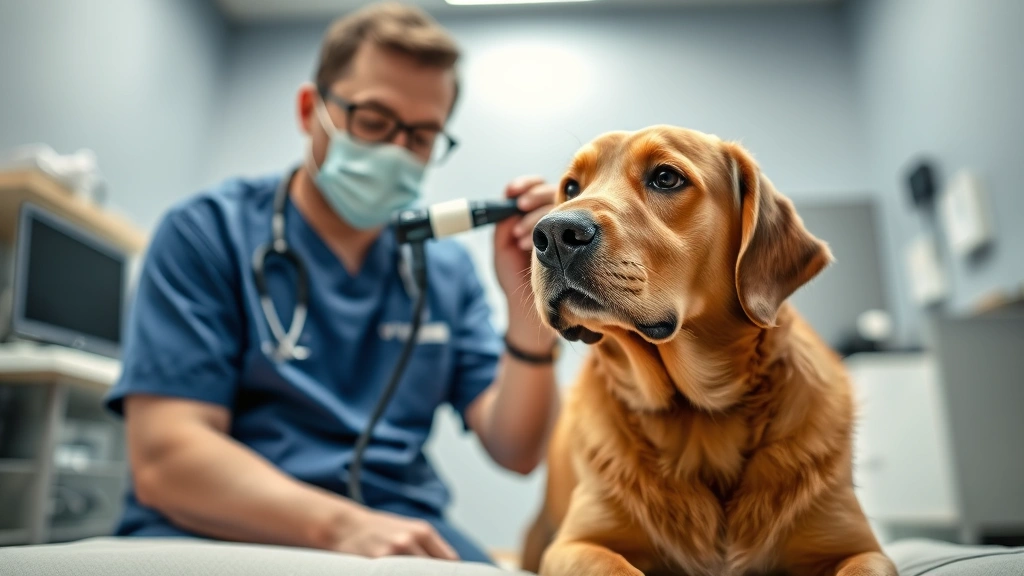
Does your dog pull away, yelp, or show discomfort when you gently touch their ear flap or try to look inside? Pain sensitivity is a key indicator that inflammation or infection is present and causing discomfort.
Some dogs become so sensitive that they won’t allow anyone to touch their ears at all. This protective behavior tells you your pup is hurting. Addressing the problem quickly relieves their pain and prevents them from developing anxiety around ear handling.
Sign #6: Behavioral Changes and Restlessness
Ear infections can make dogs irritable, anxious, or restless. You might notice your dog having trouble sleeping, pacing more than usual, or seeming generally uncomfortable. Some dogs become withdrawn or less interested in play and activities they normally enjoy.
These behavioral shifts happen because the pain and discomfort are affecting their mood and quality of life. If your dog’s personality seems off and you’ve also noticed any ear-related signs, it’s time to connect with your vet. Behavioral changes paired with physical symptoms point strongly to an ear issue.
Sign #7: Loss of Balance or Tilting Head to One Side
In more advanced cases, infections that spread deeper into the ear can affect your dog’s balance and coordination. You might notice your dog tilting their head persistently toward the affected ear or seeming unsteady on their feet.
Head tilting is a classic sign that the infection has progressed beyond the outer ear. This is more serious and requires prompt veterinary attention. If you see head tilting combined with any other symptoms, don’t wait—contact your vet right away or seek emergency care if your dog seems severely affected.
Common Causes of Dog Ear Infections
Understanding what causes ear infections helps you prevent them. The most common culprits include:
- Moisture and humidity: Water trapped in ears after swimming or bathing creates the perfect breeding ground for bacteria and yeast.
- Allergies: Dog skin allergies symptoms often manifest as ear infections, since allergies cause inflammation that bacteria and yeast love.
- Ear mites: These tiny parasites are contagious and cause intense itching.
- Yeast overgrowth: Dogs with floppy ears or excessive ear hair are more prone to yeast infections.
- Foreign objects: Grass seeds, dirt, or debris lodged in the ear canal can trigger infection.
- Bacterial infection: Secondary infections often follow allergies or other underlying conditions.
Breeds with floppy ears, like Cocker Spaniels, Basset Hounds, and Poodles, are naturally more susceptible to ear infections because their ear shape limits airflow and traps moisture.
What To Do Now: Your Action Plan
If you’ve spotted one or more of these early signs in your dog, here’s exactly what to do:
- Document the symptoms: Note when you first noticed scratching, take a photo of any redness or discharge, and write down any other changes you’ve observed. This information helps your vet pinpoint the problem.
- Schedule a veterinary appointment: Contact your vet’s office and describe the symptoms. Many vets can fit in ear-related concerns quickly since early treatment prevents complications. If you’re unsure whether your pet needs urgent care, a quick telehealth check-in can give you peace of mind—no appointment needed.
- Avoid home remedies without guidance: While it’s tempting to clean your dog’s ears at home, improper cleaning can push infection deeper. Wait for your vet’s recommendation on safe cleaning methods.
- Keep ears dry: Until you see your vet, help prevent moisture buildup by gently drying your dog’s ears after bathing or outdoor play.
- Prevent further scratching: If your dog is scratching intensely, consider a soft cone or collar to prevent them from damaging their ears further while waiting for treatment.
When to Seek Emergency Care
Most ear infections can be handled during a regular vet visit, but certain situations require urgent attention. Seek emergency care if your dog shows:
- Severe head tilting or loss of balance
- Bleeding or pus draining from the ear
- Extreme pain or aggression when the ear is touched
- Swelling so severe the ear canal appears blocked
- Signs of systemic infection like fever or lethargy
When in doubt, it’s always better to err on the side of caution with your pet’s health.
How Your Vet Will Diagnose an Ear Infection
During your visit, your vet will perform a thorough ear examination using an otoscope—a special light that lets them see deep into the ear canal. They may also take a sample of any discharge to examine under a microscope or send to a lab.

This diagnostic process identifies whether the infection is bacterial, fungal (yeast), or caused by parasites. Knowing the type of infection is crucial because treatment varies. Your vet might also ask about your dog’s history with allergies or previous ear problems, as these factors influence treatment recommendations.
You can also talk to a vet about dog ear infection online if you want a quick preliminary assessment before scheduling an in-person appointment.
Prevention Tips to Reduce Future Risk
Once your dog recovers, these prevention strategies lower the chances of another infection:
- Dry ears thoroughly: After bathing or swimming, use a soft cloth to gently dry the inside of your dog’s ears. Some owners use a low-heat blow dryer on the cool setting.
- Regular ear checks: Inspect your dog’s ears weekly for redness, odor, or discharge. Catching changes early is key.
- Keep ears clean: Ask your vet about safe ear-cleaning solutions and how often to use them based on your dog’s breed and history.
- Address allergies: If your dog has skin rash or allergy issues, working with your vet to manage them reduces ear infection risk.
- Trim excess ear hair: For breeds with hairy ears, regular grooming improves airflow and reduces moisture buildup.
- Manage water exposure: Use cotton balls or ear plugs designed for dogs during baths to keep water out of the ear canal.
Frequently Asked Questions
How long does it take for a dog ear infection to develop?
Ear infections can develop within days once bacteria or yeast begin multiplying. Some dogs show signs within 24-48 hours of exposure to moisture or irritants, while others take a week or more to show obvious symptoms.
Can dog ear infections go away on their own?
Mild irritation might improve temporarily, but true infections rarely resolve without treatment. Untreated infections typically worsen and can cause permanent ear damage.
Are ear infections contagious between dogs?
Ear mite infections are contagious, but bacterial and yeast infections are generally not. However, if one dog in your home has ear mites, check your other pets and keep them separate until treatment is complete.
What’s the difference between an outer ear and inner ear infection?
Outer ear infections affect the ear flap and canal entrance, while inner ear infections involve deeper structures and are more serious. Inner ear infections may cause balance problems and require more aggressive treatment.
How much does it cost to treat a dog ear infection?
Costs vary widely based on the infection type and severity, ranging from $100-$500+ for diagnosis and initial treatment. Early detection often means lower costs since advanced infections require more intensive care.
Summary: Staying Ahead of Ear Infections
Dog ear infection early signs include excessive scratching, redness, foul odor, discharge, ear sensitivity, behavioral changes, and head tilting. Recognizing these symptoms within the first few days gives your dog the best chance for quick recovery and prevents painful complications.
Your role as a pet owner is to stay observant, trust your instincts when something feels off, and reach out to your vet promptly. Most ear infections respond beautifully to treatment when caught early. By knowing what to look for and acting fast, you’re giving your dog the gift of comfort and health.
If you’re ever uncertain whether your dog needs to see a vet, talk to a dog vet online for immediate guidance. Your peace of mind and your dog’s wellbeing are worth the quick check-in.