
If your dog is scratching at their ears constantly or shaking their head, you’re probably wondering what role dog ear infection foods to avoid might play in their discomfort. The truth is, what goes into your pup’s bowl can directly impact their ear health—and making smart dietary choices is one of the most powerful ways you can support their recovery and prevent future infections.
Table of Contents
- Understanding the Connection Between Diet and Ear Infections
- Why Grain-Heavy Diets Can Trigger Ear Problems
- The Problem With Chicken and Common Proteins
- Dairy Products and Inflammation
- Sugar and Processed Foods: Feeding the Problem
- Soy and Soybean-Based Ingredients
- Artificial Additives and Food Dyes
- 7 Essential Diet Tips for Dogs With Ear Infections
- Foods That Support Ear Health
- The Role of Water Quality and Hydration
- When to Seek Professional Guidance
- Transition Tips: Changing Your Dog’s Diet Safely
- The Connection Between Skin Health and Ear Infections
- Supplements That Support Recovery
- Long-Term Prevention Strategy
- Frequently Asked Questions
- What To Do Now
- Summary: Your Dog’s Path to Healthier Ears
This article is for informational purposes only and is not a substitute for professional veterinary advice. Always consult a licensed veterinarian for diagnosis and treatment.
Understanding the Connection Between Diet and Ear Infections
Ear infections in dogs are often linked to inflammation and allergies. When your dog’s immune system is triggered by certain foods, it can create an environment where bacteria and yeast thrive in the ear canal. This is why diet matters so much—it’s not just about treating the infection, it’s about preventing it from happening again.
Many dog owners are surprised to learn that chronic ear infections are frequently rooted in food sensitivities rather than just external factors. By identifying and eliminating problematic ingredients, you’re addressing the root cause, not just the symptom.
Why Grain-Heavy Diets Can Trigger Ear Problems
Grains like wheat, corn, and barley are among the most common culprits when it comes to dog ear infections. These ingredients can fuel yeast overgrowth, which thrives in warm, moist environments like the ear canal.
When your dog consumes high amounts of grains, their body can develop an inflammatory response. This inflammation weakens the ear’s natural defenses, making it easier for yeast and bacteria to colonize. If your pup is dealing with recurring ear issues, switching to a grain-free or low-grain diet might be transformative.
The Problem With Chicken and Common Proteins
While chicken is a staple in many dog foods, it’s worth noting that some dogs develop sensitivities to it—especially if they’ve been eating it for years. Over-exposure to the same protein source can trigger allergic reactions that manifest as ear infections.
Consider rotating your dog’s protein sources between beef, fish, lamb, and novel proteins like duck or venison. This variety can help prevent the buildup of food sensitivities over time. Many vets recommend novel protein diets for dogs with chronic ear issues.
Dairy Products and Inflammation
Dairy is another ingredient that can fuel inflammation in dogs prone to ear infections. Milk, cheese, and yogurt contain lactose and casein, both of which can trigger immune responses in sensitive dogs.
Even though dairy seems like a harmless treat, it can exacerbate ear inflammation within hours of consumption. If your dog loves yogurt or cheese, ask your vet about dairy-free alternatives that won’t compromise their ear health.
Sugar and Processed Foods: Feeding the Problem
High-sugar diets are a yeast infection’s best friend. Yeast feeds on sugar, so when your dog consumes processed foods, treats with added sugars, or even certain fruits in excess, you’re essentially feeding the infection.
This includes commercial dog treats loaded with corn syrup, molasses, or honey. Instead, opt for whole-food treats like carrots, green beans, or plain pumpkin. Your dog’s ears will thank you.
Soy and Soybean-Based Ingredients
Soy is a sneaky ingredient found in many budget dog foods and treats. It’s highly inflammatory and can trigger or worsen ear infections. Check your dog’s food labels carefully—soy often hides under names like soybean meal or soy flour.
Switching to a soy-free diet is a simple change that can yield impressive results. Within a few weeks, you might notice reduced scratching and healthier-looking ears.
Artificial Additives and Food Dyes
Artificial colors, flavors, and preservatives can trigger inflammatory responses in dogs with sensitive systems. These chemicals add no nutritional value and only increase the risk of allergic reactions.
Look for foods with natural preservatives like vitamin E (tocopherols) instead of BHA, BHT, or ethoxyquin. Your dog’s immune system will be stronger for it.
7 Essential Diet Tips for Dogs With Ear Infections
Here’s a practical guide to support your dog’s ear health through diet:
- Switch to a limited-ingredient diet: Choose foods with fewer components to identify and eliminate triggers. Brands that specialize in limited-ingredient formulas make this easier.
- Add omega-3 fatty acids: Fish oil supplements or foods rich in omega-3s reduce inflammation naturally. Ask your vet about appropriate dosing for your dog’s size.
- Include probiotics: Healthy gut bacteria support immune function and can reduce ear-related issues. Look for dog-specific probiotic supplements.
- Eliminate corn, wheat, and soy: These are the top inflammatory triggers. Read labels carefully to avoid hidden sources.
- Rotate proteins every 6-8 weeks: Prevent sensitivities from developing by varying your dog’s protein sources regularly.
- Avoid high-sugar treats and table scraps: Stick to whole foods like carrots, apples (without seeds), and plain chicken breast.
- Consider a prescription or therapeutic diet: Your vet may recommend a hypoallergenic diet designed specifically for dogs with chronic ear infections.
Foods That Support Ear Health
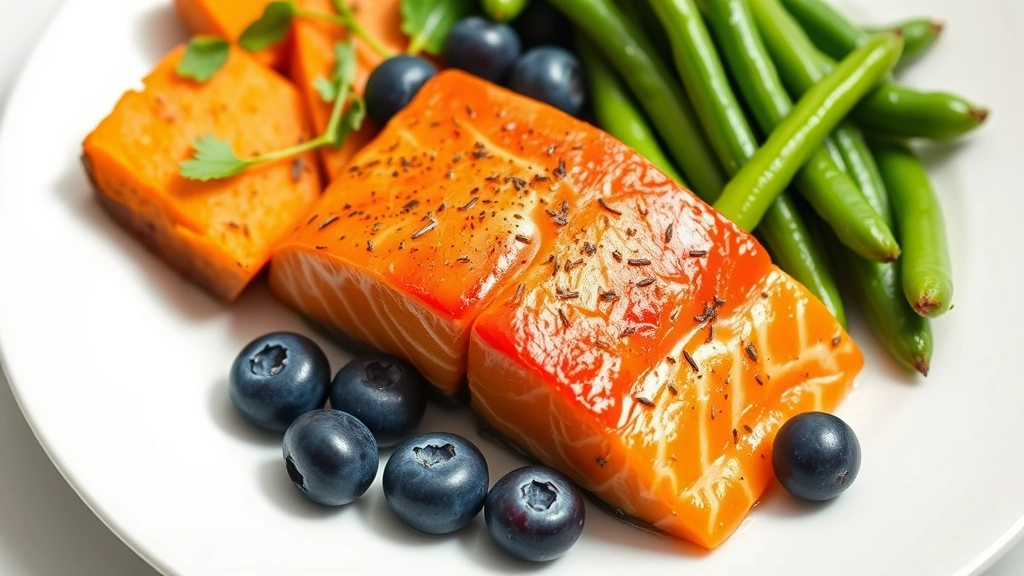
While avoiding certain foods is important, incorporating ear-friendly options is equally valuable. Sweet potatoes, blueberries, and leafy greens are nutrient-dense choices that support immune function.
Fish like salmon and sardines are packed with omega-3 fatty acids that reduce inflammation. Lean meats like turkey and lamb are excellent protein sources for dogs with chicken sensitivities. These positive additions work alongside dietary restrictions to create a healing environment.
The Role of Water Quality and Hydration
Don’t overlook hydration. Clean, fresh water helps flush toxins and supports your dog’s immune system. Some dogs benefit from filtered water, especially if their tap water is high in minerals or chlorine.
Proper hydration also helps maintain healthy skin and ear canal moisture balance, creating an environment where infections are less likely to take hold.
When to Seek Professional Guidance
If your dog’s ear infections persist despite dietary changes, it’s time to consult your vet. Chronic ear issues can indicate underlying allergies, ear mites, or other conditions that require professional diagnosis.
Talk to a vet about your dog’s ear infection to rule out serious underlying causes. If you’re unsure whether your pet needs urgent care, a quick telehealth check-in can give you peace of mind—no appointment needed. Catching this early puts you in a great position to help.
Transition Tips: Changing Your Dog’s Diet Safely
When switching to a new diet, do it gradually over 7-10 days. Mix increasing amounts of the new food with the old to avoid digestive upset. A sudden dietary change can actually trigger inflammation, so patience is key.
Monitor your dog’s stools, energy levels, and ear health during the transition. If you notice improvements, continue with the new diet. If symptoms worsen, consult your vet before proceeding.
The Connection Between Skin Health and Ear Infections
Dogs with ear infections often have underlying skin allergies. If your pup also struggles with itchy skin, scratching, or hot spots, the same dietary triggers are likely at play. Learn about home treatment options for dog skin allergies to address the broader picture.
Treating the root cause—food sensitivities—can improve both skin and ear health simultaneously. It’s all connected.
Supplements That Support Recovery
Beyond diet, certain supplements can accelerate healing. Omega-3 fish oil, probiotics, and quercetin (a natural antihistamine) are commonly recommended by vets for dogs with ear infections.
Always check with your vet before adding supplements, as they can interact with medications or existing health conditions. Your veterinarian can recommend appropriate options and discuss any potential interactions.
Long-Term Prevention Strategy
The best approach is prevention. Once you’ve identified your dog’s food triggers and found a diet that works, stick with it. Consistency is more important than perfection.
Regular ear checks, proper grooming, and maintaining a clean ear environment are equally important. But diet is the foundation—get it right, and you’ll see fewer infections overall.
Frequently Asked Questions
Can changing my dog’s diet alone cure an ear infection?
Diet is a crucial part of treatment and prevention, but it’s not always a standalone cure. Active infections may require veterinary treatment, while dietary changes prevent recurrence and support healing.
How long does it take to see improvement after changing my dog’s diet?
Most dogs show signs of improvement within 2-4 weeks of dietary changes. Some respond faster, while others need 6-8 weeks to show significant results.
Are grain-free diets always better for dogs with ear infections?
Not necessarily. While grain-free diets help some dogs, others do fine with grains. The key is identifying your individual dog’s triggers through elimination diets.
Can I give my dog probiotics if they’re on antibiotics?
Yes, probiotics can be beneficial alongside antibiotics, but give them at different times of day. Ask your vet about the best timing and which probiotic brands they recommend.
What if my dog won’t eat the new food?
Transition slowly and mix the new food with something they love. If they refuse after a full transition period, consult your vet about alternative options or try a different brand.
What To Do Now
- Review your dog’s current food label: Check for corn, wheat, soy, and artificial additives. Write down the top 5 ingredients to discuss with your vet.
- Schedule a telehealth consultation: Talk to a vet about your dog’s ear infection to get personalized dietary recommendations and rule out other causes.
- Research limited-ingredient or hypoallergenic brands: Look for options that align with your dog’s specific sensitivities. Ask your vet for trusted recommendations.
- Plan a 7-10 day transition: Gradually introduce the new diet while monitoring your dog’s ears and digestive health for changes.
- Add omega-3 support: Talk to your vet about fish oil supplements or fish-based foods to reduce inflammation during recovery.
Summary: Your Dog’s Path to Healthier Ears
Ear infections are painful and frustrating for both you and your dog, but diet is one tool you control completely. By eliminating common triggers like grains, dairy, soy, and artificial additives, you’re removing fuel from the infection and supporting your dog’s natural healing.
Remember, every dog is unique. What works for one pup might not work for another. Work closely with your vet to identify your dog’s specific triggers and create a long-term dietary plan that keeps their ears healthy and infection-free.
Your pup’s constant scratching and head shaking can improve dramatically with the right dietary approach. The investment in quality food and thoughtful ingredient choices pays dividends in comfort, health, and happiness. Start today, stay consistent, and watch your dog thrive.
For more guidance on managing your dog’s health through diet, explore our resources on dog urinary tract infection foods to avoid and dog gastrointestinal issues home treatment. Your vet is always your best partner in this journey.