
If your young puppy or dog keeps scratching at their ears, shaking their head, or has a foul smell coming from inside, you’re likely dealing with a dog ear infection in young pets—and you’re not alone. Ear infections are one of the most common reasons pet owners rush to the vet, especially with puppies and young dogs whose immune systems are still developing.
Table of Contents
- Why Young Dogs Get Ear Infections More Often
- Signs Your Young Dog May Have an Ear Infection
- Understanding the Root Causes of Ear Infections
- Treatment Option 1: Professional Ear Cleaning
- Treatment Option 2: Topical Medications and Ear Drops
- Treatment Option 3: Oral Medications
- Treatment Option 4: Anti-Inflammatory Therapy
- Treatment Option 5: Addressing Underlying Allergies
- Treatment Option 6: Natural Remedies and Home Care
- Treatment Option 7: Preventative Measures for Future Protection
- When to Seek Urgent Veterinary Care
- Working With Your Vet: Creating a Treatment Plan
- What to Do Now: Your Action Plan
- Frequently Asked Questions
- Summary: Getting Your Young Dog’s Ears Healthy Again
This article is for informational purposes only and is not a substitute for professional veterinary advice. Always consult a licensed veterinarian for diagnosis and treatment.
The good news? Catching an ear infection early and knowing your treatment options puts you in a strong position to help your pup feel better quickly. Let’s walk through what causes these infections, how to spot them, and the proven treatments that actually work.
Why Young Dogs Get Ear Infections More Often
Young puppies and dogs under two years old tend to be more prone to ear infections than adults. Their ear canals are still developing, and their immune systems haven’t fully matured yet—making them more vulnerable to bacteria and yeast overgrowth.
Certain breeds like Cocker Spaniels, Labrador Retrievers, and dogs with floppy ears are at higher risk because their ear structure traps moisture and debris. If your young dog spends a lot of time in water or has allergies, the risk jumps even higher.
The warm, moist environment inside a dog’s ear is basically a perfect breeding ground for infection. Add in some water from swimming, food particles, or yeast spores, and you’ve got the recipe for trouble.
Signs Your Young Dog May Have an Ear Infection
The earlier you catch a dog ear infection in young pets, the easier it is to treat. Watch for these telltale signs:
- Excessive scratching, rubbing, or pawing at the ears
- Head shaking or tilting to one side
- Redness, swelling, or discharge inside the ear
- A yeasty or foul odor coming from the ear canal
- Crusty or waxy buildup on the ear flap or inside
- Behavioral changes like irritability or reluctance to be touched near the head
- Hair loss around the ears from excessive scratching
If you notice any of these, don’t panic—catching this early puts you in a great position to help. A quick check-in with your vet (even online) can confirm what you’re dealing with and get your pup on the path to recovery.
Understanding the Root Causes of Ear Infections
Ear infections in young dogs usually fall into three categories: bacterial, yeast-based, or parasitic. Knowing which type your pup has helps your vet recommend the right treatment approach.
Bacterial infections often develop after water gets trapped in the ear or when bacteria naturally present on the skin multiply out of control. Yeast infections thrive in warm, moist environments and are especially common in dogs with allergies or skin sensitivities. Parasitic infections (like ear mites) are less common in young dogs with regular preventative care but still worth watching for.
Underlying allergies—whether food-related or environmental—are a major trigger for ear infections in puppies. If your young dog keeps getting recurrent infections, allergies might be the real culprit.
Treatment Option 1: Professional Ear Cleaning
The first step most vets take is a thorough professional ear cleaning. This removes debris, discharge, and buildup that’s feeding the infection.
Your vet will use specialized equipment to gently flush and clean the ear canal—something you shouldn’t attempt at home without guidance. A proper cleaning can make a huge difference in how quickly your pup recovers and helps topical treatments work better.
Think of it as clearing the battlefield before bringing in reinforcements. Many mild infections improve significantly after just one professional cleaning combined with at-home care.
Treatment Option 2: Topical Medications and Ear Drops
After a professional cleaning, topical ear drops are usually the next line of defense for treating a dog ear infection in young pets. These medications go directly where the problem is, minimizing systemic side effects.
Your vet may recommend antibiotic drops for bacterial infections, antifungal drops for yeast, or combination formulas that address multiple issues at once. The key is consistent application—usually twice daily for 7-14 days, depending on severity.
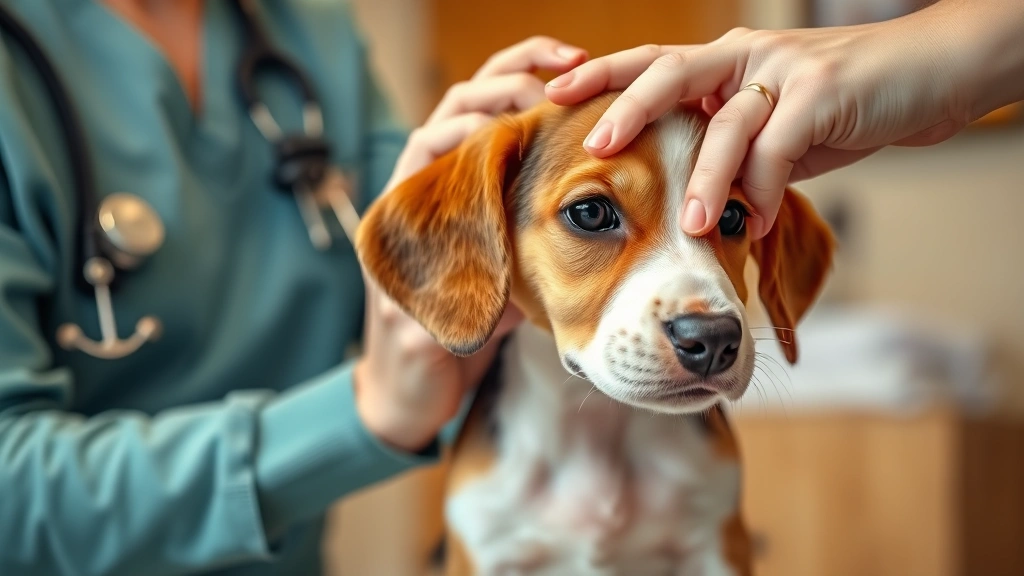
Pro tip: Warm the drops slightly between your hands before applying them. Most puppies tolerate ear drops better when they’re not cold, and it’s more comfortable for your pup.
Treatment Option 3: Oral Medications
For more severe infections or cases where topical treatments alone aren’t enough, oral antibiotics or antifungals may be necessary. These systemic medications work throughout your dog’s body to fight infection from the inside out.
Oral medications are especially helpful if your young dog has a middle or inner ear infection, which topical drops can’t always reach effectively. Your vet will determine the right medication based on the type of infection and your pup’s overall health.
Always give oral medications exactly as prescribed, even if your dog seems better before the course is finished. Stopping early can lead to infection returning stronger.
Treatment Option 4: Anti-Inflammatory Therapy
Ear infections cause inflammation and discomfort—and that itching drives dogs crazy. Anti-inflammatory medications help reduce swelling, pain, and that maddening urge to scratch.
Reducing inflammation also speeds healing and makes your pup more comfortable while the infection clears. Your vet may recommend these alongside other treatments to provide faster relief.
Many young dogs show improvement in comfort within 24-48 hours of starting anti-inflammatory therapy, which can be a huge relief for both you and your pup.
Treatment Option 5: Addressing Underlying Allergies
If your young dog keeps getting recurrent ear infections, the real issue might be allergies. Food sensitivities, environmental allergies, or atopic dermatitis can create the perfect conditions for repeated infections.
Working with your vet to identify and manage allergies is crucial for long-term prevention. This might involve an elimination diet, allergy testing, or environmental changes.
Once allergies are under control, ear infections often become a thing of the past. It’s worth investing time in solving this root cause rather than just treating infections as they pop up.
Treatment Option 6: Natural Remedies and Home Care
While professional treatment is essential, certain at-home care strategies can support healing and prevent future infections. For detailed information on natural approaches, explore natural remedies for dog ear infections that complement veterinary care.
Keep your young dog’s ears dry after swimming or baths—moisture is the enemy. Gently wipe the outer ear with a soft, dry cloth, and consider ear drying solutions if your pup loves water.
Regular ear checks and gentle cleaning with a vet-approved solution can help catch problems early. Never use cotton swabs deep in the ear canal; stick to the outer ear only.
Treatment Option 7: Preventative Measures for Future Protection
Once your young dog recovers, prevention becomes your best friend. Regular ear checks, keeping ears dry, and maintaining good overall hygiene go a long way.
Consider these preventative steps:

- Check ears weekly for redness, odor, or discharge
- Keep ears dry after water exposure or baths
- Use ear-drying solutions after swimming
- Manage allergies proactively with your vet’s guidance
- Maintain regular grooming and ear hair trimming if needed
- Use preventative ear treatments during high-risk seasons
Building these habits now while your dog is young sets them up for healthier ears throughout their life.
When to Seek Urgent Veterinary Care
Most ear infections respond well to treatment within 1-2 weeks. However, some situations need faster attention.
Seek urgent care if your young dog shows signs of severe pain, fever, balance problems, or if the infection spreads to the middle or inner ear. These can be more serious and need immediate professional evaluation.
If you’re unsure whether your pet needs urgent care, a quick telehealth check-in can give you peace of mind—no appointment needed. Getting expert eyes on your pup quickly can prevent complications.
Working With Your Vet: Creating a Treatment Plan
Every young dog is different, and the best treatment plan is personalized to your pup’s specific situation. Your vet will consider the infection type, severity, your dog’s age and health, and any underlying conditions.
Don’t hesitate to ask questions about your dog’s treatment. Understanding why your vet recommends specific medications or approaches helps you follow through with care at home. Digital vet consultations make it easy to get follow-up advice without leaving home.
Follow-up appointments are important to confirm the infection has cleared and adjust treatment if needed. Most vets recommend a recheck within 2-4 weeks of starting treatment.
What to Do Now: Your Action Plan
- Schedule a vet appointment today — Whether in-person or via digital consultation, get a professional diagnosis. Don’t wait, as infections can worsen quickly in young dogs.
- Document symptoms and timeline — Note when you first noticed scratching, any discharge, odor changes, and behavioral shifts. This information helps your vet pinpoint the problem.
- Prepare for treatment compliance — Whether it’s twice-daily ear drops or oral medications, set phone reminders and establish a routine to ensure consistent care.
- Identify potential triggers — Think about recent changes: new food, swimming, grooming, or environmental factors. Share these details with your vet.
- Plan for follow-up care — Ask your vet when to schedule a recheck and what signs would warrant an earlier return visit.
Frequently Asked Questions
How long does it take to treat a dog ear infection in young pets?
Most ear infections show improvement within 5-7 days of treatment, with complete resolution typically occurring in 2-4 weeks. Severe or recurrent infections may take longer.
Can I treat my puppy’s ear infection at home without a vet?
Professional diagnosis is essential because different infections require different treatments. Home care alone without a vet’s guidance can allow the infection to worsen and spread to deeper ear structures.
Are ear infections contagious between dogs?
Bacterial and yeast ear infections aren’t typically contagious between dogs, but ear mites are highly contagious. Your vet will determine which type your dog has.
Why does my young dog keep getting ear infections?
Recurrent infections usually point to underlying allergies, breed predisposition, or environmental factors like excessive water exposure. Working with your vet to identify root causes prevents future infections.
Is my dog in pain with an ear infection?
Yes, ear infections are uncomfortable and often painful, which is why dogs scratch excessively. Treatment with anti-inflammatory medications provides relief relatively quickly.
Summary: Getting Your Young Dog’s Ears Healthy Again
A dog ear infection in young pets is stressful, but it’s highly treatable when caught early. The combination of professional cleaning, appropriate medications, and consistent home care works effectively for most puppies and young dogs.
Remember: your vet is your partner in this. Don’t hesitate to reach out with questions, concerns, or if you’re not seeing improvement as expected. Early intervention and thorough treatment prevent complications and get your pup back to their happy, comfortable self.
Your young dog is counting on you to notice these signs and act quickly. You’ve got this—and your vet has your back every step of the way. Reach out today, follow the treatment plan, and look forward to healthier ears ahead.