
If your dog is scratching at their ears constantly, shaking their head, or producing a foul odor, you’re likely dealing with a dog ear infection—and you’re not alone. Ear infections are one of the most common complaints veterinarians hear from worried pet owners, and the good news is that dog ear infection natural remedies can play a meaningful role in supporting your pup’s recovery and preventing future flare-ups.
Table of Contents
- Understanding Why Dogs Get Ear Infections
- The Seven Proven Natural Remedies for Dog Ear Infections
- When to Seek Professional Veterinary Care
- The Role of Allergies in Chronic Ear Infections
- Natural Remedies vs. Professional Treatment: Finding Balance
- Creating a Long-Term Ear Health Plan
- Summary: Your Dog’s Path to Ear Health
- Frequently Asked Questions
- What To Do Now
This article is for informational purposes only and is not a substitute for professional veterinary advice. Always consult a licensed veterinarian for diagnosis and treatment.
Before diving into natural solutions, it’s important to understand what’s happening inside your dog’s ear. Most ear infections stem from bacteria, yeast, or a combination of both—often triggered by moisture, allergies, or ear mites. While natural remedies can be incredibly helpful, they work best alongside professional guidance, not as a replacement for it.

Understanding Why Dogs Get Ear Infections
Your dog’s ear canal is L-shaped, which means moisture and debris can easily get trapped inside. This warm, dark environment becomes a breeding ground for yeast and bacteria. Certain breeds—especially those with floppy ears like Cocker Spaniels, Basset Hounds, and Golden Retrievers—are more prone to infections simply due to their anatomy.
Allergies are another major culprit. If your dog has food sensitivities or environmental allergies, their ears may become inflamed and itchy, creating the perfect conditions for infection. Catching this early puts you in a great position to help.

The Seven Proven Natural Remedies for Dog Ear Infections
1. Apple Cider Vinegar Rinse
Apple cider vinegar is a time-tested remedy that many pet owners swear by. Its acidic nature helps restore your dog’s ear pH balance, making the environment less hospitable to yeast and bacteria. Mix one part apple cider vinegar with one part filtered water, then gently pour or spray the solution into the ear canal. Let it sit for a few minutes before allowing your dog to shake it out.
Important note: Only use this remedy if the eardrum is intact and there are no open wounds in the ear. If your dog shows signs of pain or the infection seems severe, skip this step and consult your vet first.

2. Coconut Oil Treatment
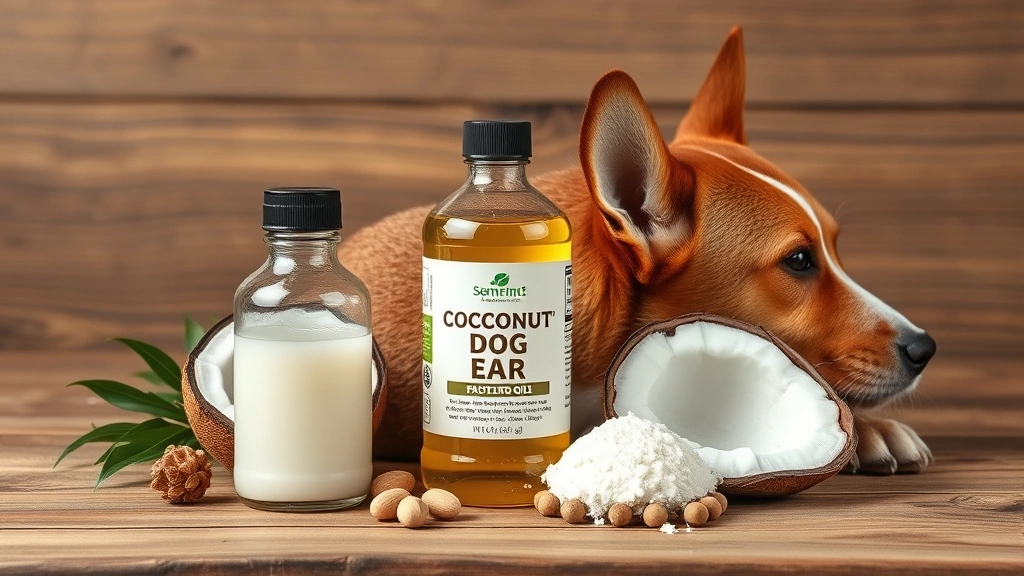
Coconut oil contains lauric acid and other compounds that have natural antimicrobial properties. Warm a small amount of coconut oil (just until it’s liquid, not hot) and apply it gently around the inner ear flap and ear canal using a cotton ball. The oil soothes inflammation while fighting infection from the outside in.
This remedy is especially gentle and can be used several times a week as part of a maintenance routine.

3. Mullein Oil Drops
Mullein oil is an herbal remedy traditionally used for ear discomfort. It’s believed to have anti-inflammatory and antimicrobial properties. You can find mullein oil at health food stores or online. Apply a few drops into the affected ear, massage gently, and let your dog shake out the excess. Many pet owners report their dogs seem more comfortable within a few applications.
Always ensure the oil is at room temperature before applying it to sensitive ear tissue.
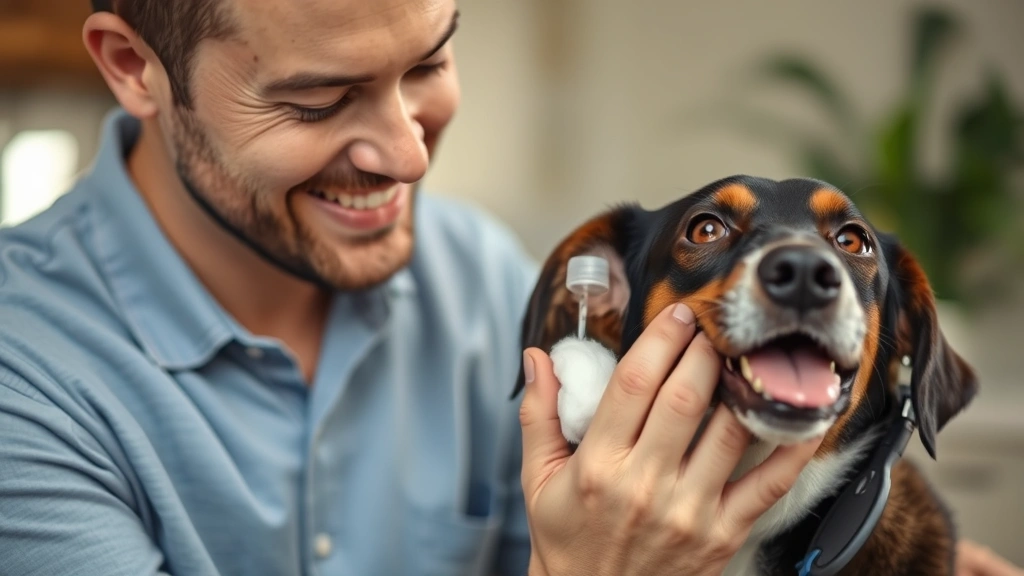
4. Proper Ear Cleaning Routine
Sometimes the simplest solution is the most effective. Regular ear cleaning removes debris, excess moisture, and buildup that feeds infections. Use a vet-approved ear cleaner or a gentle solution of equal parts water and white vinegar. Soak a cotton ball and gently wipe the visible parts of the ear canal—never push deep into the ear.
Establish a weekly cleaning routine, especially if your dog swims frequently or has floppy ears. This preventive approach can dramatically reduce infection recurrence.

5. Probiotics and Gut Health Support
Here’s something many pet owners overlook: ear infections often signal an imbalance in your dog’s overall microbiome. Adding a quality probiotic supplement designed for dogs may help strengthen their immune system and reduce inflammation from the inside out. Look for products with multiple beneficial strains.
A healthy gut supports healthier skin and ears, creating a stronger defense against infection.
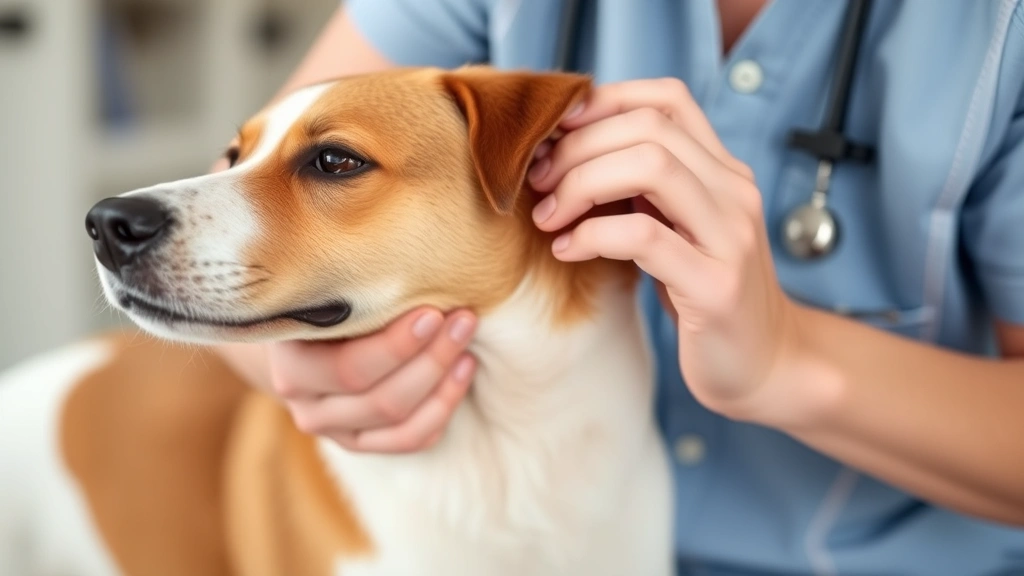
6. Dietary Adjustments and Omega Fatty Acids
Omega-3 and omega-6 fatty acids are powerful anti-inflammatory agents. If your dog’s ear infections are linked to allergies or chronic inflammation, adding fish oil or flaxseed oil to their diet may help reduce ear inflammation over time. These supplements support skin barrier function, making infections less likely.
Work with your veterinarian to determine the right dosage and source for your individual dog.
7. Keeping Ears Dry and Well-Ventilated
Prevention is always easier than treatment. After baths or swimming, thoroughly dry your dog’s ears with a clean towel. For dogs prone to ear infections, consider using a drying solution after water exposure. Keep the hair around the ear canal trimmed to improve air circulation, and avoid inserting anything deep into the ear that might trap moisture.
This simple habit can prevent up to 50% of recurring ear infections in susceptible dogs.

When to Seek Professional Veterinary Care
Natural remedies are wonderful, but they have limits. If your dog shows signs of severe pain, discharge that smells particularly foul, or if the infection doesn’t improve within 7-10 days of home care, it’s time to schedule a professional evaluation. Your vet can identify whether bacteria, yeast, or ear mites are responsible—information that guides the most effective treatment approach.
If you are unsure whether your pet needs urgent care, a quick telehealth check-in with a vet about dog ear infection online can give you peace of mind—no appointment needed. This is especially helpful if you want to confirm whether a remedy is safe for your dog’s specific situation.
The Role of Allergies in Chronic Ear Infections
If your dog experiences recurring ear infections, allergies are often the underlying cause. Dogs with chronic paw licking and skin issues frequently also struggle with ear problems. Addressing the root allergy—whether food-related or environmental—is crucial for long-term relief.
Your veterinarian can help identify triggers through elimination diets or allergy testing, allowing you to prevent infections before they start.

Natural Remedies vs. Professional Treatment: Finding Balance
The best approach combines both worlds. Natural remedies excel at supporting comfort, reducing inflammation, and preventing future infections. Professional veterinary care excels at accurate diagnosis, treating severe infections, and identifying underlying conditions like allergies or ear mites.
Think of natural remedies as your first line of defense and maintenance tool, while professional care is your safety net and diagnostic partner.

Creating a Long-Term Ear Health Plan
Once your dog’s infection clears, consistency is key. Establish a maintenance routine that includes:
- Weekly ear cleaning with a vet-approved solution
- Regular drying after water exposure
- Dietary support with omega fatty acids
- Probiotic supplementation if recommended
- Hair trimming around the ear canal
- Monthly check-ins with your vet during allergy season
This proactive approach prevents the infection cycle that many dogs get trapped in.
Summary: Your Dog’s Path to Ear Health
Dog ear infection natural remedies offer safe, effective support when combined with professional guidance. Apple cider vinegar rinses, coconut oil, mullein oil, proper cleaning, probiotics, dietary adjustments, and moisture control all play important roles in your dog’s recovery and prevention plan.
Remember: natural doesn’t always mean “do it alone.” Your veterinarian is your partner in keeping your dog’s ears healthy and comfortable. If symptoms persist or worsen, professional evaluation is always the right call.
Frequently Asked Questions
Can I use human ear drops on my dog?
No, human ear products are not formulated for dogs and may contain ingredients that are toxic or irritating to canine ears. Always use products specifically designed for dogs, or consult your vet before applying anything to your dog’s ears.
How long does it take for natural remedies to work?
Most dogs show improvement within 7-10 days of consistent natural remedy use. If there’s no improvement by day 10, or if symptoms worsen, contact your veterinarian for professional evaluation.
Are ear infections contagious between dogs?
Bacterial and yeast infections are not typically contagious, but ear mites are highly contagious. If you suspect ear mites, keep your dog away from other pets until your vet confirms the diagnosis and treatment begins.
Can diet really prevent ear infections?
Yes. Dogs with food allergies often experience chronic ear inflammation. Identifying and eliminating trigger foods, along with adding anti-inflammatory supplements like omega fatty acids, can significantly reduce infection frequency.
Is it safe to use apple cider vinegar if my dog has a ruptured eardrum?
No. Apple cider vinegar should never be used if there’s any chance of a ruptured eardrum, as it can cause severe pain and further damage. Your vet can determine eardrum integrity during examination.
What To Do Now
- Schedule a vet check: Even if you plan to use natural remedies, get a professional diagnosis first. Contact The Pet Vet for an online consultation if you prefer convenience, or visit your local veterinarian.
- Identify the infection type: Ask your vet whether your dog’s infection is bacterial, yeast-based, or caused by ear mites. This determines which natural remedies are most appropriate.
- Start a cleaning routine: Begin gentle weekly ear cleanings with a vet-approved solution to remove debris and prevent buildup.
- Add anti-inflammatory support: Introduce omega-3 supplements or consider a probiotic designed for dogs to support immune function and reduce inflammation.
- Monitor and document: Keep notes on your dog’s symptoms, which remedies you’re using, and how your pup responds. Share this information with your vet at follow-up visits.