
If your dog has been shaking their head, scratching at their ears, or you’ve noticed a foul smell coming from inside their ears, you’re likely dealing with a dog ear infection stages that need your attention. Ear infections are one of the most common reasons pet owners visit the vet, and understanding what’s happening inside your dog’s ear can help you act quickly and confidently.
Table of Contents
- Why Do Dogs Get Ear Infections?
- Stage 1: Early Inflammation (Acute Otitis Externa)
- Stage 2: Moderate Infection (Chronic Otitis Externa)
- Stage 3: Severe Infection (Otitis Media or Interna)
- How Vets Diagnose Ear Infections
- Treatment Options at Each Stage
- Preventing Ear Infections From Returning
- When to Seek Emergency Care
- Related Conditions to Watch For
- What To Do Now
- Frequently Asked Questions
- Summary: Understanding Dog Ear Infection Stages
This article is for informational purposes only and is not a substitute for professional veterinary advice. Always consult a licensed veterinarian for diagnosis and treatment.
Ear infections in dogs don’t just appear overnight—they develop in stages, and catching them early makes a real difference in how quickly your pup feels better. Let’s walk through what happens at each stage, what you’ll notice, and how to respond.
Why Do Dogs Get Ear Infections?
Before we dive into the stages, it helps to understand why ear infections happen in the first place. Dogs’ ears have a unique L-shaped canal that traps moisture and debris more easily than human ears. This warm, moist environment is like an invitation for bacteria and yeast to party.

Common culprits include allergies, excess moisture from swimming or baths, ear mites, and even wax buildup. Some breeds—especially those with floppy ears like Golden Retrievers, Cocker Spaniels, and Basset Hounds—are more prone to infections because their ear flaps block airflow.
Stage 1: Early Inflammation (Acute Otitis Externa)
The first stage of a dog ear infection is where things start to go wrong, but it’s also where early intervention can make the biggest impact. At this point, the outer ear canal is becoming inflamed, but the infection hasn’t spread deeper yet.
What you might notice:

- Head shaking or tilting to one side
- Mild scratching or pawing at the ear
- Slight redness inside the ear flap
- A faint odor (not yet strong)
- Your dog may seem uncomfortable but not in severe pain
Many pet owners miss this stage because the signs are subtle. Your dog might just seem a bit itchy, and you could easily chalk it up to normal grooming. Catching this early puts you in a great position to help your pup feel better fast.
At this stage, a quick telehealth consultation can be incredibly helpful. You can talk to a vet about dog ear infection online to get guidance on whether your dog needs an in-person exam or if home care and monitoring might be appropriate.
Stage 2: Moderate Infection (Chronic Otitis Externa)
If the early stage goes unnoticed or untreated, the infection progresses. The inflammation deepens, and bacteria or yeast populations explode. This is where your dog really starts to show discomfort.
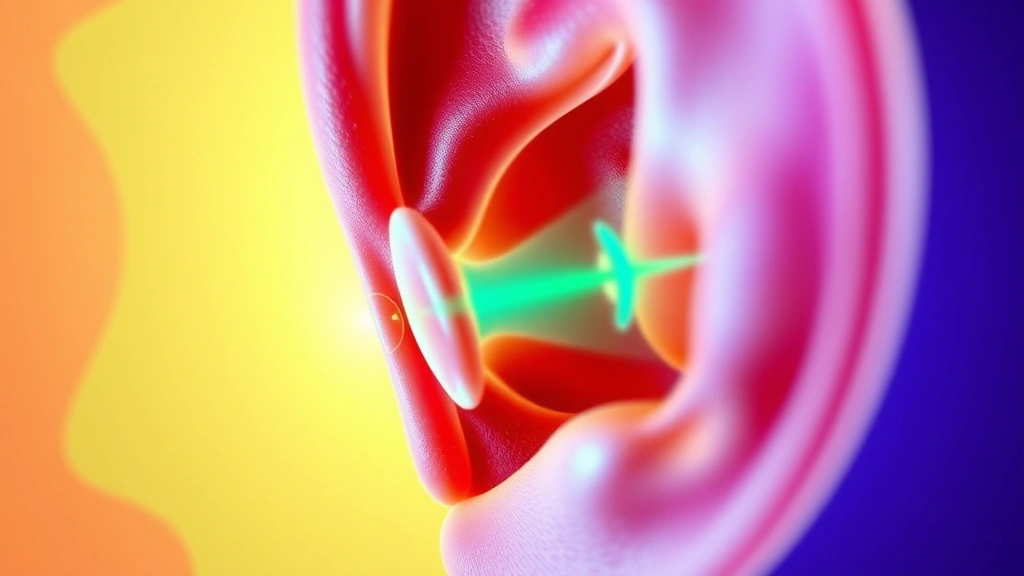
Symptoms at this stage include:
- Constant head shaking and ear scratching
- Visible redness and swelling inside the ear
- A noticeable, unpleasant odor from the ear
- Discharge that may be yellowish, brownish, or dark (sometimes called “coffee grounds” discharge)
- Your dog may pull away when you touch their ear
- Possible hair loss around the ear from excessive scratching
At this point, your dog is definitely uncomfortable, and you’ll want veterinary attention soon. The infection is established enough that it won’t resolve on its own, and waiting longer increases the risk of it spreading deeper into the middle or inner ear.
If you’re unsure whether your pet needs urgent care, a quick telehealth check-in can give you peace of mind—no appointment needed. An online vet for puppy ear infection can also help if your younger dog is showing these signs.
Stage 3: Severe Infection (Otitis Media or Interna)
This is the most serious stage, and it’s where the infection has moved beyond the outer ear canal into the middle or inner ear. This is no longer just uncomfortable—it can affect your dog’s balance, hearing, and overall health.
Warning signs include:
- Severe head tilting or leaning to one side
- Loss of balance or disorientation
- Nausea or vomiting
- Facial drooping or lack of response on one side of the face
- Discharge may be thick, bloody, or contain pus
- Your dog may cry out in pain or become withdrawn
- Possible fever or lethargy
If your dog is showing any of these signs, this is an emergency. Inner ear infections can be life-threatening if they spread to the brain, so don’t wait for a regular appointment. Seek immediate veterinary care, either through an emergency clinic or urgent care facility.

Catching this early puts you in a great position to prevent permanent hearing loss or neurological damage. Don’t panic—many dogs recover well with aggressive treatment, but time matters.
How Vets Diagnose Ear Infections
Your vet will use a few tools to figure out exactly what’s going on. An otoscope lets them look deep into the ear canal to see the inflammation and discharge. They might also take a sample of the discharge to look under a microscope or send it to a lab.
This helps them determine whether you’re dealing with bacteria, yeast, or both—which matters because treatment differs. Some vets also recommend imaging like X-rays or CT scans if they suspect the infection has reached the middle or inner ear.

Treatment Options at Each Stage
Treatment depends on which stage your dog is in, but the goal is always the same: eliminate the infection, reduce inflammation, and prevent recurrence.
Early Stage Treatment: Often includes ear cleaning, topical medications, and addressing the underlying cause (like allergies). Your vet might recommend regular ear cleaning at home.
Moderate Stage Treatment: Usually involves prescription ear drops or ointments, oral medications, and thorough professional cleaning. Your vet will likely want to recheck your dog’s ears after a week or two.
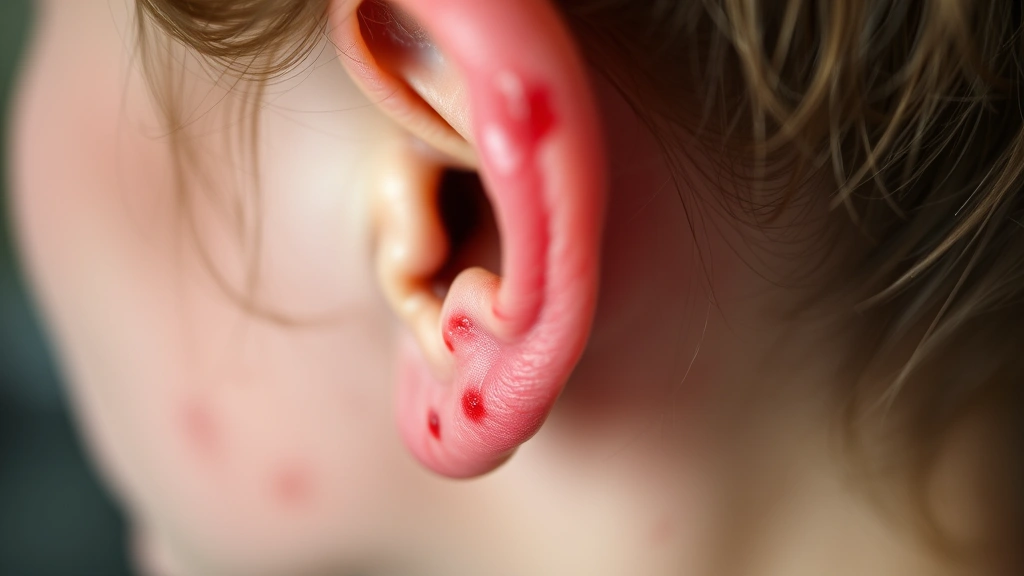
Severe Stage Treatment: May include oral antibiotics or antifungals, injectable medications, pain management, and possibly hospitalization. Surgery is rarely needed but might be considered if the infection doesn’t respond to medical treatment.
It’s important to note that specific medication dosages and types should always be determined by your veterinarian based on your individual dog’s condition and needs.
Preventing Ear Infections From Returning
Once your dog has had an ear infection, they’re more likely to get another one. Prevention is key to keeping those ears healthy long-term.

Here’s what you can do:
- Dry ears after water exposure: After swimming or baths, gently dry the inside of your dog’s ears with a soft cloth. Moisture is the enemy.
- Clean ears regularly: Ask your vet how often to clean your dog’s ears at home. For prone dogs, weekly cleaning might be necessary.
- Address allergies: Many ear infections stem from allergies. Understanding dog skin allergies stages explained can help you identify and manage underlying allergy issues.
- Keep ears trimmed: If your dog has hair growing inside their ears, ask your groomer to trim it carefully to improve airflow.
- Monitor for early signs: Catch head shaking and scratching early, before a full infection develops.
Prevention is always easier—and cheaper—than treatment, so these steps are worth the effort.
When to Seek Emergency Care
You don’t always need to rush to an emergency vet, but certain signs mean you should act fast. If your dog shows signs of stage 3 infection—balance problems, facial drooping, severe pain, or discharge that looks bloody—get them to a vet immediately.

Also seek urgent care if your dog has a fever, seems lethargic, or isn’t eating. These could indicate the infection has spread systemically.
For questions about whether your situation is truly urgent, you can talk to a vet about puppy ear infection online, and the same applies to adult dogs. A quick consultation can help you decide whether to head to the ER or schedule a regular appointment.
Related Conditions to Watch For
Sometimes ear infections don’t happen in isolation. If your dog has chronic ear problems, they might also be dealing with skin issues. You can talk to a vet about dog skin rash online if you notice rashes or other skin concerns alongside ear problems.

Similarly, if your dog has eye discharge or redness along with ear issues, that’s worth mentioning to your vet. Understanding dog eye infection emergency signs can help you spot multiple infections happening at once.
What To Do Now
If you suspect your dog has an ear infection, here’s your action plan:
- Schedule a vet appointment: Don’t wait. Call your regular vet or use a telehealth service to get eyes on the problem within 24-48 hours.
- Avoid home remedies: While it’s tempting to clean the ear yourself, you might push bacteria deeper or damage the eardrum if there’s a rupture. Let the vet guide you.
- Note what you’ve observed: Write down when the scratching started, what the discharge looks like, whether one ear or both are affected, and any other symptoms. This helps your vet.
- Keep the ear dry: Until you see the vet, avoid bathing your dog or getting water in their ears.
- Follow treatment instructions carefully: Once your vet gives you a plan, stick to it exactly—even if your dog seems better after a few days. Stopping treatment early is the #1 reason infections come back.
Frequently Asked Questions
How long does it take for a dog ear infection to go away?
Early-stage infections might improve in 1-2 weeks with treatment, while moderate infections typically take 2-4 weeks. Severe infections can take 4-8 weeks or longer, depending on how deep the infection has spread.

Can dog ear infections heal on their own?
Unfortunately, no. Bacterial and yeast infections won’t resolve without treatment. The longer you wait, the deeper the infection spreads and the more complicated treatment becomes.
Is a dog ear infection contagious to other dogs?
Ear mites can spread between dogs, but bacterial and yeast infections typically aren’t contagious. However, if one dog has mites, other pets in the home should be checked.
What’s the difference between a yeast and bacterial ear infection?
The discharge looks different—yeast infections often have a brown or dark discharge and a yeasty smell, while bacterial infections produce yellowish or greenish discharge. Your vet can determine which you’re dealing with by looking at a sample under the microscope.

Why do some dogs get ear infections more than others?
Breed (floppy ears), allergies, ear mite exposure, and moisture exposure all play a role. Some dogs are just more prone due to genetics or lifestyle, which is why prevention is so important for them.
Summary: Understanding Dog Ear Infection Stages
Dog ear infection stages explained—from early inflammation to severe inner ear involvement—show us that timing really matters. Catching an infection in stage 1 means faster recovery and less discomfort for your pup. Stage 2 requires veterinary treatment but is still very manageable. Stage 3 is serious and demands immediate attention.
The good news? You don’t have to navigate this alone. Whether you need a quick online consultation to figure out if your dog needs an exam or you’re looking for guidance on treatment, veterinary support is more accessible than ever. Your dog depends on you to notice the early signs—head shaking, scratching, odor—and act on them.

If you’re concerned about your dog’s ears right now, don’t hesitate to reach out to your vet or a telehealth service. Early action makes all the difference in getting your four-legged friend back to their happy, comfortable self.