
If your dog has been scratching at their ears more than usual, shaking their head constantly, or you’ve noticed a foul smell coming from inside their ear canal, your pup may be experiencing dog ear infection symptoms that need prompt attention. Ear infections are one of the most common reasons pet owners visit the vet, and catching them early can prevent serious complications and spare your furry friend a lot of discomfort.
Table of Contents
- What Causes Dog Ear Infections?
- 1. Excessive Scratching and Head Shaking
- 2. Redness and Swelling Inside the Ear
- 3. Discharge and Odor
- 4. Pain and Sensitivity
- 5. Crusting and Scabbing on the Ear
- 6. Balance Issues and Behavioral Changes
- 7. Ear Hematoma (Swelling and Fluid Buildup)
- How Vets Diagnose Ear Infections
- Treatment Options for Dog Ear Infections
- At-Home Care and Prevention
- When to Seek Urgent Care
- Breeds More Prone to Ear Infections
- The Connection Between Allergies and Ear Infections
- Frequently Asked Questions
- What To Do Now
- Summary
This article is for informational purposes only and is not a substitute for professional veterinary advice. Always consult a licensed veterinarian for diagnosis and treatment.
The good news? Most ear infections respond well to treatment when you act quickly. Understanding what to look for empowers you to get your dog the care they need before things get worse.
What Causes Dog Ear Infections?
Dog ear infections typically fall into three categories: bacterial, yeast, or parasitic. The warm, moist environment inside a dog’s ear canal creates the perfect breeding ground for these troublemakers, especially in breeds with floppy ears or hairy ear canals.
Common culprits include allergies (food or environmental), moisture trapped after swimming or baths, and ear mites. Some dogs are simply more prone to ear issues due to their genetics or anatomy. Understanding the root cause helps your vet recommend the best treatment plan.
1. Excessive Scratching and Head Shaking
One of the earliest and most obvious dog ear infection symptoms is relentless scratching at the affected ear. You might notice your dog pawing at their ear, rubbing their head on the ground, or tilting their head to one side repeatedly.
Head shaking is another telltale sign—your dog may shake their head as if trying to dislodge water after a bath. This behavior often intensifies in the evening or after your dog lies down. Catching this early puts you in a great position to help your pup feel better quickly.
2. Redness and Swelling Inside the Ear
If you gently lift your dog’s ear flap, take a peek at the inner ear. In a healthy ear, you’ll see pale pink skin. During an infection, the ear canal and flap may appear bright red, inflamed, or swollen.
The skin might also look raw or irritated from your dog’s constant scratching. Don’t be alarmed if you see these changes—they’re your signal to reach out to a vet, but they’re very treatable.
3. Discharge and Odor
A foul-smelling discharge is one of the most distinctive dog ear infection symptoms. The discharge can be waxy, crusty, or pus-like, ranging in color from yellow to brown to dark gray.
You might notice the smell even before you see the discharge. A yeasty or musty odor often indicates a yeast infection, while a more pungent smell suggests a bacterial infection. Either way, this is your cue to schedule a vet visit.
4. Pain and Sensitivity
Dogs with ear infections often become sensitive when you touch their ears. Your pup may pull away, yelp, or show signs of discomfort when you try to examine or pet the affected area.
Some dogs may also become irritable or show behavioral changes due to the pain and discomfort. If your normally sweet dog suddenly reacts negatively to ear touches, an infection could be the culprit.
5. Crusting and Scabbing on the Ear
Look closely at the outer ear flap and the skin around the ear canal. During an infection, you might spot crusted or scabbed areas, particularly if your dog has been scratching intensely.

These secondary skin changes happen because the constant scratching damages the skin, creating wounds that can become infected. Addressing the underlying ear infection stops the cycle of scratching and further damage.
6. Balance Issues and Behavioral Changes
In more severe cases, ear infections can affect your dog’s inner ear, which controls balance. You might notice your dog stumbling, tilting their head persistently, or appearing disoriented.
Some dogs also become withdrawn, lethargic, or less interested in play when dealing with a painful ear infection. These signs suggest the infection may be progressing and warrant immediate veterinary attention.
7. Ear Hematoma (Swelling and Fluid Buildup)
Constant head shaking and scratching can cause blood vessels in the ear flap to rupture, leading to a swollen, fluid-filled pocket called a hematoma. The ear may feel puffy or look distorted.
While a hematoma itself isn’t life-threatening, it indicates your dog’s infection has been causing significant discomfort for a while. Getting treatment now prevents further complications.
How Vets Diagnose Ear Infections
Your vet will start with a visual exam using an otoscope—a handheld light that lets them peer deep into the ear canal. They may also take a sample of any discharge to examine under a microscope or send to a lab.
This helps identify whether the infection is bacterial, yeast-based, or parasitic, which guides treatment decisions. In some cases, your vet might recommend imaging if they suspect the infection has spread deeper.
Treatment Options for Dog Ear Infections
Treatment depends on the type and severity of the infection. Your vet may prescribe ear drops, oral medications, or a combination of both. Some infections also benefit from professional ear cleaning to remove debris and discharge.
It’s crucial to follow your vet’s instructions carefully, including the full course of treatment, even if your dog seems better. Stopping treatment early can lead to recurring infections.
What to Expect During Treatment
- Ear drops or ointments: Applied directly into the ear canal, usually once or twice daily
- Oral antibiotics or antifungals: Taken by mouth to fight the infection from within
- Pain relief: Your vet may recommend pain management to keep your dog comfortable
- Follow-up exams: Scheduled to ensure the infection is clearing and to adjust treatment if needed
At-Home Care and Prevention
While your vet handles the infection, you can support healing at home by keeping the ear clean and dry. Gently wipe away any visible discharge with a soft cloth—never insert anything deep into the ear canal.
After baths or swimming, dry your dog’s ears thoroughly with a towel. Consider asking your vet about preventative ear cleanings if your dog is prone to infections. You can also talk to a vet about dog skin rash online if you notice secondary skin issues related to scratching.
Prevention Tips
- Keep ears dry after water exposure—use a towel or cotton ball gently
- Check ears weekly for signs of redness, odor, or discharge
- Address allergies promptly, as they’re a common trigger for ear infections
- Trim excess hair around the ear canal if your vet recommends it
- Use preventative ear cleaners if your dog has a history of infections
When to Seek Urgent Care
Most ear infections aren’t emergencies, but certain signs warrant urgent attention. If your dog shows severe pain, balance problems, or signs of a ruptured eardrum (such as sudden hearing loss), contact your vet immediately.
If your dog has a fever, seems very ill, or the infection isn’t improving after a week of treatment, don’t wait—reach out to your veterinarian right away. If you are unsure whether your pet needs urgent care, a quick telehealth check-in can give you peace of mind — no appointment needed.
Breeds More Prone to Ear Infections
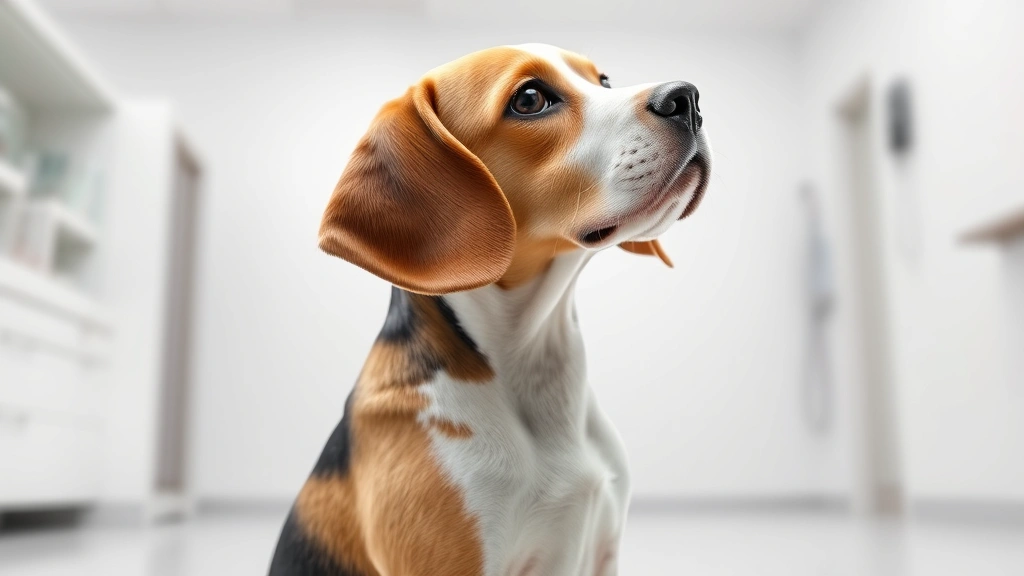
Certain breeds face higher risk due to their ear anatomy. Floppy-eared breeds like Cocker Spaniels, Basset Hounds, and Dachshunds trap moisture more easily. Dogs with hairy ear canals, such as Poodles and Schnauzers, are also more susceptible.
If you have a breed prone to ear issues, staying vigilant with preventative care and regular checks can make a big difference in keeping your dog comfortable.
The Connection Between Allergies and Ear Infections
Many dogs with chronic ear infections actually have underlying allergies. Allergies cause inflammation in the ear canal, which creates an ideal environment for bacteria and yeast to thrive.
If your dog keeps getting ear infections despite treatment, your vet may recommend allergy testing or dietary changes. Addressing the root cause prevents the cycle from repeating. You might also want to talk to a vet about dog shaking online if your pup shows other allergy-related symptoms.
Frequently Asked Questions
How long does it take for a dog ear infection to clear up?
Most ear infections improve within 5-7 days of treatment, though some may take 2-3 weeks depending on severity. Always complete the full course of medication as prescribed, even if symptoms disappear sooner.
Can dog ear infections go away on their own?
Mild cases might improve temporarily, but most ear infections require veterinary treatment to fully resolve. Without proper care, infections often worsen and become more painful and difficult to treat.
Is a dog ear infection contagious to other pets?
Bacterial and yeast infections aren’t typically contagious between dogs, but ear mites can spread. If your dog has mites, keep them away from other pets and wash bedding frequently.
What’s the difference between an ear infection and ear mites?
Ear mites are parasites visible under a microscope, while infections are caused by bacteria or yeast. Your vet can determine which through examination and testing—treatment differs for each.
Can I clean my dog’s ears myself to prevent infections?
Yes, gentle weekly cleaning with a vet-approved solution can help prevent infections. However, never use cotton swabs deep in the canal, and stop immediately if your dog shows pain or resistance.
What To Do Now
- Schedule a vet appointment: Contact your veterinarian today if you’ve noticed any of these dog ear infection symptoms. Early treatment leads to faster recovery and less discomfort for your pup.
- Gently inspect the ears: Lift your dog’s ear flap and look for redness, discharge, or odor. Take note of what you observe to share with your vet.
- Keep ears clean and dry: If your dog has been in water recently, gently dry the ears with a soft towel. Avoid inserting anything deep into the ear canal.
- Avoid over-the-counter treatments without guidance: While tempting, home remedies can sometimes make things worse. Wait for your vet’s diagnosis before treating.
- Prepare for the vet visit: Write down when you first noticed symptoms, any changes in behavior, and whether your dog has had ear infections before. This information helps your vet determine the best course of action.
Summary
Dog ear infection symptoms range from subtle scratching to obvious discharge and odor. The seven warning signs covered here—excessive scratching, redness, discharge, pain, crusting, balance issues, and ear hematomas—all point to an infection that needs veterinary care.
The encouraging news is that ear infections respond well to prompt treatment. By recognizing symptoms early and getting your dog to a vet quickly, you’re setting your pup up for a speedy recovery and a return to their happy, comfortable self.
Don’t hesitate to reach out to your veterinarian or explore telehealth options if you’re unsure about what you’re seeing. Your dog is counting on you, and getting professional guidance is always the right call. For additional support on other health concerns, resources like PetMD’s guide to ear infections and the American Veterinary Medical Association offer excellent information.