
Noticing your dog’s eyes looking red, swollen, or discharge-filled shortly after a vaccination appointment can be really alarming—and you’re right to pay attention. A dog eye infection after vaccination is uncommon but does happen, and understanding what’s going on can help you respond quickly and confidently.
Table of Contents
- Understanding Eye Infections in Dogs After Vaccination
- Common Signs Your Dog May Be Experiencing an Eye Infection
- Why Vaccinations Can Temporarily Increase Infection Risk
- Types of Eye Infections Common After Vaccination
- When to Seek Immediate Veterinary Care
- Proven Treatment Approaches for Post-Vaccination Eye Infections
- Home Care Tips While Your Dog Recovers
- Can You Talk to a Vet Online About Post-Vaccination Eye Issues?
- Preventing Eye Infections After Future Vaccinations
- Related Conditions to Be Aware Of
- Summary: What You Need to Remember
- Frequently Asked Questions
- What To Do Now
This article is for informational purposes only and is not a substitute for professional veterinary advice. Always consult a licensed veterinarian for diagnosis and treatment.
The good news? Most eye infections respond well to prompt care, and catching this early puts you in a great position to help your pup feel better fast. Let’s walk through what you need to know.
Understanding Eye Infections in Dogs After Vaccination
Eye infections that appear shortly after vaccination aren’t necessarily caused by the vaccine itself. Instead, they often occur because vaccination can temporarily stress the immune system, making your dog more susceptible to bacterial or viral infections that were already lurking nearby.
Think of it this way: your dog’s immune system is busy responding to the vaccine, which means other pathogens get an easier opening. This is why some dogs develop secondary infections—like conjunctivitis or keratitis—within days or weeks of their shot.
The timing matters. If your dog’s eye symptoms appear within 2–3 weeks of vaccination, there’s likely a connection, though not always a direct one.
Common Signs Your Dog May Be Experiencing an Eye Infection
Recognizing the early warning signs means you can seek help before things get uncomfortable for your pup. Here are the most common symptoms:
- Redness or pink discoloration in the white of the eye or inner eyelid
- Discharge ranging from clear and watery to thick and yellowish
- Swelling around the eyelids or conjunctiva
- Excessive tearing or squinting
- Eye rubbing or pawing at the face
- Sensitivity to light (your dog may keep eyes closed or avoid bright areas)
- Cloudiness or haziness in the eye itself
- Behavioral changes like decreased appetite or lethargy
If you spot any of these signs, don’t panic—but do reach out to your vet soon. Catching this early puts you in a great position to help.
Why Vaccinations Can Temporarily Increase Infection Risk
Vaccines work by stimulating your dog’s immune system to create protective antibodies. During this process, the immune system is focused and active, which is exactly what you want. However, this heightened immune response can occasionally leave other body systems slightly compromised for a short window.
Additionally, if your dog was already exposed to a bacterial or viral pathogen before vaccination, the timing of symptom onset might coincide with the vaccine—even though the infection wasn’t directly caused by it.
Stress is another factor. Vaccination appointments involve handling, travel, and environmental changes, all of which can suppress immune function temporarily in sensitive dogs.
Types of Eye Infections Common After Vaccination
Understanding what type of infection your dog may be experiencing helps you and your vet decide on the best approach. Here are the most common post-vaccination eye conditions:
Bacterial Conjunctivitis
This is inflammation of the conjunctiva (the membrane covering the white of the eye) caused by bacteria. You’ll typically see thick, yellowish discharge and significant redness. Bacterial infections are responsive to treatment and very manageable with proper care.
Viral Conjunctivitis
Viral eye infections often produce watery discharge and may be accompanied by upper respiratory symptoms like sneezing or nasal discharge. These tend to resolve on their own but benefit from supportive care and monitoring.
Keratitis (Corneal Inflammation)
If the cornea itself becomes inflamed, you may notice more obvious light sensitivity and squinting. This is more serious than simple conjunctivitis and requires prompt veterinary attention to prevent complications.
When to Seek Immediate Veterinary Care
Some eye symptoms warrant urgent attention. Contact your vet right away or seek emergency care if you notice:
- Severe pain or constant squinting
- Cloudiness or opacity in the cornea
- Discharge that’s bloody or contains pus
- Swelling so severe the eye is nearly or completely shut
- Sensitivity to light so intense your dog won’t open their eyes
- Any visible wound, ulcer, or abrasion on the eye surface
If you’re uncertain whether your situation is urgent, emergency vet consultation online can give you immediate guidance. A quick telehealth check-in can give you peace of mind—no appointment needed.
Proven Treatment Approaches for Post-Vaccination Eye Infections
Your veterinarian will tailor treatment based on what’s causing the infection. While I won’t recommend specific dosages (that’s your vet’s job), here’s what typical treatment plans often include:
Topical Eye Medications
Antibiotic or antiviral eye drops are the first-line treatment for most infections. These are applied directly to the eye several times daily and work locally to fight infection and reduce inflammation.
Oral Medications
In some cases, systemic treatment may be recommended to support immune function or address underlying infection throughout the body.
Supportive Care
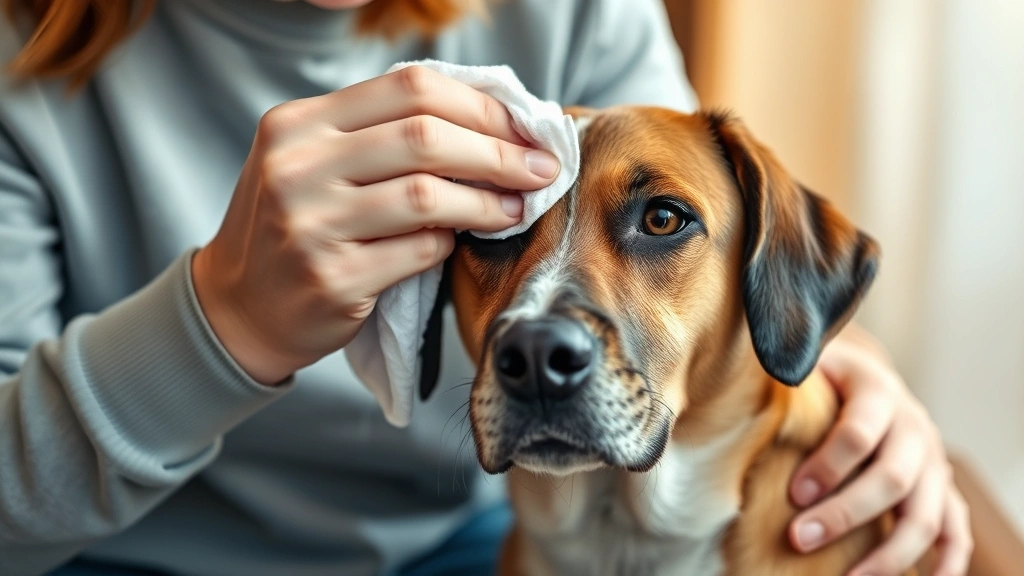
Keeping the eye clean, applying warm compresses, and preventing your dog from rubbing are essential parts of recovery. These simple steps make a real difference in how quickly your pup improves.
Monitoring and Follow-Up
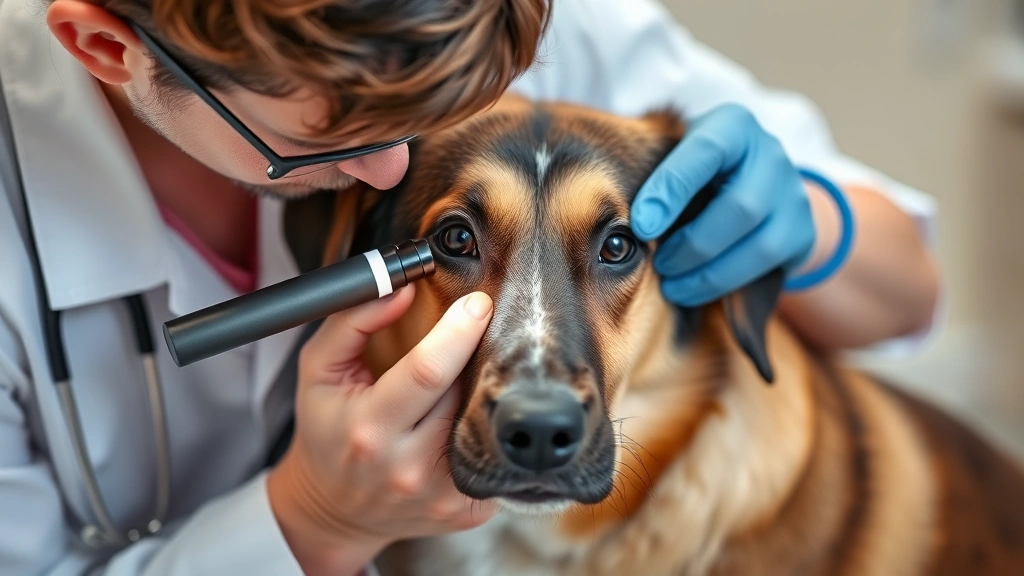
Your vet will likely want to recheck your dog’s eyes after a few days to ensure the infection is responding to treatment. This follow-up is crucial and helps catch any complications early.
Home Care Tips While Your Dog Recovers
While your vet handles the medical side, you play a vital role in your dog’s recovery. Here’s what you can do at home:
- Apply warm compresses gently to the affected eye 2–3 times daily for 5–10 minutes to soothe discomfort and help loosen discharge
- Use a clean, damp cloth to gently wipe away discharge from the corner of the eye toward the nose (never wipe away from the eye)
- Prevent rubbing by keeping your dog’s nails trimmed and, if necessary, using an Elizabethan collar to protect the eye
- Keep the environment clean by washing bedding frequently and avoiding dusty or smoky areas
- Administer medications exactly as prescribed, setting phone reminders if needed to stay on schedule
- Limit outdoor time in windy or dusty conditions until the infection clears
Consistency with these steps speeds recovery and prevents the infection from worsening. Your dog will appreciate your gentle care.
Can You Talk to a Vet Online About Post-Vaccination Eye Issues?
Absolutely. If your dog develops an eye infection after vaccination and you’re unsure whether it needs urgent in-person care, telehealth is a great option. Talking to a vet online about infections lets you describe symptoms, get professional feedback, and determine next steps without the stress of travel.
A telehealth vet can help you decide whether your dog needs emergency care, a same-day appointment, or if supportive home care with follow-up is appropriate. This flexibility is especially valuable when your regular vet’s office is closed.
For immediate guidance anytime, 24-hour vet advice online ensures you’re never left wondering if your pup is okay.
Preventing Eye Infections After Future Vaccinations
While you can’t eliminate all risk, a few smart strategies can reduce the chances of post-vaccination eye infections:
- Schedule vaccinations strategically. If your dog has a history of infections, discuss timing with your vet to avoid vaccination during high-exposure seasons (like spring/summer for some pathogens)
- Minimize stress around vaccination day. Keep your dog calm, avoid excessive play, and stick to a normal routine
- Ensure good nutrition. A healthy diet supports immune function and helps your dog bounce back faster
- Keep your dog’s environment clean. Regular cleaning reduces pathogen load and lowers infection risk
- Watch for early signs. The sooner you catch an infection, the easier it is to treat
Prevention isn’t foolproof, but these steps tilt the odds in your dog’s favor.
Related Conditions to Be Aware Of
Sometimes what looks like an eye infection might be something else entirely—or might occur alongside other post-vaccination reactions. For instance, some dogs experience dog toxicity after vaccination, which can manifest as systemic symptoms including eye involvement.
Additionally, conditions like dog dental disease after vaccination can occasionally have overlapping symptoms or shared immune triggers. Always mention the full picture to your vet, including any other symptoms your dog is experiencing.
Summary: What You Need to Remember
A dog eye infection after vaccination is treatable and often resolves quickly with proper care. The key steps are:
- Recognize early signs like redness, discharge, or swelling
- Seek veterinary care promptly—don’t wait
- Follow treatment recommendations closely
- Provide gentle home care and support
- Attend follow-up appointments to confirm recovery
Your vigilance and quick action make all the difference in your dog’s outcome. Most dogs recover fully and go on to enjoy the protective benefits of vaccination without further complications.
Frequently Asked Questions
Can a vaccine directly cause an eye infection in dogs?
Not typically. Vaccines don’t directly infect the eye, but they can temporarily stress the immune system, making your dog more vulnerable to secondary bacterial or viral infections during the recovery window.
How long after vaccination do eye infections usually appear?
Most post-vaccination eye infections develop within 2–3 weeks of the shot. If symptoms appear much later, the connection may be coincidental rather than related to the vaccine.
Is a post-vaccination eye infection a sign my dog shouldn’t get future vaccines?
Not necessarily. One infection doesn’t mean future vaccines are unsafe. Discuss the incident with your vet—they can adjust timing, monitor closely, or recommend supportive care strategies for future vaccinations.
Can I treat my dog’s eye infection at home without seeing a vet?
Home care is supportive and important, but a veterinary diagnosis is essential. Your vet needs to identify the type of infection and prescribe appropriate treatment. If you’re unsure, online vet help now can connect you with a professional quickly.
Will my dog’s eye infection affect their immunity from the vaccine?
No. An eye infection afterward doesn’t reduce the vaccine’s protective effectiveness. Your dog’s immune system can handle fighting the infection while maintaining the antibodies the vaccine created.
What To Do Now
- Examine your dog’s eyes closely in good lighting and note any redness, discharge, swelling, or behavioral changes like squinting or pawing
- Contact your veterinarian today if you notice any signs of infection, or use 24-hour vet advice online for immediate guidance if your regular vet isn’t available
- Prepare a record of when vaccination occurred, what symptoms you’ve noticed, and when they started—this helps your vet make the right diagnosis
- Have clean, soft cloths and warm water ready so you can gently care for your dog’s eyes once treatment begins
- Set medication reminders on your phone now to ensure you don’t miss doses if treatment is prescribed
You’ve got this. Your attentiveness to your dog’s health is exactly what they need right now.