
When your dog’s eyes look red, cloudy, or they’re constantly pawing at their face, a dog eye infection best diet might be exactly what they need to recover faster alongside veterinary care. If you’re worried about your pup’s eye health, you’re not alone—eye infections are one of the most common concerns pet owners bring to their vets, and the good news is that nutrition plays a surprisingly powerful role in healing.
Table of Contents
- Why Diet Matters When Your Dog Has an Eye Infection
- The Power of Omega-3 Fatty Acids for Eye Health
- Antioxidant-Rich Foods That Support Immune Function
- Vitamin A: The Eye-Specific Nutrient Your Dog Needs
- Protein Quality: Building Blocks for Healing
- Zinc and Selenium: The Immune-Boosting Minerals
- Foods to Avoid During Eye Infection Recovery
- Sample Day of Eye-Infection-Fighting Foods
- When to Seek Professional Veterinary Care
- Combining Diet With Other Recovery Strategies
- Frequently Asked Questions
- What To Do Now
- Summary: Healing Your Dog’s Eye Infection From the Inside Out
This article is for informational purposes only and is not a substitute for professional veterinary advice. Always consult a licensed veterinarian for diagnosis and treatment.
Why Diet Matters When Your Dog Has an Eye Infection
You might think eye infections are purely a topical problem, but your dog’s immune system is working hard behind the scenes to fight off the infection. A strong immune system needs the right fuel—and that fuel comes from food.
When dogs eat nutrient-rich foods packed with antioxidants, omega fatty acids, and vitamins, their bodies can mount a better defense against bacterial or viral eye infections. Think of it like giving your dog’s healing team the best tools for the job.
The Power of Omega-3 Fatty Acids for Eye Health
Omega-3 fatty acids are absolute superstars when it comes to reducing inflammation in your dog’s eyes. These healthy fats help calm the irritated tissues and support the tear film that protects the eye surface.
Foods rich in omega-3s include:
- Wild-caught salmon
- Sardines (packed in water, not oil)
- Mackerel
- Fish oil supplements (as recommended by your vet)
- Flaxseeds and chia seeds
Fatty fish is particularly beneficial because it contains both EPA and DHA, two types of omega-3s that your dog’s eyes specifically need. Start with small portions—a teaspoon or two mixed into their regular food a few times per week—and watch for any digestive changes.
Antioxidant-Rich Foods That Support Immune Function
Your dog’s immune system is the frontline defense against infection. Antioxidants like vitamin C, vitamin E, and beta-carotene help neutralize harmful free radicals and keep immune cells functioning at their best.
Consider adding these antioxidant powerhouses to your dog’s meals:
- Blueberries – A handful of fresh blueberries a few times per week can boost eye health specifically
- Sweet potatoes – Rich in beta-carotene, which converts to vitamin A in the body
- Carrots – Both raw and cooked carrots support eye tissue health
- Pumpkin – Packed with vitamins and easy to digest
- Spinach and kale – Lutein and zeaxanthin in leafy greens protect eye cells
The key is introducing these foods gradually and in appropriate portions so your dog’s digestive system adjusts smoothly. Catching eye infections early and supporting recovery with good nutrition puts you in a great position to help your pup heal.
Vitamin A: The Eye-Specific Nutrient Your Dog Needs
Vitamin A isn’t just important for eye health—it’s absolutely essential. This fat-soluble vitamin supports the cornea, helps with night vision, and strengthens the tissues that protect against infection.
Rather than giving supplements without guidance, focus on whole food sources your vet can approve:
- Liver (beef or chicken liver, in small amounts)
- Eggs (yolks contain vitamin A)
- Orange vegetables like carrots and sweet potatoes
- Cod liver oil (only under veterinary supervision)
Never give your dog excessive vitamin A, as fat-soluble vitamins can accumulate in the body. Always check with your vet before adding liver or oil supplements to your dog’s diet.
Protein Quality: Building Blocks for Healing
High-quality protein is crucial when your dog is fighting an infection. Amino acids from protein help rebuild damaged eye tissues and support antibody production in the immune system.
The best protein sources for dogs with eye infections include:
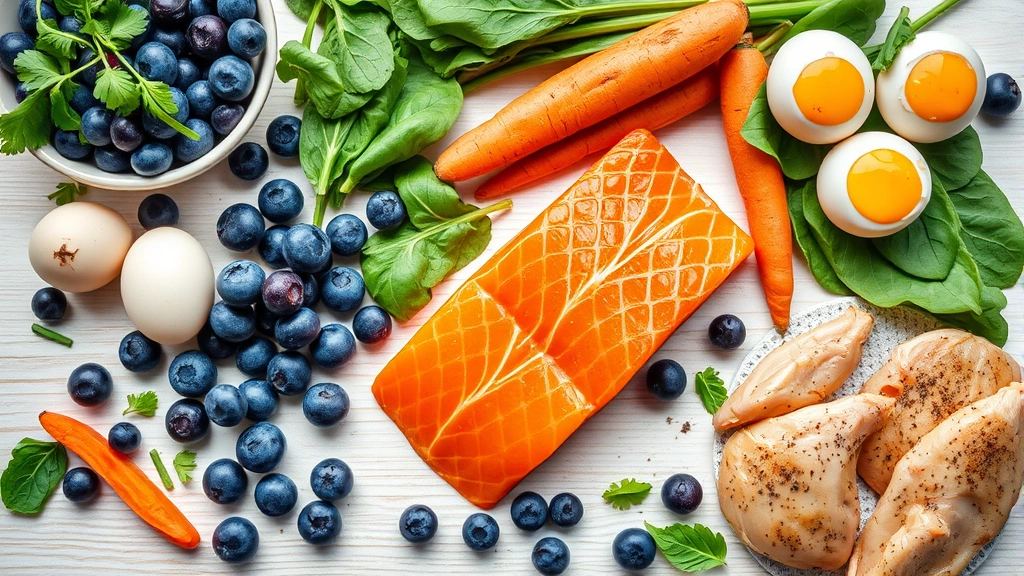
- Lean chicken (skinless, cooked)
- Turkey
- Lean beef
- Fish (salmon, sardines, white fish)
- Eggs
- Plain Greek yogurt (unsweetened, in small amounts)
Make sure the protein is cooked thoroughly and free of seasonings, garlic, or onions. Aim for protein to make up about 25-30% of your dog’s daily caloric intake during recovery.
Zinc and Selenium: The Immune-Boosting Minerals
These trace minerals work quietly behind the scenes to keep your dog’s immune system sharp. Zinc helps white blood cells function properly, while selenium acts as a powerful antioxidant.
Good food sources include:
- Beef
- Chicken
- Eggs
- Pumpkin seeds (in tiny amounts)
- Whole grains like brown rice and oats
Most commercial dog foods already contain adequate zinc and selenium, but during infection recovery, ensuring your dog gets high-quality whole foods helps maximize mineral absorption.
Foods to Avoid During Eye Infection Recovery
Just as important as knowing what to feed your dog is knowing what to keep away. Certain foods can trigger inflammation or compromise immune function when your pup is already dealing with infection.
Skip these during recovery:
- Processed treats with artificial additives
- High-sodium foods
- Foods with excessive sugar
- Anything containing garlic or onions (toxic to dogs)
- Fatty table scraps (can cause digestive upset)
- Foods your dog has shown allergies or sensitivities to
Inflammation-triggering foods can make eye symptoms worse and slow healing. Stick to whole, recognizable ingredients while your dog recovers.
Sample Day of Eye-Infection-Fighting Foods
Here’s what a healing day of meals might look like for a medium-sized dog (always adjust portions based on your dog’s size and vet recommendations):
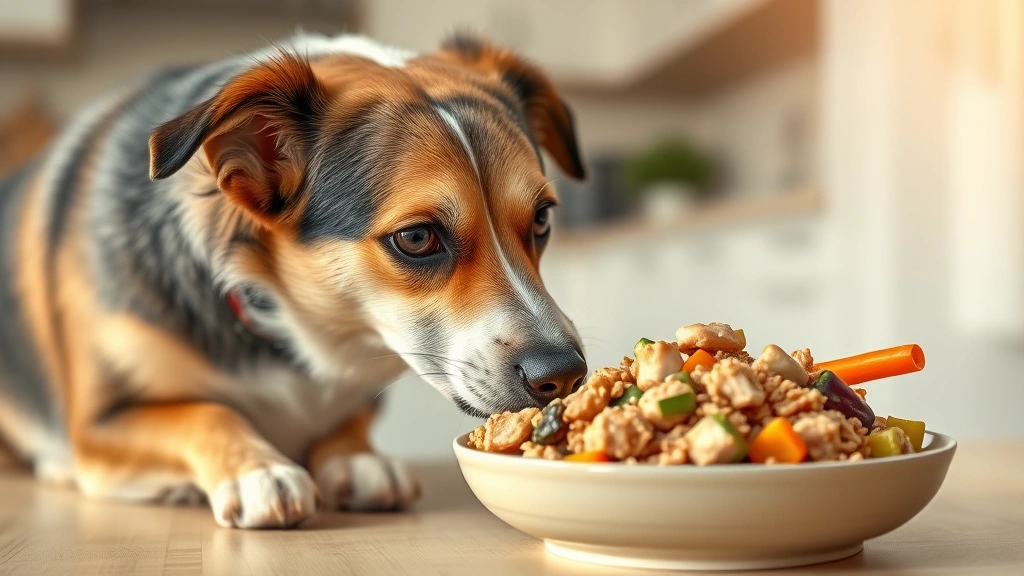
Breakfast: Plain cooked chicken breast mixed with a small portion of sweet potato and a sprinkle of blueberries.
Midday snack: A few baby carrots (raw or lightly steamed) and plain Greek yogurt.
Dinner: Cooked salmon mixed with brown rice and a small handful of spinach (cooled).
Optional evening treat: A small amount of pumpkin puree or a few blueberries.
This approach combines protein, omega-3s, vitamins, and minerals in every meal. Always introduce new foods slowly over 7-10 days to avoid digestive upset.
When to Seek Professional Veterinary Care
While diet supports healing, it’s never a substitute for professional veterinary diagnosis and treatment. Your vet may recommend antibiotics, antifungal medications, or other treatments depending on the underlying cause of the eye infection.
Schedule a vet visit if your dog shows:
- Redness or swelling that worsens over a few days
- Discharge (clear, yellow, or green)
- Excessive tearing or dry eye
- Squinting or sensitivity to light
- Cloudiness or change in eye appearance
- Pawing or rubbing at the eye
If you’re unsure whether your pet needs urgent care, a quick telehealth check-in with a vet can give you peace of mind—no appointment needed. Learning about home treatment options is helpful, but it always works best alongside professional guidance.
Combining Diet With Other Recovery Strategies
The best results happen when you combine a healing diet with other evidence-based care. Your vet might recommend warm compresses, prescribed eye drops, or addressing underlying allergies that contributed to the infection.
A nutritious diet enhances all these treatments by giving your dog’s body the resources it needs to heal from the inside out. Think of it as a team effort: medication handles the immediate problem while nutrition strengthens your dog’s ability to fight back.
Some dogs with recurrent eye infections may also benefit from addressing digestive health through diet, since gut health directly impacts immune function.
Frequently Asked Questions
How long does it take for diet changes to help an eye infection?
Most dogs show improvement within 7-14 days of dietary changes combined with veterinary treatment. However, the underlying infection itself typically requires medication to resolve completely.
Can I give my dog supplements instead of whole foods?
Whole foods are always preferable because they provide nutrients in their natural form with better absorption. Supplements can support whole foods but shouldn’t replace them—always get your vet’s approval before adding supplements.
Is wet food better than dry food for dogs with eye infections?
Both can work well; the quality of ingredients matters more than the format. Wet food may be easier for some dogs to eat if eye discomfort makes chewing difficult, but dry food is fine if your dog eats normally.
What if my dog has food allergies and an eye infection?
Work closely with your vet to identify safe foods. Many eye infections are actually triggered by food allergies, so solving the allergy may prevent future infections. An elimination diet might be recommended.
Can diet alone cure a dog’s eye infection?
No—diet supports healing but cannot replace veterinary treatment. Most eye infections require medication to resolve. Think of diet as a powerful helper, not the main cure.
What To Do Now
- Schedule a vet appointment if you haven’t already. Get a professional diagnosis and treatment plan before making major dietary changes.
- Start with one new food from the healing list above—introduce it slowly over 7-10 days to avoid digestive upset. Track how your dog responds.
- Add omega-3 rich foods like salmon or sardines 2-3 times per week as a safe, immediate immune boost.
- Remove inflammatory foods from your dog’s diet—cut out processed treats and table scraps during recovery.
- Follow your vet’s treatment plan completely while using diet as a supporting measure. Combine prescribed medications with nutritional support for the best outcome.
Summary: Healing Your Dog’s Eye Infection From the Inside Out
A dog eye infection best diet centers on omega-3 fatty acids, antioxidants, quality protein, and essential vitamins like A, zinc, and selenium. Foods like salmon, blueberries, sweet potatoes, and lean meats give your dog’s immune system exactly what it needs to fight infection and heal damaged eye tissue.
While diet is a powerful tool, it works best alongside professional veterinary care. Your vet will address the infection directly with medication, and your nutritional support will help your dog’s body recover faster and stronger.
The fact that you’re looking for ways to help your dog heal shows how much you care. By combining expert veterinary guidance with thoughtful nutrition, you’re giving your pup the best possible chance at a quick recovery. Most dogs bounce back beautifully when they get both professional treatment and the nutritional support their healing bodies need.