
If your dog keeps getting eye infections or struggles with persistent eye issues, you’re not alone—and the good news is that dog eye infection chronic management has come a long way. Many pet owners feel helpless watching their furry friend squint, scratch, or deal with discharge month after month, but with the right approach, you can help your pup find real relief and prevent future flare-ups.
Table of Contents
- Understanding Chronic Eye Infections in Dogs
- Why Chronic Eye Problems Need a Different Approach
- Solution 1: Establish a Daily Eye Cleaning Routine
- Solution 2: Identify and Manage Underlying Allergies
- Solution 3: Optimize Your Dog’s Tear Production
- Solution 4: Address Anatomical or Structural Issues
- Solution 5: Use Targeted Preventive Treatments Strategically
- Solution 6: Monitor Environmental and Lifestyle Factors
- Solution 7: Partner With Your Vet for Ongoing Monitoring
- When to Seek Urgent Care
- Building Your Chronic Management Plan
- Key Takeaways for Long-Term Success
- Frequently Asked Questions
- What To Do Now
- Final Thoughts
This article is for informational purposes only and is not a substitute for professional veterinary advice. Always consult a licensed veterinarian for diagnosis and treatment.
Understanding Chronic Eye Infections in Dogs
Chronic eye infections in dogs aren’t just a one-time problem—they’re recurring issues that need a long-term strategy. Unlike an acute infection that comes and goes quickly, chronic cases linger, return frequently, or never fully resolve. Your dog might experience redness, discharge, squinting, or excessive tearing that seems to cycle through better and worse phases.
The underlying causes vary widely. Some dogs struggle with breed-specific predispositions (think of flat-faced breeds with eye anatomy challenges), while others battle environmental allergies, tear duct problems, or autoimmune conditions. Understanding what’s driving your dog’s chronic eye issues is the first step toward real, lasting management.
Why Chronic Eye Problems Need a Different Approach
Treating a one-time eye infection is straightforward—apply medication, wait a few weeks, and you’re done. Chronic management is different because it focuses on prevention, maintenance, and addressing root causes rather than just fighting symptoms.
Think of it like managing diabetes in humans: you’re not trying to cure it overnight, but rather create a sustainable routine that keeps your dog comfortable and prevents complications. This mindset shift helps pet owners stay consistent and realistic about what to expect.
Solution 1: Establish a Daily Eye Cleaning Routine
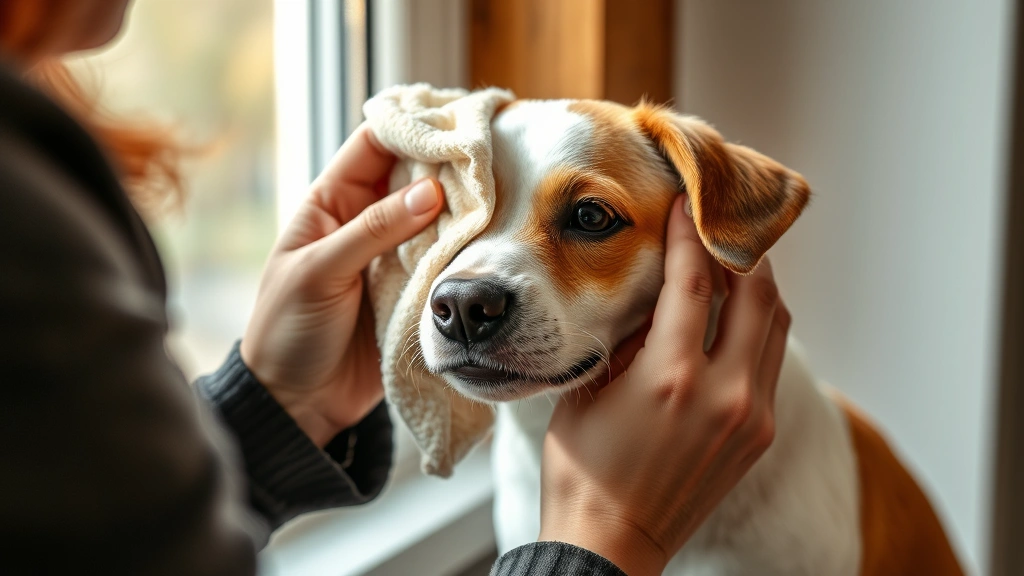
One of the most underrated yet powerful tools in chronic eye infection management is simple, consistent cleaning. Daily eye care removes debris, bacteria, and discharge before they can cause problems.
Here’s a practical routine:
- Use a soft, lint-free cloth or sterile gauze pad
- Dampen it with lukewarm water or a veterinarian-approved eye rinse
- Gently wipe away discharge from the inner corner outward
- Do this once or twice daily, depending on your vet’s recommendation
Consistency matters more than perfection. Even if your dog wiggles a little, you’re creating an environment where infections struggle to take hold. Catching this early and staying committed puts you in a great position to reduce flare-ups significantly.
Solution 2: Identify and Manage Underlying Allergies
Many chronic eye infections in dogs are actually secondary to allergies. When your dog’s immune system overreacts to environmental triggers or food, the eyes become inflamed and vulnerable to bacterial or yeast overgrowth.
Common allergens include:
- Pollen, dust, and mold
- Certain food ingredients (chicken, wheat, corn)
- Contact allergens (cleaning products, bedding materials)
Working with your veterinarian to identify what your dog is reacting to can be transformative. Sometimes it’s as simple as switching to a limited-ingredient diet or using air filters in your home. If you’re exploring dietary changes, our guide on dog skin allergies and the best diet offers practical nutrition strategies that may help eye health too.
Solution 3: Optimize Your Dog’s Tear Production
Dry eyes (keratoconjunctivitis sicca) are a sneaky culprit behind chronic infections. Without adequate tears, your dog’s eyes lack natural protection against bacteria and irritants.
Signs of dry eyes include excessive blinking, thick mucus discharge, or redness that doesn’t improve with standard treatment. Your vet may recommend tear-stimulating medications or artificial tear supplements to keep eyes properly lubricated.
Proper lubrication creates an environment where infections are less likely to take hold, making this a cornerstone of long-term management.
Solution 4: Address Anatomical or Structural Issues
Some dogs are born with eye structures that make infections more likely. Entropion (eyelid rolling inward), ectropion (eyelid rolling outward), or excessive facial skin folds can trap moisture and bacteria.
If your dog has these structural challenges, your vet might recommend:
- Surgical correction (especially if infections are severe or frequent)
- More frequent cleaning and monitoring
- Preventive medications during high-risk seasons
Addressing the root anatomy, when possible, can dramatically reduce how often your dog battles infections.
Solution 5: Use Targeted Preventive Treatments Strategically
For dogs with truly chronic infections, your veterinarian might recommend preventive treatments during seasons or situations when flare-ups are most likely. This isn’t about treating an active infection—it’s about stopping one before it starts.
This could involve topical treatments, oral supplements, or other preventive approaches tailored to your dog’s specific triggers. The key is using these tools strategically rather than continuously, which your vet can help you time perfectly.
If you’re unsure whether your pet needs preventive care or want to discuss a management plan, talking to a vet online can give you personalized guidance without the wait of a traditional appointment.
Solution 6: Monitor Environmental and Lifestyle Factors
Your dog’s living environment plays a bigger role in chronic eye health than many pet owners realize. Smoke, dust, strong perfumes, and dry air can all aggravate sensitive eyes.
Simple environmental tweaks include:
- Using a humidifier in dry climates or seasons
- Keeping bedding clean and allergen-free
- Minimizing exposure to smoke and strong chemicals
- Ensuring good air circulation in your home
- Protecting eyes during outdoor activities (wind, pollen)
These changes cost little but often make a measurable difference in how often infections occur.
Solution 7: Partner With Your Vet for Ongoing Monitoring
Chronic eye infection management isn’t a set-it-and-forget-it situation. Regular check-ins with your veterinarian help catch problems early, adjust treatment plans, and prevent serious complications like corneal scarring or vision loss.
Your vet might recommend periodic eye exams to monitor for changes, especially if your dog has had multiple infections or underlying conditions. For persistent issues, they might refer you to a veterinary ophthalmologist for specialized insight.
This partnership approach keeps your dog’s eyes on track and gives you confidence that you’re doing everything possible.

When to Seek Urgent Care
While chronic management is about the long game, certain signs warrant immediate attention. Contact your vet right away if your dog shows:
- Sudden severe pain or eye swelling
- Changes in vision or pupil response
- Discharge that’s bloody or unusually thick
- A cloudy or hazy appearance to the eye
- Signs of systemic illness (fever, lethargy)
If you’re unsure whether your pet needs urgent care, a quick telehealth check-in can give you peace of mind—no appointment needed. Urgent vet consultation options are available when you need fast guidance.
Building Your Chronic Management Plan
Effective chronic eye infection management combines multiple strategies tailored to your dog’s unique situation. There’s no one-size-fits-all solution, which is why working closely with your vet is so important.
Start by understanding the root cause of your dog’s infections, then layer in preventive care, environmental adjustments, and consistent daily habits. Most dogs see significant improvement within weeks of implementing a solid management plan.
For detailed information on treatment options and what to expect, our article on dog eye infection treatment options breaks down the medical side of care in depth.
Key Takeaways for Long-Term Success
Managing chronic eye infections in dogs is absolutely achievable with the right approach. Here’s what matters most:
- Consistency wins: Daily cleaning and preventive routines prevent more infections than sporadic treatment
- Root causes matter: Identify whether allergies, anatomy, or other factors are driving the problem
- Prevention beats treatment: Stopping infections before they start is far easier than fighting them
- Regular monitoring keeps you ahead: Routine vet check-ins catch problems early
- Your vet is your partner: Ongoing communication ensures your plan stays effective as your dog ages
Frequently Asked Questions
How long does it take to see improvement with chronic eye infection management?
Most dogs show noticeable improvement within 2-4 weeks of starting a consistent management plan. Some take longer if the underlying cause is complex, but patience and consistency pay off.
Can chronic eye infections in dogs be cured permanently?
It depends on the cause. Some underlying issues (like allergies or dry eyes) require ongoing management but can be well-controlled. Others, particularly structural problems, may need surgical correction for permanent relief.
Is it safe to use human eye drops on my dog?
No—always use products specifically formulated for dogs. Human eye drops may contain ingredients that are harmful to canine eyes and won’t address your dog’s specific needs.
What’s the difference between acute and chronic eye infections in dogs?
Acute infections appear suddenly, cause obvious symptoms, and typically resolve with treatment. Chronic infections linger, recur frequently, or never fully clear, requiring long-term management strategies.
Should I see a veterinary ophthalmologist for chronic eye problems?
If your dog’s infections aren’t improving with standard care or if complications develop, a specialist can provide advanced diagnostics and targeted treatment plans your general vet might not offer.
What To Do Now
- Schedule a comprehensive eye exam: If your dog hasn’t had a recent evaluation, book an appointment with your vet to identify the root cause of chronic infections and rule out serious complications.
- Start a daily eye cleaning routine: Begin today with gentle daily cleaning using lukewarm water and a soft cloth, even if your dog’s eyes seem fine right now—prevention is powerful.
- Track your dog’s symptoms: Keep notes on when flare-ups occur, what triggers them, and how your dog responds to treatments—this information helps your vet refine your management plan.
- Evaluate your home environment: Look for potential irritants like smoke, dust, or allergens, and make adjustments like adding a humidifier or changing bedding materials.
- Discuss a preventive strategy: Work with your vet to create a personalized long-term plan that includes preventive treatments, monitoring schedules, and clear signs of when to seek urgent care.
Final Thoughts
Your dog’s chronic eye infections don’t have to be a constant source of worry. With a solid management plan, daily care habits, and partnership with your veterinarian, most dogs find lasting relief and enjoy healthier, more comfortable eyes.
The key is starting now, staying consistent, and adjusting your approach as needed. Your dog is counting on you, and the solutions are absolutely within reach.