
When your dog develops an eye infection, you’re likely focused on getting them relief—but did you know that dog eye infection foods to avoid can play a surprisingly important role in their recovery? What your pup eats directly impacts their immune system, inflammation levels, and how quickly their eyes can heal.
Table of Contents
- Understanding Dog Eye Infections and Diet Connection
- Why Inflammatory Foods Slow Eye Infection Recovery
- The 7 Foods to Avoid During Dog Eye Infections
- Best Foods to Support Eye Infection Recovery
- Practical Steps for Switching Your Dog’s Diet
- When to Seek Veterinary Guidance on Diet
- Supplements and Additional Support
- Preventing Future Eye Infections Through Nutrition
- Summary: Your Dog’s Path to Clearer Eyes
- Frequently Asked Questions
- What to Do Now
This article is for informational purposes only and is not a substitute for professional veterinary advice. Always consult a licensed veterinarian for diagnosis and treatment.
Eye infections in dogs can be uncomfortable and worrying to watch. Your dog might be squinting, pawing at their eye, or dealing with discharge that makes you want to do everything possible to help. The good news? Nutrition is one area where you have real control. By understanding which foods can trigger inflammation or slow healing, you can support your dog’s recovery from the inside out.
Understanding Dog Eye Infections and Diet Connection
Eye infections in dogs come in different forms—bacterial, fungal, or viral—but they all share one thing in common: inflammation. When your dog’s eye tissue becomes inflamed, it creates the perfect environment for discomfort and slower healing.
Here’s where diet becomes your secret weapon. Certain foods promote inflammation in the body, while others help fight it. By removing inflammatory foods and choosing healing-focused options, you’re giving your dog’s immune system the support it needs to tackle the infection more effectively.
Think of it this way: medication from your vet tackles the infection directly, but nutrition supports the entire healing process. They work together beautifully.
Why Inflammatory Foods Slow Eye Infection Recovery
When your dog eats foods high in omega-6 fatty acids or processed ingredients, their body responds by increasing inflammation. This is the opposite of what you want when fighting an eye infection.
Inflammation doesn’t just stay in one spot—it spreads throughout your dog’s system, including to the eyes. If your pup is already dealing with an infected eye, adding inflammatory foods is like throwing fuel on the fire. The infection takes longer to clear, and your dog stays uncomfortable longer.
Additionally, foods with artificial additives and low-quality ingredients can tax your dog’s immune system, leaving fewer resources available to fight the infection naturally.
The 7 Foods to Avoid During Dog Eye Infections
1. Low-Quality Commercial Dog Foods
Mass-produced kibbles loaded with corn, soy, and by-products are inflammatory culprits. These foods are cheap to manufacture but terrible for a dog fighting an infection. They often contain artificial preservatives and colorants that can trigger immune responses.
Check your dog’s food label. If you see “meat by-products” or “corn meal” listed in the first five ingredients, it’s time to consider an upgrade during this healing period.
2. High Omega-6 Oils and Fats
While some omega-6 is necessary, excessive amounts promote inflammation. Vegetable oils, corn oil, and soybean oil are common in budget dog foods and treats.
During an eye infection, your dog needs the opposite: omega-3 rich foods that actively reduce inflammation. If your current food is omega-6 heavy, talk to your vet about a temporary switch to a more balanced formula.
3. Wheat, Corn, and Soy
These grains and legumes are inflammatory triggers for many dogs. They’re fillers used to bulk up inexpensive foods, and they can aggravate existing inflammation in your dog’s body.
During an eye infection recovery, grain-free or limited-ingredient diets may help reduce overall inflammation and give your dog’s immune system breathing room.
4. Processed Human Foods and Table Scraps
Fatty meats, fried foods, and salty human meals are inflammatory bombs. Your dog might beg for pizza or chicken skin, but these foods work against their healing.
If you’re tempted to share, remember: every piece of processed food delays recovery. Stick to plain, vet-approved options instead. Need guidance on what’s safe? Our article on can dogs eat human food scraps breaks down the specifics.
5. Artificial Additives and Dyes
Red dye, yellow dye, and artificial preservatives like BHA and BHT are immune system irritants. They don’t provide nutrition—they just stress your dog’s body when it’s already fighting an infection.
Reading ingredient lists becomes crucial here. If you can’t pronounce it, your dog probably shouldn’t eat it.
6. Excessive Salt and Sugar
High-sodium treats and sugary snacks spike inflammation and can worsen immune function. They also dehydrate your dog, which is the opposite of what infected eyes need.
During recovery, keep treats minimal and choose low-sodium, unsweetened options only.
7. Dairy Products (For Some Dogs)
While not problematic for all dogs, dairy can increase mucus production and inflammation in sensitive individuals. If your dog has a history of allergies or sensitivities, eliminating dairy temporarily might help.
Watch your dog’s discharge and tear production. If they seem to worsen after dairy, remove it from their diet.
Best Foods to Support Eye Infection Recovery
Now that you know what to avoid, let’s talk about what helps. During an eye infection, your dog benefits from anti-inflammatory, nutrient-dense foods that support immune function.
Omega-3 Rich Proteins:
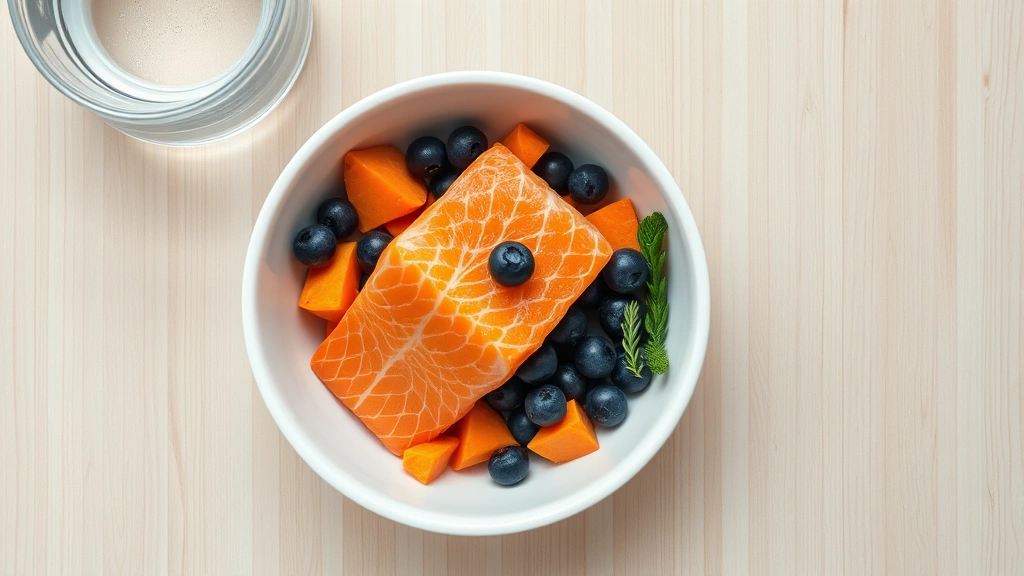
- Wild-caught salmon and sardines (natural anti-inflammatories)
- High-quality chicken and turkey (lean, easy to digest)
- Grass-fed beef (higher in omega-3s than grain-fed)
Healing Vegetables and Fruits:
- Blueberries (packed with antioxidants for eye health)
- Carrots (beta-carotene supports vision)
- Sweet potato (vitamin A and fiber)
- Leafy greens like spinach (lutein for eye protection)
Supplements That Help:
- Fish oil (omega-3 powerhouse—ask your vet about dosing)
- Turmeric (natural anti-inflammatory, vet-approved)
- Probiotics (strengthen gut immunity)
Catching this early and adjusting diet puts you in a great position to help your dog heal faster.
Practical Steps for Switching Your Dog’s Diet
If you’re currently feeding a low-quality food, don’t switch overnight. Abrupt diet changes can cause digestive upset, and your dog needs stable digestion right now.
Follow this transition timeline:
- Days 1-3: Mix 25% new food with 75% old food
- Days 4-6: Mix 50% new food with 50% old food
- Days 7-10: Mix 75% new food with 25% old food
- Day 11+: 100% new food
This slow transition gives your dog’s digestive system time to adjust while you’re already managing an eye infection. The last thing you need is diarrhea on top of everything else.
When to Seek Veterinary Guidance on Diet
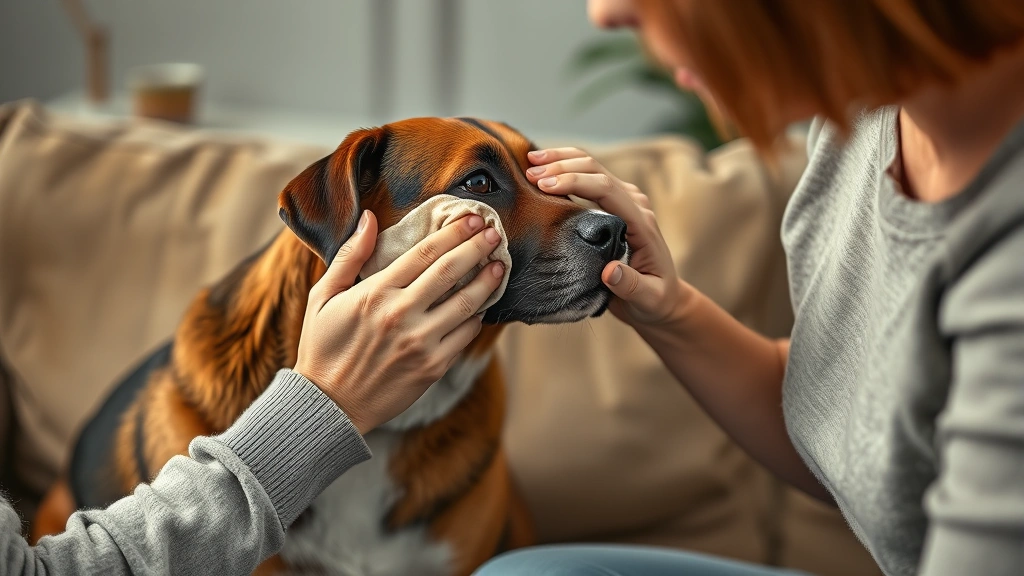
Some eye infections are simple and clear up quickly with proper care. Others are more stubborn or indicate underlying health issues. If your dog’s eye infection isn’t improving within a few days, or if it keeps returning, diet changes alone won’t solve it.
Your vet can identify whether the infection is bacterial, fungal, or viral—and whether it’s connected to allergies. Many dogs with recurring eye infections actually have underlying skin allergies or food sensitivities. Our guide on dog skin allergies foods to avoid might reveal the root cause.
If you’re unsure whether your pet needs urgent care, a quick telehealth check-in can give you peace of mind—no appointment needed. The Pet Vet makes it easy to get professional guidance without leaving home.
Supplements and Additional Support
Beyond diet, certain supplements accelerate healing. Lutein and zeaxanthin are carotenoids specifically protective for eye health. Vitamin C supports immune function, and vitamin E is a powerful antioxidant.
Always check with your vet before adding supplements, especially if your dog is on medication. Some combinations can interact, and your vet will recommend appropriate amounts for your dog’s size and condition.
Quality matters here too. Just like with food, cheap supplements with fillers won’t help—they might actually harm. Invest in veterinary-grade options when possible.
Preventing Future Eye Infections Through Nutrition
Once your dog’s current infection clears, maintaining a high-quality, anti-inflammatory diet is your best prevention strategy. Dogs fed whole foods with strong immune support rarely develop recurring eye infections.
Think of prevention as an investment. A few extra dollars on quality food now saves you from vet bills and your dog from discomfort later.
Keep hydration in mind too. Fresh water supports tear production, which naturally protects the eyes. Some dogs don’t drink enough, especially if they’re feeling under the weather.
Summary: Your Dog’s Path to Clearer Eyes
Managing dog eye infection foods to avoid is one of the most practical ways you can support your pup’s recovery. By eliminating inflammatory foods and choosing nutrient-dense, healing options, you’re addressing the infection from the inside out.
Remember: medication treats the infection, but nutrition fuels the healing. Together, they work powerfully.
Your dog depends on you to make informed choices about their health. The fact that you’re researching this topic shows you’re already a great pet parent. Stay consistent, be patient, and don’t hesitate to reach out to your vet with questions.
Frequently Asked Questions
Can diet alone cure my dog’s eye infection?
No, diet supports recovery but doesn’t replace veterinary treatment. Infections require professional diagnosis and often medication, while nutrition accelerates healing.
How long until I see improvement after changing my dog’s diet?
Most dogs show improvement within 1-2 weeks of dietary changes, though full recovery depends on infection severity and treatment compliance.
Is grain-free food necessary for dogs with eye infections?
Not always. Some dogs do well on grain-inclusive foods. The key is avoiding low-quality fillers and prioritizing whole, anti-inflammatory ingredients.
Can I give my dog supplements without vet approval?
It’s best to consult your vet first. Some supplements interact with medications, and your vet can recommend appropriate dosages for your dog’s needs.
What if my dog’s eye infection keeps coming back?
Recurring infections often signal underlying allergies or sensitivities. Your vet can run tests to identify the root cause so you can address it permanently.
What to Do Now
- Schedule a vet appointment if you haven’t already. Get a professional diagnosis and treatment plan before making dietary changes.
- Review your dog’s current food label. Identify inflammatory ingredients like corn, soy, and artificial additives that need to go.
- Plan a gradual diet transition to a high-quality, anti-inflammatory food over 10-14 days, following the timeline outlined above.
- Add omega-3 rich foods like salmon or sardines (with vet approval) to actively reduce inflammation while your dog heals.
- Consider a telehealth check-in with The Pet Vet if you’re unsure about specific foods or supplements for your dog’s situation—quick, convenient, and reassuring.
Your dog’s eyes are on the mend. With the right nutrition and professional care, clearer, more comfortable days are ahead.
External sources: PetMD Eye Health Guide and American Veterinary Medical Association provide additional evidence-based information on canine eye infections and nutrition.