Noticing your senior dog squinting, pawing at their eyes, or dealing with discharge can be genuinely worrying—especially when you want to do everything right for your aging companion. Dog eye infection in senior pets is more common than many owners realize, and the good news is that early recognition and proper care can make a real difference in your dog’s comfort and vision.
Table of Contents
- Why Senior Dogs Are More Prone to Eye Infections
- Common Signs Your Senior Dog May Be Experiencing an Eye Infection
- Understanding the Underlying Causes
- Topical Antibiotic Treatments for Bacterial Eye Infections
- Oral Medications and Systemic Treatment Options
- Anti-Inflammatory Medications to Reduce Discomfort
- Supportive Care and Lubricating Treatments
- Nutrition’s Role in Supporting Eye Health During Recovery
- When to Seek Urgent Veterinary Care
- Preventing Future Eye Infections in Your Senior Dog
- Supporting Your Senior Through Treatment
- Frequently Asked Questions
- What To Do Now
- Summary
This article is for informational purposes only and is not a substitute for professional veterinary advice. Always consult a licensed veterinarian for diagnosis and treatment.
Why Senior Dogs Are More Prone to Eye Infections
As dogs age, their immune systems naturally become less robust. This makes older dogs more vulnerable to bacterial, fungal, and viral eye infections. Additionally, senior dogs often experience reduced tear production, which is a key defense against infection.

Conditions like dry eye syndrome become increasingly common in dogs over 7 years old. When the eye’s protective tear film weakens, bacteria and other pathogens find it easier to take hold. Understanding this age-related vulnerability helps you stay vigilant and catch problems early.
Common Signs Your Senior Dog May Be Experiencing an Eye Infection
Recognizing the early warning signs puts you in the best position to help your senior quickly. Watch for redness around the eye, excessive blinking, or a cloudy appearance to the eye itself.
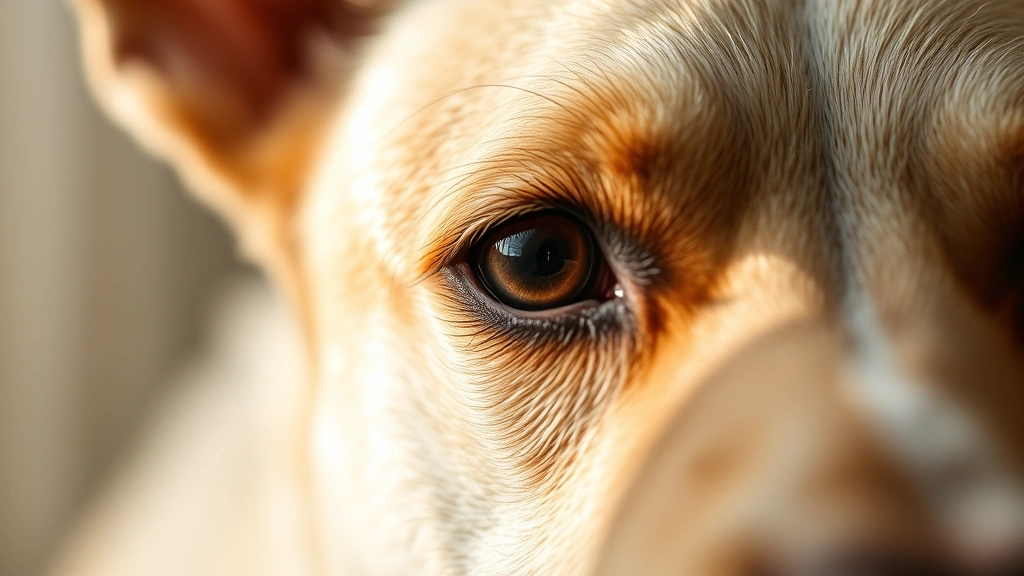
Other indicators include:
- Yellow, green, or clear discharge from the eye
- Swelling of the eyelid or surrounding tissue
- Your dog rubbing or pawing at the affected eye
- Sensitivity to light or keeping the eye partially closed
- A change in eye appearance or haziness
Catching these signs early puts you in a great position to help. If you notice any of these symptoms, a prompt veterinary evaluation is important to determine the cause and appropriate treatment.

Understanding the Underlying Causes
Before exploring medication options, it helps to understand what might be causing the infection. Senior dogs can develop eye infections from bacteria, viruses, or fungi. Sometimes, a dog eye infection early signs point to an underlying systemic issue like diabetes or thyroid problems.
Environmental irritants, allergies, or even trauma from scratching can open the door to secondary infections. Your veterinarian will help identify the root cause, which guides the choice of treatment. This detective work is crucial because treating only the symptom without addressing the cause often leads to recurring infections.

Topical Antibiotic Treatments for Bacterial Eye Infections
When a bacterial infection is suspected, topical antibiotic eye drops or ointments are often the first line of defense. These medications work directly on the eye surface, reaching the infection site quickly and effectively.
Topical treatments typically include:

- Antibiotic eye drops applied several times daily
- Antibiotic ointments that provide longer-lasting contact
- Combination drops that address both bacterial infection and inflammation
The advantage of topical treatments is that they deliver medication directly to the problem area with minimal systemic side effects. Your veterinarian will show you the proper application technique to ensure the medication reaches the affected eye. Consistency with the prescribed schedule is key to clearing the infection.
Oral Medications and Systemic Treatment Options
Sometimes, especially with more severe infections or those affecting deeper eye structures, oral medications become necessary. These systemic treatments help fight infection from within and are particularly useful if the infection has spread beyond the eye surface.
Systemic options may include oral antibiotics or antifungal medications, depending on the infection type. Senior dogs sometimes tolerate these better when given with food, though your vet will provide specific instructions. The benefit of oral treatment is broader coverage, though it takes longer to reach therapeutic levels in the eye tissue compared to topical applications.
Anti-Inflammatory Medications to Reduce Discomfort
Beyond fighting the infection itself, reducing inflammation is crucial for your senior dog’s comfort. Inflammation causes the redness, swelling, and pain associated with eye infections, and managing it helps your dog feel better faster.
Anti-inflammatory eye drops or oral medications may be recommended alongside antimicrobial treatments. These help ease the irritation and allow the eye to heal more comfortably. Your vet will balance infection-fighting treatment with inflammation management for the best outcome. Senior dogs often appreciate this dual approach, as it provides faster relief from the discomfort of an active infection.
Supportive Care and Lubricating Treatments
For senior dogs with dry eye or reduced tear production, lubricating eye drops become an essential part of treatment. These artificial tears mimic the eye’s natural protective coating and create an environment where infections are less likely to take hold.
Supportive treatments include:
- Artificial tear solutions applied multiple times daily
- Lubricating ointments, especially before bedtime
- Cyclosporine or tacrolimus drops to stimulate tear production
- Warm compresses to support eyelid health
These supportive measures address the underlying vulnerability that made your senior susceptible to infection in the first place. Using them consistently can prevent future infections and improve overall eye comfort. Many owners find that combining targeted infection treatment with ongoing lubrication support gives their senior dogs the best long-term outcomes.
Nutrition’s Role in Supporting Eye Health During Recovery
What your senior dog eats directly impacts their immune function and healing ability. A nutrient-rich diet supports faster recovery from eye infections and strengthens the body’s natural defenses.
Consider discussing with your vet whether a diet adjustment might help. Omega-3 fatty acids, antioxidants, and vitamins A and E all support eye health. You can explore more about optimizing nutrition during recovery by reading about dog eye infection best diet recommendations. A well-nourished senior dog bounces back from infections more effectively than one with nutritional gaps.

When to Seek Urgent Veterinary Care
While most eye infections respond well to treatment, certain signs warrant immediate veterinary attention. If your senior dog experiences sudden vision loss, severe pain, or an eye that appears to be changing color or shape dramatically, don’t wait for a routine appointment.
Urgent signs include:

- Inability to open the eye or complete eyelid closure
- Discharge that’s bloody or extremely thick
- Signs of the infection spreading to the other eye rapidly
- Your dog showing signs of systemic illness (lethargy, loss of appetite)
- Any indication that your senior is in significant pain
If you’re unsure whether your pet needs urgent care, a quick telehealth check-in can give you peace of mind—no appointment needed. The Pet Vet offers convenient access to veterinary guidance when you need reassurance about whether your senior’s symptoms require immediate in-person evaluation.
Preventing Future Eye Infections in Your Senior Dog
Once your senior recovers from an eye infection, prevention becomes your best strategy. Regular eye cleaning with veterinarian-approved solutions helps maintain eye health and catches problems early.

Prevention strategies include:
- Keep the area around your dog’s eyes clean and dry
- Avoid exposing senior dogs to excessive dust or smoke
- Maintain regular veterinary check-ups to catch age-related changes early
- Monitor for symptoms of underlying conditions like dog diabetes early signs or thyroid issues
- Ensure your senior receives consistent, balanced nutrition
- Use protective eyewear during windy or dusty activities
These preventive measures are especially important for seniors, whose immune systems need all the support they can get. Staying proactive now can save your dog from future discomfort and you from worry.

Supporting Your Senior Through Treatment
Treating an eye infection in an aging dog requires patience and consistency. Your senior may feel uncomfortable or anxious about eye drops, so gentle handling and positive reinforcement make a real difference.
Create a calm routine around medication times. Some owners find it helpful to have treats ready immediately after administering drops, which helps their dog associate the experience with something positive. Keep a medication log to ensure you’re staying on schedule—this is especially helpful if you’re managing multiple treatments simultaneously. Your consistency directly impacts how quickly your senior recovers and returns to enjoying their golden years comfortably.
Frequently Asked Questions
How long does it typically take for a dog eye infection to clear up?
Most bacterial eye infections show improvement within 3-5 days of starting appropriate treatment, though complete resolution may take 1-2 weeks. Fungal or viral infections sometimes take longer and require more specialized treatment approaches.
Can I use over-the-counter eye drops for my senior dog’s infection?
No—over-the-counter drops designed for humans or general pet use won’t treat a bacterial or fungal infection. Your veterinarian must diagnose the specific cause to prescribe the right medication for your senior’s situation.

Is it normal for my senior dog’s eye to look cloudy after an infection?
Some cloudiness can occur during the healing process, but persistent cloudiness after treatment ends warrants a follow-up veterinary visit. This could indicate a secondary issue or incomplete healing that needs attention.
What’s the difference between dry eye and an eye infection in senior dogs?
Dry eye (keratoconjunctivitis sicca) results from insufficient tear production, while an infection involves bacterial, fungal, or viral pathogens. They often occur together in seniors, which is why your vet may recommend both antimicrobial and lubricating treatments.

Can eye infections in senior dogs affect their vision permanently?
If caught early and treated appropriately, most eye infections don’t cause permanent vision loss. However, untreated or severe infections can potentially damage the cornea or deeper eye structures, so prompt veterinary care is essential.
What To Do Now
- Schedule a veterinary examination: Contact your vet or use The Pet Vet’s telehealth service to get your senior’s eyes evaluated and receive a specific treatment plan tailored to their needs.
- Document symptoms: Note when you first noticed signs, what the discharge looks like, and whether one or both eyes are affected—this information helps your vet make an accurate diagnosis.
- Prepare your home: Gather any supplies you’ll need for medication administration (cotton pads, treats for positive reinforcement) and create a calm space for treatment routines.
- Discuss prevention: Ask your veterinarian about long-term eye health strategies specific to your senior’s age and health status, including nutrition and protective care.
- Set reminders: Use phone alarms or a medication tracker to ensure you administer treatments on schedule—consistency is crucial for clearing infections quickly.
Summary
Dog eye infection in senior pets is a manageable condition when caught early and treated appropriately. Senior dogs face increased vulnerability due to age-related changes in immune function and tear production, but understanding the signs and treatment options empowers you to help your companion feel better fast.

From topical antibiotics to oral medications, anti-inflammatory treatments, and supportive lubricating care, modern veterinary medicine offers effective solutions. Combining targeted infection treatment with preventive measures and nutritional support gives your senior the best chance at long-term eye health.
Your senior dog has given you years of love and companionship—they deserve your attentive care during health challenges. If you’re noticing any signs of eye discomfort, reach out to your veterinarian or connect with The Pet Vet for convenient guidance. Early action truly makes all the difference in your senior’s recovery and comfort.