
Noticing your puppy squinting, pawing at their eyes, or dealing with discharge that shouldn’t be there? A dog eye infection in young pets can be worrying, especially when you’re not sure what’s causing it or how to help. The good news is that most eye infections in puppies and young dogs respond well to prompt veterinary care and appropriate treatment.
Table of Contents
- What Causes Eye Infections in Young Dogs?
- Common Signs Your Young Dog May Have an Eye Infection
- Understanding Bacterial vs. Viral Eye Infections
- The Role of Conjunctivitis in Young Dogs
- When to Seek Veterinary Care for Your Puppy
- How Vets Diagnose Eye Infections in Young Pets
- Topical Treatments and Management Strategies
- Supporting Your Young Dog’s Recovery at Home
- Complications to Watch For
- Prevention Tips for Young Dogs
- When Your Puppy Needs Professional Follow-Up Care
- Frequently Asked Questions
- What To Do Now
- Summary: Supporting Your Young Dog Through Eye Infection Recovery
This article is for informational purposes only and is not a substitute for professional veterinary advice. Always consult a licensed veterinarian for diagnosis and treatment.
What Causes Eye Infections in Young Dogs?
Eye infections develop in puppies and young dogs for several reasons. Bacterial infections, viral infections, and fungal issues are the most common culprits. Young dogs are particularly susceptible because their immune systems are still developing and maturing.
Environmental irritants like dust, pollen, or debris can also trigger secondary infections. Some breeds with flatter faces or prominent eyes—like Bulldogs or Pugs—face higher risk. Additionally, allergies and blocked tear ducts can create the perfect environment for infection to take hold.
Common Signs Your Young Dog May Have an Eye Infection
Catching symptoms early makes a huge difference. Watch for redness around the eye area, excessive tearing, or a thick discharge that may be clear, yellow, or greenish. Your puppy might squint frequently, keep one or both eyes partially closed, or avoid bright light.
You may also notice your young dog pawing or rubbing at their eyes more than usual, or they might seem uncomfortable when you gently touch the area around their eye. Some puppies develop a crusty buildup along the eyelid or corner of the eye. Catching this early puts you in a great position to help your furry friend feel better fast.
Understanding Bacterial vs. Viral Eye Infections
Bacterial eye infections typically produce thicker, yellowish or greenish discharge. These infections often respond well to topical treatments and are among the most treatable types of ocular infections in young dogs.

Viral infections, on the other hand, may cause more watery discharge and are sometimes accompanied by respiratory symptoms like sneezing or coughing. Viral infections require different management strategies and often resolve with supportive care. Your veterinarian can determine which type your puppy has through examination and, if needed, testing.
The Role of Conjunctivitis in Young Dogs
Conjunctivitis—inflammation of the membrane covering the eye—is one of the most common eye conditions in puppies. It can be caused by bacteria, viruses, allergies, or irritants. When your young dog has conjunctivitis, the conjunctiva (the pink tissue lining the eyelid) becomes swollen and irritated.
This condition is uncomfortable but highly manageable with proper care. You might hear your vet refer to it as “pink eye,” and while it sounds serious, most cases resolve within 1-2 weeks with appropriate treatment and monitoring.
When to Seek Veterinary Care for Your Puppy
Don’t wait if your young dog shows signs of an eye infection. Schedule a veterinary appointment as soon as you notice discharge, redness, or excessive squinting. Eye infections can worsen quickly in puppies, and early intervention prevents complications.
Seek immediate emergency care if your puppy seems to be in severe pain, has difficulty opening their eye, or if you notice any cloudiness or changes in the eye itself. If you are unsure whether your pet needs urgent care, a quick telehealth check-in can give you peace of mind—no appointment needed.
How Vets Diagnose Eye Infections in Young Pets
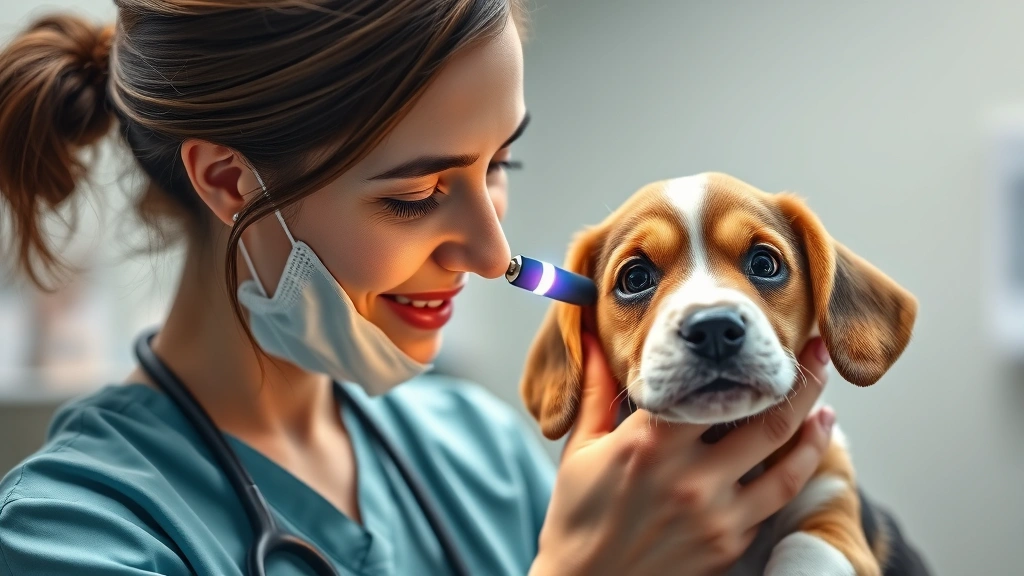
Your veterinarian will perform a thorough eye examination using specialized equipment to look closely at the structures of your puppy’s eye. They may use a fluorescein dye to check for corneal ulcers or scratches that could complicate the infection.

In some cases, your vet might take a sample of the discharge to culture and identify the specific bacteria or organism causing the infection. This helps determine the most effective treatment approach for your young dog’s specific situation.
Topical Treatments and Management Strategies
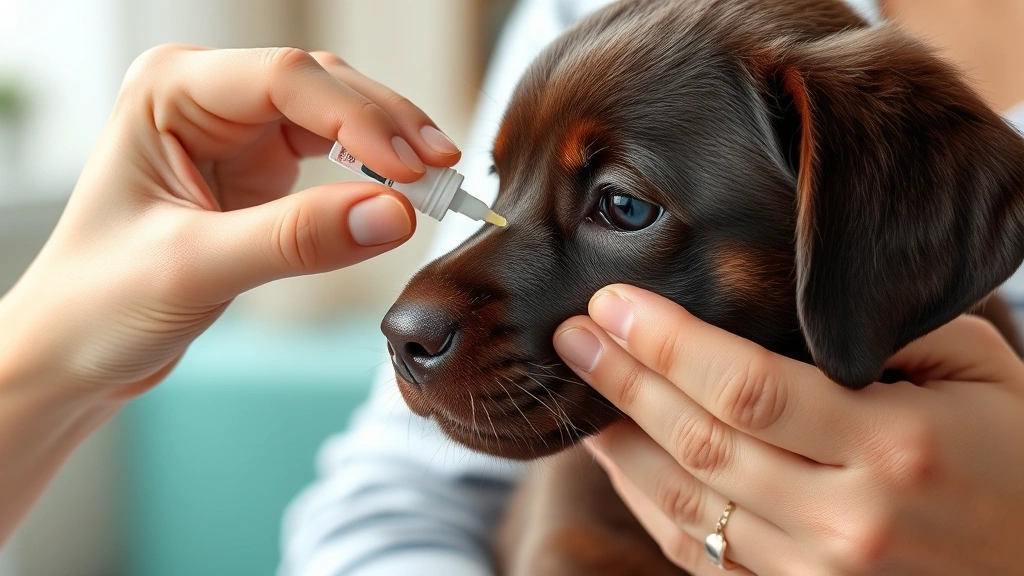
Most eye infections in young dogs are managed with topical treatments applied directly to the affected eye. These come in the form of drops or ointments and work by delivering medication right where it’s needed.
Beyond medication, your veterinarian may recommend gentle eye cleaning with a warm, damp cloth to remove discharge and keep the area clean. Keeping your puppy’s environment clean and free of irritants supports healing. Avoid letting your young dog rub or scratch at their eyes—consider an Elizabethan collar if needed to prevent further irritation.
Supporting Your Young Dog’s Recovery at Home
Recovery at home requires consistency and gentle care. Apply prescribed treatments exactly as directed by your veterinarian, even if your puppy’s eye looks better before the treatment course ends. Stopping early can allow the infection to return.
Keep your young dog’s living area clean and dust-free. Wash your hands before and after handling your puppy’s eyes to prevent spreading infection. Monitor the eye daily for improvement and watch for any worsening signs that might require a follow-up visit.
Home Care Checklist:
- Apply medications on schedule without skipping doses
- Use a clean, warm cloth to gently wipe away discharge
- Keep your puppy from scratching or rubbing the eye
- Maintain a clean, dust-free environment
- Wash hands before and after eye care
- Schedule a follow-up exam as recommended
Complications to Watch For
While most eye infections in young dogs resolve without complications, it’s important to know what warning signs to watch for. Corneal ulcers can develop if the infection isn’t properly managed, causing more serious pain and vision concerns.
If the infection spreads internally or affects deeper eye structures, your puppy could face more serious consequences. This is why following your vet’s treatment plan carefully and attending follow-up appointments matters so much. Catching complications early prevents long-term damage to your young dog’s vision.
Prevention Tips for Young Dogs
Preventing eye infections is always easier than treating them. Keep your puppy’s face clean and dry, especially if they have longer hair around their eyes. Regular grooming helps prevent hair from irritating the eyes.
Minimize exposure to known irritants like smoke, strong chemicals, or excessive dust. If your young dog swims, rinse their eyes gently afterward to remove chlorine or salt water. Ensure your puppy’s vaccinations are current, as some vaccines help prevent viral eye infections.

Watch for signs of dacryocystitis in dogs, a condition affecting the tear drainage system that can increase infection risk. Regular veterinary check-ups catch potential issues before they become problematic.
When Your Puppy Needs Professional Follow-Up Care
Your veterinarian will likely recommend a follow-up examination to confirm the infection is resolving. This appointment is crucial—it ensures the treatment is working and rules out any complications. Don’t skip this visit even if your puppy’s eye looks better.
If the infection isn’t improving within the expected timeframe, your vet may adjust the treatment plan or perform additional testing. Some infections require longer treatment courses or different medication approaches. Persistent or recurring infections warrant investigation for underlying causes.

Frequently Asked Questions
Can puppy eye infections go away on their own?
Some mild irritations might improve with rest and cleaning, but actual infections require veterinary treatment. Untreated infections can worsen and damage your puppy’s vision.
Is a dog eye infection contagious to other pets?
Some bacterial and viral eye infections can spread between pets, so isolate your infected puppy from other animals and practice good hygiene. Your vet will advise on contagiousness specific to your dog’s infection type.
How long does it take for a dog eye infection to clear up?
Most eye infections improve within 7-14 days of proper treatment, though some may take longer. Always complete the full treatment course even if improvement is visible.

What should I do if my puppy won’t let me apply eye drops?
Ask your vet to demonstrate proper application technique or discuss alternative delivery methods. An Elizabethan collar can prevent your puppy from rubbing the eye and making treatment easier.
Could my young dog’s eye infection be a sign of something more serious?
While most eye infections are localized, they can occasionally indicate systemic issues. Your veterinarian will assess whether additional testing or investigation is needed based on your puppy’s overall health.
What To Do Now
- Schedule a veterinary appointment immediately if you haven’t already. Describe your puppy’s symptoms in detail so the vet can prioritize your visit appropriately.
- Document what you observe about your young dog’s eye condition—note the color and consistency of any discharge, when symptoms started, and any patterns you notice (worse in morning, triggered by specific activities, etc.).
- Prepare your home for treatment by gathering clean cloths, ensuring you have good lighting for applying medications, and identifying a quiet space where your puppy can rest comfortably during recovery.
- If urgent care is needed but your regular vet isn’t available, connect with a veterinarian online through telehealth for immediate guidance.
- Plan for follow-up care by scheduling the recommended recheck appointment before you leave your vet’s office, ensuring your puppy gets proper monitoring throughout recovery.
Summary: Supporting Your Young Dog Through Eye Infection Recovery
A dog eye infection in young pets is common but treatable when caught early and managed properly. By recognizing the signs—discharge, redness, squinting, and excessive pawing—and seeking prompt veterinary care, you’re already doing everything right for your puppy.
Remember that your veterinarian is your best resource for diagnosis and treatment decisions. Follow their recommendations carefully, complete the full treatment course, and attend follow-up appointments. With proper care and attention, most young dogs recover fully from eye infections without lasting complications.
Your puppy depends on you to notice changes and take action. Trust your instincts, ask questions when you’re unsure, and don’t hesitate to reach out to your vet—whether in person or through telehealth options—whenever you’re concerned about your young dog’s eye health.