
If your dog’s eyes are red, watery, or crusty, you’re probably worried—and rightfully so. Dog eye infection natural remedies can offer real relief when combined with proper veterinary guidance, helping your pup feel better faster while you explore all your options together.
Table of Contents
- Understanding Dog Eye Infections: What’s Really Going On
- Common Signs Your Dog May Be Experiencing an Eye Infection
- Why Natural Remedies Work for Dog Eye Infections
- Remedy #1: Warm Saline Solution Rinses
- Remedy #2: Chamomile Tea Compresses
- Remedy #3: Coconut Oil for Mild Eye Irritation
- Remedy #4: Proper Eyelid Hygiene and Gentle Cleaning
- Remedy #5: Dietary Support with Omega-3 Fatty Acids
- Remedy #6: Reducing Allergen Exposure
- Remedy #7: Proper Rest and Environmental Control
- When Natural Remedies Aren’t Enough: Know When to Seek Professional Help
- Complementary Approaches: Addressing Root Causes
- Creating a Natural Eye Care Routine for Prevention
- What To Do Now
- Frequently Asked Questions
- Summary: Your Dog’s Eyes Deserve the Best Care
This article is for informational purposes only and is not a substitute for professional veterinary advice. Always consult a licensed veterinarian for diagnosis and treatment.
Understanding Dog Eye Infections: What’s Really Going On
Eye infections in dogs happen more often than you’d think. Whether it’s bacterial, viral, or caused by allergies, your dog’s eyes are telling you something needs attention. The good news? Many cases respond beautifully to natural remedies when caught early.
The challenge is figuring out what’s causing the problem. Is it a simple irritation from dust or pollen? Or something more serious that needs prescription treatment? That’s where understanding the signs becomes crucial.
Common Signs Your Dog May Be Experiencing an Eye Infection
Your dog can’t tell you their eyes hurt, but their behavior will. Watch for excessive blinking, pawing at the eyes, or keeping one eye partially closed. You might also notice discharge that ranges from clear to yellow or green, redness around the white of the eye, or swelling of the eyelids.
Some dogs develop a crusty buildup in the corner of their eyes or along the eyelashes. Others squint in bright light or seem to avoid opening their eyes fully. Catching this early puts you in a great position to help your pup recover quickly.
Why Natural Remedies Work for Dog Eye Infections
Natural doesn’t mean ineffective. Many plant-based and home remedies have anti-inflammatory and antimicrobial properties that can support your dog’s healing process. The key is understanding which remedies work best for which situations.
That said, natural remedies work best as part of a comprehensive approach. They complement professional veterinary care rather than replace it. Think of them as tools in your toolkit to help your dog feel more comfortable while their immune system fights the infection.
Remedy #1: Warm Saline Solution Rinses
This is the gentlest, most effective first step. A warm saline solution mimics your dog’s natural tear composition and helps flush away irritants, discharge, and bacteria. You can make it at home using filtered water and salt, or purchase sterile saline solution from any pharmacy.
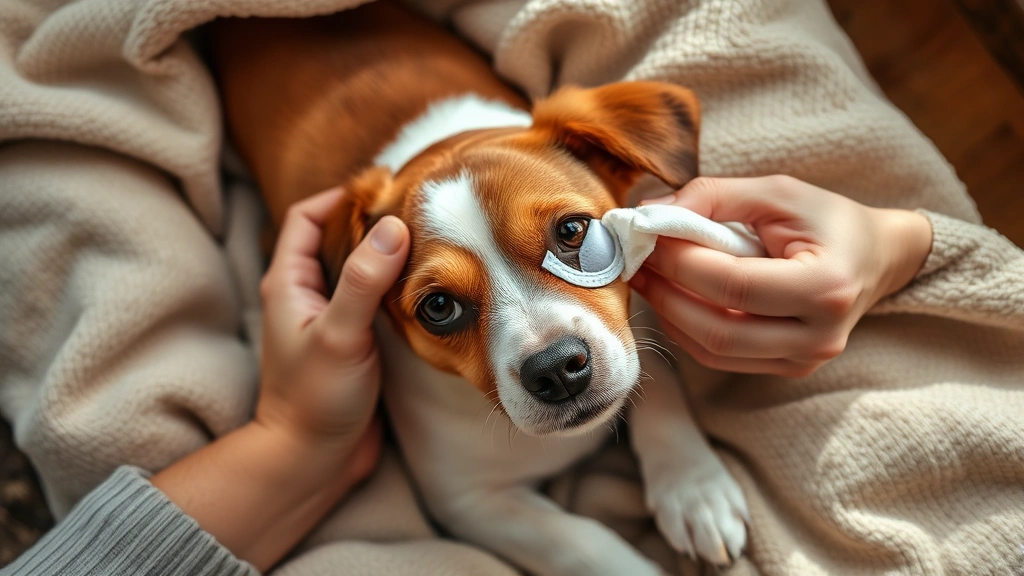
To apply it, use a clean cotton ball or sterile gauze pad soaked in the warm solution. Gently wipe from the inner corner of the eye outward, using a fresh pad for each wipe. Do this 2-3 times daily. Most dogs tolerate this beautifully, and you’ll often see improvement within 24-48 hours for mild irritations.
Remedy #2: Chamomile Tea Compresses
Chamomile has been used for centuries to soothe inflamed tissues, and your dog’s eyes are no exception. The herb contains compounds with natural anti-inflammatory and soothing properties. Brew a cup of chamomile tea using filtered water and one chamomile tea bag, then let it cool completely to room temperature.
Soak a clean, soft cloth or cotton pads in the cooled tea and apply gently to your dog’s closed eye for 5-10 minutes. You can do this 2-3 times daily. The warmth combined with chamomile’s natural properties often brings noticeable relief. Always ensure the tea is completely cool before applying—never use anything warm enough to burn sensitive eye tissue.
Remedy #3: Coconut Oil for Mild Eye Irritation
Coconut oil has antimicrobial and anti-inflammatory properties that can help with certain types of eye irritation. However, this remedy works best for very mild cases and works better as a preventative than a treatment for active infections.
If you choose to use coconut oil, apply only a tiny amount (about the size of a grain of rice) to the outer edge of the eyelid, never directly into the eye itself. Use organic, unrefined coconut oil and apply just once daily. Watch carefully for any increased irritation or discharge, which would indicate your dog needs professional evaluation.
Remedy #4: Proper Eyelid Hygiene and Gentle Cleaning
Sometimes the simplest remedy is the most powerful. Keeping the area around your dog’s eye clean prevents secondary infections and reduces irritation. Use a soft, lint-free cloth or sterile gauze to gently remove any crusty discharge that accumulates.
Never rub aggressively or pull at the eyelids. Instead, use gentle, downward strokes from the inner corner outward. Do this once or twice daily, especially before bed. This basic hygiene practice prevents bacteria from building up and gives your dog’s natural healing mechanisms the best chance to work.
Remedy #5: Dietary Support with Omega-3 Fatty Acids
What your dog eats affects their immune system and inflammation levels throughout their body—including their eyes. Omega-3 fatty acids support eye health and reduce inflammation from the inside out. Fish oil supplements designed for dogs, or adding small amounts of salmon to their regular food, can make a real difference over time.
This remedy works best as part of long-term eye health support rather than an emergency fix. If your dog’s infection is acute, focus on the immediate remedies listed above while building better nutrition for future prevention. Always check with your vet before adding supplements to your dog’s diet.
Remedy #6: Reducing Allergen Exposure
Many eye infections stem from allergies. If your dog’s eyes get irritated during certain seasons or after outdoor play, allergens might be the culprit. Simple steps like rinsing your dog’s face after outdoor time, keeping bedding clean, and minimizing exposure to dust can prevent infections from starting.
You might also notice patterns—does your dog’s eye irritation worsen during spring pollen season or after visiting certain places? Once you identify triggers, you can take proactive steps to reduce exposure. This preventative approach often stops infections before they start.
Remedy #7: Proper Rest and Environmental Control
Your dog’s eyes heal better in a calm, clean environment. Reduce exposure to smoke, strong perfumes, and other airborne irritants. Ensure your dog’s sleeping area is dust-free and that their toys and bedding are washed regularly.
Sometimes the best remedy is simply giving your pup’s eyes a break from irritants while their body heals. Keep them indoors during high pollen days, avoid windy conditions that kick up dust, and minimize activities that might introduce foreign objects into their eyes.
When Natural Remedies Aren’t Enough: Know When to Seek Professional Help
Natural remedies are wonderful, but they have limits. If your dog’s symptoms worsen after 48-72 hours of home treatment, or if you notice signs of serious infection like significant swelling, discharge that’s thick and yellow-green, or your dog keeping their eye completely shut, professional veterinary care is essential.
Certain infections—particularly bacterial or fungal ones—require prescription medications to clear completely. Your vet can perform tests to identify the exact cause and recommend the most effective treatment plan. If you’re unsure whether your pet needs urgent care, a quick telehealth check-in with The Pet Vet can give you peace of mind—no appointment needed.
Some eye conditions can lead to vision loss if left untreated. Catching problems early puts you in the best position to protect your dog’s sight and comfort.
Complementary Approaches: Addressing Root Causes
Eye infections often don’t happen in isolation. If your dog has recurring eye problems, they might also be dealing with dog skin allergies or other underlying conditions. Addressing these root causes prevents future infections.
Similarly, if your dog experiences frequent infections alongside itching or respiratory symptoms, these might all point to allergies or immune system challenges. A comprehensive approach that includes talking to your vet about dog itching and other symptoms helps create a complete picture of your dog’s health.
Creating a Natural Eye Care Routine for Prevention
The best remedy is prevention. Establish a daily routine that keeps your dog’s eyes healthy and clean. This might include:
- A quick daily check of your dog’s eyes for any signs of irritation
- Regular gentle cleaning with a soft cloth
- Weekly saline rinses as preventative maintenance
- Keeping your dog’s face hair trimmed to prevent irritation
- Ensuring your dog’s bedding and toys are clean
- Supporting eye health through proper nutrition with omega-3s
- Minimizing exposure to known irritants
Dogs with certain breeds—like those with flat faces or hair that grows over their eyes—benefit especially from consistent eye care routines. Even a few minutes daily can prevent infections from developing.
What To Do Now
- Observe your dog’s eyes carefully today and note any signs of irritation, discharge, redness, or behavioral changes like excessive blinking or pawing
- If you notice symptoms, start with warm saline rinses 2-3 times daily and monitor for improvement over the next 48 hours
- Schedule a veterinary consultation—either in-person or through online vet consultation—to rule out serious infections and get professional guidance tailored to your dog’s specific situation
- Implement preventative measures like daily eye checks and weekly gentle cleaning to reduce future infection risk
- Keep a log of when eye problems occur to help identify patterns and potential triggers
Frequently Asked Questions
Can I use human eye drops on my dog?
No, human eye drops aren’t formulated for dogs’ eyes and can cause irritation. Stick with saline solution or remedies specifically safe for dogs, and consult your vet before using any product near your dog’s eyes.
How long does it take for natural remedies to work?
Mild irritations often improve within 24-48 hours with consistent saline rinses and proper care. More serious infections may require professional treatment and take longer to resolve completely.
Are all eye infections contagious to other dogs?
Some bacterial and viral eye infections can spread between dogs, while allergic eye irritation isn’t contagious. Your vet can determine what type of infection your dog has and advise on keeping other pets safe.
What’s the difference between an eye infection and simple eye irritation?
Simple irritation causes mild redness and discharge that clears with gentle cleaning, while infections typically involve thicker discharge, significant swelling, and symptoms that worsen without treatment. When in doubt, consult your vet.
Can diet really help prevent eye infections in dogs?
Yes, a diet rich in omega-3 fatty acids and antioxidants supports immune function and reduces inflammation, which helps prevent infections. Good nutrition is one of the best long-term preventative strategies you can implement.
Summary: Your Dog’s Eyes Deserve the Best Care
Dog eye infection natural remedies can be incredibly effective when used thoughtfully and combined with professional veterinary guidance. From simple saline rinses to chamomile compresses, these solutions offer real relief while supporting your dog’s natural healing abilities.
But remember: natural doesn’t mean you should skip professional evaluation. The best approach combines home remedies for comfort with veterinary care for proper diagnosis and treatment. Your dog’s vision is precious, and catching problems early makes all the difference.
Start with the remedies that feel right for your situation, monitor your dog’s progress closely, and don’t hesitate to reach out for professional support. Your dog is counting on you to help them see clearly and comfortably again—and you’ve got this.