
Noticing your dog’s eyes looking red, cloudy, or weepy can be genuinely worrying—and learning about dog eye infection prevention tips is one of the smartest things you can do as a pet parent. Eye infections are surprisingly common in dogs, but the good news is that many are completely preventable with the right care routine and attention.
Table of Contents
- Why Dog Eye Infections Happen (And Why Prevention Matters)
- Tip 1: Keep Your Dog’s Face Clean and Dry
- Tip 2: Practice Gentle Eye Cleaning as Part of Routine Care
- Tip 3: Protect Your Dog’s Eyes During Outdoor Activities
- Tip 4: Maintain Proper Nutrition and Immune Health
- Tip 5: Stay Current With Vaccinations and Preventive Care
- Tip 6: Minimize Allergen Exposure and Manage Allergies
- Tip 7: Know When to Seek Veterinary Help Quickly
- Breed-Specific Considerations for Eye Health
- Creating a Daily Eye Health Routine
- Summary: Your Dog’s Eye Health Is in Your Hands
- Frequently Asked Questions
- What To Do Now
This article is for informational purposes only and is not a substitute for professional veterinary advice. Always consult a licensed veterinarian for diagnosis and treatment.
Your dog’s eyes are delicate, expressive windows into their health. They’re also exposed to dust, bacteria, allergens, and irritants every single day. Whether your pup loves rolling in the grass, swimming in lakes, or just living their best life indoors, their eyes need protection. The great news? Most eye infections are preventable with simple, consistent habits.
Why Dog Eye Infections Happen (And Why Prevention Matters)
Eye infections in dogs develop when bacteria, viruses, or fungi get into the eye, or when the eye’s protective tear film breaks down. Some breeds—like Pugs, Bulldogs, and Cocker Spaniels—have naturally higher risk due to their eye shape or facial structure. But any dog can develop an infection if preventive care is neglected.
Catching problems early is key. An untreated eye infection can lead to corneal ulcers, vision loss, or even blindness in severe cases. That’s why prevention is so much easier (and less stressful) than treatment. Catching this early puts you in a great position to help your pup stay comfortable and healthy.
Tip 1: Keep Your Dog’s Face Clean and Dry
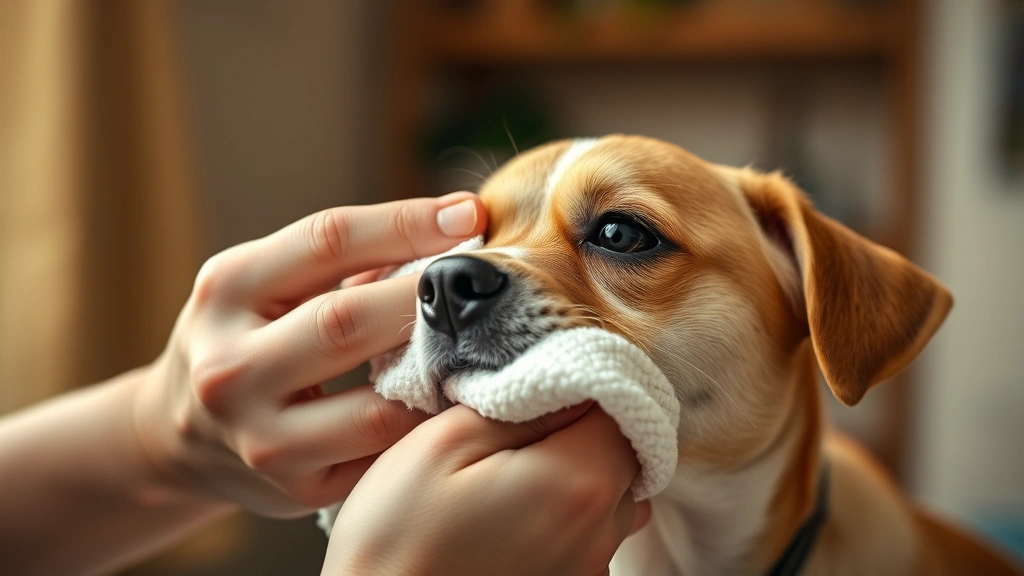
Moisture, dirt, and discharge around the eyes create the perfect breeding ground for bacteria. After meals, playtime, or outdoor adventures, gently wipe your dog’s face with a soft, damp cloth or pet-safe wipes.
Pay special attention to the eye area and tear stains. If your dog has long facial hair, keep it trimmed back so it doesn’t rub directly against the eyeball. For dogs that love water, dry their face thoroughly after swimming or bathing—chlorine and pond water are particularly irritating to eyes.
Tip 2: Practice Gentle Eye Cleaning as Part of Routine Care
Regular, gentle eye cleaning is one of the most effective dog eye infection prevention tips. This doesn’t require special equipment—just warm water and soft cotton pads or gauze.
- Use a fresh pad for each eye to avoid spreading bacteria
- Gently wipe from the inner corner (near the nose) outward
- Never touch the eyeball itself—just the surrounding area
- Aim for 2-3 times per week, or more if your dog has tear staining
If your dog resists, start slowly and reward them with treats and praise. Making it a positive experience helps them cooperate over time.
Tip 3: Protect Your Dog’s Eyes During Outdoor Activities
Dust, pollen, grass seeds, and debris are common eye irritants. During high-pollen seasons or windy days, consider limiting time outdoors or rinsing your dog’s eyes with a saline solution afterward.
If your dog swims frequently, protect their eyes by rinsing them with fresh water immediately after. Chlorinated pools, salt water, and stagnant pond water can all introduce harmful bacteria. Some vets recommend protective dog goggles for very active water dogs—yes, they’re a real thing, and many dogs adapt well to them.
Tip 4: Maintain Proper Nutrition and Immune Health
A strong immune system is your dog’s first line of defense against infection. Quality nutrition packed with antioxidants, omega-3 fatty acids, and essential vitamins supports eye health from the inside out.
Look for dog foods that include ingredients like fish oil, carrots, sweet potatoes, and blueberries. Omega-3s in particular have been shown to support tear production and reduce inflammation. If you’re unsure whether your dog’s current diet is supporting optimal eye health, your vet can recommend adjustments tailored to your pup’s age and breed.
Tip 5: Stay Current With Vaccinations and Preventive Care
Some eye infections are caused by viral infections that vaccines help prevent. Keeping your dog up-to-date on vaccinations protects against conditions like canine herpesvirus and distemper, which can affect the eyes.
Regular wellness exams also give your vet a chance to spot early signs of eye problems before they become infections. During these visits, your vet checks tear production, eye pressure, and overall eye health—catching issues that you might miss at home.
Tip 6: Minimize Allergen Exposure and Manage Allergies
Allergies are a major trigger for eye irritation, which then opens the door to secondary infections. If your dog scratches at their eyes frequently, squints, or has chronically red eyes, allergies might be the culprit.
Common allergens include pollen, dust mites, certain foods, and environmental irritants. If you suspect allergies, work with your vet to identify triggers and manage them. Simply reducing exposure to known allergens can dramatically lower your dog’s infection risk.
Tip 7: Know When to Seek Veterinary Help Quickly
Even with perfect prevention, sometimes eye issues develop. Recognizing early warning signs means you can get help before a minor irritation becomes a full-blown infection.
Watch for:
- Excessive tearing or discharge (especially if it’s yellow, green, or thick)
- Redness or swelling in or around the eye
- Squinting or keeping the eye partially closed
- Your dog rubbing or pawing at their eye repeatedly
- Cloudiness or changes in eye appearance
- Light sensitivity (avoiding bright areas)
If you notice any of these signs, don’t wait. Early treatment prevents complications and keeps your dog more comfortable. If you’re unsure whether your pet needs urgent care, a quick telehealth check-in can give you peace of mind—no appointment needed.
Breed-Specific Considerations for Eye Health
Some breeds need extra eye care attention. Flat-faced breeds like Bulldogs and Pugs have eyes that sit more prominently and are more exposed to irritants. Long-haired breeds like Shih Tzus and Malteses need regular grooming to keep hair out of their eyes.
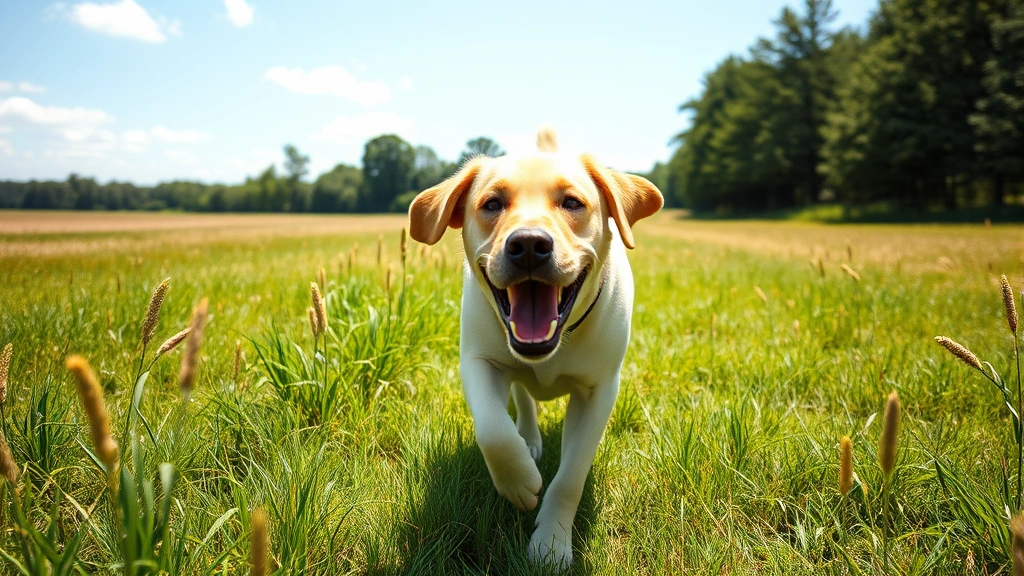
If you have a breed prone to eye issues, ask your vet about a customized prevention plan. What works for a Labrador might not be ideal for a Pekingese, and that’s okay. Tailored prevention is the most effective approach.
Creating a Daily Eye Health Routine
Prevention doesn’t have to be complicated. Here’s a simple daily routine that takes just minutes:
- Each morning, visually inspect your dog’s eyes for any changes
- Gently wipe away any discharge with a soft, damp cloth
- During grooming or bath time, keep water away from the eyes
- After outdoor play, rinse eyes with saline solution if needed
- At night, do a quick check before bed
This routine becomes second nature quickly, and your dog will benefit enormously from your consistency.
Summary: Your Dog’s Eye Health Is in Your Hands
Dog eye infection prevention tips are really about being proactive and observant. Clean eyes, good nutrition, allergy management, and regular vet checkups form a powerful defense against infections. Most importantly, you’re already ahead of the game by learning about prevention—that’s the mark of a caring pet parent.
Your dog depends on you to keep them healthy and comfortable. By implementing these seven strategies, you’re giving their eyes the best possible protection. And remember, if anything ever looks off, your vet is just a consultation away.
Frequently Asked Questions
How often should I clean my dog’s eyes?
For most dogs, 2-3 times per week is ideal for preventive care. Dogs with tear staining, long facial hair, or a history of eye issues may benefit from daily cleaning. Ask your vet what frequency is best for your individual pup.
Can I use human eye drops on my dog?
No—never use human eye drops on dogs without veterinary approval. Dog eyes have different pH and needs. Always use products specifically formulated for dogs, or plain saline solution recommended by your vet.
What’s the difference between tear staining and an infection?
Tear staining is usually brown or reddish discoloration caused by normal tear overflow, while infections typically involve redness, swelling, discharge, and often squinting. If you’re unsure, talk to a vet online for guidance.
Are certain dog breeds more prone to eye infections?
Yes—flat-faced breeds, long-haired breeds, and dogs with eye conditions like entropion have higher risk. Discuss breed-specific prevention with your vet during wellness exams.
When should I take my dog to the vet for an eye issue?
Seek immediate care if you notice discharge, severe redness, squinting, or if your dog is pawing at their eye. If it’s after hours and you’re uncertain, an emergency vet consultation online can help you decide next steps.
What To Do Now
- Schedule a wellness exam with your vet to establish a baseline for your dog’s eye health and discuss any breed-specific concerns
- Gather supplies for your eye cleaning routine: soft cotton pads, saline solution, and soft cloths—then set a reminder to clean your dog’s eyes 2-3 times weekly
- Review your dog’s current diet with your vet and consider adding omega-3 rich foods if eye health support would be beneficial
- Identify any environmental allergens your dog may be exposed to and create a plan to minimize contact during high-pollen seasons
- Bookmark The Pet Vet’s online consultation service so you have quick access if you ever notice eye changes and need professional guidance
Your dog’s bright, healthy eyes are worth the small effort it takes to protect them. Start today—your pup will thank you.