
Noticing your dog squinting, tearing up, or pawing at their eyes can be really worrying—but understanding dog eye infection stages explained will help you know exactly when to act and what to expect. Eye infections in dogs progress through distinct phases, and catching them early makes a huge difference in your pup’s comfort and recovery.
Table of Contents
- Why Dog Eye Infections Happen
- Stage 1: Early Signs and Mild Inflammation
- Stage 2: Moderate Infection with Visible Discharge
- Stage 3: Severe Infection and Tissue Damage
- Common Types of Dog Eye Infections
- How to Recognize Progression Between Stages
- When to Seek Immediate Veterinary Care
- Treatment Approaches by Stage
- Home Care While Your Dog Recovers
- Preventing Future Eye Infections
- What You Need to Know: Summary
- Frequently Asked Questions
- What To Do Now
This article is for informational purposes only and is not a substitute for professional veterinary advice. Always consult a licensed veterinarian for diagnosis and treatment.
Why Dog Eye Infections Happen
Dog eye infections can develop for many reasons—allergies, foreign objects, bacteria, fungi, or even dry eye syndrome. Some breeds with flat faces or droopy eyelids are more prone to them. Understanding what causes the infection helps you recognize early warning signs before things get worse.
The eye is delicate, and infections can escalate quickly if left untreated. That’s why knowing the stages matters so much for your dog’s wellbeing.
Stage 1: Early Signs and Mild Inflammation
The first stage of a dog eye infection often sneaks up quietly. You might notice your dog rubbing their eye more than usual, mild redness around the eyelid, or a slight increase in tearing. The eye may look a little watery or cloudy, but your pup might still act completely normal otherwise.
At this stage, the infection is localized and hasn’t spread deeply into the eye tissues. Catching this early puts you in a great position to help your dog recover quickly. Many pet owners miss these subtle signs because they happen gradually.
- Increased blinking or squinting
- Mild redness of the conjunctiva (pink tissue around the eye)
- Clear or slightly cloudy discharge
- Your dog may paw at the eye occasionally
Stage 2: Moderate Infection with Visible Discharge
As the infection progresses, discharge becomes more noticeable. You’ll see thick, yellowish, or greenish mucus accumulating in the corner of your dog’s eye or crusting over the eyelids. The eye appears noticeably red and swollen, and your dog is likely pawing at it more frequently because it feels uncomfortable.
At this point, your dog may squint even when they’re resting, and they might avoid bright light. The infection has moved beyond the surface, and professional help becomes essential. Don’t wait at this stage—your vet needs to evaluate what’s happening.
- Thick, colored discharge (yellow, green, or brown)
- Significant redness and swelling
- Crusting around the eyelids
- Visible discomfort and frequent eye-pawing
- Sensitivity to light
Stage 3: Severe Infection and Tissue Damage
In the severe stage, the eye infection may have caused damage to the cornea or other eye structures. Your dog could experience significant pain, keeping their eye mostly or completely closed. The discharge may be heavy and purulent (pus-filled), and the entire eye area might appear swollen and inflamed.
Vision may be affected at this stage, and your dog could be acting lethargic or showing signs of systemic illness. This is an emergency situation that requires immediate veterinary attention. Catching this early puts you in a great position to prevent permanent damage.
- Severe swelling and redness
- Heavy pus-like discharge
- Eye held mostly or completely shut
- Possible corneal ulceration or cloudiness
- Signs of pain (head shaking, behavioral changes)
- Possible fever or lethargy
Common Types of Dog Eye Infections
Different infections progress differently. Bacterial eye infections tend to produce thicker, colored discharge, while viral infections may cause more watery discharge. Fungal infections are less common but can be more stubborn to treat.
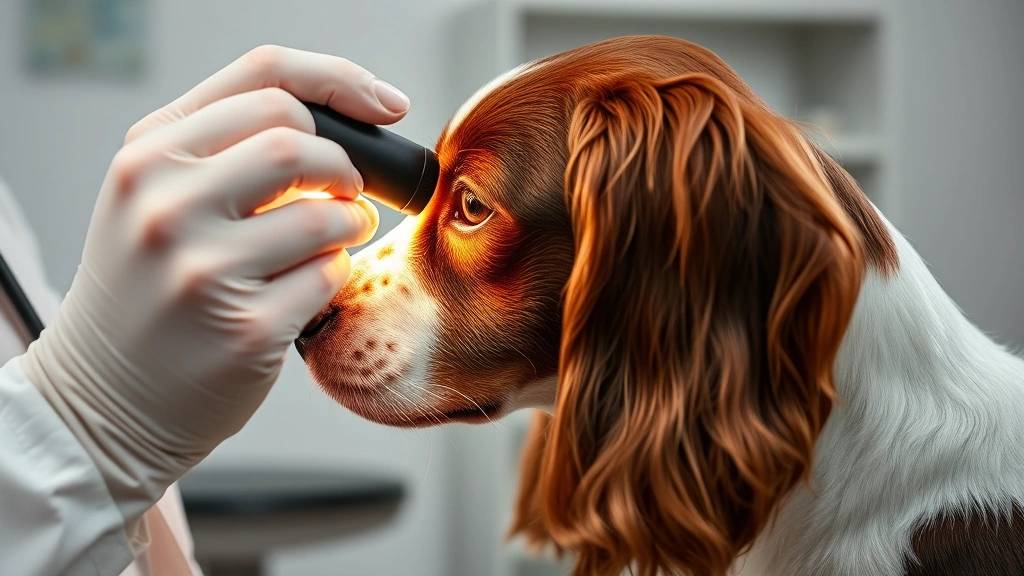
Some infections are surface-level (conjunctivitis), while others affect deeper structures like the cornea or uvea. Your vet will determine the type through examination and possibly testing, which helps guide the right treatment approach. Understanding what you’re dealing with makes treatment more effective.
How to Recognize Progression Between Stages
The key to managing your dog’s eye infection is watching for changes day to day. If you notice the discharge getting thicker, the redness spreading, or your dog’s discomfort increasing, the infection is progressing. Document what you see—take photos if you can—to share with your vet.
Some infections move quickly from stage to stage in just a few days, while others progress slowly over weeks. This is why regular monitoring and prompt veterinary care make such a difference. If you’re unsure whether your pet needs urgent care, a quick telehealth check-in can give you peace of mind—no appointment needed.
When to Seek Immediate Veterinary Care
Don’t wait if your dog’s eye is swollen shut, if there’s heavy discharge, or if your pup seems to be in pain. Similarly, if you notice any cloudiness or haziness in the eye itself (not just around it), that could indicate corneal involvement and requires urgent evaluation. Any sudden change in your dog’s eye appearance warrants a vet visit.
Early intervention prevents complications like scarring, vision loss, or even eye loss in severe cases. Your vet can examine the eye under magnification and determine exactly what’s happening. This is one situation where it’s always better to err on the side of caution.
Treatment Approaches by Stage
Stage 1 infections might respond to supportive care and close monitoring, though your vet will still want to examine the eye. Stage 2 infections typically require topical medications to address the infection and reduce inflammation. Stage 3 infections often need aggressive treatment, possibly including oral medications, and careful monitoring to prevent permanent damage.
Your vet will tailor treatment based on the specific cause and severity. Never use leftover medications from a previous infection—each situation is unique, and the wrong treatment could make things worse. Always get a fresh evaluation for each eye concern.
Home Care While Your Dog Recovers
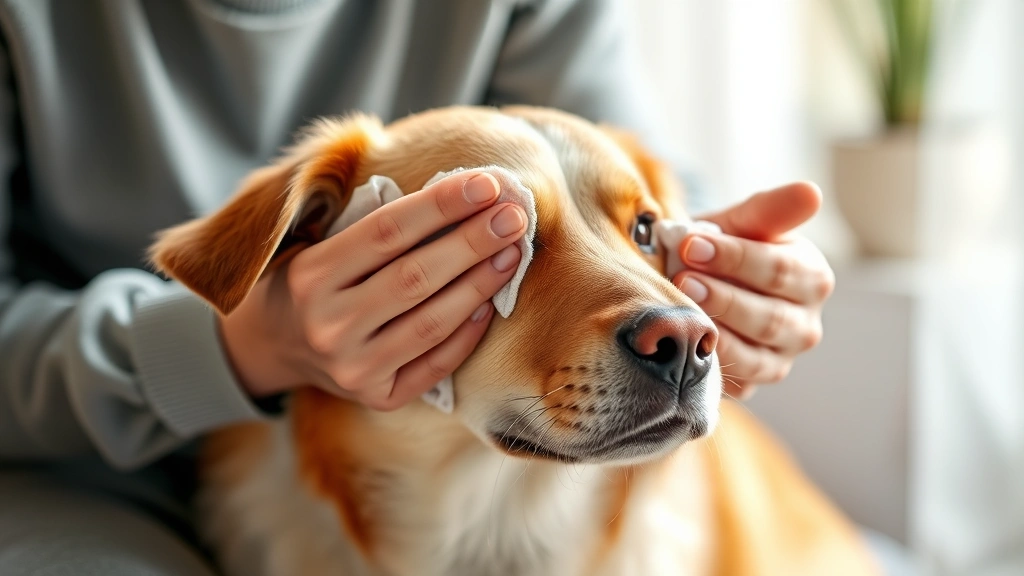
While your vet handles the medical side, you play an important role at home. Keep the area around your dog’s eye clean by gently wiping away discharge with a warm, damp cloth (use a fresh cloth each time). Prevent your dog from rubbing or scratching the eye—an Elizabethan collar (cone) may be necessary.
Follow your vet’s medication instructions exactly, even if your dog seems better. Stopping treatment early is one of the biggest reasons infections come back or worsen. Keep your dog’s face clean and dry, and avoid exposing them to irritants like smoke or dust.
- Clean discharge gently with warm water and a fresh cloth 2-3 times daily
- Apply prescribed medications exactly as directed
- Use an Elizabethan collar if your dog keeps pawing at the eye
- Keep your dog’s sleeping area clean
- Avoid letting your dog swim or play in dirty water during recovery
Preventing Future Eye Infections
Some eye infections are hard to prevent, but you can reduce risk by keeping your dog’s face clean and dry, especially breeds with facial folds. Protect your dog’s eyes during outdoor play, and watch for early signs of irritation. Regular vet checkups catch problems before they become serious infections.
If your dog has had recurrent eye infections, talk to your vet about underlying causes like allergies or anatomical issues. Addressing root causes prevents the cycle from repeating.
What You Need to Know: Summary
Dog eye infections progress through recognizable stages—from mild redness and tearing to severe swelling, discharge, and potential tissue damage. Early detection and prompt veterinary care are your best tools for preventing complications and keeping your dog comfortable.
Stage 1 shows subtle signs like mild redness and increased tearing. Stage 2 brings visible discharge and significant discomfort. Stage 3 involves severe inflammation, possible corneal damage, and requires emergency care. Knowing these stages helps you act quickly when something’s wrong.
Don’t hesitate to reach out to your vet—or talk to a vet online if you need quick guidance—whenever you’re concerned about your dog’s eyes. Your vigilance and quick action can make the difference between a quick recovery and lasting damage.
Frequently Asked Questions
How fast do dog eye infections get worse?
Some infections progress rapidly over 2-3 days, while others develop slowly over weeks. Bacterial infections tend to worsen quickly, so early treatment is crucial.
Can dog eye infections go away on their own?
Mild irritations sometimes resolve naturally, but actual infections almost always need veterinary treatment. Waiting risks progression to more serious stages.
Is a dog eye infection contagious to other pets?
Some bacterial and viral eye infections can spread between animals, especially in close contact. Keep infected dogs separated during treatment when possible.
What’s the difference between conjunctivitis and a corneal infection?
Conjunctivitis affects the pink tissue around the eye and is usually milder. Corneal infections affect the clear front surface and are more serious and painful.
How long does it take for a dog eye infection to heal?
Mild infections may improve in 3-5 days with treatment, but full recovery typically takes 1-2 weeks. Severe infections can take longer and may have lasting effects.
What To Do Now
- Examine your dog’s eyes today. Look for redness, discharge, squinting, or pawing. Note what you see so you can describe it to your vet.
- Schedule a vet appointment immediately if you notice any signs beyond normal tearing. If your regular vet is booked, get vet advice right now through telehealth.
- Avoid using any medications or home remedies without vet approval. Some common products can actually worsen eye infections.
- Keep your dog from rubbing their eye by gently monitoring them and preventing scratching. An Elizabethan collar may help.
- Document changes with photos or notes so your vet understands how quickly the infection is progressing. This helps guide treatment decisions.
Your dog’s eyes are precious, and you’re doing the right thing by learning about these stages. Trust your instincts—if something seems off, reach out to your vet. You’ve got this, and your pup is lucky to have someone so attentive to their health.