
When your dog’s eyes start looking red, cloudy, or crusty, it’s natural to feel worried—but the good news is that dog eye infection treatment options are plentiful and often highly effective when caught early. Eye infections in dogs are surprisingly common, affecting dogs of all ages and breeds, and understanding your treatment choices can help you feel more confident about your pup’s care.
Table of Contents
- Understanding Dog Eye Infections and Why Treatment Matters
- 1. Topical Antibiotic Eye Drops and Ointments
- 2. Oral Antibiotics for Systemic Infections
- 3. Antifungal or Antiviral Medications
- 4. Corticosteroid Eye Drops for Inflammation
- 5. Saline Rinses and Warm Compresses
- 6. Addressing Underlying Allergies and Environmental Factors
- 7. Protective Measures and Preventive Care
- When to Seek Immediate Veterinary Care
- Working With Your Vet to Choose the Right Treatment
- Frequently Asked Questions
- What To Do Now
- Summary: Moving Forward With Confidence
This article is for informational purposes only and is not a substitute for professional veterinary advice. Always consult a licensed veterinarian for diagnosis and treatment.
The challenge many pet owners face is knowing which treatment approach is right for their dog. Should you start with home remedies? Do you need prescription drops? What about antibiotics? In this guide, we’ll walk through seven evidence-based solutions that veterinarians recommend, from topical medications to environmental management, so you can have a meaningful conversation with your vet about the best path forward for your furry friend.
Understanding Dog Eye Infections and Why Treatment Matters
Dog eye infections can stem from bacteria, viruses, fungi, or even allergens and physical irritation. The type of infection your dog has will influence which treatment options work best. Some infections clear up in days with proper care, while others require more intensive management.
Early intervention is crucial. Untreated eye infections can lead to corneal damage, vision loss, or chronic discomfort for your dog. Catching this early puts you in a great position to help your pup feel better quickly.
If you’re unsure whether your pet needs urgent care, a quick telehealth check-in can give you peace of mind—no appointment needed. Your vet can assess the severity and recommend the most appropriate treatment path.
1. Topical Antibiotic Eye Drops and Ointments
The most commonly prescribed solution for bacterial eye infections is topical antibiotic medication. These come in two forms: drops (which are easier to apply frequently) and ointments (which provide longer-lasting coverage but can blur vision temporarily).
Antibiotic eye drops are typically applied multiple times daily, as directed by your veterinarian. They work by directly targeting bacteria at the infection site, reducing inflammation and promoting healing. Many pet owners find drops easier to administer than ointments, especially if their dog is squirmy.
Ointments tend to be thicker and stick around longer, making them ideal for nighttime use or when you can only treat your dog a few times daily. The downside? Your dog’s vision may be temporarily blurred, and they might paw at their eye more frequently.
What to expect: Most bacterial infections show improvement within 3–5 days of consistent treatment, though you’ll typically need to continue for 7–10 days to ensure the infection is fully cleared.
2. Oral Antibiotics for Systemic Infections
Sometimes a topical treatment alone isn’t enough. If your dog’s eye infection is severe, spreading, or linked to an underlying systemic issue, your vet may prescribe oral antibiotics.
Oral medications work from the inside out, increasing antibiotic levels throughout your dog’s body and eyes. This approach is particularly useful for infections caused by certain stubborn bacteria or when multiple body systems are involved.
The downside is that oral antibiotics can sometimes cause mild digestive upset. Always give them with food unless your vet advises otherwise, and complete the full course even if your dog seems better.
3. Antifungal or Antiviral Medications
Not all eye infections are bacterial. Fungal and viral infections require different medication approaches.
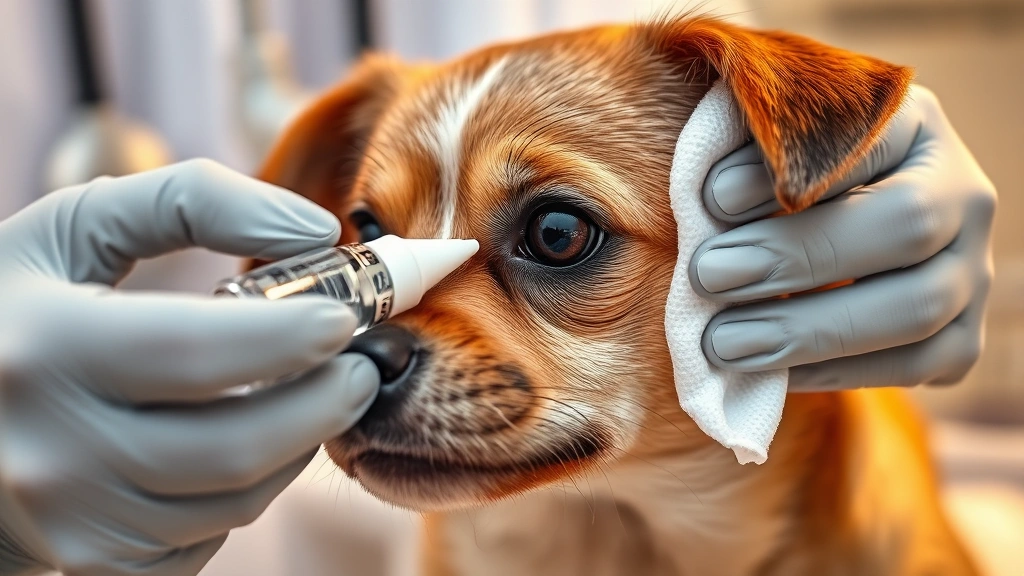
If your dog’s infection is fungal (which is less common but does happen, especially in dogs with weakened immune systems), your vet will prescribe antifungal eye drops or oral medications. Viral infections, such as those caused by herpes or calicivirus in certain cases, may require antiviral treatments tailored to the specific virus.
Diagnosing the type of infection usually requires a veterinary examination and sometimes a culture or cytology sample. This is why professional evaluation is so important—treating a fungal infection with antibiotics won’t help and wastes precious time.
4. Corticosteroid Eye Drops for Inflammation
Inflammation is often the biggest source of discomfort in eye infections. Corticosteroid drops reduce swelling, redness, and irritation, helping your dog feel relief faster.
However, steroids must be used carefully. They can sometimes worsen certain types of infections if used incorrectly, so your vet will only prescribe them after confirming the infection type. Never use a steroid drop without veterinary guidance.
When used appropriately, corticosteroid drops can dramatically improve your dog’s comfort within hours. Many vets recommend them alongside antibiotics for moderate to severe infections.
5. Saline Rinses and Warm Compresses
Sometimes the simplest interventions provide real relief. Saline rinses help flush away discharge, debris, and irritants from your dog’s eye, while warm compresses soothe inflammation and improve circulation.
How to use them:
- Use a sterile saline solution (available at any pharmacy) and apply gently with a clean cotton ball or pad
- Rinse 2–3 times daily, especially before applying medications
- Apply a warm (not hot) compress for 5–10 minutes to ease discomfort
- Always wash your hands before and after to prevent spreading infection
These supportive care measures work best alongside prescribed medications, not as replacements. They’re particularly helpful during the first few days when discharge is heaviest.
6. Addressing Underlying Allergies and Environmental Factors
Many eye infections develop because something else is irritating your dog’s eyes first. Allergies, dry eye, or environmental irritants can damage the eye’s protective surface, allowing bacteria to take hold.
Once the acute infection clears, your vet may recommend allergy management, environmental changes, or even dietary adjustments. Some dogs benefit from omega-3 supplements to support eye health and reduce allergy-related inflammation.
Understanding your dog’s allergies can prevent recurrent eye infections down the road. If your dog keeps getting eye infections, addressing the root cause is just as important as treating each individual infection.
7. Protective Measures and Preventive Care
Prevention is always easier than treatment. Once your dog has recovered from an eye infection, simple protective measures can reduce the risk of recurrence.
Preventive strategies include:

- Keep your dog’s face clean and dry, especially if they have long hair around the eyes
- Avoid exposing your dog to smoke, dust, or harsh chemicals
- Trim hair around the eyes if it’s irritating them
- Ensure your dog’s vaccinations are current (certain vaccines protect against viral eye infections)
- Maintain good overall health through nutrition and regular vet checkups
For dogs prone to eye issues, your vet may recommend preventive eye drops or supplements. Learning to recognize early signs of infection means you can intervene quickly before things escalate.
When to Seek Immediate Veterinary Care
While many eye infections respond well to treatment, some situations demand urgent attention. If your dog shows any of these signs, contact your vet right away:
- Severe swelling that’s closing the eye
- Cloudiness or changes to the pupil
- Excessive eye pain or light sensitivity
- Bleeding or pus discharge
- Sudden vision changes
These could indicate a more serious condition like corneal ulcers or glaucoma. Don’t wait to see if it improves on its own—prompt care can save your dog’s vision.
Working With Your Vet to Choose the Right Treatment
The best dog eye infection treatment option for your pup depends on the infection type, severity, your dog’s age and health status, and any other medications they’re taking. Your veterinarian will examine your dog’s eye, possibly perform a culture or stain test, and then recommend a tailored plan.
Don’t hesitate to ask questions. Understanding why your vet is recommending a specific treatment helps you follow through consistently and spot any issues early. Getting online vet advice is a great way to get a second opinion or clarification if you’re uncertain about your treatment plan.
If your dog isn’t improving after 5–7 days of treatment, contact your vet again. Sometimes the initial diagnosis needs adjustment, or a different medication may work better.
Frequently Asked Questions
Can I treat my dog’s eye infection at home without antibiotics?
Saline rinses and warm compresses provide comfort, but most bacterial eye infections require prescription antibiotics to clear completely. Home care alone rarely eliminates the infection and risks complications.
How long does it take for eye drops to work?
You may see improvement in discharge and redness within 24–48 hours, but full healing typically takes 7–10 days of consistent treatment. Always complete the full course even if your dog looks better.
Is my dog’s eye infection contagious to other pets?
Some eye infections (particularly viral ones) can spread between dogs, while bacterial infections are usually not contagious. Ask your vet about isolation precautions if you have multiple pets.
What if my dog keeps getting eye infections?
Recurrent infections often signal an underlying issue like allergies, dry eye, or blocked tear ducts. Your vet may recommend allergy testing, dietary changes, or preventive medications to address the root cause.
Can I use my own eye drops on my dog?
Never use human eye drops on your dog without veterinary approval. Human medications can be harmful to dogs, and the dosage and formulation are completely different. Always use only vet-prescribed or vet-approved products.
What To Do Now
- Schedule a vet appointment or telehealth consultation as soon as possible. If your dog’s eye looks severely swollen or painful, seek urgent care today.
- Document what you see: Note the color of discharge, which eye is affected, when it started, and any other symptoms (sneezing, pawing, squinting). This information helps your vet diagnose faster.
- Start gentle saline rinses if your vet approves. Use a sterile saline solution and clean cotton pads to gently remove discharge 2–3 times daily while waiting for your appointment.
- Prevent spreading: Wash your hands after touching your dog’s eye, and don’t let other pets share toys or bedding until you know the infection type.
- Gather medication information: Before your appointment, list any other medications or supplements your dog takes. This helps your vet choose compatible treatments.
Summary: Moving Forward With Confidence
Discovering your dog has an eye infection is stressful, but you’re not alone, and effective solutions exist. From topical antibiotic drops to oral medications, saline rinses, and preventive care strategies, modern veterinary medicine offers multiple pathways to healing.
The key is acting quickly, working closely with your vet, and following treatment instructions consistently. Most dogs recover fully from eye infections when treated promptly and properly. Your attentiveness to your dog’s health—the fact that you’re reading this and seeking information—puts your pup in the best possible position for a speedy recovery.
Remember, talking to a vet online is a convenient option if you want professional guidance without leaving home. Whether you choose in-person or telehealth care, getting expert input is the most important step you can take right now.