
Noticing your dog’s eyes looking red, swollen, or cloudy can be genuinely worrying—and if you’re wondering whether your dog eye infection when to see a vet is the right move, the answer is almost always yes. Eye infections in dogs range from minor irritations that clear up quickly to serious conditions that can threaten vision if left untreated. The good news? Catching the signs early and getting professional guidance puts you in a great position to help your pup feel better fast.
Table of Contents
- Why Your Dog’s Eyes Need Prompt Attention
- Sign #1: Excessive Redness and Swelling
- Sign #2: Unusual Discharge and Crusty Eyes
- Sign #3: Squinting and Light Sensitivity
- Sign #4: Pawing, Rubbing, or Head Shaking
- Sign #5: Cloudiness or Changes in Eye Appearance
- Sign #6: Visible Third Eyelid or Eye Protrusion
- Sign #7: Behavioral Changes and Reluctance to Open Eyes
- Common Causes of Dog Eye Infections
- What to Do Right Now: Action Steps
- When It’s an Emergency
- How Vets Diagnose Eye Infections
- Treatment Options Your Vet Might Recommend
- Prevention Tips for Healthy Dog Eyes
- Frequently Asked Questions
- Summary: Taking Action on Dog Eye Infections
This article is for informational purposes only and is not a substitute for professional veterinary advice. Always consult a licensed veterinarian for diagnosis and treatment.
Why Your Dog’s Eyes Need Prompt Attention
Your dog’s eyes are delicate and complex. Unlike minor skin issues that sometimes resolve on their own, eye problems tend to get worse quickly without proper care. The eye’s structure—with its sensitive cornea, lens, and internal fluids—means that even a small infection can escalate into something more serious within days.
Dogs can’t tell us exactly what’s bothering them, so they rely on us to notice changes in behavior and appearance. When your dog is squinting, pawing at their face, or avoiding light, that’s their way of signaling distress. Early veterinary intervention often means the difference between a simple treatment and a complicated one.
Sign #1: Excessive Redness and Swelling
If your dog’s eyes look noticeably redder than usual or the area around them appears puffy, that’s a classic indicator something’s wrong. Redness suggests inflammation, which could stem from an infection, allergies, or trauma. Swelling around the eyelids or in the white of the eye (the sclera) warrants a vet visit within 24 hours.
Pay attention to whether the redness is in one eye or both. Bilateral (both-eye) redness sometimes points to allergies, while one-sided redness might indicate a foreign object or localized infection. Either way, your vet needs to evaluate it.
Sign #2: Unusual Discharge and Crusty Eyes
A small amount of clear discharge in the corner of your dog’s eye is normal, but thick, colored, or crusty discharge is not. If you notice:
- Yellow or green discharge (suggests bacterial infection)
- Thick, mucus-like buildup that crusts over
- Discharge so heavy your dog’s eye appears glued shut in the morning
These are signs you should talk to a dog vet online or schedule an in-person appointment. Bacterial eye infections respond well to treatment, but they need professional diagnosis first. Catching this early puts you in a great position to prevent complications.
Sign #3: Squinting and Light Sensitivity
If your dog is squinting or keeping one eye mostly closed, they’re experiencing discomfort. Light sensitivity (called photophobia) often accompanies eye infections, especially those affecting the cornea. You might notice your dog seeking dark corners or avoiding bright outdoor areas.
Squinting is your dog’s way of protecting their eye from further irritation. This behavior should never be ignored—it indicates pain or significant irritation that requires veterinary assessment. Don’t wait more than a day or two if this is happening.
Sign #4: Pawing, Rubbing, or Head Shaking
When dogs feel itchy or uncomfortable around their eyes, they instinctively paw or rub at them. While this might provide temporary relief, it often makes infections worse by introducing bacteria or causing scratches. Frequent head shaking, especially when combined with other eye symptoms, suggests your dog is really bothered.
The more your dog rubs their eye, the more irritated it becomes—creating a frustrating cycle. A vet visit can break this cycle with appropriate treatment and, if needed, a protective cone to prevent further self-trauma.
Sign #5: Cloudiness or Changes in Eye Appearance
A cloudy or hazy appearance to your dog’s eye (rather than the normal clear, bright look) could indicate several issues: corneal ulceration, cataracts, or severe inflammation. This change in clarity is always worth investigating promptly. Some conditions causing cloudiness can progress rapidly and affect vision.
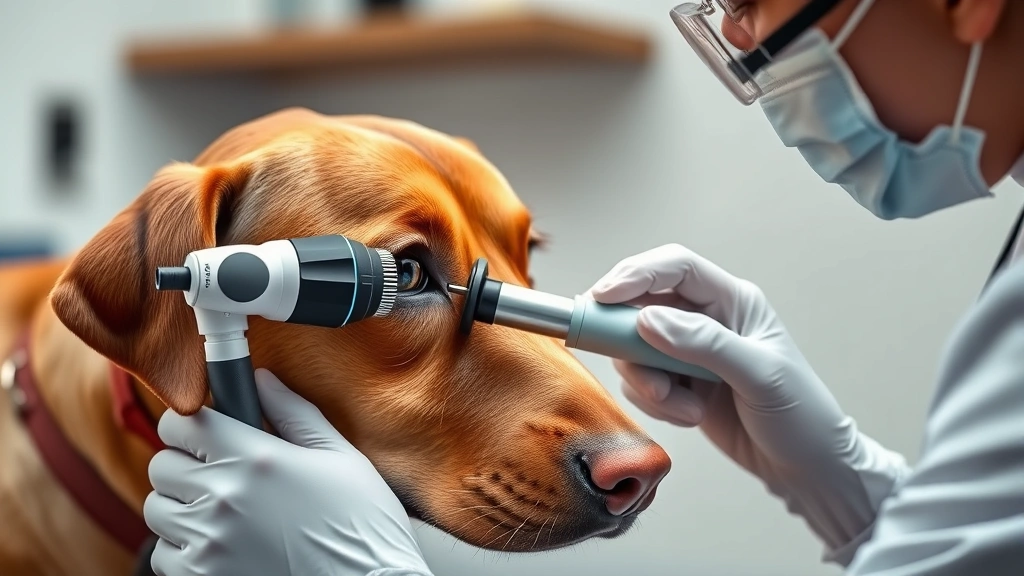
Compare your dog’s eyes to how they normally look. If one eye appears noticeably different in clarity or color compared to the other, or compared to your dog’s baseline, schedule a vet appointment. If you’re unsure whether your pet needs urgent care, a quick telehealth check-in can give you peace of mind—no appointment needed.
Sign #6: Visible Third Eyelid or Eye Protrusion
Dogs have a third eyelid (called the nictitating membrane) that normally stays tucked away in the corner of the eye. If you suddenly see a pink or white membrane covering part of your dog’s eye, or if the eye itself appears to be bulging slightly, these are red flags that require immediate veterinary attention.
These signs could indicate serious conditions like glaucoma, orbital cellulitis, or severe inflammation. Don’t delay—contact your vet or an emergency clinic right away if you notice these changes.
Sign #7: Behavioral Changes and Reluctance to Open Eyes
Sometimes the most telling sign is behavioral. If your normally playful dog becomes withdrawn, avoids interaction, or seems to be in pain, eye discomfort might be the culprit. Some dogs will keep their eyes closed for extended periods when experiencing significant pain.
Pain changes behavior. If your dog is acting unusually quiet, irritable, or reluctant to engage in activities they normally enjoy, and you’ve noticed any eye-related symptoms, that combination strongly suggests a vet visit is needed.
Common Causes of Dog Eye Infections
Understanding what might have caused the infection can help you prevent future episodes. Common culprits include:
- Bacterial infections: Often develop after trauma or when the eye’s natural defenses are compromised
- Viral infections: Can spread between dogs or be part of a systemic illness
- Fungal infections: Less common but serious, especially in certain geographic regions
- Foreign objects: Dust, dirt, grass awns, or debris can irritate and infect the eye
- Allergies: Environmental or food allergies often cause eye inflammation
- Breed predisposition: Flat-faced breeds and dogs with droopy eyelids are more prone to infections
Your vet will help identify the underlying cause so you can address it properly and reduce the risk of recurrence.
What to Do Right Now: Action Steps
- Assess the severity: Look for the seven warning signs listed above. If your dog has multiple symptoms or signs of pain, prioritize an urgent vet visit.
- Keep the eye clean: Gently wipe away any visible discharge with a clean, damp cloth. Avoid touching the eye itself or using any products without vet approval.
- Prevent further irritation: If your dog is pawing excessively, consider a protective cone (E-collar) to prevent self-trauma while waiting for your appointment.
- Schedule a vet appointment: Contact your regular veterinarian for an appointment, or reach out for immediate vet consultation if symptoms suggest urgency. If it’s after hours, call an emergency clinic.
- Gather information: Note when symptoms started, whether they’re in one or both eyes, any recent injuries or exposure to other animals, and any other health changes you’ve noticed.
When It’s an Emergency
Some eye situations require immediate emergency care rather than waiting for a regular appointment. Seek emergency veterinary care if your dog shows:
- Sudden blindness or inability to see
- Severe pain (constant squinting, inability to open eye)
- Eye trauma or visible injury
- Discharge so severe the eye appears sealed shut
- Visible pus or blood
- Bulging or sunken appearance to the eye
Don’t hesitate to contact an emergency clinic if you’re unsure. It’s always better to err on the side of caution with your dog’s vision.
How Vets Diagnose Eye Infections
When you bring your dog in, the vet will perform a thorough eye examination. This typically includes checking vision, examining the eye structure with specialized equipment, and possibly staining the cornea to look for ulcers. The vet may also take samples for bacterial or fungal culture if needed.
This diagnostic process helps identify exactly what’s causing the infection so treatment can be targeted and effective. It’s not invasive and helps your vet rule out serious conditions that might look similar to simple infections.
Treatment Options Your Vet Might Recommend
Treatment varies based on the cause and severity of the infection. Your vet might recommend topical medications (eye drops or ointments), oral medications, or a combination approach. Some infections clear quickly with proper treatment, while others require ongoing care.
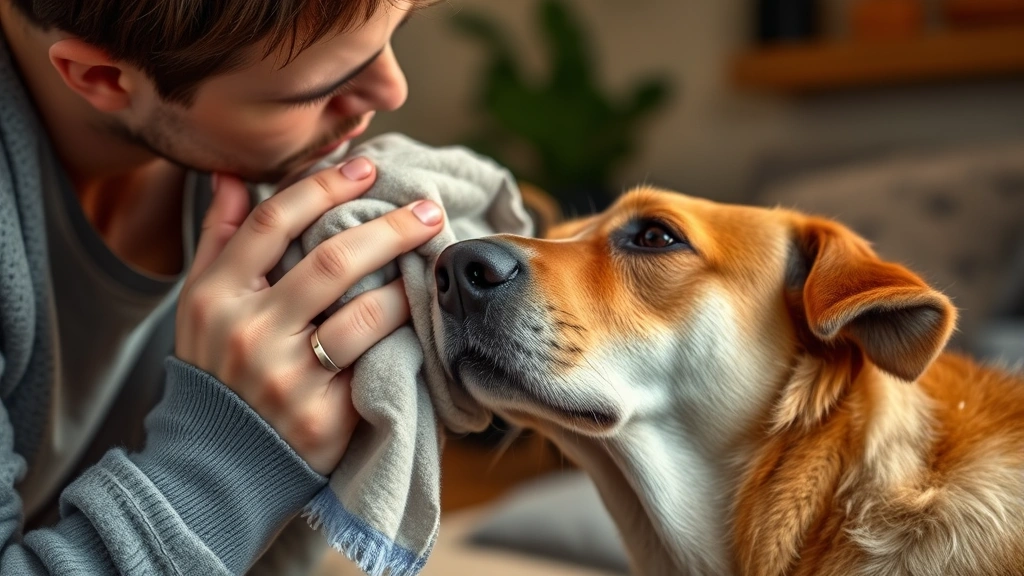
The important thing is following your vet’s instructions carefully. Eye medications often need to be applied multiple times daily, and completing the full course—even after symptoms improve—is crucial for preventing recurrence.
Prevention Tips for Healthy Dog Eyes
While you can’t prevent every eye issue, these habits help reduce risk:
- Keep your dog’s face clean and dry, especially if they have long hair around the eyes
- Trim hair that falls into the eyes to prevent irritation
- Avoid exposing your dog to known allergens when possible
- Keep your dog away from other animals with visible eye infections
- Use protective eyewear during activities that risk debris exposure
- Schedule regular wellness exams where your vet can check eye health
Prevention is always easier than treatment, so these small steps pay off over time.
Frequently Asked Questions
Can I treat my dog’s eye infection at home?
Home care like gentle cleaning can help, but infections require professional diagnosis and treatment. Using the wrong remedy could delay healing or worsen the condition, so veterinary guidance is essential.
How long does it take for an eye infection to clear up?
With proper treatment, most bacterial eye infections improve within 3-7 days, though you’ll typically need to continue medication for 1-2 weeks. More serious infections may take longer.
Is a dog eye infection contagious to other pets or humans?
Some bacterial and viral eye infections can spread between dogs, so keep an infected dog separated from other pets. Eye infections are generally not contagious to humans, but practicing good hygiene is wise.
What if my dog’s eye infection keeps coming back?
Recurrent infections suggest an underlying issue like allergies, eyelid problems, or inadequate tear production. Your vet can investigate the root cause and recommend preventive measures.
Should I be worried if only one eye is affected?
One-eye infections are common and often result from trauma or a localized issue. While they’re usually less serious than bilateral infections, they still need prompt veterinary attention to prevent spreading or complications.
Summary: Taking Action on Dog Eye Infections
Your dog’s eyes are precious, and noticing signs of infection is your first opportunity to help. The seven warning signs—redness, discharge, squinting, pawing, cloudiness, third eyelid visibility, and behavioral changes—are your dog’s way of asking for help.
Don’t second-guess yourself. If you’re reading this because you’re worried about your dog’s eyes, that worry is justified. Eye infections won’t resolve on their own, and early treatment makes a real difference in outcomes. Whether you talk to a vet about concerns or schedule an appointment, taking action now protects your dog’s vision and comfort.
Your dog is counting on you to notice these signs and act. You’ve got this—and your vet is ready to help.