
If your dog is experiencing gastrointestinal issues after vaccination, you’re not alone—and the good news is that most cases resolve quickly with the right care. Vaccines are crucial for protecting your pup’s health, but it’s completely normal to notice some digestive upset in the days following their shot. Understanding what’s happening in your dog’s body and knowing when to seek help can turn a stressful situation into one you can manage with confidence.
Table of Contents
- Why Do Dogs Get Digestive Problems After Vaccination?
- Common Signs of Post-Vaccination Digestive Upset
- How Long Does Post-Vaccination Digestive Upset Last?
- When to Contact Your Veterinarian
- Proven At-Home Care Strategies
- Understanding Vaccination Side Effects Beyond Digestion
- Prevention Tips for Future Vaccinations
- When Digestive Issues Might Indicate Something Else
- The Importance of Electrolyte Balance
- Summary: Moving Forward with Confidence
- Frequently Asked Questions
- What To Do Now
This article is for informational purposes only and is not a substitute for professional veterinary advice. Always consult a licensed veterinarian for diagnosis and treatment.
Why Do Dogs Get Digestive Problems After Vaccination?
Vaccines work by stimulating your dog’s immune system to build protective antibodies. This immune response is exactly what you want—it’s how your pup stays protected against serious diseases. However, this activation can sometimes cause temporary side effects, including gastrointestinal upset.
Think of it like your dog’s body mounting a mini-defense team. During this process, inflammation in the gut is common, and digestive enzymes may be temporarily disrupted. Most dogs bounce back within 24 to 48 hours as their immune system settles down.
The good news? Dog gastrointestinal issues after vaccination are usually mild and self-limiting, meaning they resolve on their own without intervention. However, knowing the signs helps you decide when a vet check-in is worth your peace of mind.
Common Signs of Post-Vaccination Digestive Upset
Recognizing the early signs of digestive trouble helps you respond quickly. Here are the most common symptoms pet owners report after their dog’s vaccination:
- Mild vomiting or retching: A single episode or a few dry heaves, usually within 24 hours
- Loose stools or diarrhea: Softer than normal, sometimes with a slight color change
- Reduced appetite: Your pup may skip a meal or eat less enthusiastically
- Mild lethargy: A bit less playful or more interested in napping
- Stomach gurgling: You might hear digestive sounds or notice mild abdominal discomfort
- Excessive drooling: A sign of nausea in some dogs
Catching these signs early puts you in a great position to help your pup feel better fast. Most of these symptoms are mild and temporary, but monitoring them closely is smart pet parenting.
How Long Does Post-Vaccination Digestive Upset Last?
The timeline for dog gastrointestinal issues after vaccination typically follows a predictable pattern. Most dogs experience symptoms within the first 24 to 48 hours after their shot, with the worst symptoms usually appearing on day one.
In the vast majority of cases, digestive upset resolves completely within 2 to 3 days. If your dog’s symptoms persist beyond three days or worsen over time, that’s when a veterinary consultation becomes important.
Keep a simple log of when symptoms start and stop. This information is invaluable if you need to contact your vet, and it helps you feel more in control of the situation.
When to Contact Your Veterinarian
While mild digestive upset is normal, certain symptoms warrant a professional evaluation. Contact your vet if your dog is experiencing:
- Persistent vomiting (more than 2-3 episodes) or inability to keep food down
- Severe or bloody diarrhea
- Signs of dehydration (dry gums, lethargy, sunken eyes)
- Abdominal pain or distension (hunched posture, whining)
- Fever or other systemic symptoms
- Symptoms lasting longer than 3 days
If you are unsure whether your pet needs urgent care, a quick telehealth check-in can give you peace of mind — no appointment needed. The Pet Vet’s veterinarians can assess your dog’s symptoms over video and advise whether an in-person visit is necessary.
Proven At-Home Care Strategies
Most cases of post-vaccination digestive upset respond well to simple, supportive care at home. Here’s what experienced vets recommend:
Fasting and Gradual Refeeding
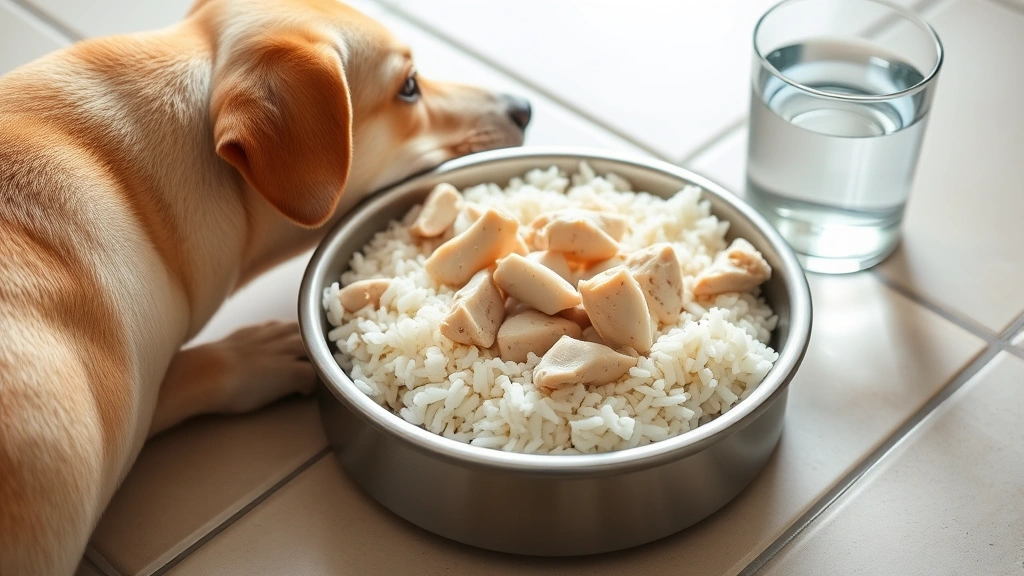
Giving your dog’s digestive system a brief rest can work wonders. A 12 to 24-hour fast (depending on your vet’s recommendation) allows inflammation to settle. After fasting, reintroduce food gradually with bland, easy-to-digest options like plain boiled chicken and white rice in small portions.
Hydration Support
Dehydration is a real concern with vomiting and diarrhea. Offer small amounts of water frequently throughout the day rather than one large bowl. Some dogs do better with ice chips or low-sodium broth to encourage fluid intake.
Bland Diet Transition
Once your pup is ready to eat, stick with bland foods for several days. Plain boiled chicken, sweet potato, and white rice are gentle on the recovering digestive system. Avoid high-fat, spicy, or rich foods that could trigger another upset.
Probiotics and Digestive Support
Pet-specific probiotics can help restore healthy gut bacteria disrupted by the immune response. These are available over-the-counter and are generally safe, but always confirm with your vet before starting any supplement.
Understanding Vaccination Side Effects Beyond Digestion
While this article focuses on gastrointestinal issues, it’s worth noting that vaccines can cause other temporary side effects. Some dogs experience mild fever, swelling at the injection site, or lethargy. These are typically mild and resolve within 24 to 48 hours.
In rare cases, dogs may experience more serious reactions. If you’re concerned about post-vaccination symptoms beyond digestive upset, our article on dog heart disease after vaccination provides additional context on when symptoms warrant urgent attention.
Most importantly, the benefits of vaccination far outweigh the temporary discomfort of side effects. Vaccines protect your dog from life-threatening diseases, making this brief adjustment period a worthwhile trade-off.
Prevention Tips for Future Vaccinations
While you can’t completely prevent post-vaccination digestive upset, a few smart strategies can minimize the risk:
- Schedule vaccinations when you can monitor your pup: Avoid vaccination appointments right before a busy work week or when you’ll be away from home
- Keep your dog calm post-vaccination: Limit vigorous exercise for 24 to 48 hours; gentle walks are fine, but avoid play sessions or training
- Maintain a consistent diet: Don’t introduce new foods around vaccination time
- Ensure your dog is well-hydrated: Proper hydration supports immune function and digestive health
- Discuss your dog’s history with your vet: If your pup has had digestive issues after previous vaccinations, mention this so your vet can provide tailored guidance
When Digestive Issues Might Indicate Something Else
While most post-vaccination digestive upset is temporary and harmless, it’s important to recognize when symptoms might point to an underlying condition. If your dog has a history of sensitive digestion or chronic GI issues, vaccination might trigger a more pronounced response.
Additionally, if your dog’s digestive problems don’t align with the typical post-vaccination timeline or pattern, other causes may be at play. Our guide on dog gastrointestinal issues – early signs can help you identify whether additional evaluation is needed.

Some dogs may also experience secondary issues like nausea that lingers longer than typical. If your pup is struggling with persistent nausea, learn more about management options in our article on dog nausea medication.
The Importance of Electrolyte Balance
During episodes of vomiting or diarrhea, your dog loses important electrolytes like sodium, potassium, and chloride. These minerals are crucial for nerve function, muscle contraction, and hydration. In mild cases, a normal diet restores these naturally, but in more significant cases, additional support may help.
Pet-specific electrolyte solutions can support recovery, especially if your dog is experiencing multiple episodes of vomiting or diarrhea. Learn more about options in our article on pet electrolytes to understand when supplementation might be beneficial.
Summary: Moving Forward with Confidence
Dog gastrointestinal issues after vaccination are a common, usually temporary side effect of your pup’s immune system doing its job. Most cases resolve within 2 to 3 days with supportive at-home care, and the brief discomfort is a small price for the lifelong protection vaccines provide.
By recognizing early signs, providing appropriate care, and knowing when to seek professional guidance, you’re equipped to help your dog through this minor bump in the road. Remember, you know your dog best—trust your instincts, and don’t hesitate to reach out to your vet if something doesn’t feel right.
Your dog’s health and comfort matter, and with the right support, they’ll be back to their normal, happy self in no time.
Frequently Asked Questions
Is it normal for my dog to have diarrhea after vaccination?
Yes, mild diarrhea within 24 to 48 hours of vaccination is a common and temporary side effect. It typically resolves on its own within 2 to 3 days as your dog’s immune system settles.
Can I give my dog food immediately after vaccination?
It’s often best to wait a few hours or offer only small amounts of bland food initially. If your dog is experiencing digestive upset, a brief fast followed by gradual refeeding works well for most pups.
How much water should my dog drink after vaccination?
Offer water freely in small amounts throughout the day rather than one large bowl. If your dog is vomiting, provide ice chips or low-sodium broth to encourage hydration without overwhelming the stomach.
What should I feed my dog after vaccination if they have an upset stomach?
Bland, easy-to-digest foods like plain boiled chicken, white rice, and sweet potato are ideal. Avoid high-fat, spicy, or rich foods for several days while your dog’s digestive system recovers.
When should I be worried about my dog’s post-vaccination symptoms?
Contact your vet if symptoms persist beyond 3 days, worsen over time, or include severe vomiting, bloody diarrhea, signs of dehydration, or abdominal pain. Mild symptoms that improve daily are typically normal.
What To Do Now
- Monitor your dog closely: Keep track of when symptoms start, what they look like, and when they improve. This information is valuable if you need to contact your vet.
- Provide supportive care at home: Offer small amounts of water frequently, consider a brief fast if vomiting is present, and transition to bland foods once your pup is ready to eat.
- Schedule a telehealth check-in if uncertain: If you’re worried about your dog’s symptoms or unsure whether they need urgent care, The Pet Vet’s telehealth service can provide peace of mind without the hassle of an office visit.
- Note your dog’s vaccination history: If your pup consistently experiences digestive upset after vaccines, mention this at future appointments so your vet can provide personalized guidance.
- Follow up with your vet if symptoms persist: If digestive issues last longer than 3 days or worsen, schedule an in-person evaluation to rule out other causes.