
If your dog is experiencing digestive upset, you’re likely worried and searching for answers—and that’s completely understandable. Dog gastrointestinal issues causes range from simple dietary indiscretions to more serious underlying conditions, but the good news is that many cases respond well to targeted interventions. Understanding what might be triggering your pup’s stomach troubles is the first step toward getting them back to their happy, energetic self.
Table of Contents
- What Are Dog Gastrointestinal Issues?
- Common Causes of Dog Gastrointestinal Issues
- Recognizing the Symptoms
- Solution 1: Dietary Adjustment and Gradual Transitions
- Solution 2: Parasite Prevention and Treatment
- Solution 3: Identify and Eliminate Trigger Foods
- Solution 4: Probiotics and Digestive Supplements
- Solution 5: Stress Reduction and Environmental Management
- Solution 6: Hydration and Electrolyte Balance
- Solution 7: Professional Veterinary Evaluation
- When to Seek Immediate Veterinary Care
- Prevention Tips for Long-Term Digestive Health
- Understanding Your Dog’s Individual Needs
- Frequently Asked Questions
- What To Do Now
- Summary: Getting Your Dog Back on Track
This article is for informational purposes only and is not a substitute for professional veterinary advice. Always consult a licensed veterinarian for diagnosis and treatment.
What Are Dog Gastrointestinal Issues?
Gastrointestinal (GI) issues in dogs encompass a range of digestive problems that affect the stomach, small intestine, and colon. These can present as vomiting, diarrhea, constipation, loss of appetite, or abdominal discomfort. Some cases are acute and resolve quickly, while others become chronic and require ongoing management.
Your dog’s digestive system is sensitive and can be disrupted by numerous factors. The key is identifying the root cause so you can address it effectively.
Common Causes of Dog Gastrointestinal Issues
Several factors can trigger digestive upset in dogs. Let’s break down the most frequent culprits:
Dietary Changes and Food Sensitivities
One of the most common triggers is a sudden change in diet. Dogs have sensitive digestive systems that need time to adjust to new foods. When you switch brands or introduce new ingredients too quickly, their gut bacteria and digestive enzymes may struggle to adapt.
Additionally, some dogs have food sensitivities or allergies to specific ingredients like chicken, beef, wheat, or dairy. These aren’t true allergies but rather digestive intolerances that cause inflammation and discomfort.
Eating Inappropriate Items
Dogs are curious creatures and sometimes eat things they shouldn’t. Consuming garbage, human food, or non-food items can wreak havoc on their digestive system. Foods that are poisonous to dogs include chocolate, grapes, onions, and xylitol, which can cause severe GI distress or worse.
Even non-toxic items like bones, plastic, or excessive treats can cause blockages or inflammation.
Bacterial or Parasitic Infections
Intestinal parasites like roundworms, hookworms, and giardia are surprisingly common in dogs, especially puppies and those with outdoor access. These parasites irritate the intestinal lining and cause diarrhea, sometimes with visible worms in stool.
Bacterial infections from pathogens like E. coli or Salmonella can also trigger acute GI upset with symptoms appearing suddenly.
Inflammatory Bowel Conditions
Conditions like colitis in dogs involve inflammation of the colon and cause chronic diarrhea, often with mucus or blood. These inflammatory conditions require specific management strategies tailored to your dog’s needs.
Inflammatory bowel disease (IBD) is another condition where the immune system attacks the digestive tract, leading to persistent symptoms.
Pancreatitis
Pancreatitis in dogs occurs when the pancreas becomes inflamed, often triggered by high-fat foods or certain medical conditions. This is a painful condition that requires prompt veterinary attention and can range from mild to severe.
Stress and Anxiety
Believe it or not, emotional stress can significantly impact your dog’s digestive health. Changes in routine, new pets, moving homes, or separation anxiety can all trigger GI upset. The gut-brain connection is real in dogs too.
Underlying Medical Conditions
Sometimes GI issues signal a deeper health problem. Kidney disease, liver disease, diabetes, and hormonal imbalances can all manifest as digestive upset. This is why persistent symptoms warrant veterinary investigation.
Recognizing the Symptoms
Knowing what to watch for helps you catch problems early. Common signs include:
- Vomiting or retching
- Diarrhea or soft stools
- Constipation
- Loss of appetite or decreased food interest
- Abdominal bloating or distension
- Excessive gas or gurgling sounds
- Lethargy or unusual behavior
- Weight loss over time
If your dog shows any of these signs, especially if they persist for more than a day or two, reaching out to your vet is wise. Catching this early puts you in a great position to help.
Solution 1: Dietary Adjustment and Gradual Transitions
If you suspect food is the culprit, the first step is ensuring smooth dietary transitions. When switching foods, mix the new food gradually with the old over 7-10 days, slowly increasing the proportion of new food.
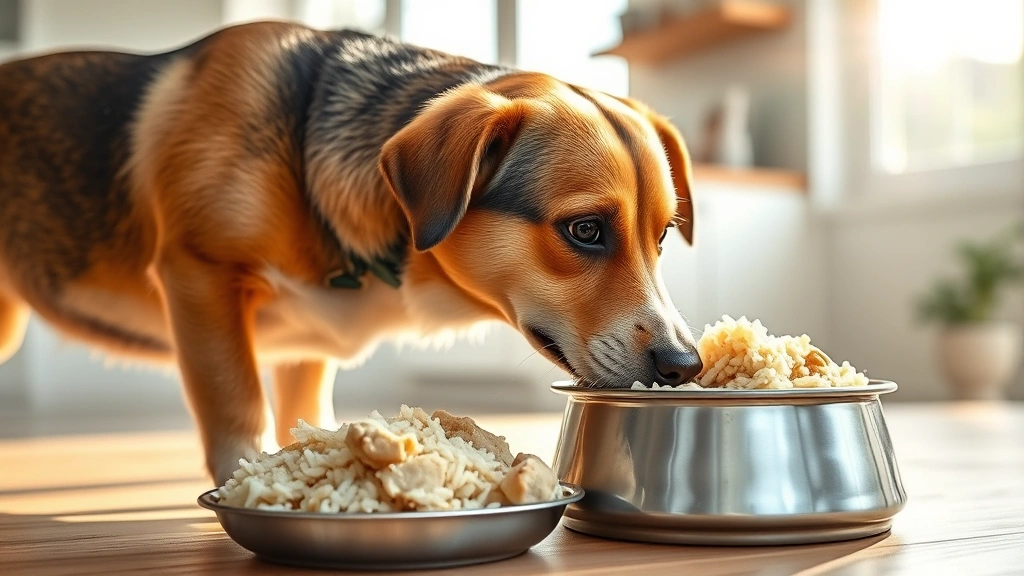
Consider a bland diet temporarily: boiled chicken and white rice can soothe an upset stomach while you identify the underlying cause. Once your dog stabilizes, you can reintroduce their regular food or try a limited-ingredient diet.
Solution 2: Parasite Prevention and Treatment
Regular parasite prevention is essential. Monthly preventatives protect against intestinal parasites and fleas. If your dog hasn’t been on prevention or you suspect parasites, a fecal exam from your vet can confirm the diagnosis.
Treatment is straightforward and highly effective, bringing relief within days to weeks depending on the parasite type.
Solution 3: Identify and Eliminate Trigger Foods
Once acute symptoms settle, an elimination diet can help identify food sensitivities. This involves feeding a single protein and carbohydrate source for 6-8 weeks, then gradually reintroducing ingredients to pinpoint triggers.
Common trigger foods include chicken, beef, wheat, and corn. Your vet can recommend a hypoallergenic diet tailored to your dog’s needs.
Solution 4: Probiotics and Digestive Supplements
Probiotics support healthy gut bacteria and can improve digestion and stool quality. These beneficial microorganisms help restore balance after illness, antibiotics, or dietary upset.
Digestive enzymes and fiber supplements may also help, depending on your dog’s specific condition. Your vet can recommend appropriate options for your pup.
Solution 5: Stress Reduction and Environmental Management
If stress triggers your dog’s symptoms, creating a calm environment helps tremendously. Maintain consistent routines, provide safe spaces, and consider calming supplements or anxiety-reducing strategies.
Some dogs benefit from puzzle toys, regular exercise, or even calming music during stressful periods.
Solution 6: Hydration and Electrolyte Balance
Vomiting and diarrhea cause fluid loss, so maintaining hydration is critical. Ensure fresh water is always available. In severe cases, your vet may recommend electrolyte solutions to prevent dehydration.
Watch for signs of dehydration like dry gums, lethargy, or skin that doesn’t bounce back when gently pinched.
Solution 7: Professional Veterinary Evaluation
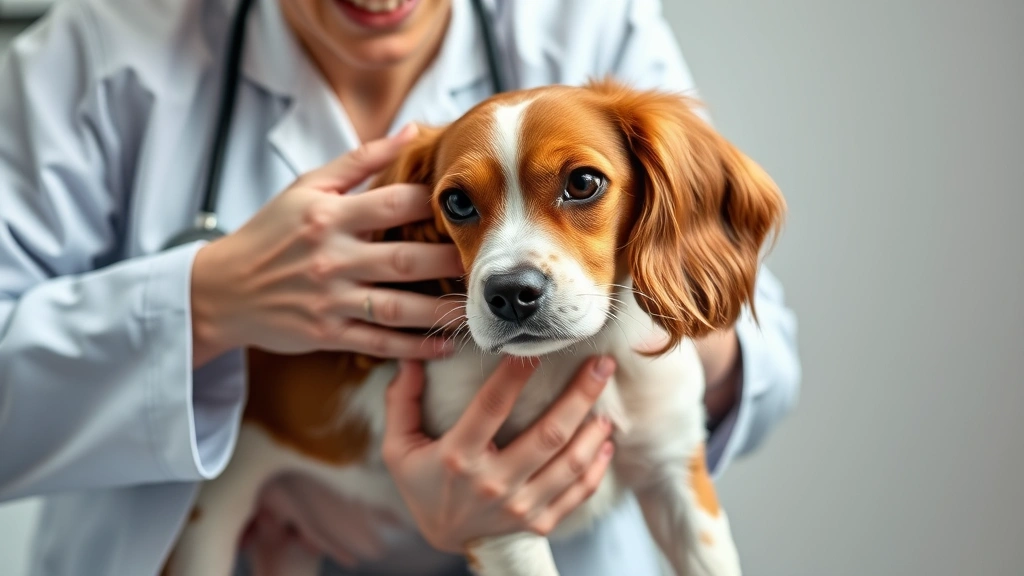
For persistent or severe symptoms, professional evaluation is essential. Your vet may recommend bloodwork, imaging, or other diagnostics to rule out serious conditions like pancreatitis, inflammatory bowel disease, or organ dysfunction.
If you’re unsure whether your pet needs urgent care, a quick telehealth check-in can give you peace of mind—no appointment needed. The Pet Vet offers convenient access to licensed veterinarians who can assess your dog’s symptoms and recommend next steps from the comfort of your home.
When to Seek Immediate Veterinary Care
Some situations require urgent attention. Contact your vet immediately if your dog shows:
- Severe or bloody vomiting
- Bloody diarrhea
- Severe abdominal pain or distension
- Inability to keep food or water down
- Signs of shock (pale gums, rapid heartbeat, weakness)
- Suspected toxin ingestion
- Lethargy combined with vomiting and diarrhea
These symptoms could indicate serious conditions requiring immediate intervention.
Prevention Tips for Long-Term Digestive Health
Once you’ve resolved your dog’s GI issues, prevention is key:
- Feed high-quality food appropriate for your dog’s age and health status. Consult your vet about optimal nutrition.
- Keep a consistent feeding schedule and avoid table scraps. Consistency helps maintain digestive stability.
- Use monthly parasite prevention year-round. This is one of the simplest ways to prevent GI problems.
- Keep toxic foods and non-food items out of reach. Prevention is easier than treatment.
- Maintain regular vet checkups. Early detection of underlying conditions prevents complications.
Understanding Your Dog’s Individual Needs
Every dog is unique, and what works for one may not work for another. Factors like age, breed, activity level, and existing health conditions all influence digestive health. Senior dogs, puppies, and certain breeds may be more prone to GI issues.
Working with your vet to create a personalized plan ensures you’re addressing your specific dog’s needs rather than applying generic solutions.
Frequently Asked Questions
How long does it typically take for a dog’s stomach to settle after dietary changes?
Most dogs’ digestive systems stabilize within 3-7 days of dietary adjustment, though some may need 1-2 weeks for complete resolution. Gradual transitions help minimize upset.
Can stress really cause gastrointestinal issues in dogs?
Yes, stress and anxiety can trigger or worsen GI symptoms in dogs through the gut-brain connection. Environmental management and stress reduction can significantly help.
What’s the difference between food allergies and food sensitivities in dogs?
True allergies involve immune response and may cause itching or skin issues, while sensitivities cause digestive upset without immune involvement. Both require dietary management.
Should I fast my dog if they have diarrhea?
Brief fasting (12-24 hours) followed by bland food can help, but consult your vet first, especially for puppies or dogs with existing health conditions.
Are over-the-counter digestive medications safe for dogs?
Some are safe, but proper diagnosis is crucial before treating symptoms. Your vet can recommend appropriate options for your dog’s specific situation.
What To Do Now
- Document your dog’s symptoms — Note when vomiting or diarrhea occurs, food intake, and any recent changes to diet or environment to share with your vet.
- Schedule a veterinary appointment or telehealth consultation — If symptoms persist beyond 24 hours or seem severe, don’t wait. The Pet Vet offers convenient telehealth options for quick assessment.
- Review recent dietary changes — If you’ve switched foods or your dog ate something unusual, identify and eliminate the trigger while feeding bland food.
- Ensure parasite prevention is current — Confirm your dog is on monthly preventative medication and schedule a fecal exam if needed.
- Create a calm environment — Reduce stressors and maintain consistent routines while your dog recovers from GI upset.
Summary: Getting Your Dog Back on Track
Dog gastrointestinal issues causes are varied, but most cases respond well when properly identified and managed. Whether the problem stems from dietary indiscretion, parasites, food sensitivities, or stress, a systematic approach—starting with dietary adjustment and professional evaluation—typically leads to resolution.
The seven solutions outlined here provide a comprehensive framework for addressing both acute and chronic GI issues. Remember that every dog is different, and what works for one may need adjustment for another. Working closely with your veterinarian ensures your pup receives personalized care.
Your dog’s comfort and health matter deeply, and taking action now—whether through dietary changes, parasite prevention, or professional consultation—demonstrates your commitment to their wellbeing. Most dogs bounce back quickly once the underlying cause is addressed, so stay positive and proactive. Your pup will thank you with their return to normal energy and appetite!