
If your senior dog is experiencing digestive troubles, you’re not alone—and the good news is that dog gastrointestinal issues in senior pets are often manageable with the right approach. Watching your aging companion struggle with stomach upset, diarrhea, or loss of appetite can be worrying, but understanding what’s happening and how to help makes all the difference.
Table of Contents
- Why Senior Dogs Are More Prone to Digestive Problems
- Common Signs of Gastrointestinal Distress in Aging Dogs
- Understanding the Root Causes
- How Vets Diagnose Digestive Issues in Senior Dogs
- Treatment Approaches for Senior Dog Digestive Health
- Medications That Support Digestive Comfort
- Recovery and Long-Term Management
- Preventive Care for Senior Digestive Health
- When to Seek Urgent Veterinary Care
- Supporting Your Senior’s Overall Health
- Key Takeaways
- Frequently Asked Questions
- What To Do Now
This article is for informational purposes only and is not a substitute for professional veterinary advice. Always consult a licensed veterinarian for diagnosis and treatment.
Why Senior Dogs Are More Prone to Digestive Problems
As dogs age, their digestive systems naturally change. Their stomachs produce less acid, their intestines absorb nutrients less efficiently, and their overall metabolism slows down. These shifts aren’t unusual—they’re part of aging.
Senior dogs also tend to have weaker immune systems, making them more susceptible to bacterial imbalances in the gut. Combined with potential dental issues that affect how well they chew food, it’s easy to see why older pups are at higher risk. The good news? Catching digestive issues early puts you in a great position to help.
Common Signs of Gastrointestinal Distress in Aging Dogs
Recognizing the early warning signs can help you act quickly. Here’s what to watch for:
- Chronic diarrhea or constipation – Changes in bowel habits lasting more than a few days
- Vomiting – Especially if it happens repeatedly or contains blood
- Loss of appetite – Your senior suddenly turning away from meals they once loved
- Weight loss – Noticeable thinning despite eating normally
- Excessive gas or bloating – Visible discomfort after meals
- Blood in stool – A sign that warrants prompt veterinary attention
- Lethargy – Unusual tiredness beyond normal senior slowdown
If you notice any of these signs lasting more than 24–48 hours, reaching out to your vet is the right call. Many conditions improve dramatically when addressed early.
Understanding the Root Causes
Before jumping to treatment, it helps to know what might be triggering your senior’s digestive upset. There are several common culprits worth discussing with your veterinarian.
Dietary sensitivities become more common as dogs age. A food that worked perfectly for years might suddenly cause problems. Food allergies, inflammatory bowel disease, and pancreatitis are also possibilities in older dogs. To dive deeper into the underlying causes, our guide on dog gastrointestinal issues causes breaks down each scenario in detail.
Infections—bacterial, parasitic, or viral—can strike at any age but are sometimes harder for senior immune systems to fight off. Medications your dog is already taking for other conditions might also be irritating their stomach. This is why a full health picture matters so much.
How Vets Diagnose Digestive Issues in Senior Dogs
Your veterinarian will likely start with a thorough physical exam and a detailed conversation about your dog’s symptoms, diet, and medical history. Don’t hold back on details—even small things like treats or table scraps can matter.
Depending on what they find, they may recommend blood work, fecal testing, or imaging to rule out serious conditions. While waiting for answers can feel stressful, these diagnostic steps are what allow your vet to create a targeted treatment plan rather than guessing.
Treatment Approaches for Senior Dog Digestive Health
Treatment varies widely depending on the underlying cause, but most approaches fall into a few categories. Your vet might recommend dietary changes, supportive care, or medications to manage symptoms and address the root issue.
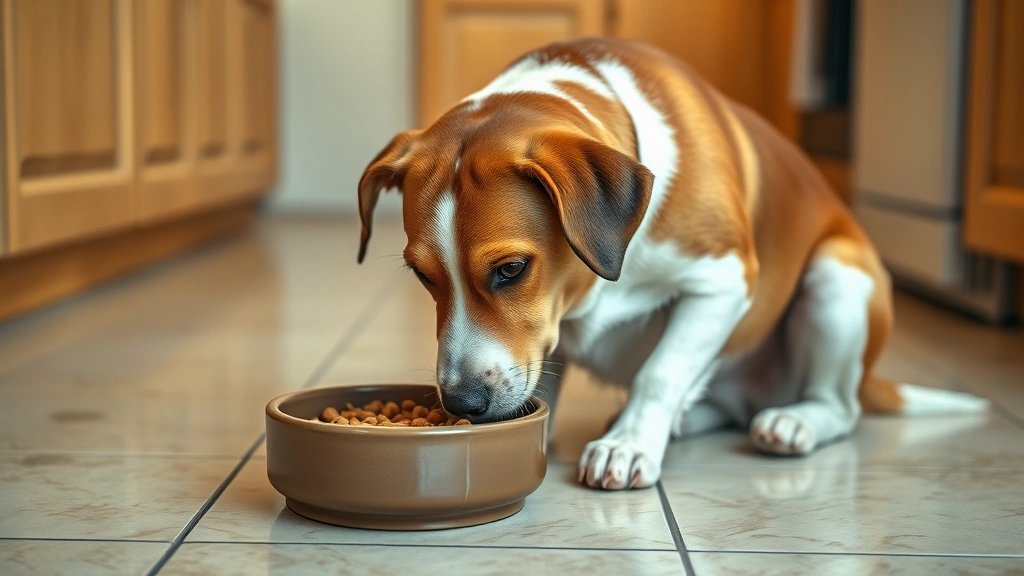
Dietary Management is often the first line of defense. Senior dogs frequently benefit from easily digestible, nutrient-dense food formulated for their age and specific needs. Our article on dog gastrointestinal issues best diet explores feeding strategies that work well for aging digestive systems.
Your vet may also suggest probiotics and digestive enzymes to support gut health and improve nutrient absorption. These supplements can be game-changers for senior dogs struggling with chronic digestive upset.
Medications That Support Digestive Comfort
Several medication classes can help manage gastrointestinal symptoms in senior dogs. Your veterinarian will choose based on your dog’s specific situation.
Antacids and stomach protectants reduce acid production and soothe irritated stomach lining, providing relief from discomfort. Anti-nausea medications help dogs who are vomiting or feeling queasy, making it easier for them to eat and recover.
Antibiotics may be prescribed if a bacterial infection is suspected, while anti-inflammatory medications can help with conditions like inflammatory bowel disease. Your vet will discuss the appropriate options and any potential side effects relevant to your senior’s overall health.
For specific guidance on medication selection and management, consult your veterinarian or review our detailed dog gastrointestinal issues medication dosage guide.
Recovery and Long-Term Management
Recovery timelines vary depending on what caused the digestive upset. Some dogs improve within days; others need weeks of consistent care. Our guide on dog gastrointestinal issues recovery time offers realistic expectations for different scenarios.
Long-term success often comes down to consistency. Stick with the diet your vet recommends, give medications exactly as prescribed, and monitor your senior closely for any changes. Many senior dogs thrive once their digestive system is stabilized—you might even see a return to their playful, energetic selves.
Preventive Care for Senior Digestive Health
While you can’t prevent aging, you can take steps to support your senior’s digestive health going forward:
- Feed smaller, more frequent meals – This reduces strain on the digestive system
- Avoid sudden diet changes – Transition slowly over 7–10 days if switching foods
- Keep treats minimal – Stick to vet-approved options that won’t upset their stomach
- Ensure fresh water is always available – Hydration is crucial for digestive function
- Regular vet checkups – Catch issues early before they become serious
These simple habits can make a real difference in your senior’s comfort and quality of life.
When to Seek Urgent Veterinary Care
Most digestive issues in senior dogs can be managed at home with proper treatment, but some situations need immediate attention. Seek emergency care if your dog shows signs of severe dehydration, persistent vomiting, inability to eat or drink, or blood in vomit or stool.

If you’re unsure whether your pet needs urgent care, a quick telehealth check-in can give you peace of mind—no appointment needed. The Pet Vet’s telehealth service lets you connect with a licensed veterinarian from home, perfect for those moments when you need guidance but aren’t sure if an emergency visit is necessary.
Supporting Your Senior’s Overall Health
Digestive issues often don’t happen in isolation. Senior dogs may also be managing arthritis, cognitive changes, or other age-related conditions. Addressing their whole health picture helps them feel better overall.
If your senior is showing signs of confusion or cognitive decline alongside digestive issues, our article on elderly dog cognitive supplements might offer helpful insights. Similarly, if kidney disease is a concern, we have detailed information on dog kidney disease in senior pets.
Key Takeaways
Dog gastrointestinal issues in senior pets are common, but they’re far from hopeless. With proper diagnosis, targeted treatment, and consistent care, most older dogs see significant improvement. The key is acting early, staying patient with the process, and working closely with your veterinarian.
Your senior companion has given you years of love and loyalty. Supporting them through digestive challenges is one of the best ways you can return that care. You’re doing great by seeking information and taking their health seriously.
Frequently Asked Questions
Can senior dogs recover from chronic gastrointestinal issues?
Yes, many do—especially when the underlying cause is identified and treated early. Consistent dietary management and medication support often lead to significant improvement in symptoms and quality of life.
Is it normal for older dogs to have digestive problems?
While digestive changes are common as dogs age, persistent symptoms shouldn’t be ignored. They may indicate a treatable condition that benefits from veterinary care.
What’s the best diet for a senior dog with digestive issues?
This depends on your dog’s specific condition, but senior dogs generally benefit from easily digestible, high-quality proteins and appropriate fiber levels. Your vet can recommend a diet tailored to your dog’s needs.
How long does it take for a senior dog’s digestive system to heal?
Recovery varies widely—anywhere from a few days to several weeks depending on the cause and severity. Your veterinarian can give you a more specific timeline based on your dog’s diagnosis.
Should I be worried if my senior dog occasionally has diarrhea?
Occasional diarrhea can happen to any dog, but if it lasts more than 24–48 hours or is accompanied by other symptoms like vomiting or lethargy, contact your vet for guidance.
What To Do Now
- Schedule a veterinary appointment – If your senior dog is showing signs of digestive distress, get them checked out as soon as possible. Early intervention makes treatment more effective.
- Document your dog’s symptoms – Write down what you’ve noticed (frequency of vomiting, consistency of stool, appetite changes, timing) so you can share detailed information with your vet.
- Review your dog’s current diet and treats – Look for any recent changes or potential irritants you can discuss with your veterinarian during the appointment.
- Keep medications and supplements organized – If your vet prescribes treatment, set up a system to ensure doses are given consistently and on schedule.
- Consider a telehealth consultation – If you need quick guidance or want a second opinion, The Pet Vet’s telehealth service offers convenient access to licensed veterinarians without the wait.