
When your dog is struggling with dog gastrointestinal issues natural remedies can offer gentle, supportive care alongside professional guidance. If you’ve noticed your pup experiencing digestive upset—whether it’s occasional loose stools, vomiting, or loss of appetite—you’re probably feeling worried and searching for ways to help them feel better fast.
Table of Contents
- Understanding Your Dog’s Digestive Upset
- Remedy #1: Pumpkin Puree—Nature’s Digestive Balancer
- Remedy #2: Bone Broth for Gut Healing and Hydration
- Remedy #3: Probiotics—Restoring Beneficial Gut Bacteria
- Remedy #4: Slippery Elm Bark—Soothing the Intestinal Lining
- Remedy #5: Dietary Management and Bland Foods
- Remedy #6: Ginger—Gentle Anti-Inflammatory Support
- Remedy #7: Fasting and Gradual Reintroduction
- When to Seek Professional Help
- Creating a Digestive Support Plan
- Preventing Future Digestive Issues
- Summary: Your Dog’s Path to Better Digestion
- Frequently Asked Questions
- What To Do Now
This article is for informational purposes only and is not a substitute for professional veterinary advice. Always consult a licensed veterinarian for diagnosis and treatment.
The good news? Many natural approaches can support your dog’s digestive health and help restore balance to their gut. Before we dive into the solutions, understand that while these remedies can be incredibly helpful, they work best when paired with proper diagnosis and your vet’s guidance.
Understanding Your Dog’s Digestive Upset
Your dog’s digestive system is delicate and can be thrown off by stress, diet changes, food sensitivities, or underlying health conditions. Recognizing when your pup may be experiencing gastrointestinal distress is the first step toward helping them recover.
Common signs include soft stools, vomiting, reduced appetite, excessive gas, and abdominal discomfort. If your dog is showing these symptoms, catching this early puts you in a great position to help. For a deeper look at warning signs, check out our guide on dog gastrointestinal issues early signs.
Remedy #1: Pumpkin Puree—Nature’s Digestive Balancer
Plain pumpkin puree is one of the most trusted and effective natural remedies for canine digestive issues. It’s rich in fiber and moisture, making it helpful for both constipation and diarrhea.
The soluble fiber in pumpkin absorbs excess water in the intestines, firming up loose stools, while its natural moisture can help soften hard stools. Add a tablespoon or two to your dog’s regular food once or twice daily, depending on their size.
Pro tip: Always use plain, unsweetened pumpkin—not pumpkin pie filling, which contains added sugars and spices that can upset sensitive stomachs.
Remedy #2: Bone Broth for Gut Healing and Hydration
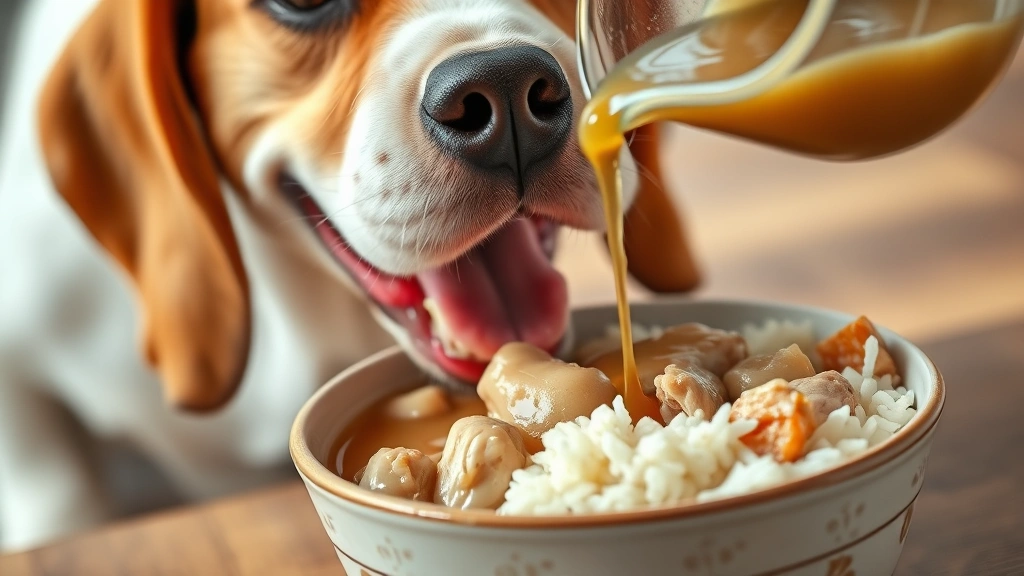
Bone broth has become a favorite among holistic pet caregivers for good reason. This nutrient-dense liquid contains collagen, amino acids, and minerals that support gut lining health and promote healing.
The gelatin and amino acids in bone broth may help reduce inflammation in the digestive tract and strengthen the intestinal barrier. Offer your dog a small amount—about a quarter cup for small dogs, half cup for larger breeds—mixed into their food or as a light meal on its own.
Make sure any bone broth you use is dog-safe: free from onions, garlic, excessive salt, and bones that could splinter. Many pet supply stores now carry ready-made bone broth formulated specifically for dogs.
Remedy #3: Probiotics—Restoring Beneficial Gut Bacteria
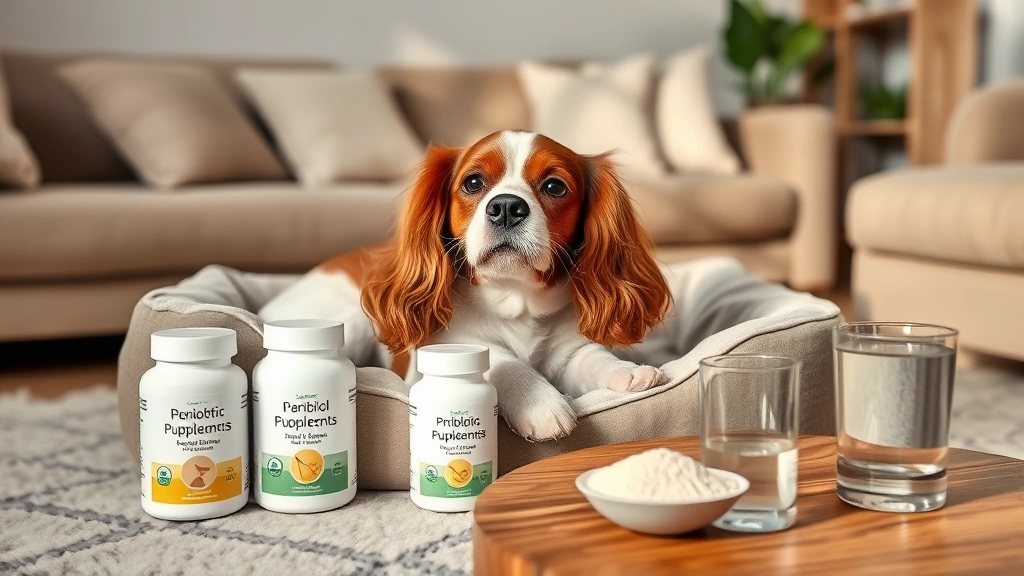
A healthy gut microbiome is essential for proper digestion and immune function. Probiotics introduce beneficial bacteria that help restore balance, especially after digestive upset or dietary changes.
Look for high-quality, dog-specific probiotic supplements containing strains like Lactobacillus and Bifidobacterium. These live cultures help crowd out harmful bacteria and reduce inflammation in the intestines.
Probiotics work best when given consistently over several weeks, so patience is key. Many come in powder or capsule form that can be sprinkled on food or mixed into treats.
Remedy #4: Slippery Elm Bark—Soothing the Intestinal Lining
Slippery elm is a traditional herbal remedy that creates a protective, mucilaginous coating along the digestive tract. This natural barrier can soothe inflammation and irritation.
The herb contains compounds that stimulate mucus production, which helps protect the stomach and intestinal lining from further damage. Slippery elm powder can be mixed with water to create a slurry and added to your dog’s food.
This remedy is particularly useful for dogs experiencing inflammatory bowel conditions or general digestive sensitivity. Always source slippery elm from reputable suppliers to ensure purity and safety.
Remedy #5: Dietary Management and Bland Foods
Sometimes the simplest solution is the most effective. Temporarily switching to a bland diet gives your dog’s digestive system a much-needed break.
A bland diet typically consists of easily digestible proteins and carbohydrates:
- Boiled chicken (plain, no seasoning)
- White rice or sweet potato
- Lean ground turkey
- Plain cooked eggs
Feed smaller, more frequent meals rather than one or two large meals. This approach reduces the workload on the digestive system and makes it easier for your pup to absorb nutrients. Most dogs show improvement within 3-5 days on a bland diet.
For guidance on long-term dietary choices, explore our article about sensitive stomach dog food options to find a permanent solution that works for your pup.
Remedy #6: Ginger—Gentle Anti-Inflammatory Support
Ginger has been used for centuries to support digestive health, and it’s just as beneficial for dogs as it is for humans. This root contains compounds that may reduce inflammation and ease nausea.
A small amount of fresh ginger can be grated and added to your dog’s food, or you can offer ginger-infused treats. Start with tiny amounts—no more than a quarter teaspoon for small dogs—to see how your pup tolerates it.
Ginger is particularly helpful if your dog is experiencing nausea alongside other digestive symptoms. However, avoid giving ginger to dogs on blood-thinning medications without veterinary approval.
Remedy #7: Fasting and Gradual Reintroduction
In some cases, giving your dog’s digestive system a complete rest can work wonders. A short fast—typically 12 to 24 hours, depending on your dog’s age and health status—allows the gut to reset and recover.
After the fasting period, reintroduce food gradually using bland options. Start with small portions and slowly transition back to regular food over several days. This gentle approach prevents overwhelming the system and allows you to identify any dietary triggers.
Always check with your vet before fasting a puppy, senior dog, or one with a known health condition, as they may have different nutritional needs.
When to Seek Professional Help
While natural remedies can be incredibly supportive, some situations require professional veterinary care. If your dog’s symptoms persist beyond a few days, worsen, or are accompanied by lethargy, blood in stool, or severe vomiting, contact your vet immediately.
Conditions like canine stress colitis or food allergies may need specific treatment beyond home remedies. If you are unsure whether your pet needs urgent care, a quick telehealth check-in can give you peace of mind—no appointment needed.
Creating a Digestive Support Plan
The most effective approach combines multiple strategies tailored to your individual dog. Here’s how to build a comprehensive plan:
- Start with one remedy: Introduce one natural remedy at a time so you can identify what works best for your pup.
- Monitor progress: Keep notes on your dog’s stool quality, appetite, and energy levels over 7-10 days.
- Layer in support: Once one remedy shows promise, carefully add another complementary option.
- Stay consistent: Natural remedies often take time to show results—typically 2-4 weeks for optimal benefits.
- Adjust as needed: Every dog is unique, so what works for one may need tweaking for another.
Preventing Future Digestive Issues
Prevention is always easier than treatment. Maintain your dog’s digestive health by avoiding sudden diet changes, limiting table scraps, and keeping stress levels low. For more on safe feeding practices, check out can dogs eat human food scraps.
Regular exercise, consistent feeding schedules, and access to fresh water all support a healthy gut. If your dog tends toward digestive sensitivity, consider keeping them on a high-quality, limited-ingredient diet year-round.
Summary: Your Dog’s Path to Better Digestion
Dog gastrointestinal issues natural remedies offer safe, gentle support when your pup is struggling. From pumpkin puree and bone broth to probiotics and dietary adjustments, these seven solutions address digestive upset from multiple angles.
Remember that natural doesn’t always mean slow—many pet owners see improvement within days of starting these remedies. The key is consistency, patience, and working alongside your veterinarian to rule out serious underlying conditions.
Your dog’s comfort and health are worth the effort, and these evidence-based natural approaches give you powerful tools to help them feel better.
Frequently Asked Questions
How long does it take for natural remedies to work on my dog’s digestion?
Most dogs show improvement within 3-7 days of starting natural remedies like pumpkin or probiotics, though some conditions may take 2-4 weeks for full benefits. Consistency is more important than speed.
Can I give my dog multiple natural remedies at the same time?
It’s best to introduce one remedy at a time over 5-7 days, then add another if needed. This helps you identify which remedy works best and avoids overwhelming your dog’s system.
Are natural remedies safe for all dogs?
Most natural remedies are safe for healthy adult dogs, but puppies, seniors, and dogs with existing health conditions should have vet approval first. Always check with your veterinarian before starting any new supplement.
What’s the difference between natural remedies and prescription treatment?
Natural remedies support digestive health and reduce inflammation, while prescriptions target specific conditions like infections or severe inflammation. They often work best together under veterinary guidance.
When should I stop using natural remedies and call the vet?
Contact your vet if symptoms worsen, don’t improve after 5-7 days, or if your dog shows signs of severe dehydration, blood in stool, or extreme lethargy. These could indicate a condition needing professional treatment.
What To Do Now
- Schedule a vet check: Rule out serious conditions before starting any remedy. If you prefer convenience, a telehealth consultation can help you understand your dog’s symptoms and next steps.
- Pick your first remedy: Start with pumpkin puree or probiotics—they’re gentle, widely available, and have strong track records of success.
- Gather supplies: Stock up on plain pumpkin, bone broth, or whichever remedy you choose, plus any bland food ingredients for dietary support.
- Track progress: Keep a simple log of your dog’s stool quality, appetite, and energy for 7-10 days to measure improvement.
- Adjust and refine: Based on results, add a second remedy or make dietary changes to build a complete digestive support plan.