
If your dog has ever struggled with digestive problems, you know how stressful it can be watching them suffer. The good news is that dog gastrointestinal issues prevention tips can help you avoid many of these uncomfortable situations altogether. Most GI troubles in dogs are preventable with the right approach to diet, lifestyle, and routine care.
Table of Contents
- Why Prevention Matters More Than Treatment
- Tip 1: Choose High-Quality, Consistent Dog Food
- Tip 2: Establish a Consistent Feeding Schedule
- Tip 3: Keep Human Food and Table Scraps Off the Menu
- Tip 4: Provide Adequate Fresh Water and Hydration
- Tip 5: Support Gut Health with Probiotics and Fiber
- Tip 6: Maintain a Healthy Weight and Exercise Routine
- Tip 7: Schedule Regular Veterinary Checkups and Monitor for Early Signs
- Understanding Your Dog’s Individual Needs
- The Role of Stress in Digestive Health
- Frequently Asked Questions
- What To Do Now
- Summary: Building a Digestive Health Foundation
This article is for informational purposes only and is not a substitute for professional veterinary advice. Always consult a licensed veterinarian for diagnosis and treatment.
Digestive health is foundational to your dog’s overall well-being. A happy gut means better energy levels, a shinier coat, and fewer trips to the vet. Let’s explore practical, science-backed strategies to keep your pup’s digestive system running smoothly.
Why Prevention Matters More Than Treatment
Preventing gastrointestinal issues is always easier—and kinder to your wallet—than treating them after they develop. Chronic diarrhea, vomiting, and inflammatory bowel conditions can be painful, expensive, and sometimes long-lasting.
The reality is that most dogs experience at least one digestive upset in their lifetime. However, with intentional prevention, you can dramatically reduce the frequency and severity of these episodes. Think of prevention as an investment in your dog’s comfort and your peace of mind.
Tip 1: Choose High-Quality, Consistent Dog Food
What you feed your dog is the single biggest factor in preventing gastrointestinal issues. High-quality dog food with easily digestible proteins and minimal fillers supports a healthy gut microbiome.
Look for foods that:
- List a named meat source as the first ingredient (chicken, beef, fish)
- Contain minimal artificial preservatives and colors
- Include appropriate fiber levels for your dog’s age and activity level
- Are formulated by nutritionists or meet AAFCO standards
Consistency is equally important. Switching foods abruptly can trigger digestive upset because your dog’s gut bacteria need time to adjust. If you need to change brands, do it gradually over 7–10 days by mixing increasing amounts of the new food with the old.
For more insight into what causes GI problems, check out our guide on dog gastrointestinal issues causes.
Tip 2: Establish a Consistent Feeding Schedule
Dogs thrive on routine, and their digestive systems are no exception. Feeding at the same times each day helps regulate bowel movements and reduces stress-related stomach upset.
Most adult dogs do well with two meals per day, spaced 8–12 hours apart. Puppies and senior dogs may need different schedules, so check with your vet for age-specific recommendations. Consistent mealtimes also make it easier to monitor for changes in appetite, which can be an early warning sign of trouble.
Avoid leaving food out all day (free-feeding), as this can lead to overeating and digestive strain. Weight-appropriate portion timing ensures your dog maintains a healthy weight, which reduces stress on the digestive system.
Tip 3: Keep Human Food and Table Scraps Off the Menu
One of the quickest ways to trigger GI upset is by sharing your dinner with your dog. Human food is often too rich, fatty, or seasoned for their digestive systems to handle safely.
Common culprits include:
- Fatty meats and gravy
- Chocolate, grapes, and raisins
- Onions and garlic
- Spicy or heavily salted foods
- Dairy products (especially for lactose-intolerant dogs)
Even well-intentioned treats can cause problems. If you want to share food with your pup, stick to plain, cooked options like carrots, green beans, or plain chicken without seasoning. Learn more about what’s safe in our article on can dogs eat human food scraps.
Catching dietary indiscretions early puts you in a great position to help—if you notice vomiting or diarrhea after a food mishap, reach out to your vet right away.
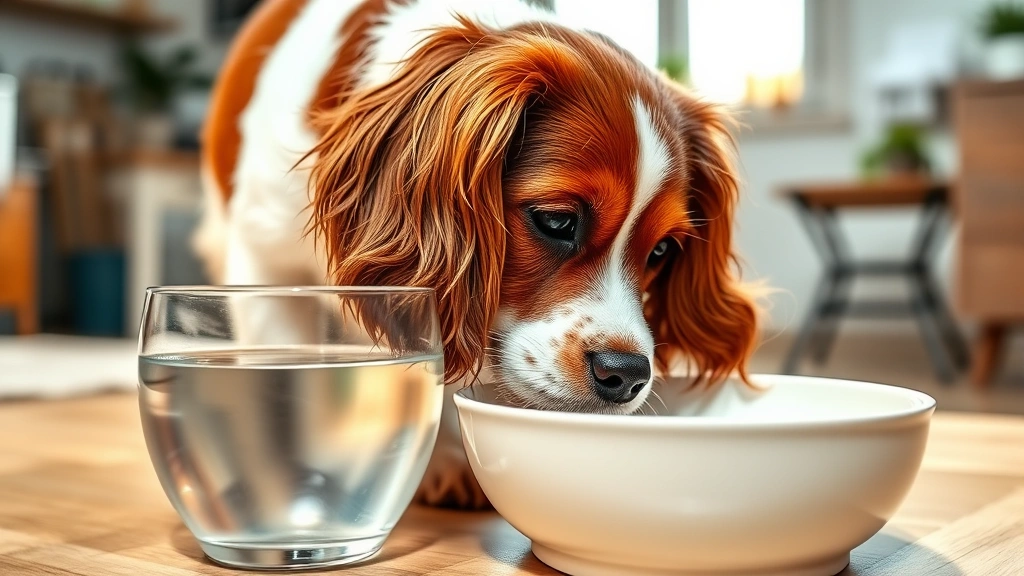
Tip 4: Provide Adequate Fresh Water and Hydration
Dehydration can worsen digestive issues and make existing problems much more serious. Ensure your dog always has access to clean, fresh water throughout the day.
Most dogs need about 1 ounce of water per pound of body weight daily, though this increases with activity level, diet type, and climate. If your dog eats primarily dry kibble, they’ll need more water than a dog on a wet food diet.
Monitor your dog’s water intake as a preventive measure. A sudden decrease in drinking or excessive thirst can signal an underlying issue. Keep water bowls in multiple locations and refresh them frequently to encourage drinking.
Tip 5: Support Gut Health with Probiotics and Fiber
A healthy gut microbiome is your dog’s first line of defense against digestive upset. Probiotics—beneficial bacteria—help maintain this balance and can reduce inflammation in the digestive tract.
Consider adding:
- Dog-specific probiotics (available as powders, capsules, or treats)
- Fiber sources like pumpkin puree or sweet potato
- Fermented foods designed for dogs (in moderation)
These additions can be especially helpful if your dog has a sensitive stomach or a history of digestive issues. However, introduce any new supplement slowly and in small amounts to avoid triggering the very problems you’re trying to prevent.
Talk to your vet before starting supplements, as some dogs may have specific needs based on their health history.
Tip 6: Maintain a Healthy Weight and Exercise Routine
Overweight dogs experience more digestive problems than dogs at a healthy weight. Extra weight puts pressure on the digestive organs and can slow gut motility, leading to constipation or other issues.
Regular, moderate exercise helps:
- Promote healthy digestion and bowel regularity
- Reduce stress and anxiety that can trigger upset stomach
- Maintain a healthy weight
- Strengthen overall immune function
Aim for at least 30 minutes of activity per day, adjusted for your dog’s age and fitness level. Even short walks after meals can aid digestion. Avoid vigorous exercise immediately after eating, as this can increase the risk of bloat or other complications.
Tip 7: Schedule Regular Veterinary Checkups and Monitor for Early Signs
Prevention isn’t just about what you do at home—it’s also about catching problems early. Annual wellness exams allow your vet to assess your dog’s digestive health and catch issues before they become serious.
During checkups, your vet can:
- Evaluate your dog’s diet and nutrition
- Check for parasites that cause GI upset
- Assess weight and body condition
- Discuss any concerns about appetite or bowel changes
Between visits, keep a mental note of your dog’s normal bathroom habits, appetite, and energy level. Changes in any of these can be early warning signs. If you notice persistent vomiting, diarrhea, constipation, or loss of appetite lasting more than a day or two, don’t wait—reach out to your vet.
If you’re unsure whether your pet needs urgent care, a quick telehealth check-in with The Pet Vet can give you peace of mind—no appointment needed. Sometimes a vet’s reassurance is exactly what worried pet parents need.
Understanding Your Dog’s Individual Needs
Every dog is unique, and what works for one pup might not work for another. Puppies, senior dogs, and dogs with pre-existing health conditions may need tailored prevention strategies.
Puppies have developing digestive systems and need frequent, appropriately-sized meals. Senior dogs often benefit from easier-to-digest foods and smaller portions. Dogs with a history of GI issues may need specialized diets or ongoing probiotic support.
Work with your vet to develop a prevention plan that fits your dog’s specific age, size, activity level, and health history. This personalized approach is far more effective than generic advice.
The Role of Stress in Digestive Health
Stress and anxiety can trigger or worsen digestive upset in dogs, just as they do in humans. Dogs experiencing separation anxiety, changes in routine, or environmental stressors may develop stress colitis or other GI issues.
Reduce digestive stress by:
- Maintaining consistent daily routines
- Providing a calm, safe space for your dog
- Using calming aids if recommended by your vet
- Gradually introducing changes rather than sudden transitions
If your dog seems anxious or stressed, talk to your vet about behavior modification strategies or other support options.
Frequently Asked Questions
What are the most common signs that my dog has a gastrointestinal issue?
Common signs include vomiting, diarrhea, constipation, loss of appetite, and abdominal discomfort. For a complete list of symptoms, check out our article on dog gastrointestinal issues symptoms.
How long should I transition my dog to a new food?
Gradually transition over 7–10 days by mixing increasing amounts of the new food with the old. This slow approach gives your dog’s gut bacteria time to adjust and prevents digestive upset.
Are grain-free diets better for preventing GI issues?
Not necessarily. Grain-free diets aren’t inherently better for digestive health. What matters most is choosing a high-quality food with easily digestible ingredients that suit your individual dog’s needs.
Can probiotics really help prevent digestive problems?
Probiotics can support gut health and may help reduce inflammation, but they’re most effective as part of a comprehensive prevention strategy that includes good diet, hydration, and exercise.
When should I call the vet about my dog’s digestion?
Contact your vet if vomiting or diarrhea lasts more than a day or two, if your dog shows signs of pain, or if you notice changes in appetite or energy level. Trust your instincts—you know your dog best.
What To Do Now
- Review your dog’s current diet: Check the ingredient list and feeding amount to ensure you’re providing high-quality nutrition at appropriate portions for your dog’s weight and age.
- Establish (or adjust) a consistent feeding schedule: Set specific mealtimes and stick to them daily. This helps regulate your dog’s digestive system and makes it easier to spot changes.
- Audit your home for GI triggers: Identify any human foods, treats, or table scraps your dog has access to and remove them. Educate family members about what’s safe to share.
- Schedule a wellness exam: If your dog hasn’t had a checkup in the past year, book an appointment with your vet to discuss digestive health and prevention strategies specific to your pup.
- Consider adding a probiotic or fiber supplement: Talk to your vet about whether probiotics or digestive supplements would benefit your dog, especially if they have a sensitive stomach.
Summary: Building a Digestive Health Foundation
Preventing dog gastrointestinal issues doesn’t require complicated interventions—it’s about mastering the basics. High-quality food, consistent feeding schedules, fresh water, regular exercise, and preventive vet care form the foundation of a healthy digestive system.
Remember, you’re not alone in this. If you ever have questions or concerns about your dog’s digestive health, The Pet Vet is here to help. A quick telehealth consultation can provide personalized guidance and peace of mind whenever you need it.
Your dog depends on you to make choices that support their long-term health. By implementing these prevention tips today, you’re investing in years of comfort, energy, and joy with your beloved companion.