
When your dog starts experiencing dog gastrointestinal issues when to see a vet, it’s natural to feel worried—especially when you’re unsure if it’s something serious or just a passing upset stomach. The truth is, knowing the difference between minor digestive troubles and signs that demand immediate veterinary attention can save your dog’s health and give you peace of mind.
Table of Contents
- Understanding Common Dog Gastrointestinal Issues
- When Your Dog Has Vomiting: Is It Urgent?
- Diarrhea: When Should You Worry?
- Red Flags That Demand Immediate Veterinary Care
- Common Causes of Dog Gastrointestinal Distress
- The Role of Diet in Preventing Gastrointestinal Issues
- Recognizing Early Signs Before They Escalate
- How to Help Your Dog at Home
- Hydration and Electrolyte Balance Matter
- When to Schedule a Vet Appointment vs. Emergency Care
- Frequently Asked Questions
- What to Do Now
- Summary: Staying Alert and Proactive
This article is for informational purposes only and is not a substitute for professional veterinary advice. Always consult a licensed veterinarian for diagnosis and treatment.
Understanding Common Dog Gastrointestinal Issues
Your dog’s digestive system is sensitive, and a range of factors—from dietary changes to stress—can trigger gastrointestinal discomfort. Some issues resolve on their own within a day or two, while others require prompt veterinary care.
The key is learning to recognize patterns in your dog’s behavior and symptoms. A single episode of vomiting might not warrant a vet visit, but repeated vomiting combined with lethargy absolutely does. Understanding what’s normal and what’s not helps you respond confidently when your pup isn’t feeling well.
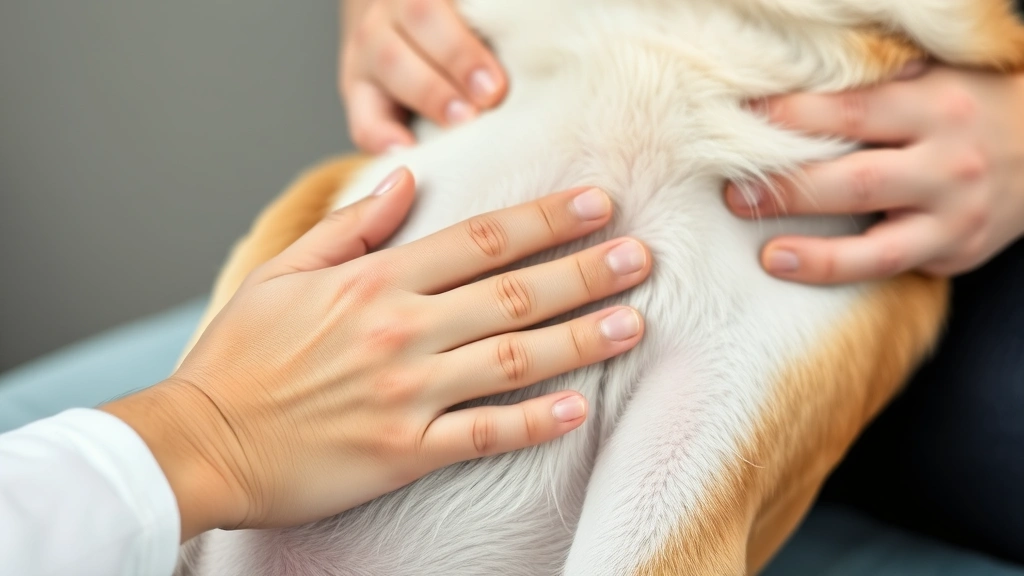
When Your Dog Has Vomiting: Is It Urgent?
Vomiting happens occasionally in most dogs, often from eating too fast or getting into something they shouldn’t. However, repeated vomiting—especially over several hours or days—is a red flag that shouldn’t be ignored.
If your dog vomits once and then acts completely normal, eats, and drinks without issues, you can usually monitor at home. But if vomiting persists, contains blood, or is accompanied by abdominal pain, contact your vet right away. Catching this early puts you in a great position to help your dog recover quickly.
Additionally, if your dog seems lethargic, won’t eat, or shows signs of dehydration after vomiting, these are strong indicators that professional evaluation is needed immediately.

Diarrhea: When Should You Worry?
Like vomiting, occasional diarrhea is fairly common in dogs. A single loose stool usually isn’t cause for alarm, especially if your dog’s energy level and appetite remain normal.
However, persistent diarrhea lasting more than 24-48 hours, diarrhea containing blood or mucus, or diarrhea accompanied by fever or severe lethargy needs veterinary attention. Canine stress colitis is one condition that can cause chronic diarrhea and may require professional diagnosis and management.
Diarrhea can quickly lead to dehydration, especially in puppies and senior dogs. If you notice your dog’s gums are dry or sticky, or if they seem unusually thirsty, don’t wait—contact your veterinarian.

Red Flags That Demand Immediate Veterinary Care
Certain symptoms indicate your dog needs urgent attention. These include:
- Severe abdominal pain or distension – Your dog may assume a “play bow” position, whine constantly, or refuse to move.
- Persistent vomiting or retching – Especially if nothing comes up; this could signal a blockage.
- Bloody vomit or stool – This always warrants immediate evaluation.
- Inability to eat or drink – Lasting more than a few hours.
- Signs of shock or extreme lethargy – Pale gums, rapid heartbeat, or unresponsiveness.
- Fever combined with digestive symptoms – Could indicate infection or inflammation.
- Suspected foreign object ingestion – Toys, bones, string, or other non-food items.
If you notice any of these, don’t hesitate to seek emergency care. Your dog’s digestive system can deteriorate quickly when serious conditions are involved.
Common Causes of Dog Gastrointestinal Distress
Understanding what might trigger your dog’s symptoms helps you prevent future episodes. Common culprits include dietary indiscretion (eating something they shouldn’t), sudden food changes, food allergies or sensitivities, parasites, bacterial or viral infections, and stress.
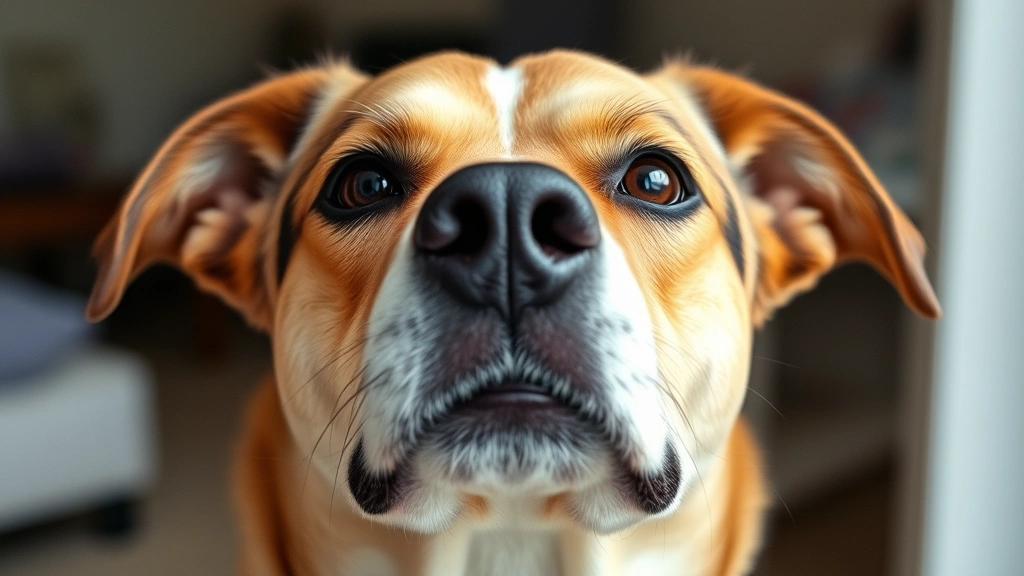
Stress-related digestive issues are more common than many owners realize. Changes in routine, new pets, moving houses, or even loud noises can upset your dog’s stomach. Identifying and minimizing stressors, along with maintaining a consistent feeding routine, can prevent many gastrointestinal flare-ups.
The Role of Diet in Preventing Gastrointestinal Issues
What you feed your dog directly impacts their digestive health. Feeding high-quality, age-appropriate food and avoiding table scraps and fatty treats significantly reduces the risk of upset stomachs.
If you need to change your dog’s food, do it gradually over 7-10 days, mixing increasing amounts of the new food with the old. Abrupt dietary changes are one of the most common triggers for vomiting and diarrhea. For guidance on proper feeding practices, check out our resource on food safety and feeding timelines.

Some dogs benefit from specialized diets designed for sensitive stomachs. Your vet can recommend options tailored to your dog’s specific needs.
Recognizing Early Signs Before They Escalate
The earlier you catch gastrointestinal problems, the easier they are to manage. Early signs include decreased appetite, mild vomiting, soft stools, or reluctance to play. Learn more about identifying these warning signals in our guide on dog gastrointestinal issues early signs.
Pay attention to your dog’s baseline behavior and bowel habits. When something feels off—even if you can’t pinpoint exactly what—trust your instinct. You know your dog best.

How to Help Your Dog at Home
While waiting for a vet appointment or if your dog has minor, non-urgent symptoms, you can take steps to provide comfort:
- Offer small amounts of water – Frequent, small sips prevent dehydration better than large amounts at once.
- Withhold food temporarily – A 12-24 hour fast can give the digestive system a break, but consult your vet first for duration.
- Provide a bland diet – Plain boiled chicken and white rice (once your vet gives the okay) can be gentle on the stomach.
- Ensure rest – Limit activity and play to allow your dog’s body to focus on healing.
- Keep the environment calm – Minimize stress and loud noises.
For additional guidance on managing discomfort, explore our article on pet stomach pain relief. Never give medications without veterinary approval, and avoid over-the-counter remedies unless specifically recommended by your vet.
Hydration and Electrolyte Balance Matter
Vomiting and diarrhea drain your dog’s body of essential fluids and electrolytes. This is why dehydration is one of the most serious complications of gastrointestinal issues, particularly in puppies and senior dogs.
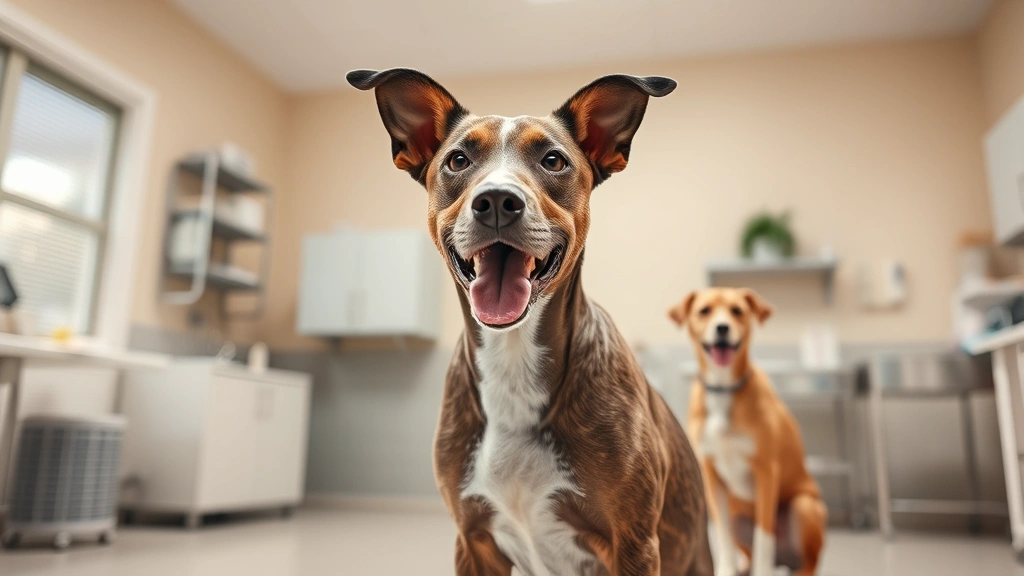
If your dog refuses water or can’t keep fluids down, veterinary intervention becomes urgent. In some cases, pet electrolytes or IV fluids may be necessary to restore balance and prevent organ damage.
When to Schedule a Vet Appointment vs. Emergency Care
Not every gastrointestinal issue requires an emergency visit, but knowing the difference is crucial. Schedule a regular appointment if your dog has mild symptoms lasting more than 24-48 hours, occasional vomiting without other concerning signs, or mild diarrhea that’s improving.
Seek emergency care if your dog has severe abdominal pain, repeated vomiting that won’t stop, bloody vomit or stool, signs of shock, or suspected foreign object ingestion. When in doubt, it’s better to err on the side of caution.

If you are unsure whether your pet needs urgent care, a quick telehealth check-in can give you peace of mind—no appointment needed. The Pet Vet offers convenient access to veterinary professionals who can help you assess your dog’s symptoms and recommend next steps.
Frequently Asked Questions
How long should I wait before calling the vet about my dog’s diarrhea?
If diarrhea lasts more than 24-48 hours, is bloody, or is accompanied by lethargy or loss of appetite, contact your vet. A single loose stool in an otherwise healthy dog is usually not urgent.
Can stress cause gastrointestinal issues in dogs?
Yes, stress is a common trigger for digestive upset in dogs. Changes in routine, new environments, or anxiety can lead to vomiting, diarrhea, or loss of appetite that resolves once the stressor is removed.
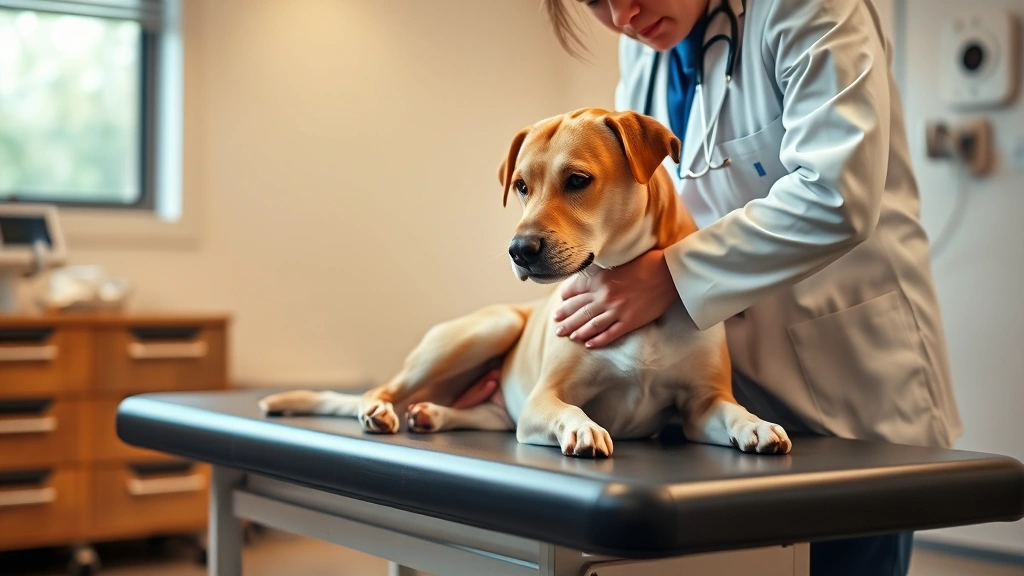
What should I feed my dog after vomiting or diarrhea?
After your vet gives the all-clear, start with bland foods like boiled chicken and white rice in small portions. Gradually reintroduce your dog’s regular food over several days to avoid triggering symptoms again.
Is it normal for dogs to vomit occasionally?
Occasional vomiting can be normal, especially if your dog ate too quickly or got into something they shouldn’t. However, frequent vomiting or vomiting accompanied by other symptoms warrants veterinary evaluation.
How can I prevent gastrointestinal issues in my dog?
Feed a high-quality, consistent diet, avoid table scraps and fatty treats, prevent access to non-food items, minimize stress, and keep your dog up-to-date on parasite prevention and vaccinations.

What to Do Now
Taking action right now helps you feel more prepared and keeps your dog safer:
- Observe and document – Note when symptoms started, frequency, and any other changes in behavior or appetite. This information helps your vet diagnose quickly.
- Remove potential hazards – Secure any toys, plants, or items your dog might eat, and store human food out of reach.
- Schedule a vet check-up – Even if symptoms seem mild, a professional evaluation rules out serious conditions and provides peace of mind.
- Keep emergency contact information handy – Know your regular vet’s after-hours number and locate the nearest emergency veterinary clinic.
- Consider a telehealth consultation – If you’re uncertain about the urgency of your dog’s symptoms, The Pet Vet can provide quick guidance to help you decide next steps.
Summary: Staying Alert and Proactive
Dog gastrointestinal issues range from minor and self-limiting to serious and requiring urgent care. The key to protecting your dog is recognizing the difference and responding appropriately. Pay close attention to changes in vomiting, diarrhea, appetite, energy level, and behavior. Trust your instincts—if something feels wrong, it probably warrants a vet’s evaluation.
While some digestive upset resolves at home with rest and care, persistent or severe symptoms demand professional attention. Don’t let worry paralyze you; instead, use it as motivation to seek help promptly. Early intervention often means faster recovery and better outcomes for your beloved companion.

Remember, you’re not alone in navigating these concerns. Your veterinarian is always your best resource, and telehealth options make getting professional guidance easier than ever. Your dog is counting on you to notice when something’s wrong and take action—and by reading this article, you’re already doing exactly that.