
If your dog has just undergone gastropexy surgery, you’re probably wondering what the recovery process looks like and how you can help your furry friend heal as smoothly as possible. Dog gastropexy recovery requires patience, careful monitoring, and a solid understanding of what to expect in the weeks ahead. Your veterinarian has taken an important step to prevent a life-threatening condition, and now your role as a devoted pet parent is crucial to ensuring your pup bounces back strong.
Table of Contents
- What Is Gastropexy and Why Do Dogs Need It?
- The First 24 to 48 Hours After Surgery
- Managing Pain and Discomfort During Recovery
- Nutrition and Feeding During Dog Gastropexy Recovery
- Activity Restrictions and Exercise Guidelines
- Incision Care and Wound Management
- Recognizing Complications and When to Seek Help
- The Timeline: What to Expect Week by Week
- Supporting Healing: Diet and Supplements
- Preventing Future Bloat Episodes
- Emotional Support for Your Dog During Recovery
- Frequently Asked Questions
- What To Do Now
- Summary: Supporting Your Dog’s Complete Recovery
This article is for informational purposes only and is not a substitute for professional veterinary advice. Always consult a licensed veterinarian for diagnosis and treatment.
What Is Gastropexy and Why Do Dogs Need It?
Gastropexy is a surgical procedure that anchors the stomach to the abdominal wall to prevent gastric dilatation-volvulus (GDV), commonly called bloat. This condition is a medical emergency where the stomach twists on itself, cutting off blood flow and trapping gas inside.
Large and deep-chested breeds like Great Danes, German Shepherds, and Standard Poodles are at higher risk. The procedure is often performed prophylactically during other surgeries or after a bloat episode. Understanding why your dog had this surgery helps you appreciate the importance of proper dog gastropexy recovery.
The First 24 to 48 Hours After Surgery
The immediate post-operative period is critical. Your dog will likely be groggy from anesthesia and may experience some discomfort around the incision site. Keep your pup in a quiet, comfortable space away from other pets and children during this time.
Your veterinarian will provide specific instructions about pain management and activity restrictions. Most dogs need complete rest for at least the first two days. Catching any complications early puts you in a great position to help your dog recover without setbacks.
- Monitor the incision for excessive swelling, redness, or discharge
- Administer pain medication exactly as prescribed
- Prevent your dog from licking or chewing at the surgical site
- Keep the incision clean and dry
- Limit bathroom breaks to short, supervised trips outside
Managing Pain and Discomfort During Recovery
Your dog may experience mild to moderate pain after surgery. This is completely normal, and your veterinarian will discuss pain management options tailored to your pet’s needs. Never assume your dog is comfortable just because they’re not vocalizing—some dogs are stoic.
Watch for signs that your pup is struggling, such as restlessness, panting, or reluctance to move. If you notice these behaviors, contact your veterinarian right away. Your vet may recommend adjusting pain medication or investigating other underlying issues.
Nutrition and Feeding During Dog Gastropexy Recovery
Proper nutrition supports healing, but feeding must be approached carefully post-surgery. Your veterinarian will advise when to resume normal feeding—typically within 12 to 24 hours after surgery, starting with small amounts of bland food.
Consider these feeding guidelines during recovery:
- Offer small, frequent meals rather than one or two large meals
- Use bland, easily digestible food (such as boiled chicken and rice) for the first week
- Gradually transition back to regular food over 7 to 10 days
- Ensure fresh water is always available
- Avoid table scraps and high-fat treats during recovery
For more detailed guidance on post-surgery nutrition, check out our article on meal prep for pets and age-appropriate feeding frequency. These resources can help you plan balanced meals that support healing.
Activity Restrictions and Exercise Guidelines
One of the most challenging aspects of dog gastropexy recovery is keeping your active pup calm. Your dog will need strict rest for at least 10 to 14 days, with gradual increases in activity over the following weeks. This means limiting running, jumping, and rough play.
Short, leashed walks for bathroom breaks are fine, but avoid off-leash play or intense exercise. Your dog’s incision needs time to heal internally before the muscles and tissues can handle normal activity. Pushing too hard too soon can compromise the surgical repair and delay healing.
Incision Care and Wound Management
The surgical incision requires careful attention throughout recovery. Check it daily for signs of healing or complications. A healthy incision should gradually become less red and swollen as days pass.
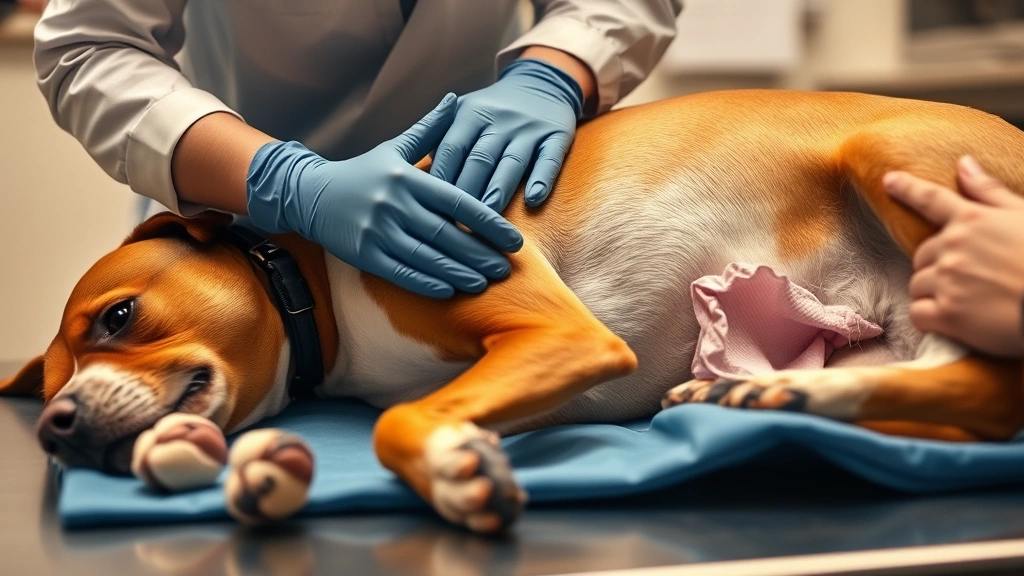
Keep these incision care tips in mind:
- Keep the area clean and dry at all times
- Prevent your dog from licking or chewing the incision with an Elizabethan collar if needed
- Avoid bathing your dog until your veterinarian gives the all-clear
- Watch for signs of infection: increased redness, warmth, discharge, or foul odor
- Contact your vet immediately if you notice any concerning changes
Most incisions are closed with stitches or staples that need removal around 10 to 14 days post-surgery. Don’t miss this appointment—your veterinarian will assess healing and remove the sutures.
Recognizing Complications and When to Seek Help
While most gastropexy surgeries go smoothly, complications can occasionally arise. Knowing the warning signs helps you act quickly if something goes wrong. Early intervention often prevents minor issues from becoming serious problems.
Contact your veterinarian immediately if you notice:
- Excessive bleeding or discharge from the incision
- Signs of infection (swelling, redness, pus, or foul odor)
- Dehiscence (incision opening up)
- Vomiting or inability to keep food down
- Abdominal distension or bloating
- Lethargy that persists beyond the first few days
- Loss of appetite lasting more than 24 hours
- Difficulty urinating or defecating
If you’re unsure whether your pet needs urgent care, a quick telehealth check-in can give you peace of mind—no appointment needed. The Pet Vet offers convenient access to licensed veterinarians who can assess your concerns and guide you on next steps.
The Timeline: What to Expect Week by Week
Week 1: Your dog will be mostly resting, with bathroom breaks only. Pain should gradually decrease. The incision will be red and swollen but should not be draining excessively.
Weeks 2-3: Activity can slowly increase. Short walks become longer, and your dog may seem more like themselves. The incision should be noticeably less red and swollen. Stitches are typically removed around day 10 to 14.
Weeks 4-6: Most dogs can resume normal activity by week 4, though your veterinarian may recommend waiting longer for high-impact exercise. The incision should be nearly healed, though it may remain slightly visible for weeks.
Weeks 6+: Full recovery is typically complete by 6 to 8 weeks. Your dog can return to normal exercise, play, and activities. The scar will continue to fade over months.
Supporting Healing: Diet and Supplements
Beyond basic nutrition, certain foods and supplements may support your dog’s recovery. Protein is essential for tissue repair, so ensure your dog’s diet includes adequate high-quality protein sources.
Some veterinarians recommend omega-3 fatty acids to support inflammation management during healing. Always discuss supplements with your vet before introducing them, as some may interact with medications or affect the surgical site.
For comprehensive guidance on nutrition during recovery, our article on meal prep for pets offers practical strategies for supporting your dog’s health through proper feeding.
Preventing Future Bloat Episodes
Gastropexy significantly reduces the risk of bloat recurring, but you can take additional steps to minimize risk. Feed your dog multiple smaller meals throughout the day rather than one large meal. Avoid vigorous exercise immediately before or after eating.
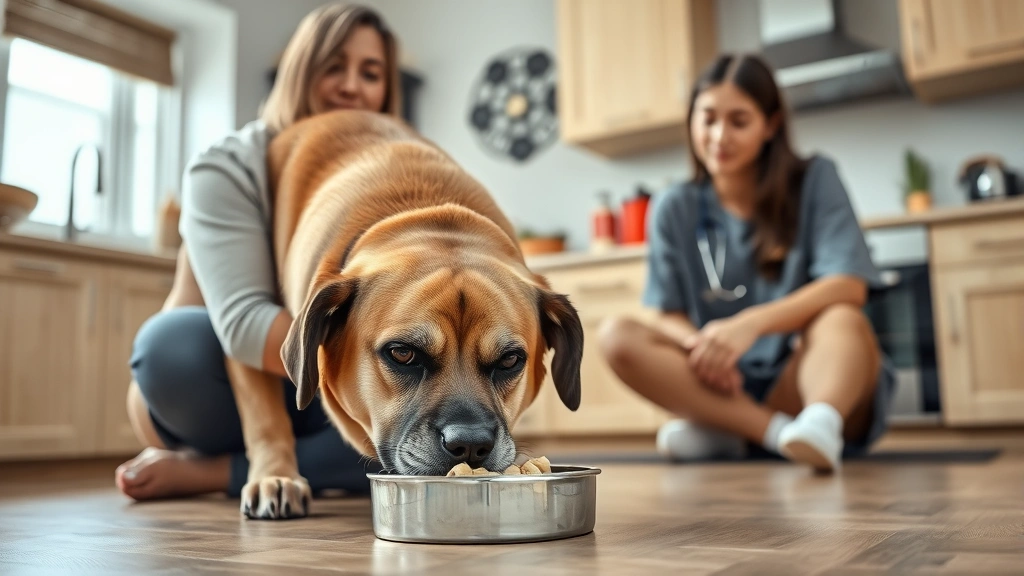
Some owners find that elevated food bowls help reduce the risk of bloat, though research on this is mixed. Keep your dog calm during mealtimes and avoid stressful situations around feeding time. If your dog has a history of bloat, these preventive measures become even more important.
Emotional Support for Your Dog During Recovery
Surgery and recovery can be stressful for your pup. Provide plenty of reassurance and gentle companionship during this time. Your calm, supportive presence helps your dog feel secure as they heal.
However, avoid excessive play or excitement that could disrupt healing. Maintain a consistent routine with regular bathroom breaks, feeding times, and quiet rest periods. This predictability helps your dog feel safe and supported throughout recovery.
Frequently Asked Questions
How long does dog gastropexy recovery typically take?
Most dogs recover fully within 6 to 8 weeks, though activity restrictions are usually lifted around 4 weeks post-surgery. Your veterinarian will provide a specific timeline based on your dog’s individual healing progress.
Can my dog sleep normally after gastropexy surgery?
Yes, your dog can sleep normally, though they may prefer sleeping more during the first few days due to pain and anesthesia effects. Provide a comfortable, quiet sleeping area away from household activity.
When can I bathe my dog after gastropexy?
Most veterinarians recommend waiting 10 to 14 days after surgery until stitches are removed before bathing. Always check with your vet before bathing, as they may have specific recommendations based on your dog’s incision healing.
Is gastropexy surgery successful in preventing bloat?
Gastropexy is highly effective at preventing gastric dilatation-volvulus, with success rates exceeding 95%. It significantly reduces the risk of life-threatening bloat episodes in at-risk breeds.
What should I feed my dog immediately after surgery?
Your veterinarian will advise when to start feeding, typically 12 to 24 hours post-surgery. Begin with small amounts of bland, easily digestible food like boiled chicken and rice, then gradually transition to regular food over a week.
What To Do Now
- Follow your veterinarian’s discharge instructions carefully — Write down specific guidelines for pain medication, activity restrictions, incision care, and follow-up appointments to ensure you don’t miss any important details.
- Set up a comfortable recovery space — Create a quiet area with a soft bed, easy access to water and food bowls, and proximity to bathroom areas to minimize your dog’s movement during the first 2 weeks.
- Schedule your incision check and suture removal appointment — Mark your calendar for day 10 to 14 post-surgery so your veterinarian can assess healing and remove stitches on time.
- Monitor your dog’s incision daily — Take photos of the incision on days 1, 3, 7, and 14 to track healing progress and catch any signs of infection early.
- Contact your vet if you have concerns — If you’re unsure about any aspect of recovery or notice unusual symptoms, don’t hesitate to reach out. A quick telehealth consultation can provide peace of mind and professional guidance.
Summary: Supporting Your Dog’s Complete Recovery
Dog gastropexy recovery is a manageable process when you understand what to expect and follow your veterinarian’s guidance closely. The first two weeks require strict rest and careful incision monitoring, while weeks 2 through 8 involve gradual increases in activity as healing progresses.
Your role as a pet parent is essential—providing pain management, proper nutrition, activity restrictions, and emotional support gives your dog the best chance of a smooth, complete recovery. Most dogs return to their normal, happy selves within 6 to 8 weeks, and the gastropexy procedure offers long-term protection against life-threatening bloat episodes.
Remember, every dog heals at their own pace. Stay patient, keep communication open with your veterinarian, and don’t hesitate to seek professional guidance if you notice anything concerning. You’ve already taken a crucial step in protecting your dog’s health by ensuring they received this important surgery—now you’re giving them the best possible chance to thrive.
For additional support during your dog’s recovery journey, The Pet Vet offers convenient telehealth consultations with licensed veterinarians available when you need them. Whether you have questions about incision care, nutrition, activity levels, or any other aspect of gastropexy recovery, professional guidance is just a click away.