
Noticing dog heart disease early signs can be the difference between catching a manageable condition and facing a medical emergency. If you’ve ever worried that your dog’s cough might be more than just a tickle, or noticed your pup seems unusually tired, you’re not alone—and your instincts matter. Heart disease in dogs is surprisingly common, affecting roughly 10% of the canine population, yet many pet owners don’t recognize the subtle warning signals until the condition has progressed significantly.
Table of Contents
- Understanding Dog Heart Disease: Why Early Detection Matters
- Sign #1: Persistent Coughing, Especially at Night
- Sign #2: Unusual Fatigue and Reluctance to Exercise
- Sign #3: Rapid or Irregular Breathing
- Sign #4: Fainting or Collapse Episodes
- Sign #5: Abdominal Swelling or Distension
- Sign #6: Loss of Appetite or Picky Eating
- Sign #7: Pale Gums or Blue-Tinged Tongue
- Related Conditions That Mimic Heart Disease
- What to Do If You Notice These Signs
- Diagnostic Testing Your Vet May Recommend
- Managing Heart Disease Once Diagnosed
- Frequently Asked Questions
- Summary: Taking Action on Dog Heart Disease Early Signs
This article is for informational purposes only and is not a substitute for professional veterinary advice. Always consult a licensed veterinarian for diagnosis and treatment.
Understanding Dog Heart Disease: Why Early Detection Matters
Heart disease in dogs can develop slowly over months or even years, which is why early recognition is so crucial. Unlike a broken bone or obvious infection, cardiac issues often hide behind everyday behaviors that seem innocent at first glance. Your dog’s heart is working harder than normal, and the body sends out subtle distress signals—if you know what to look for.
The good news? Catching these signs early puts you in a great position to help your dog live a longer, happier life with proper management and veterinary care.
Sign #1: Persistent Coughing, Especially at Night
One of the most common early signs of dog heart disease is a dry, hacking cough that often worsens when your dog is lying down or sleeping. This happens because fluid builds up in the lungs as the heart struggles to pump blood efficiently. You might notice your pup coughing more during nighttime or early morning hours.
This cough is different from the occasional reverse sneeze or kennel cough. It’s persistent, sometimes almost frantic, and doesn’t seem to have a clear trigger like excitement or cold air. If your dog has been coughing for more than a few weeks, it’s worth investigating with your vet. Catching this early means your vet can start supportive care before more serious complications develop.
Sign #2: Unusual Fatigue and Reluctance to Exercise
Does your normally energetic dog suddenly seem less interested in walks or playtime? Excessive tiredness is a red flag that shouldn’t be ignored. When the heart isn’t pumping blood effectively, your dog’s muscles and organs don’t receive enough oxygen, leading to fatigue that feels overwhelming to them.
You might notice your dog:
- Wants shorter walks than usual
- Pants heavily after minimal activity
- Sleeps much more than their normal pattern
- Seems disinterested in games or activities they once loved
This change often happens gradually, so comparing your dog’s energy levels week to week can help you spot the shift. Your vet can determine whether this fatigue is heart-related or caused by another condition.
Sign #3: Rapid or Irregular Breathing
Normal resting breathing in dogs is 10 to 30 breaths per minute. If you notice your dog breathing much faster than this—especially when they’re calm and not overheated—it could indicate the heart is struggling. The respiratory system and cardiovascular system are deeply connected; when one fails, the other compensates by working harder.
Watch for:
- Rapid breathing even at rest
- Shallow, quick breaths
- Visible chest heaving
- Breathing difficulty in cool environments
You can count your dog’s breaths by watching their ribcage rise and fall for one full minute. If the count consistently exceeds 30 breaths per minute at rest, mention this to your veterinarian right away.
Sign #4: Fainting or Collapse Episodes
Fainting, or syncope, occurs when the brain doesn’t receive enough blood flow. In dogs with heart disease, this can happen suddenly during exercise or even while resting. A fainting episode is always alarming and should be treated as a medical concern that requires prompt evaluation.
Even if your dog recovers quickly after collapsing, don’t wait to call your vet. These episodes indicate that the heart isn’t delivering oxygen efficiently to vital organs. Your vet may recommend diagnostic testing like an ultrasound or ECG to understand what’s happening. This is one of the most serious early signs and warrants urgent attention.
Sign #5: Abdominal Swelling or Distension
Fluid accumulation in the abdomen, called ascites, can occur when the heart can’t pump blood effectively. This causes fluid to back up into the liver and abdominal cavity, leading to noticeable swelling or a bloated appearance. Your dog’s belly might feel tight or drum-like when you gently press it.
This swelling can also make your dog feel uncomfortable, leading to:
- Loss of appetite
- Difficulty moving or jumping
- Reluctance to lie down
- Vomiting or nausea
Abdominal swelling is a sign that heart disease may be progressing, so getting veterinary evaluation quickly is important. You’re doing the right thing by paying attention to your dog’s body changes.
Sign #6: Loss of Appetite or Picky Eating
When the heart isn’t functioning optimally, blood flow to the digestive system decreases, and fluid can back up into the liver and stomach. This makes your dog feel nauseous or uncomfortable, leading to reduced appetite or sudden pickiness about food. A dog that normally devours their meal might suddenly leave food in the bowl or show disinterest in treats.
Combined with other symptoms like coughing or fatigue, appetite loss becomes more significant. It’s not just a phase or a preference change—it’s your dog’s body signaling that something needs attention. Keep track of how much your dog is eating and mention any changes to your vet.
Sign #7: Pale Gums or Blue-Tinged Tongue
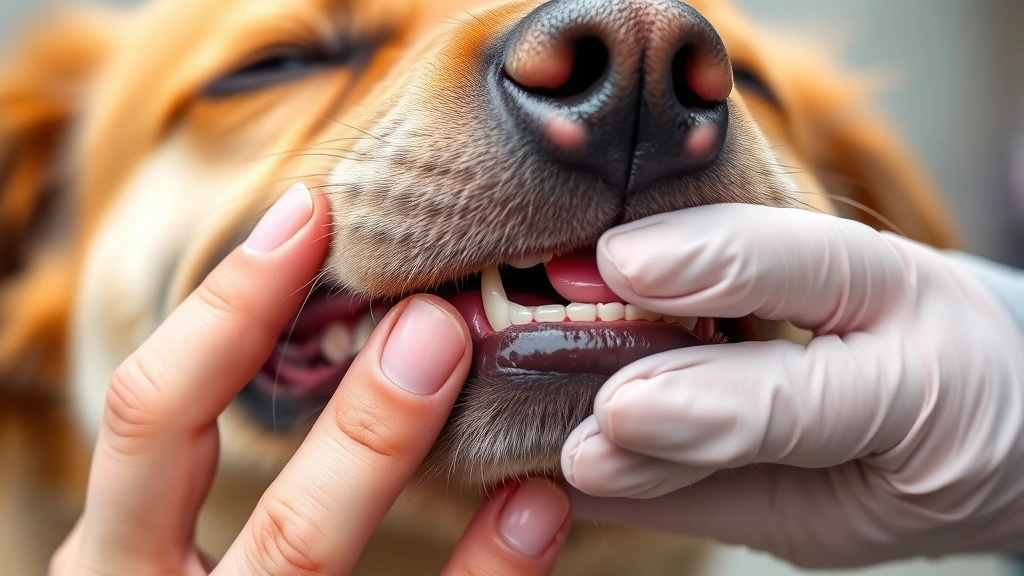
Gum color is a quick indicator of circulation and oxygenation. Healthy dog gums are pink and return to their normal color within two seconds when you press and release them. Pale or whitish gums suggest poor circulation, while a blue or purple tint indicates inadequate oxygen in the blood.
To check your dog’s gums:
- Lift your dog’s upper lip gently
- Look at the color of the gums above the teeth
- Press a gum with your finger for two seconds, then release
- The color should return to pink within two seconds
If your dog’s gums are pale, white, or bluish, or if the color doesn’t return quickly, contact your vet immediately. This is a sign of circulatory compromise and requires urgent evaluation.
Related Conditions That Mimic Heart Disease
It’s important to know that some symptoms overlap with other conditions. For example, collapsing trachea in dogs can cause coughing, and pulmonary edema in dogs involves fluid in the lungs. Additionally, dog kidney disease symptoms can include appetite loss and fatigue, and dog kidney disease emergency signs may present similarly to cardiac issues.
This is why professional veterinary diagnosis is essential. Your vet can run specific tests—like bloodwork, chest X-rays, and cardiac ultrasounds—to pinpoint the exact cause of your dog’s symptoms. Don’t try to self-diagnose; let the experts help you understand what’s really going on.
What to Do If You Notice These Signs
- Schedule a veterinary appointment promptly. If you notice one or more of these signs, don’t wait weeks. Call your vet and describe the symptoms. They’ll determine whether your dog needs an urgent visit or can be seen at a routine appointment.
- Keep detailed notes about what you’ve observed. Write down when the coughing started, how often it happens, what your dog was doing when it occurred, and any other changes you’ve noticed. This information helps your vet tremendously.
- Monitor your dog’s vital signs if possible. Track resting breathing rate, appetite, water intake, and energy levels. These details paint a clearer picture for your veterinarian.
- Avoid strenuous exercise until evaluated. If your dog has been fainting or showing signs of heart strain, limit activity to short, gentle walks until your vet gives the all-clear.
- Consider a telehealth consultation for peace of mind. If you are unsure whether your pet needs urgent care, a quick telehealth check-in with The Pet Vet can give you peace of mind—no appointment needed. You can describe symptoms and get professional guidance on next steps from the comfort of your home.
Diagnostic Testing Your Vet May Recommend
When you bring your dog in with suspected heart disease, your vet will likely recommend several diagnostic tools. These might include:

- Physical examination: Listening to the heart with a stethoscope for murmurs or arrhythmias
- Chest X-rays: Revealing heart size and checking for fluid in the lungs
- Electrocardiogram (ECG): Recording the electrical activity of the heart
- Echocardiogram (ultrasound): Creating detailed images of heart structure and function
- Blood tests: Checking organ function and ruling out other conditions
These tests aren’t just for confirmation—they help your vet determine the stage and type of heart disease, which guides treatment decisions. Early diagnosis often means simpler, more effective management.
Managing Heart Disease Once Diagnosed
If your dog is diagnosed with heart disease, the good news is that many dogs live comfortably for years with proper management. Your vet will create a tailored plan based on your dog’s specific condition. This might include lifestyle adjustments, dietary changes, and supportive care strategies.
Regular check-ups become especially important, as does monitoring your dog at home. You’ll become an expert at noticing subtle changes, which helps your vet adjust the care plan as needed. Many pet owners find that staying informed and proactive actually reduces their anxiety—you’re taking action, and that matters.
Frequently Asked Questions
Can dog heart disease be prevented?
While you can’t prevent all heart disease (some dogs are genetically predisposed), maintaining a healthy weight, providing regular exercise, and feeding a balanced diet can support heart health. Regular vet check-ups help catch issues early.
At what age do dogs typically develop heart disease?
Heart disease can develop at any age, though it’s more common in older dogs. Some breeds are predisposed to early-onset heart disease, so talk to your vet about your dog’s specific risk factors.
Is heart disease in dogs always fatal?
Not at all. Many dogs with heart disease live for years with proper management and veterinary care. Early detection significantly improves outcomes and quality of life.
What’s the difference between a heart murmur and heart disease?
A heart murmur is an abnormal sound the vet hears during examination. Not all murmurs indicate disease, but some do warrant further investigation with imaging tests.
Should I restrict my dog’s activity if they have heart disease?
Your vet will provide specific activity recommendations based on your dog’s condition. Generally, gentle exercise is beneficial, but strenuous activity may need to be limited to prevent strain on the heart.
Summary: Taking Action on Dog Heart Disease Early Signs
Recognizing dog heart disease early signs empowers you to get your beloved pet the care they need before the condition becomes critical. The seven symptoms we’ve covered—persistent coughing, fatigue, rapid breathing, fainting, abdominal swelling, appetite loss, and pale gums—are your dog’s way of asking for help.
Trust your instincts. You know your dog better than anyone. If something feels off, it probably is, and that’s worth investigating. Early intervention can dramatically improve your dog’s prognosis and quality of life. Your vet is your partner in this journey, and modern veterinary medicine offers many options for managing heart disease effectively.
Remember, catching these signs early puts you in the best possible position to help your dog thrive. You’re already doing great by reading this and learning what to watch for. Now take that knowledge and use it to keep your furry friend healthy and happy.