
If you’re worried about your dog’s heart health, you’re not alone—and the good news is that dog heart disease prevention tips can make a real difference in keeping your furry friend healthy and happy for years to come. Heart disease in dogs is increasingly common, but many cases can be prevented or managed effectively when you know what to do.
Table of Contents
- Understanding Canine Heart Disease: Why Prevention Matters
- 1. Maintain a Healthy Weight Through Balanced Nutrition
- 2. Keep Your Dog Physically Active and Exercised
- 3. Prevent Heartworm Disease With Year-Round Protection
- 4. Monitor Blood Pressure and Control Hypertension
- 5. Schedule Regular Veterinary Checkups and Screening
- 6. Manage Dental Health to Protect Your Dog’s Heart
- 7. Manage Stress and Provide a Calm, Enriching Environment
- Understanding Risk Factors and Breed Predisposition
- The Role of Supplements and Medications in Prevention
- Frequently Asked Questions
- What To Do Now: Your Action Plan
- Summary: Empowering Your Dog’s Heart Health
This article is for informational purposes only and is not a substitute for professional veterinary advice. Always consult a licensed veterinarian for diagnosis and treatment.
Your dog’s heart is the engine that keeps them running, playing, and loving you unconditionally. When heart problems develop, they can sneak up quietly—sometimes without obvious symptoms until the condition becomes serious. But here’s the encouraging part: by taking proactive steps now, you can significantly reduce your dog’s risk of developing heart disease and catch any early warning signs before they become critical.
Understanding Canine Heart Disease: Why Prevention Matters
Heart disease in dogs comes in many forms, from valve problems to cardiomyopathy to heartworm disease. Some dogs are born with heart conditions, while others develop them over time due to age, genetics, or lifestyle factors. The key insight? Many types of heart disease are preventable or manageable with the right approach.
Prevention isn’t about fear—it’s about empowerment. When you understand the risk factors, you can make informed choices that protect your dog’s cardiovascular health. Catching problems early puts you in a great position to help your pup live a longer, fuller life.
1. Maintain a Healthy Weight Through Balanced Nutrition
Obesity is one of the most modifiable risk factors for heart disease in dogs. Extra weight forces your dog’s heart to work harder, increasing strain on the cardiovascular system. A lean, healthy dog has significantly better heart health outcomes.
Here’s what you can do:
- Feed your dog high-quality, appropriately portioned meals based on their age, size, and activity level
- Measure food carefully—use a measuring cup rather than free-feeding
- Choose nutrient-dense foods with adequate omega-3 fatty acids, which support heart health
- Limit treats to no more than 10% of daily calories
- Avoid table scraps, which often contain excess sodium and fat
Your veterinarian can recommend a diet specifically formulated to support cardiovascular health. Some dogs benefit from foods enriched with taurine, an amino acid crucial for heart function.
2. Keep Your Dog Physically Active and Exercised
Regular exercise is medicine for your dog’s heart. Physical activity strengthens the heart muscle, improves circulation, and helps maintain a healthy weight—all critical factors in heart disease prevention.
The right exercise routine depends on your dog’s age, breed, and current fitness level. Young, healthy dogs typically need 30-60 minutes of moderate activity daily, while senior dogs benefit from gentler, shorter sessions.
Consider these activity ideas:
- Daily walks at a comfortable pace
- Swimming or water aerobics (excellent low-impact exercise)
- Playing fetch or running in a secure yard
- Interactive games that keep your dog mentally and physically engaged
- Dog sports like agility or dock diving (for appropriate breeds)
Always warm up and cool down, just like humans do. Sudden intense activity can strain an unprepared heart. If your dog is older or has existing health concerns, talk with your vet about an appropriate exercise plan.
3. Prevent Heartworm Disease With Year-Round Protection
Heartworm disease is a serious, potentially fatal condition transmitted by mosquitoes. The remarkable news? It’s completely preventable with consistent medication. This is one of the most important dog heart disease prevention tips because heartworms directly damage the heart and lungs.
Year-round heartworm prevention is essential, even in cooler climates where mosquitoes seem less active. Heartworm medications are available in several forms—oral tablets, topical treatments, and injections—so you can choose what works best for your lifestyle.
Your veterinarian will recommend the most appropriate heartworm prevention based on your dog’s age, weight, and health status. Regular testing ensures the prevention is working effectively. If you’re unsure whether your dog is due for heartworm prevention or testing, check our guide on dog heart disease symptoms and schedule a quick telehealth consultation for peace of mind.
4. Monitor Blood Pressure and Control Hypertension
High blood pressure in dogs can damage the heart, kidneys, and other organs over time. While hypertension doesn’t always cause obvious symptoms, it silently stresses the cardiovascular system. Regular blood pressure checks are an important part of preventive care, especially for older dogs or those with risk factors.
Your veterinarian can measure your dog’s blood pressure during routine wellness visits. If hypertension is detected, dietary modifications (such as reduced sodium) or other interventions may help manage it effectively.
Keeping your dog at a healthy weight and managing stress also support normal blood pressure. Senior dogs and those with kidney disease should have blood pressure monitored regularly.
5. Schedule Regular Veterinary Checkups and Screening
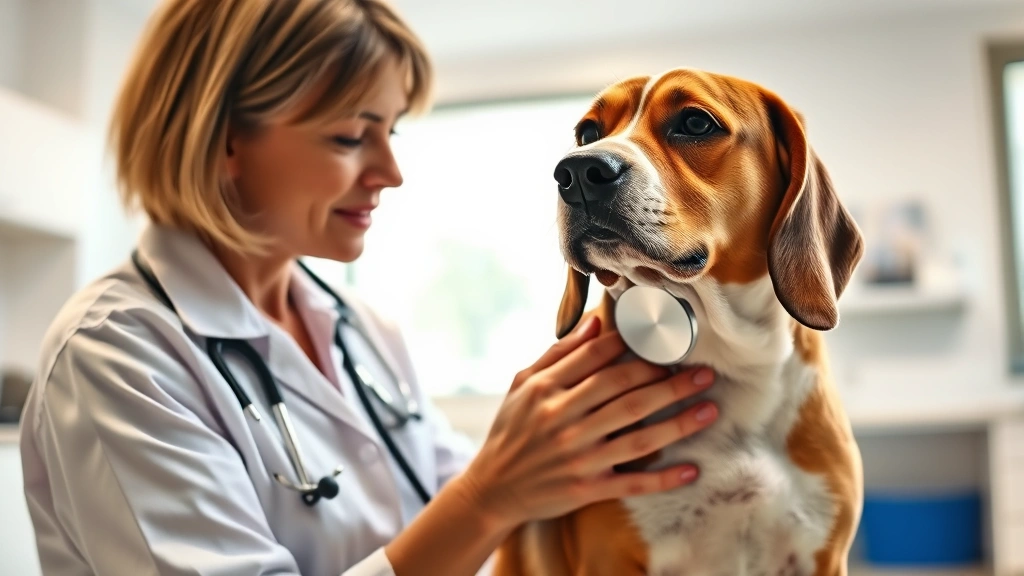
Preventive care is the cornerstone of heart disease prevention. Regular wellness exams allow your veterinarian to detect early signs of heart problems before symptoms become severe. Your vet listens to your dog’s heart with a stethoscope, assesses overall health, and recommends appropriate screening tests.
For puppies and young dogs, annual exams are typically sufficient. Senior dogs (ages 7+) benefit from twice-yearly checkups to catch age-related changes early. Certain breeds prone to heart disease may need more frequent screening or specialized tests like echocardiograms.
During these visits, your veterinarian can:
- Listen for heart murmurs or irregular rhythms
- Assess your dog’s overall fitness and weight
- Review diet and exercise habits
- Recommend preventive medications or supplements
- Order diagnostic tests if needed
If you notice anything concerning between visits, don’t wait—reach out to your vet right away. If you’re unsure whether your pet needs urgent care, a quick telehealth check-in can give you peace of mind and professional guidance without the wait.
6. Manage Dental Health to Protect Your Dog’s Heart
Here’s a surprising connection: poor dental health is linked to heart disease in dogs. Bacteria from dental infections can enter the bloodstream and damage heart valves, a condition called endocarditis. By keeping your dog’s teeth and gums healthy, you’re actually protecting their heart.
Establish a dental care routine that includes:
- Brushing your dog’s teeth several times weekly (daily is ideal)
- Using dog-safe toothpaste and a soft-bristled brush
- Offering dental chews or toys that promote tooth cleaning
- Professional dental cleanings by your veterinarian as recommended
- Monitoring for signs of dental disease like bad breath, tartar buildup, or loose teeth
Your veterinarian can assess your dog’s dental health and recommend a professional cleaning if needed. This preventive step is often overlooked but incredibly important for overall cardiovascular health.
7. Manage Stress and Provide a Calm, Enriching Environment
Chronic stress elevates cortisol and other hormones that can negatively impact heart health. Dogs thrive in calm, predictable environments with positive social interactions. Creating a stress-free home is an underrated but powerful form of heart disease prevention.
Consider these stress-reducing strategies:
- Maintain consistent daily routines your dog can rely on
- Provide a safe, quiet space where your dog can retreat
- Use positive reinforcement training rather than punishment-based methods
- Minimize exposure to loud noises or chaotic situations
- Ensure your dog has adequate social interaction and play time
- Consider calming supplements or products if your dog is naturally anxious
A happy, relaxed dog is a healthier dog. The bond you share with your pet also contributes to their well-being—your calm presence is genuinely soothing for them.
Understanding Risk Factors and Breed Predisposition
Certain dog breeds have a higher genetic predisposition to heart disease. Small breeds like Chihuahuas and toy poodles are prone to valve disease, while larger breeds like Dobermans and Great Danes are at risk for dilated cardiomyopathy. Age is another significant factor—heart disease becomes more common as dogs enter their senior years.

If your dog is a breed at higher risk or is entering their senior years, discuss preventive strategies with your veterinarian. Catching problems early puts you in a great position to help. Early intervention can dramatically improve quality of life and extend your time together.
You can also explore dog heart disease symptoms to familiarize yourself with warning signs, and learn about how other chronic conditions like kidney disease affect overall health.
The Role of Supplements and Medications in Prevention
Some dogs benefit from supplements that support heart health, such as omega-3 fatty acids, CoQ10, or L-carnitine. These may be particularly helpful for dogs with existing heart conditions or those at high genetic risk. However, supplements should never replace veterinary care—they’re complementary tools.
Your veterinarian can recommend appropriate supplements based on your dog’s individual needs and any existing health conditions. Always discuss new supplements with your vet before starting them, as some can interact with medications or existing conditions.
In some cases, dogs with early-stage heart disease may benefit from medications that support cardiac function. These are prescribed only when medically indicated, so regular monitoring helps determine if your dog would benefit.
Frequently Asked Questions
At what age should I start focusing on dog heart disease prevention?
Start early! Good nutrition, exercise, and preventive care from puppyhood set the foundation for lifelong heart health. Senior dogs (age 7+) need more frequent monitoring, but prevention begins when your dog is young.
Can heart disease in dogs be cured?
Most heart conditions can be managed to improve quality of life, but not cured. Early detection and intervention make a significant difference in outcomes and longevity.
How often should my dog have their heart checked?
Young, healthy dogs typically need annual exams. Senior dogs and those with risk factors benefit from twice-yearly checkups. Your veterinarian will recommend the right schedule for your dog’s age and health status.
Is heartworm prevention really necessary year-round?
Yes. Even in cooler climates, mosquitoes can survive indoors or emerge unexpectedly. Year-round prevention is the safest approach to protect against this serious heart disease.
What signs might indicate my dog has heart problems?
Watch for coughing, difficulty breathing, lethargy, fainting, or reduced exercise tolerance. Learn more in our detailed guide on dog heart disease symptoms to help you recognize early warning signs.
What To Do Now: Your Action Plan
Take these concrete steps this week to start protecting your dog’s heart:
- Schedule a wellness exam: Book your dog’s next veterinary checkup if it’s been more than a year. During this visit, ask your vet specifically about heart health screening and risk factors for your dog’s breed and age.
- Review your dog’s diet and weight: Assess whether your dog is at a healthy weight. If not, discuss a nutrition plan with your veterinarian that supports weight management and heart health.
- Establish an exercise routine: Create a daily activity schedule appropriate for your dog’s age and fitness level. Even 20-30 minutes of daily walking makes a significant difference.
- Confirm heartworm prevention: Check that your dog is current on heartworm prevention medication. If not, contact your veterinarian to get started immediately.
- Start a dental care routine: If you haven’t already, begin brushing your dog’s teeth several times weekly using dog-safe toothpaste. This simple habit protects both dental and heart health.
Summary: Empowering Your Dog’s Heart Health
Dog heart disease prevention tips aren’t complicated, but they do require consistency and commitment. By maintaining a healthy weight, providing regular exercise, preventing heartworm disease, managing blood pressure, scheduling preventive veterinary care, supporting dental health, and reducing stress, you’re giving your dog the best possible chance at a long, healthy life.
The most important thing to remember? You’re not alone in this. Your veterinarian is your partner in keeping your dog healthy. Regular communication, honest conversations about your dog’s lifestyle, and proactive monitoring create the best outcomes.
Your dog depends on you for their well-being, and by taking these prevention steps seriously, you’re demonstrating the deep love and care that makes you such a wonderful pet parent. The investment you make in prevention today pays dividends in healthy, happy years together tomorrow.
If you ever have questions or concerns about your dog’s heart health, remember that The Pet Vet telehealth services are here to provide convenient, professional guidance whenever you need it. Your peace of mind—and your dog’s health—matters.