
Discovering that your beloved dog may be experiencing dog heart disease symptoms can feel overwhelming and scary. Heart disease in dogs is more common than many pet owners realize, affecting millions of dogs worldwide—yet many owners don’t recognize the early warning signs until the condition becomes serious. The good news? When you know what to look for, you can catch these symptoms early and give your dog the best chance at a longer, healthier life.
Table of Contents
- Understanding Canine Heart Disease: Why It Matters
- Warning Sign #1: Persistent Coughing and Difficulty Breathing
- Warning Sign #2: Lethargy and Loss of Enthusiasm for Activities
- Warning Sign #3: Fainting or Collapse Episodes
- Warning Sign #4: Abdominal Swelling or Distension
- Warning Sign #5: Irregular Heartbeat or Heart Murmurs
- Warning Sign #6: Loss of Appetite and Nausea
- Warning Sign #7: Weakness in the Hind Legs
- Age and Breed Considerations in Heart Disease
- How Vets Diagnose Heart Disease
- Living with a Dog with Heart Disease
- When to Seek Emergency Care
- Frequently Asked Questions
- What To Do Now: Your Action Plan
- Summary: Taking Heart Disease Seriously
This article is for informational purposes only and is not a substitute for professional veterinary advice. Always consult a licensed veterinarian for diagnosis and treatment.
Understanding Canine Heart Disease: Why It Matters
Heart disease in dogs develops when the heart’s ability to pump blood efficiently becomes compromised. This can happen due to aging, genetics, infections, or other underlying health conditions. Unlike humans, dogs can’t tell us when something feels wrong, which makes recognizing dog heart disease symptoms absolutely critical for their survival and quality of life.
The earlier you catch heart disease, the more treatment options your veterinarian has available. Many dogs live comfortably for years with proper management once diagnosed.
Warning Sign #1: Persistent Coughing and Difficulty Breathing
One of the most common dog heart disease symptoms is a dry, hacking cough that seems to come out of nowhere. This happens because fluid backs up into the lungs when the heart can’t pump effectively. You might notice your dog coughing more at night or when lying down, and it may sound like they’re trying to clear their throat.
Labored breathing or shortness of breath during normal activities—like a short walk or playtime—is another red flag. If your dog seems to tire more easily than usual or pants heavily without exercise, it’s worth getting checked out. Catching this early puts you in a great position to help your dog feel better quickly.
Warning Sign #2: Lethargy and Loss of Enthusiasm for Activities
Dogs with heart disease often become noticeably less energetic. Your once-playful pup might suddenly show little interest in walks, fetch, or activities they used to love. This fatigue happens because the heart isn’t delivering enough oxygen-rich blood to their muscles and organs.
Pay attention to behavioral changes like reluctance to exercise, increased sleeping, or general disinterest in their surroundings. While some lethargy is normal with age, a sudden shift warrants a veterinary evaluation.
Warning Sign #3: Fainting or Collapse Episodes
Syncope—the medical term for fainting—can be a serious dog heart disease symptom. Your dog might suddenly collapse during activity or even while resting, then recover within seconds to minutes. These episodes occur when the heart can’t maintain adequate blood flow to the brain.
Even a single fainting episode deserves immediate veterinary attention. Don’t wait to see if it happens again—contact your vet right away or visit an emergency clinic if it occurs after hours.
Warning Sign #4: Abdominal Swelling or Distension
When the heart weakens, fluid can accumulate in the abdomen, causing noticeable bloating or swelling. You might notice your dog’s belly looks fuller than usual, or they seem uncomfortable when you gently press their abdomen. This fluid buildup is the body’s way of trying to maintain blood pressure, but it signals that the heart is struggling.
Combined with other symptoms, abdominal swelling is a strong indicator that your dog needs veterinary care. This is especially important if it appears suddenly.

Warning Sign #5: Irregular Heartbeat or Heart Murmurs
You might not be able to detect irregular heartbeats yourself, but your veterinarian can during a physical exam. Some dogs with heart disease experience arrhythmias—irregular or unusually fast heartbeats. You may notice your dog’s chest seems to be beating strangely or racing without obvious cause.
Heart murmurs (abnormal sounds when the heart beats) are often discovered during routine vet checkups. While not all murmurs indicate serious disease, they warrant monitoring and further testing. Learn more about one specific type in our guide to ventricular tachycardia in dogs, which is a serious arrhythmia.
Warning Sign #6: Loss of Appetite and Nausea
Dogs with heart disease often experience decreased appetite or seem nauseous. This happens because poor circulation affects digestion and the organs that regulate appetite. You might notice your dog turning away from meals they normally devour, or showing signs of queasiness like excessive drooling or lip smacking.
Loss of appetite combined with other symptoms is particularly concerning. If your dog stops eating normally, don’t assume it’s just pickiness—have it checked out. For dogs experiencing nausea alongside heart symptoms, your vet may discuss management options; learn more about dog anti-nausea medication and how it can help.
Warning Sign #7: Weakness in the Hind Legs
Some dogs with advanced heart disease develop weakness or paralysis in their back legs. This occurs when blood clots form due to poor circulation, or when the heart can’t deliver enough oxygen to support muscle function. You might notice your dog struggling to stand, reluctance to climb stairs, or dragging their back feet.
This is a serious symptom that requires urgent veterinary attention. If your dog suddenly can’t use their hind legs properly, seek emergency care immediately.
Age and Breed Considerations in Heart Disease
Certain breeds are genetically predisposed to heart disease. Small breeds like Chihuahuas, Dachshunds, and Poodles often develop degenerative valve disease, while larger breeds like German Shepherds and Dobermans are prone to dilated cardiomyopathy. Senior dogs of any breed face increased risk simply due to age-related wear on the heart.
If your dog falls into a high-risk category, discuss preventive screening with your veterinarian. Regular checkups become even more important as your dog ages.
How Vets Diagnose Heart Disease
Your veterinarian will start with a physical exam, listening carefully to your dog’s heart and lungs with a stethoscope. If they suspect heart disease, they’ll likely recommend diagnostic tests such as:
- Chest X-rays to visualize the heart and lungs
- Electrocardiogram (ECG) to measure electrical activity
- Echocardiogram (ultrasound) to see the heart’s structure and function
- Blood work to assess overall health and organ function
These tests help your vet determine the type and severity of heart disease, which guides treatment decisions.
Living with a Dog with Heart Disease
A heart disease diagnosis isn’t a death sentence. Many dogs live comfortably for years with appropriate management. Your veterinarian will create a tailored plan that may include activity modifications, dietary changes, and regular monitoring.
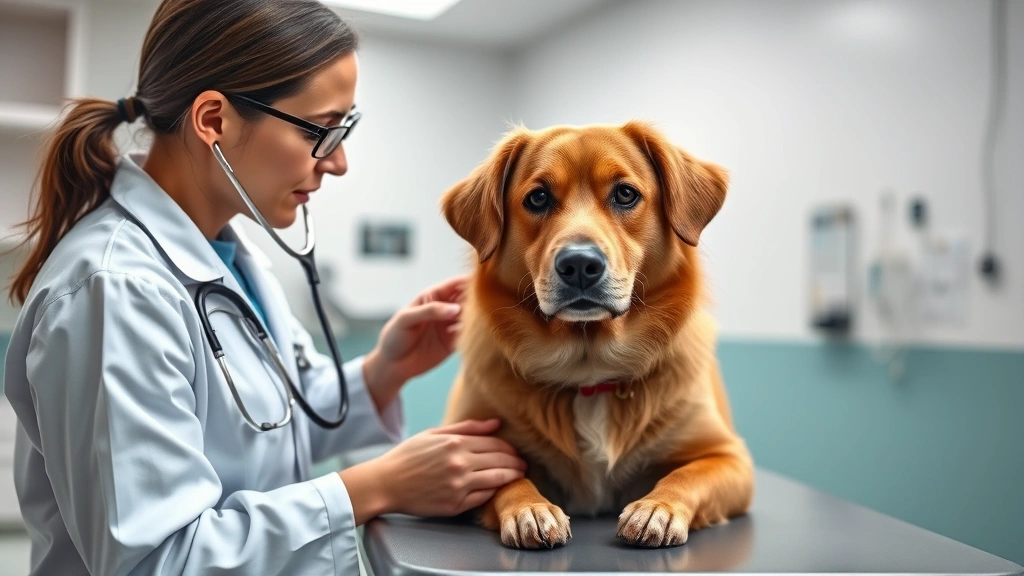
Most importantly, maintain consistent veterinary care and follow your vet’s recommendations closely. Even small changes in your dog’s condition should be reported promptly, as adjustments to their care plan may be needed.
When to Seek Emergency Care
Certain symptoms require immediate emergency veterinary attention:
- Severe difficulty breathing or gasping for air
- Fainting or collapse
- Sudden inability to use hind legs
- Pale or blue-tinged gums
- Extreme weakness or unresponsiveness
Don’t hesitate to visit an emergency clinic if your dog shows any of these signs. Time is critical in heart emergencies.
Frequently Asked Questions
Can dog heart disease be cured?
Most types of heart disease in dogs are manageable but not curable. However, with proper treatment and care, many dogs live comfortably for years after diagnosis. Your vet will focus on slowing progression and improving quality of life.
How long can a dog live with heart disease?
Lifespan varies greatly depending on the type and severity of heart disease, your dog’s age, and how well they respond to treatment. Some dogs live several years after diagnosis, while others may have a shorter timeframe. Your vet can give you more specific information about your individual dog’s prognosis.
Is heart disease painful for dogs?
Heart disease itself isn’t typically painful, but the discomfort from fluid buildup, difficulty breathing, or fatigue can affect your dog’s quality of life. Proper management helps minimize these uncomfortable symptoms.
Can I prevent heart disease in my dog?
While you can’t prevent genetic heart disease, maintaining a healthy weight, providing regular exercise, feeding quality nutrition, and scheduling routine veterinary checkups can support heart health. Some breeds benefit from early screening.
Should I limit my dog’s exercise if they have heart disease?
Yes, your veterinarian will likely recommend activity modifications based on your dog’s condition. Gentle, controlled exercise is usually better than strenuous activity, but your vet will give you specific guidance for your dog’s situation.
What To Do Now: Your Action Plan
If you’ve noticed any dog heart disease symptoms in your pet, here’s what you should do:
- Schedule a veterinary appointment: Contact your regular vet or visit an emergency clinic if symptoms are severe. Bring a list of symptoms you’ve observed and when they started.
- Gather your dog’s health history: Have vaccination records, previous test results, and any medications your dog takes readily available for your vet.
- Consider a telehealth consultation: If you’re unsure whether your pet needs urgent care, a quick telehealth check-in with The Pet Vet can give you peace of mind—no appointment needed. Our vets can help you assess whether your dog needs immediate in-person evaluation.
- Monitor and document symptoms: Keep track of when symptoms occur, how long they last, and any patterns you notice. This information helps your vet tremendously.
- Ask about preventive care: If your dog is in a high-risk breed or is a senior, discuss regular heart screening with your vet to catch problems early.
Summary: Taking Heart Disease Seriously
Dog heart disease symptoms range from subtle to severe, but recognizing them early gives your dog the best outcome. A persistent cough, lethargy, fainting, abdominal swelling, irregular heartbeats, loss of appetite, and hind leg weakness are all signs that warrant veterinary evaluation.
Remember, you know your dog better than anyone. If something feels off, trust your instincts and get your pup checked out. Modern veterinary medicine offers many options for managing heart disease, and catching it early opens more doors for treatment and comfort.
Your dog depends on you to notice these changes and take action. By staying informed and vigilant, you’re already giving your beloved companion the gift of better health and more quality time together. Don’t wait—if you’re seeing any of these symptoms, reach out to your veterinarian today.