
Noticing changes in your dog’s behavior or energy levels can be scary, especially when dog heart disease when to see a vet becomes the question keeping you up at night. Heart disease in dogs is more common than many pet owners realize, and knowing when to seek veterinary care can make all the difference in your dog’s quality of life and prognosis.
Table of Contents
- Understanding Dog Heart Disease: What Every Pet Owner Should Know
- Early Warning Signs: When Subtle Changes Matter
- Moderate Symptoms: Time to Schedule an Appointment
- Emergency Symptoms: Seek Immediate Veterinary Care
- Age and Risk Factors: Who’s Most Vulnerable?
- What to Expect During a Heart Disease Evaluation
- Managing Heart Disease: Treatment and Lifestyle Changes
- When to Consider Telehealth: Convenient Peace of Mind
- Monitoring Your Dog at Home: What to Track
- Preventing Heart Disease: Proactive Steps You Can Take
- Summary: Taking Action for Your Dog’s Heart Health
- Frequently Asked Questions
- What To Do Now
This article is for informational purposes only and is not a substitute for professional veterinary advice. Always consult a licensed veterinarian for diagnosis and treatment.
The good news? Many cases of canine heart disease are manageable when caught early. Understanding the warning signs and knowing when professional help is needed empowers you to be your dog’s best advocate.
Understanding Dog Heart Disease: What Every Pet Owner Should Know
Dog heart disease encompasses several conditions affecting the heart’s structure or function. The two most common types are dilated cardiomyopathy (DCM), where the heart becomes enlarged and weakened, and degenerative valve disease, which typically develops as dogs age.
These conditions can develop silently for months or even years before symptoms appear. This is why regular veterinary checkups are so important—your vet can catch early signs through physical exams and diagnostic tests before you notice anything at home.
Different breeds have predispositions to certain heart conditions. Large breeds like Great Danes and Dobermans are more prone to DCM, while small breeds like Cavalier King Charles Spaniels often develop valve disease. Knowing your dog’s breed-specific risks helps you stay vigilant.
Early Warning Signs: When Subtle Changes Matter
Early detection of heart disease in dogs often starts with noticing small changes in behavior or activity levels. Your dog might seem slightly less interested in walks or tire more quickly during play. These subtle shifts can be easy to miss, especially in senior dogs where we expect some slowdown.
Some dogs may develop a persistent dry cough, particularly at night or when lying down. This cough sounds different from kennel cough—it’s usually a soft, hacking sound rather than a harsh bark. Catching this early puts you in a great position to help manage the condition.
Panting more than usual, even in cool weather or during rest periods, can indicate your dog’s heart is working harder to pump blood efficiently. Weight loss despite normal appetite is another red flag that warrants a veterinary visit.
Moderate Symptoms: Time to Schedule an Appointment
If your dog shows any of these signs, schedule a veterinary appointment as soon as possible—within the next few days if your regular vet has availability:
- Difficulty breathing or shortness of breath during normal activities
- Reluctance to exercise or play, with obvious fatigue
- Persistent coughing that interferes with sleep
- Abdominal swelling or a bloated appearance
- Fainting episodes or collapse during activity
- Irregular heartbeat (if you notice an unusual rhythm when petting your dog)
- Loss of appetite or decreased interest in food
These symptoms suggest your dog may be experiencing heart disease complications that need professional evaluation. Your veterinarian can perform an echocardiogram or other diagnostic tests to assess heart function.
Recognizing these moderate signs early often means treatment can begin before the condition becomes critical, potentially adding months or years to your dog’s life.
Emergency Symptoms: Seek Immediate Veterinary Care
Certain symptoms indicate your dog needs emergency veterinary care right now. Don’t wait for a regular appointment—go to an emergency clinic or animal hospital immediately if you notice:

- Severe difficulty breathing or gasping for air
- Pale or blue-tinged gums
- Collapse or loss of consciousness
- Extreme weakness or inability to stand
- Rapid, irregular, or weak pulse
- Vomiting or signs of vomiting combined with breathing difficulties
- Sudden onset of hind leg paralysis
- Unresponsiveness or confusion
These emergency signs may indicate acute heart failure, shock, or other life-threatening complications. Every minute counts in these situations, so getting professional help immediately is critical.
Age and Risk Factors: Who’s Most Vulnerable?
Senior dogs over age seven are at higher risk for developing heart disease, though it can occur at any age. Certain breeds carry genetic predispositions that make heart disease more likely throughout their lives.
Overweight dogs face increased strain on their cardiovascular system, making obesity a significant risk factor. Dogs with a history of infections, particularly those affecting the heart, may develop disease later in life.
If your dog has any of these risk factors, proactive veterinary care becomes even more important. Regular screenings can catch problems before symptoms develop.
What to Expect During a Heart Disease Evaluation
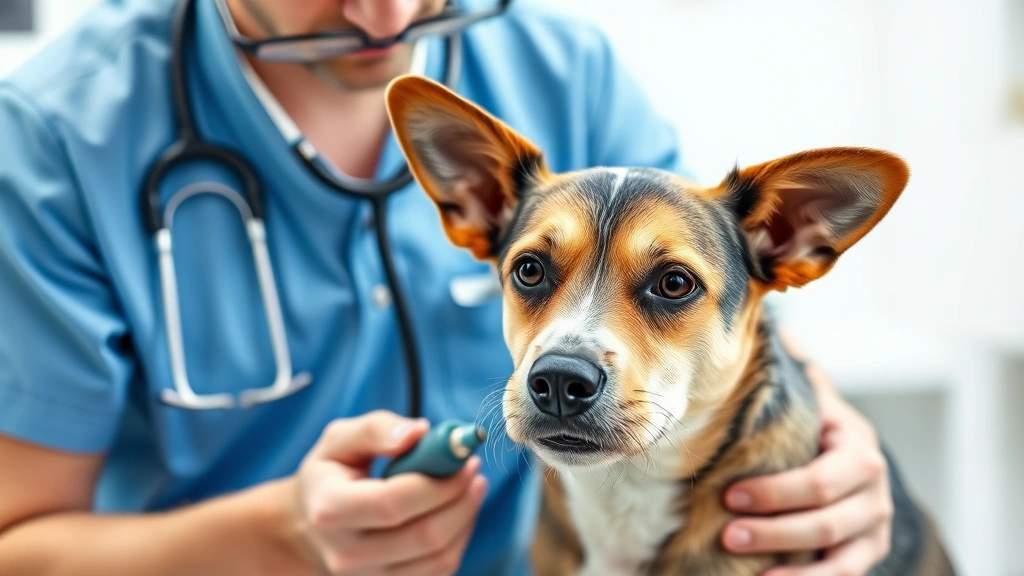
When you bring your dog to the vet with suspected heart disease, the examination typically includes a physical exam, listening to the heart with a stethoscope, and potentially diagnostic imaging. Your vet may recommend chest X-rays or an echocardiogram to visualize the heart’s structure and function.
Blood work can reveal secondary effects of heart disease, such as kidney or liver changes. An ECG may be performed to assess the heart’s electrical activity and rhythm. These tests provide a complete picture of your dog’s cardiac health.
Don’t hesitate to ask your vet questions about what the tests show and what treatment options are available. Understanding the diagnosis helps you make informed decisions about your dog’s care.
Managing Heart Disease: Treatment and Lifestyle Changes
Heart disease management often involves lifestyle modifications and supportive care. A heart-healthy diet tailored to your dog’s specific condition can significantly impact outcomes. Your vet may recommend reducing sodium intake and adjusting other nutritional factors.
Regular, gentle exercise becomes important—your vet can advise on appropriate activity levels for your specific dog. Maintaining a healthy weight reduces strain on the heart and improves overall health.
Stress reduction and a calm home environment support heart health. Many dogs with managed heart disease enjoy good quality of life for extended periods when their condition is properly monitored and treated.
When to Consider Telehealth: Convenient Peace of Mind
If you’re unsure whether your pet needs urgent care, a quick telehealth check-in can give you peace of mind—no appointment needed. The Pet Vet’s telehealth platform allows you to describe symptoms to a licensed veterinarian from home, helping you determine whether your dog needs an in-person exam or emergency care.
Telehealth is particularly helpful for follow-up questions about your dog’s condition between regular vet visits or for initial assessment of mild symptoms. It’s a convenient way to get professional guidance without the stress of a clinic visit.
Monitoring Your Dog at Home: What to Track
Once your dog has been diagnosed with heart disease, consistent home monitoring helps catch changes early. Keep a simple log of:
- Energy levels and activity tolerance
- Coughing episodes (frequency and time of day)
- Appetite and water intake
- Breathing rate and effort
- Any fainting or collapse incidents
Share this information with your vet at appointments. Changes in these metrics can indicate whether the current treatment plan is working or if adjustments are needed. Your observations provide valuable data that helps guide medical decisions.
Preventing Heart Disease: Proactive Steps You Can Take
While some heart disease is genetic and can’t be prevented, you can reduce risk factors through responsible pet ownership. Maintain your dog’s healthy weight through balanced nutrition and regular exercise. Prevent infections that could damage the heart by keeping vaccinations current.
Schedule regular veterinary checkups—annual for young dogs and twice yearly for seniors. These visits allow your vet to monitor heart health before problems develop. Discuss breed-specific health concerns with your vet so you know what to watch for.
Minimize stress in your dog’s environment and provide a calm, stable home life. These lifestyle factors support overall cardiovascular health.
Summary: Taking Action for Your Dog’s Heart Health
Dog heart disease when to see a vet depends on the specific symptoms your dog is experiencing. Early, subtle signs warrant a regular appointment within days. Moderate symptoms need prompt veterinary attention. Emergency symptoms require immediate care at an animal hospital.
The most important thing you can do is stay observant and trust your instincts about your dog’s health. You know your dog best, and noticing changes early gives you the best chance at managing heart disease successfully. Regular veterinary care, combined with attentive home monitoring, provides the foundation for helping your dog live their best life despite a heart condition diagnosis.
Frequently Asked Questions
How long can a dog live with heart disease?
Many dogs live months to years after a heart disease diagnosis with proper management. Early detection and treatment significantly improve outcomes and quality of life. Your vet can provide more specific information based on your dog’s condition.
Can dog heart disease be cured?
Most types of heart disease can’t be cured but can be effectively managed with treatment and lifestyle changes. Management focuses on slowing disease progression and maintaining your dog’s quality of life.
Is heart disease painful for dogs?
Heart disease itself isn’t typically painful, but the symptoms—difficulty breathing and fatigue—cause significant discomfort. Treatment aims to relieve these symptoms and improve your dog’s comfort.
What’s the difference between heart murmurs and heart disease?
A heart murmur is an abnormal sound the vet hears during examination. Some murmurs are innocent and don’t progress, while others indicate underlying heart disease. Your vet can determine which type your dog has.
Should I limit my dog’s exercise if they have heart disease?
Yes, but not eliminate it entirely. Your vet will recommend appropriate activity levels based on your dog’s specific condition. Gentle, regular exercise is often beneficial, while strenuous activity should be avoided.
What To Do Now
- Schedule a veterinary appointment if you’ve noticed any symptoms mentioned in this article. Even mild changes warrant professional evaluation, especially in senior dogs or breed-predisposed dogs.
- Start monitoring your dog at home by tracking energy levels, coughing, appetite, and breathing patterns. This information helps your vet assess your dog’s condition accurately.
- Review your dog’s medical history with your vet to discuss breed-specific risks and any family history of heart disease. Knowing these factors helps guide preventive care.
- Ask about heart health screening during your next vet visit, especially if your dog is over age seven or belongs to a breed prone to heart disease. Early detection makes a real difference.
- Consider a telehealth consultation if you’re uncertain about symptoms or need quick guidance. The Pet Vet can help you determine whether your dog needs immediate in-person care or if monitoring at home is appropriate.