
Discovering that your beloved dog may be facing dog kidney disease causes can feel overwhelming, especially when you’re not sure what signs to watch for or what might have led to this diagnosis. The good news? Understanding what causes kidney disease in dogs puts you in a powerful position to catch it early and give your pup the best possible care.
Table of Contents
- What Is Kidney Disease in Dogs?
- Age and Genetics: The Primary Risk Factors
- Infections and Toxins: Common Culprits Behind Dog Kidney Disease Causes
- High Blood Pressure and Heart Disease
- Dehydration and Urinary Issues
- Diabetes and Cushing’s Disease
- Autoimmune and Inflammatory Conditions
- Poor Nutrition and Dietary Imbalances
- Recognizing Early Signs of Kidney Disease
- Understanding Chronic vs. Acute Kidney Disease
- What You Can Do Now: 5 Actionable Steps
- Summary: Taking Control of Your Dog’s Kidney Health
- Frequently Asked Questions
This article is for informational purposes only and is not a substitute for professional veterinary advice. Always consult a licensed veterinarian for diagnosis and treatment.
What Is Kidney Disease in Dogs?
Kidney disease occurs when your dog’s kidneys—those vital bean-shaped organs—struggle to filter waste from the blood and regulate fluid balance. Think of the kidneys as your dog’s internal cleaning system. When they start to fail, harmful substances build up in the bloodstream, affecting your pup’s overall health and energy levels.
There are two main types: acute kidney injury (sudden onset) and chronic kidney disease (develops slowly over time). Both require prompt veterinary attention, though chronic cases are more common in older dogs.
Age and Genetics: The Primary Risk Factors
Senior dogs are at higher risk for kidney disease, with the condition becoming increasingly common after age seven. As dogs age, their kidney function naturally declines, making them more vulnerable to disease.
Certain breeds—including Cocker Spaniels, German Shepherds, and Bull Terriers—have a genetic predisposition to kidney problems. If your dog’s parents or siblings experienced kidney issues, your pup may inherit a similar vulnerability. This doesn’t mean your dog will definitely develop the disease, but it’s worth monitoring closely.
Infections and Toxins: Common Culprits Behind Dog Kidney Disease Causes
Bacterial infections, particularly urinary tract infections (UTIs) that spread to the kidneys, can trigger acute kidney damage. Left untreated, these infections damage kidney tissue and impair function.
Toxins pose another serious threat. Common household dangers include:
- Antifreeze (ethylene glycol)—extremely toxic even in small amounts
- Certain medications given at incorrect doses
- Grapes and raisins (can cause sudden kidney failure)
- Lilies and other toxic plants
- Heavy metals like lead or mercury
Accidental poisoning can happen quickly, so if you suspect your dog ingested something toxic, contact your vet or an emergency clinic immediately. Catching this early puts you in a great position to help your dog recover.
High Blood Pressure and Heart Disease
Hypertension (high blood pressure) damages delicate blood vessels in the kidneys over time, reducing their ability to filter waste effectively. Dogs with heart disease often develop secondary kidney problems as their cardiovascular system struggles to maintain proper kidney perfusion.
Regular blood pressure checks during routine vet visits can help catch hypertension before it damages your dog’s kidneys. If your dog has existing heart disease, your vet may recommend additional kidney monitoring.

Dehydration and Urinary Issues
Chronic dehydration stresses the kidneys and can accelerate kidney disease progression. Dogs who don’t drink enough water are at higher risk, especially during hot weather or if they’re not encouraged to hydrate regularly.
Urinary blockages—where urine backs up into the kidneys—can cause acute kidney injury. Male dogs are particularly susceptible to urinary obstructions. Signs include straining to urinate, frequent attempts with little output, or inability to urinate at all. This is a medical emergency requiring immediate veterinary care.
Diabetes and Cushing’s Disease
Uncontrolled diabetes damages blood vessels in the kidneys, leading to protein loss and eventual kidney failure. Dogs with diabetes require careful management to protect their kidney function long-term.
Cushing’s disease (hyperadrenocorticism) increases blood pressure and protein loss through urine, both of which harm kidney health. Managing these endocrine conditions helps slow kidney disease progression.
Autoimmune and Inflammatory Conditions
Some dogs develop glomerulonephritis, an autoimmune condition where the immune system attacks kidney tissue. This causes inflammation and protein leakage into urine, gradually destroying kidney function.
Certain infections like leptospirosis can trigger immune-mediated kidney damage. Keeping your dog’s vaccinations current helps prevent some of these infections. If your dog is showing signs of kidney disease, your vet may run tests to identify underlying autoimmune causes.
Poor Nutrition and Dietary Imbalances
Excessive dietary phosphorus and sodium can accelerate kidney disease in susceptible dogs. While high-protein diets don’t cause kidney disease, they may stress already-compromised kidneys.
Dogs fed low-quality diets lacking essential nutrients may develop nutritional deficiencies that impact kidney health. Working with your vet to choose a kidney-friendly diet—especially if your dog has been diagnosed—can significantly slow disease progression. Check out our guide on foods dogs should avoid to understand dietary risks better.
Recognizing Early Signs of Kidney Disease
Catching kidney disease early makes a tremendous difference in your dog’s quality of life. Early signs often include increased thirst, more frequent urination, weight loss, and decreased appetite. Your dog might also seem more lethargic or have a dull coat.
If you notice these changes, schedule a vet appointment promptly. Blood work and urinalysis can reveal kidney problems before symptoms become severe. Learn more about what to watch for in our article on dog kidney disease early signs.
Understanding Chronic vs. Acute Kidney Disease
Chronic kidney disease develops gradually, often over months or years. It’s more common in older dogs and progresses at different rates depending on the underlying cause and your dog’s overall health.
Acute kidney injury appears suddenly—sometimes within days—and can result from toxin exposure, severe dehydration, or infections. Acute cases require emergency care but may be reversible if treated quickly. For more detailed information, explore our comprehensive guide on renal failure in dogs.
What You Can Do Now: 5 Actionable Steps
- Schedule a vet checkup—If your dog is showing any signs of kidney disease or is over age seven, arrange a wellness exam with blood work and urinalysis to establish a baseline.
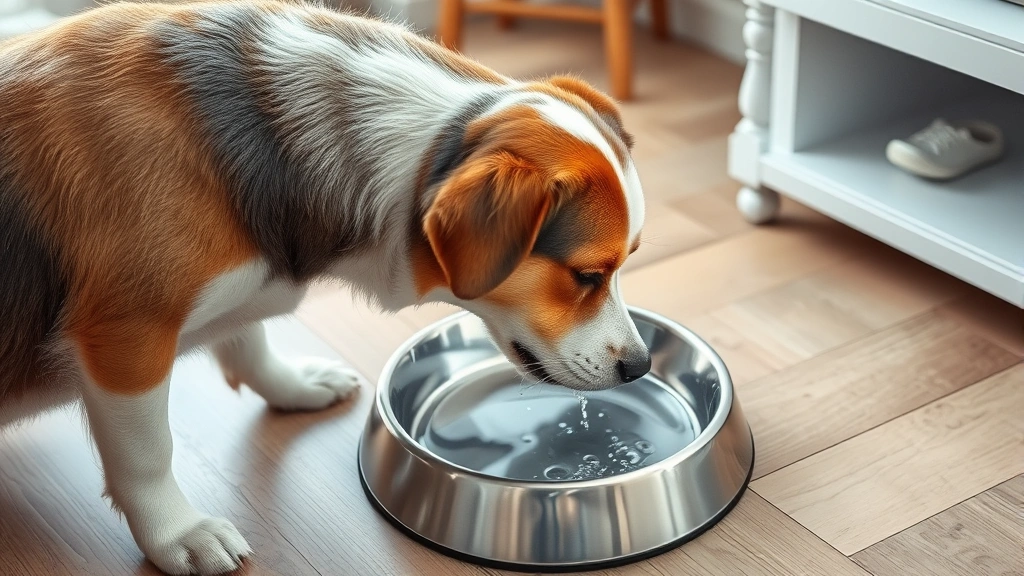
- Ensure fresh water access—Keep multiple water bowls throughout your home and encourage drinking, especially during warm months. Proper hydration supports kidney function.
- Review your dog’s diet—Discuss nutrition with your vet, especially if your dog has been diagnosed with kidney disease. Prescription kidney diets are formulated to reduce kidney workload.
- Remove household toxins—Secure antifreeze, medications, toxic plants, and other hazards where your dog cannot access them.
- Consider a telehealth consultation—If you’re unsure whether your pet needs urgent care or want to discuss symptoms before visiting the clinic, a quick telehealth check-in with The Pet Vet can give you peace of mind and guidance—no appointment needed.
Summary: Taking Control of Your Dog’s Kidney Health
Understanding dog kidney disease causes—from age and genetics to infections and toxins—empowers you to protect your pup’s health. While some risk factors like breed predisposition can’t be changed, many can be managed through proper hydration, quality nutrition, regular vet checkups, and prompt treatment of infections or health conditions.
Early detection is your strongest ally. Dogs diagnosed with kidney disease in early stages often live comfortably for years with proper management and veterinary care. Your awareness and proactive approach make all the difference in your dog’s quality of life.
Frequently Asked Questions
Can kidney disease in dogs be prevented?
While you can’t prevent genetic kidney disease, you can reduce risk by maintaining proper hydration, feeding quality nutrition, keeping your dog at a healthy weight, and managing conditions like diabetes or hypertension. Regular vet checkups catch problems early.
How quickly does kidney disease progress in dogs?
Progression varies widely. Chronic kidney disease may develop slowly over years, while acute kidney injury can occur within days. Your vet can estimate progression based on blood work and your dog’s specific situation.
Is kidney disease fatal in dogs?
Kidney disease is serious but not immediately fatal if caught and managed early. Many dogs live comfortably for years with proper treatment, diet changes, and monitoring. Advanced stages are more challenging but still manageable with veterinary support.
What foods should I avoid if my dog has kidney disease?
Avoid high-phosphorus foods, excessive salt, and high-protein diets unless specifically recommended by your vet. Prescription kidney diets are formulated to support kidney health. Always consult your veterinarian before making dietary changes.
How often should my senior dog be screened for kidney disease?
Dogs over age seven should have annual wellness exams including blood work and urinalysis. Dogs with risk factors or existing health conditions may need screening every six months. Your vet will recommend the best schedule for your dog.
Ready to learn more? Explore our resources on recognizing early signs and managing renal failure to stay informed about your dog’s kidney health. If you have concerns about your dog’s health, The Pet Vet’s telehealth team is here to help with guidance and peace of mind.