
Noticing changes in your dog’s behavior or appetite can be worrying, and dog liver disease early signs are often subtle enough that many pet owners miss them at first. The liver is one of your dog’s hardest-working organs, filtering toxins and producing essential proteins—so when something goes wrong, catching it early makes all the difference in your pup’s recovery and quality of life.
Table of Contents
- Why Your Dog’s Liver Matters So Much
- 1. Yellowing of the Eyes and Skin (Jaundice)
- 2. Loss of Appetite and Weight Loss
- 3. Excessive Thirst and Increased Urination
- 4. Vomiting and Diarrhea
- 5. Lethargy and Behavioral Changes
- 6. Abdominal Swelling or Tenderness
- 7. Pale or Discolored Gums
- Other Warning Signs to Monitor
- Common Causes of Liver Disease in Dogs
- When to Seek Veterinary Care
- Diagnosis: What Your Vet Will Do
- Treatment and Next Steps
- Prevention: Keeping Your Dog’s Liver Healthy
- Frequently Asked Questions
- Summary: Taking Action on Dog Liver Disease Early Signs
- What To Do Now
This article is for informational purposes only and is not a substitute for professional veterinary advice. Always consult a licensed veterinarian for diagnosis and treatment.
If you’ve noticed your dog acting a bit off lately, you’re in the right place. Let’s walk through what you need to know about recognizing liver problems before they become serious.
Why Your Dog’s Liver Matters So Much
Your dog’s liver does incredible work every single day. It detoxifies harmful substances, produces bile to help with digestion, stores vitamins and glucose, and creates blood clotting factors. When the liver isn’t functioning properly, these critical jobs start to slip.
Liver disease in dogs can develop slowly over months or years, or sometimes it strikes suddenly. Either way, understanding the early warning signs puts you in the best position to help your furry friend get the care they need.
1. Yellowing of the Eyes and Skin (Jaundice)
One of the most visible early signs of dog liver disease is a yellowish tint to your dog’s eyes, gums, or the inner flaps of their ears. This happens when the liver can’t process bilirubin properly, causing it to build up in the bloodstream.
Jaundice is your dog’s way of sending an SOS signal. If you notice this discoloration, it’s time to contact your veterinarian right away. Catching this early puts you in a great position to help.
2. Loss of Appetite and Weight Loss
Dogs with liver problems often lose interest in their favorite meals. You might notice your pup turning away from food they normally devour, or eating only small amounts.
Weight loss follows when appetite drops. This combination—especially if it happens over weeks—suggests something is off internally. Some dogs may also develop pickiness about certain foods or textures.
3. Excessive Thirst and Increased Urination
If your dog is suddenly asking to go outside more frequently or drinking water like never before, liver disease could be at play. The liver regulates fluid balance, so dysfunction can trigger polydipsia (excessive thirst) and polyuria (frequent urination).
You might notice your water bowl emptying faster or more frequent bathroom breaks. These changes warrant a vet visit to rule out liver and other systemic issues.
4. Vomiting and Diarrhea
Digestive upset is another common early sign. Your dog may experience vomiting, diarrhea, or both. The frequency might be occasional at first, then become more regular.
Because digestive issues can stem from many causes, it’s important to mention the timing and frequency to your vet. If vomiting or diarrhea persists for more than a day or two, don’t wait—reach out to your veterinarian.
5. Lethargy and Behavioral Changes
A dog with liver disease often seems unusually tired or withdrawn. Your normally playful pup might lose interest in walks, toys, or family activities. Some dogs become less responsive or seem confused.
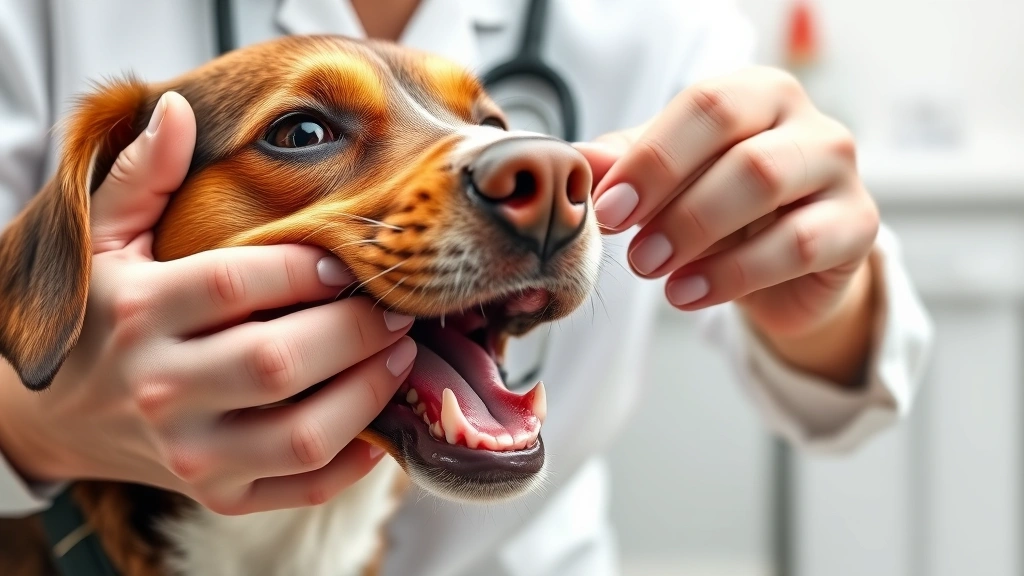
These behavioral shifts happen because the liver isn’t processing toxins effectively, which can affect brain function. If your dog’s personality seems different, that’s worth discussing with your vet.
6. Abdominal Swelling or Tenderness
Fluid can accumulate in the abdomen when the liver isn’t working properly, a condition called ascites. You might notice your dog’s belly looks bloated or feels tight when you gently touch it.
Some dogs may also show signs of abdominal pain—reluctance to jump, difficulty getting comfortable, or sensitivity when their belly is touched. These signs suggest your pup needs professional evaluation soon.
7. Pale or Discolored Gums
Healthy dog gums are pink. If your dog’s gums look pale, white, or even grayish, it could indicate liver disease or related complications like hypoalbuminemia in dogs, where low protein levels affect blood health.
Gently lift your dog’s lip and check their gum color regularly. This simple habit can help you spot changes early.
Other Warning Signs to Monitor
Beyond the seven main symptoms, watch for these additional red flags:
- Bad breath or a metallic smell to the mouth
- Bruising or bleeding (nosebleeds, bleeding gums)
- Disorientation or stumbling
- Seizures (in advanced cases)
- Dry or flaky skin
- Dull, brittle coat
No single sign guarantees liver disease, but several of these together warrant immediate veterinary attention.
Common Causes of Liver Disease in Dogs
Understanding what causes liver problems can help you take preventive steps. Common culprits include:
- Infections: Bacterial, viral, or parasitic infections can damage liver tissue
- Toxins: Certain foods, plants, medications, and chemicals are toxic to the liver
- Genetics: Some breeds are predisposed to liver conditions
- Age: Older dogs are at higher risk for liver disease
- Poor diet: Nutrition plays a major role in liver health. Learn more about feeding your dog well by reading about can dogs eat human food scraps
- Obesity: Extra weight stresses the liver
- Underlying conditions: Diabetes and kidney disease can affect liver function
If your dog has any risk factors, talk to your vet about preventive care and regular screening.
When to Seek Veterinary Care
Don’t wait if you notice any combination of these symptoms. Schedule a vet appointment right away if your dog shows:
- Jaundice (yellow eyes or skin)
- Persistent vomiting or diarrhea lasting more than 24 hours
- Sudden loss of appetite
- Difficulty walking or confusion
- Abdominal swelling
- Seizures
If you’re unsure whether your pet needs urgent care, a quick telehealth check-in with The Pet Vet can give you peace of mind—no appointment needed. Our veterinarians can help you assess symptoms and determine next steps from the comfort of your home.
Diagnosis: What Your Vet Will Do
When you bring your dog in, your vet will perform a thorough physical exam and likely recommend blood work and imaging. These tests measure liver enzymes, protein levels, and overall organ function.
Ultrasound or other imaging helps visualize the liver’s structure and rule out tumors or other abnormalities. In some cases, a liver biopsy may be needed for a definitive diagnosis. Your vet will explain which tests are right for your dog.

Treatment and Next Steps
Treatment depends on the underlying cause and severity of the disease. Some dogs respond well to dietary changes, medications, and supplements that support liver function.
Your vet may recommend a specialized diet—sometimes a homemade renal diet or prescription liver-support food—along with medications to manage symptoms. The goal is to reduce stress on the liver and allow it to heal.
In some cases, treating an underlying condition (like dog kidney disease symptoms or diabetes) helps the liver recover. Your vet will create a personalized treatment plan based on your dog’s specific situation.
Prevention: Keeping Your Dog’s Liver Healthy
While you can’t prevent all liver disease, these steps reduce risk:
- Feed a balanced diet: Choose high-quality dog food with proper protein and nutrients
- Maintain a healthy weight: Obesity stresses the liver
- Limit toxins: Keep human foods, medications, and chemicals away from your dog
- Stay current on vaccinations: This protects against infectious diseases
- Regular vet checkups: Especially for senior dogs and those with health conditions
- Provide fresh water: Proper hydration supports liver function
These simple habits go a long way in protecting your pup’s liver health.
Frequently Asked Questions
What is the most common cause of liver disease in dogs?
Chronic hepatitis and genetic conditions are among the most common causes, but infections, toxins, and age-related degeneration also play major roles. Your vet can identify the specific cause through testing.
Can liver disease in dogs be cured?
It depends on the cause. Some liver conditions are reversible with early treatment, while others are manageable but chronic. Early detection gives your dog the best chance at recovery or long-term quality of life.
How long can a dog live with liver disease?
Lifespan varies widely based on the severity, cause, and how quickly treatment begins. Some dogs live comfortably for years with proper management, while others may decline more quickly. Your vet can give you a better estimate for your individual dog.
Are certain dog breeds more prone to liver disease?
Yes, some breeds like Bedlington Terriers, Doberman Pinschers, and Labrador Retrievers have genetic predispositions to liver disease. If your dog is one of these breeds, discuss preventive screening with your vet.
What should I feed a dog with liver disease?
Your vet may recommend a prescription liver-support diet or suggest options like a homemade renal diet tailored to support liver function. Never change your dog’s diet without veterinary guidance, as nutrition directly impacts liver health.
Summary: Taking Action on Dog Liver Disease Early Signs
Recognizing dog liver disease early signs gives your furry friend the best chance at a positive outcome. Watch for yellowing of the eyes, loss of appetite, excessive thirst, vomiting, lethargy, abdominal swelling, and pale gums.
If you notice any of these symptoms, don’t hesitate to contact your veterinarian. Early intervention can slow disease progression and improve your dog’s quality of life significantly. You know your dog best—trust your instincts and advocate for their health.
What To Do Now
- Schedule a vet appointment: If your dog shows any of the seven symptoms mentioned, call your veterinarian today or book a telehealth consultation with The Pet Vet for a quick assessment
- Document symptoms: Write down when symptoms started, how often they occur, and any other changes you’ve noticed—this helps your vet make an accurate diagnosis
- Check gum color: Lift your dog’s lip and note the gum color; pale or yellow gums warrant immediate veterinary attention
- Review diet: Evaluate your dog’s current food and discuss nutrition with your vet, especially if your dog has risk factors for liver disease
- Plan preventive care: If your dog is healthy, schedule regular checkups and discuss liver health screening, especially if your dog is a breed predisposed to liver conditions
Your dog is counting on you to notice these signs and act quickly. You’ve got this, and The Pet Vet is here to support you every step of the way.