
When your dog is struggling with liver disease, every meal matters—and knowing which dog liver disease foods to avoid could be the difference between slow decline and steady recovery. If your vet has recently diagnosed your pup with liver problems, you’re probably feeling anxious about what’s safe to feed them. The good news? You’re not alone, and with the right guidance, you can absolutely create a liver-friendly diet that keeps your best friend thriving.
Table of Contents
- Why Diet Matters When Your Dog Has Liver Disease
- The 7 Most Dangerous Foods for Dogs With Liver Disease
- Understanding Your Dog’s Nutritional Needs With Liver Disease
- Reading Food Labels: What to Look For and What to Avoid
- Homemade Diets: Safety and Considerations
- Treats and Training: Safe Alternatives for Dogs With Liver Disease
- Working With Your Vet on a Liver-Friendly Feeding Plan
- Signs Your Current Diet Isn’t Working
- Creating a Sustainable Long-Term Feeding Strategy
- Frequently Asked Questions
- What To Do Now
- Summary: Protecting Your Dog’s Liver Through Diet
This article is for informational purposes only and is not a substitute for professional veterinary advice. Always consult a licensed veterinarian for diagnosis and treatment.
Why Diet Matters When Your Dog Has Liver Disease
Your dog’s liver is like their body’s cleanup crew—it filters toxins, processes nutrients, and keeps everything running smoothly. When the liver isn’t working properly, certain foods can pile extra stress on an already struggling organ. That’s why avoiding the wrong foods is just as important as choosing the right ones.
A liver-conscious diet reduces the workload on the liver, helps manage inflammation, and supports your dog’s overall quality of life. Think of it as giving your pup’s liver a well-deserved break so it can focus on healing.

The 7 Most Dangerous Foods for Dogs With Liver Disease
1. High-Fat Foods and Fatty Cuts of Meat
Fatty foods are one of the biggest culprits when it comes to liver stress. When a dog’s liver isn’t functioning optimally, it struggles to process and metabolize fats efficiently. This can lead to buildup in the liver and worsen inflammation.
Foods to avoid:
- Bacon and fatty pork
- Beef ribs and brisket
- Chicken skin
- Butter and fatty oils
- Fried foods of any kind
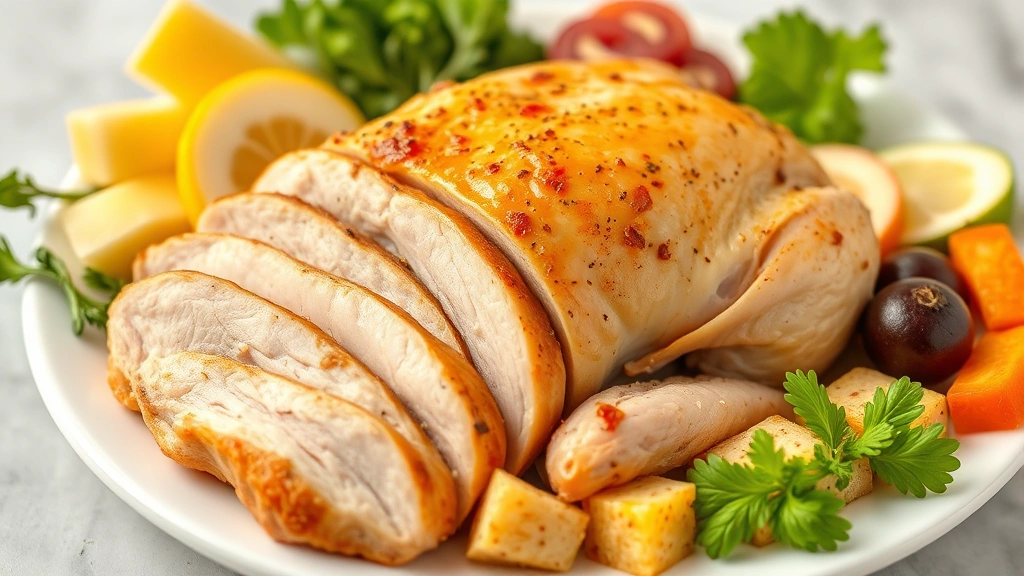
Instead, opt for lean proteins like skinless chicken breast, lean turkey, or fish. Your vet may also recommend specific low-fat prescription diets designed for liver support.

2. Onions and Garlic
These common kitchen staples contain compounds called thiosulfates that can damage your dog’s red blood cells and cause hemolytic anemia. For a dog with liver disease—whose body is already compromised—this added stress can be dangerous.
Even small amounts in cooked form can accumulate in your dog’s system. Always check ingredient lists on store-bought treats and foods, as onions and garlic often hide in prepared meals.
3. Salty and Processed Foods
Excessive sodium can increase fluid retention and put strain on the liver and kidneys. Processed foods like deli meats, canned soups, and salty snacks are loaded with sodium that your dog’s compromised liver simply can’t handle well.

Read labels carefully. If sodium content isn’t listed, assume commercial treats and table scraps are too salty for a dog with liver disease.
4. Alcohol and Xylitol-Containing Products
Alcohol is toxic to dogs’ livers and can cause severe damage even in tiny amounts. Xylitol, a sugar substitute found in sugar-free baked goods, peanut butter, and candy, is also extremely hepatotoxic (liver-damaging).
Keep your pup away from any foods containing these ingredients. If your dog accidentally ingests alcohol or xylitol, contact your vet or an emergency clinic immediately.
5. Chocolate and Caffeine
Chocolate contains theobromine and caffeine, both of which are metabolized by the liver. A dog with liver disease may experience toxicity at lower levels than a healthy dog would.
This includes dark chocolate, baking chocolate, and even some energy bars. When in doubt, keep it away from your pup.
6. Corn and Wheat (in Excess)
While not inherently toxic, corn and wheat are harder for a compromised liver to process efficiently. They can also trigger inflammation in some dogs. Many veterinarians recommend limiting grain content in dogs with liver disease.
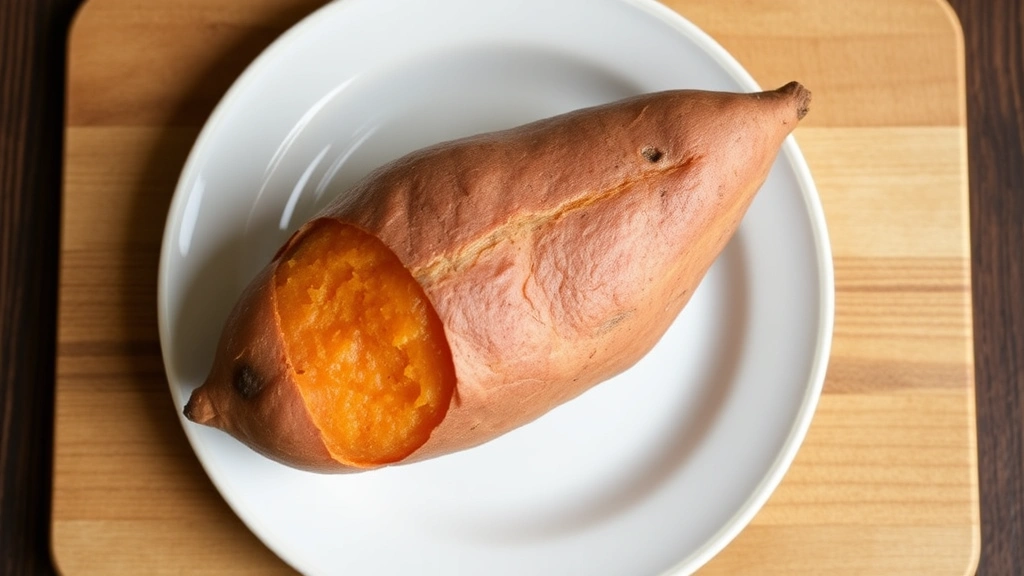
Look for limited-ingredient diets or grain-free options (when recommended by your vet). Some dogs do better on diets emphasizing easily digestible carbohydrates like sweet potato or rice.
7. Certain Supplements and Medications Without Vet Approval
Just because something is “natural” or labeled as a supplement doesn’t mean it’s safe for a dog with liver disease. Some supplements can actually strain the liver further or interact negatively with prescribed medications.
Always get your vet’s green light before adding any supplement, vitamin, or herbal product to your dog’s routine. This includes popular options like turmeric, milk thistle, or fish oil.
Understanding Your Dog’s Nutritional Needs With Liver Disease
Dogs with liver disease often need a diet that’s carefully balanced in protein, fat, and other nutrients. Your vet might recommend a prescription diet specifically formulated for hepatic support.
The goal is to provide enough high-quality protein to maintain muscle mass without overloading the liver. Fat should be restricted but not eliminated entirely, since some fat is essential for nutrient absorption.
Reading Food Labels: What to Look For and What to Avoid
Becoming a label detective is one of the best skills you can develop as a pet parent managing liver disease. Here’s what to check:
- Protein source: Look for named, lean proteins (chicken, turkey, fish) listed first.
- Fat content: Should be on the lower end—typically under 12% for liver disease diets.
- Sodium levels: Aim for less than 0.5% on a dry matter basis.
- Ingredient list: Avoid onions, garlic, xylitol, and artificial preservatives.
- AAFCO statement: Ensures the food meets basic nutritional standards.
Many commercial dog foods marketed as “complete and balanced” may still contain ingredients that stress a liver-compromised dog. Don’t rely on marketing alone—always read the fine print.
Homemade Diets: Safety and Considerations
Some pet parents want to prepare homemade meals for their dogs with liver disease. While this can work, it requires careful planning to ensure your dog gets all necessary nutrients.
If you’re considering a homemade diet, consult with your veterinarian or a veterinary nutritionist to create a balanced recipe. Homemade meals without proper nutritional guidance can actually make liver disease worse by creating deficiencies.

Your vet can provide recipes or connect you with a specialist who can formulate a plan tailored to your dog’s specific condition.
Treats and Training: Safe Alternatives for Dogs With Liver Disease
Just because your dog has liver disease doesn’t mean you can’t give treats or use them for training. You just need to be strategic about choices.
Safe treat options:

- Small pieces of plain, cooked chicken breast
- Carrots (raw or lightly cooked)
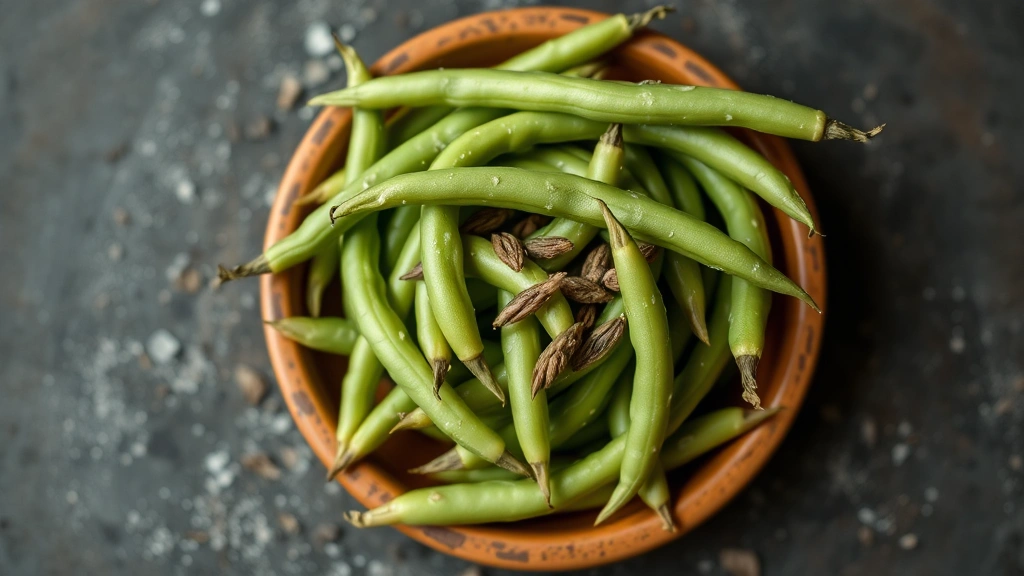
- Green beans
- Plain pumpkin (not pie filling)
- Apple slices (without seeds)
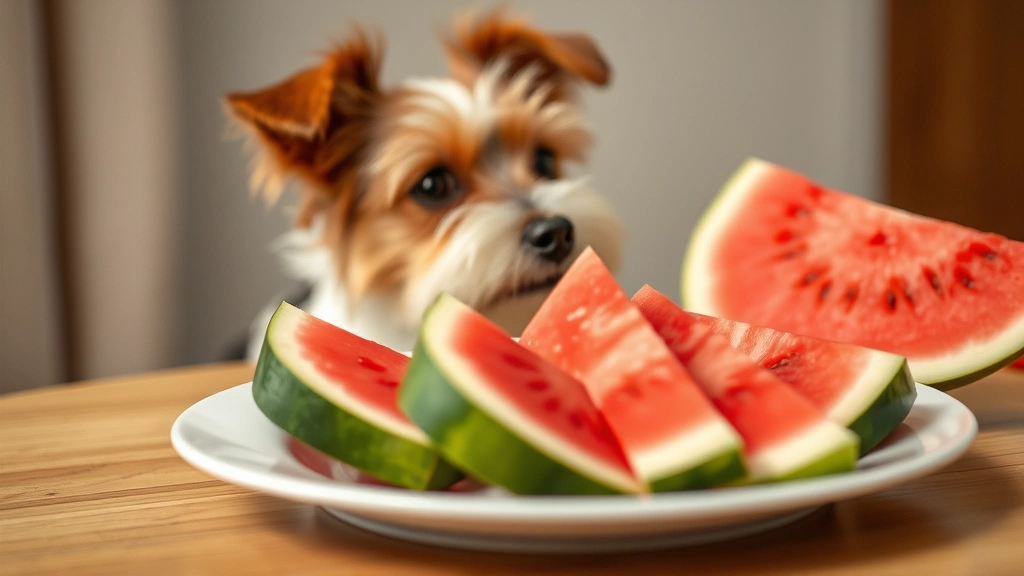
- Watermelon (seedless)
Keep treats to less than 10% of your dog’s daily caloric intake. This rule becomes even more important with liver disease, where every calorie counts and needs to support healing rather than stress.
Working With Your Vet on a Liver-Friendly Feeding Plan
Your veterinarian is your best resource for creating a personalized feeding strategy. They understand your dog’s specific liver condition, severity, and any other health issues at play.
Come prepared to your vet appointments with questions about diet. Ask specifically about prescription foods, portion sizes, meal frequency, and whether supplements are appropriate. If you’re unsure whether your pet needs urgent care or dietary guidance, a quick telehealth check-in can give you peace of mind—no appointment needed.
Signs Your Current Diet Isn’t Working
Even with the best intentions, sometimes a diet needs adjustment. Watch for these warning signs that your dog’s food plan may need tweaking:
- Worsening lethargy or weakness
- Loss of appetite or increased appetite
- Vomiting or diarrhea
- Yellowing of the gums or eyes (jaundice)
- Swelling in the abdomen
- Behavioral changes or confusion
If you notice any of these, contact your vet promptly. Catching dietary issues early puts you in a great position to adjust and support your dog’s liver health.
Creating a Sustainable Long-Term Feeding Strategy
Managing a dog with liver disease is a marathon, not a sprint. You’ll need a feeding plan that’s sustainable for your household and your budget while still meeting your pup’s health needs.

Work with your vet to find a balance between prescription diets (which are formulated for liver support but can be pricey) and carefully selected commercial or homemade options. Some families do a combination—using prescription food as the base and adding approved fresh foods for variety.
Keep detailed notes on what you feed your dog, how they respond, and any changes in their condition. This information becomes invaluable during vet visits and helps you spot patterns over time.
Frequently Asked Questions
Can my dog ever eat normal food again if they have liver disease?
It depends on the severity and type of liver disease. Some dogs may tolerate a wider variety of foods as their condition stabilizes with treatment, while others need lifelong dietary restrictions. Your vet will guide you based on your dog’s individual prognosis.
Is prescription food really necessary for liver disease?
Prescription diets are specifically formulated to support liver function, but they’re not the only option. Some dogs do well on high-quality commercial diets or carefully planned homemade meals, as long as they meet your vet’s nutritional guidelines.
How often should I feed a dog with liver disease?
Many dogs with liver disease benefit from smaller, more frequent meals—often three to four times daily instead of one or two. This reduces the workload on the liver at any single time. Ask your vet about the best feeding schedule for your pup.
What if my dog refuses the liver-friendly food?
Picky eating is common when switching to a therapeutic diet. Try warming the food, mixing in a small amount of low-sodium broth, or introducing the new food gradually over 7-10 days. If your dog still refuses it, talk to your vet about alternatives.
Are there any supplements that actually help liver disease in dogs?
Some supplements like milk thistle or S-adenosyl methionine (SAMe) have been studied for liver support, but they’re not a substitute for proper diet and veterinary treatment. Always get your vet’s approval before starting any supplement.
What To Do Now
- Schedule a consultation with your vet to discuss your dog’s specific liver condition and get a personalized feeding plan. Bring a list of current foods and treats your dog is eating.
- Review your dog’s current food and treats against the seven dangerous foods listed above. Remove any items that contain prohibited ingredients from your home.
- Create a food diary documenting what you feed your dog daily, portion sizes, and any behavioral or health changes you observe. Share this with your vet at follow-up appointments.
- Research prescription diets your vet recommends and compare options for cost, availability, and your dog’s preferences. Ask about samples before committing to a full bag.
- Educate your family about liver disease diet restrictions so everyone in your household knows what your dog can and cannot eat. This prevents accidental exposure to harmful foods.
Summary: Protecting Your Dog’s Liver Through Diet
Managing dog liver disease foods to avoid is one of the most powerful ways you can support your pup’s health and extend their quality time with you. By steering clear of high-fat foods, onions, garlic, salt, alcohol, xylitol, chocolate, and unnecessary supplements, you’re removing major stressors from an already compromised organ.
Remember, every dog’s liver disease is unique. What works for one dog may not work for another, which is why partnering closely with your veterinarian is essential. They can recommend the best diet, monitor your dog’s response, and adjust the plan as needed.
Your dog is lucky to have an owner who cares enough to learn about proper nutrition during this challenging time. With patience, consistency, and the right food choices, you’re giving your best friend the best chance at a comfortable, happy life.
For more detailed information about recognizing liver problems early, check out our guide on dog liver disease symptoms and explore dog liver disease treatment options to understand the full picture of your pup’s care.
If you have questions about your dog’s diet or notice concerning changes, don’t hesitate to reach out to your vet or use our telehealth service for quick guidance. Your peace of mind matters, and so does your dog’s health.