
If your dog has been diagnosed with liver disease, you’re probably feeling overwhelmed—and that’s completely understandable. Learning about dog liver disease medication dosage guide information can feel like stepping into unfamiliar territory, but understanding how medications work is one of the most powerful ways you can support your furry friend’s recovery and quality of life.
Table of Contents
- Understanding Canine Liver Disease and Medication Needs
- Why Your Vet Won’t Give You Exact Dosages (And Why That’s Actually Good)
- Common Medications for Canine Liver Disease
- How to Work With Your Veterinarian on Medication Plans
- Administering Medications Safely and Consistently
- Monitoring Your Dog’s Response to Treatment
- Understanding Lab Work and Medication Adjustments
- Managing Side Effects and Drug Interactions
- Cost Considerations and Medication Access
- When to Seek Emergency Care vs. Telehealth Support
- Long-Term Medication Management and Prognosis
- Frequently Asked Questions
- What To Do Now
- Summary: Taking Control of Your Dog’s Liver Disease Treatment
This article is for informational purposes only and is not a substitute for professional veterinary advice. Always consult a licensed veterinarian for diagnosis and treatment.
The good news? You’re not alone in this journey, and there are proven approaches that help dogs with liver disease thrive. Let’s walk through what you need to know about medications, how they work, and what to expect as your dog receives treatment.
Understanding Canine Liver Disease and Medication Needs
Liver disease in dogs can range from mild to severe, and the medications your vet prescribes depend entirely on your dog’s specific condition, age, weight, and overall health. Think of your dog’s liver as a filter—when it’s not working properly, toxins build up in the body and cause problems.
Your veterinarian will perform blood tests, ultrasounds, and possibly a liver biopsy to determine the exact type of liver disease your dog has. This diagnosis is crucial because it guides every medication decision moving forward. Catching this early puts you in a great position to help your dog feel better faster.
Common types include hepatitis, cirrhosis, fatty liver disease, and cholestasis. Each type may require different treatment approaches, so never assume one dog’s medication plan will work for another.
Why Your Vet Won’t Give You Exact Dosages (And Why That’s Actually Good)
You might be searching for specific medication dosages online, and here’s what’s important to understand: legitimate veterinarians won’t provide exact dosing information for liver disease medications without examining your individual dog. This isn’t them being difficult—it’s them protecting your pet’s safety.
Dosages depend on multiple factors including your dog’s weight, kidney function, liver enzyme levels, and whether your dog is taking other medications. A dose that’s perfect for a 50-pound Golden Retriever could be dangerous for a 10-pound Chihuahua with the same diagnosis.
Your vet has access to your dog’s complete medical history and recent lab work. They’re making personalized recommendations based on real data, not generic guidelines. Trust that process.
Common Medications for Canine Liver Disease
While we won’t discuss specific dosages, understanding what medications typically help can give you confidence in your vet’s recommendations. Here are the major categories:
- Hepatoprotectants: These protect liver cells and support healing. Milk thistle, SAMe, and ursodeoxycholic acid are examples that may be recommended.
- Antibiotics: If bacterial infection or overgrowth is contributing to liver disease, antibiotics might be prescribed. Your vet will choose based on culture results when possible.
- Digestive aids: Pet antacids and other digestive supports help manage secondary symptoms like nausea and poor appetite.
- Diuretics: For dogs with fluid buildup, these medications help remove excess fluid safely.
- Supplements: Vitamins, minerals, and amino acids support liver function. Many vets recommend specialized liver support supplements.
Some dogs need just one medication, while others benefit from a combination approach. This is completely normal and often necessary for optimal results.
How to Work With Your Veterinarian on Medication Plans
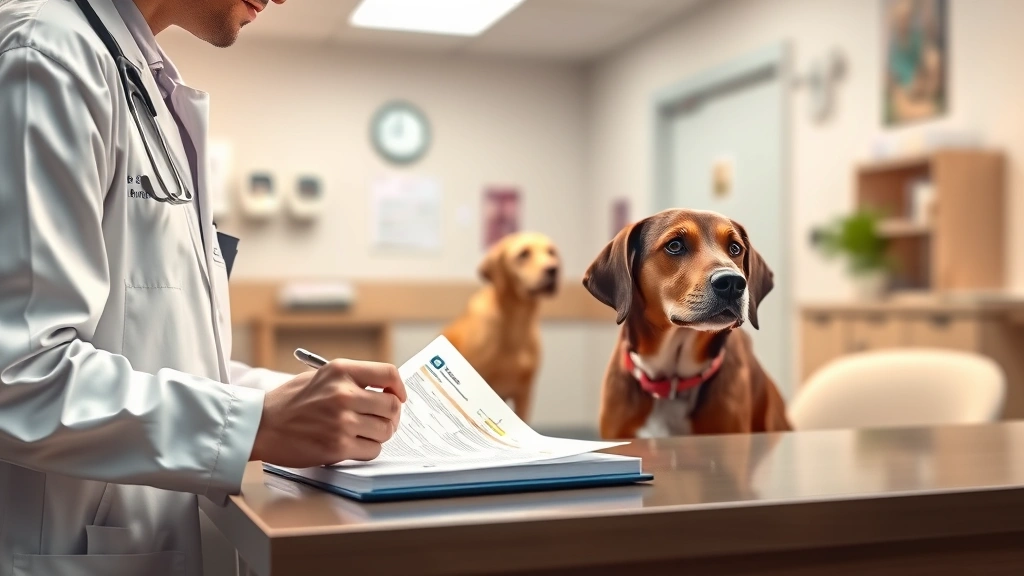
The best medication plan is one you and your vet create together through clear communication. When your vet recommends medications, ask these important questions:
- What is this medication designed to do for my dog’s specific condition?
- What side effects should I watch for?
- How will we know if this medication is working?
- When should we recheck bloodwork to assess progress?
- Are there any foods, supplements, or other medications that interact with this?
Write down the answers and keep them in a folder with your dog’s medical records. This becomes your reference guide and helps you spot patterns or concerns.
Administering Medications Safely and Consistently
Consistency matters enormously with liver disease medications. Missing doses or giving them irregularly can reduce their effectiveness and make it harder to assess whether treatment is working.

Create a medication schedule that fits your routine. Many pet parents use phone reminders, pill organizers, or calendar markings to stay on track. Some medications need to be given with food, while others work better on an empty stomach—your vet will specify this.
If your dog refuses a medication, don’t just skip it. Contact your vet immediately. They may be able to switch to a different form (liquid instead of pill, for example) or recommend ways to make administration easier. Dog liver disease home treatment strategies often include medication management techniques.
Monitoring Your Dog’s Response to Treatment
The first few weeks on medication are crucial for assessing how your dog is responding. Keep a simple log noting:
- Energy levels and activity
- Appetite and eating habits
- Vomiting, diarrhea, or digestive changes
- Jaundice (yellowing of gums, whites of eyes, or skin)
- Changes in drinking or urination
- Weight changes
Share this information with your vet at follow-up appointments. These observations help them decide whether to continue, adjust, or change medications. You’re your dog’s best advocate because you see them every single day.
Understanding Lab Work and Medication Adjustments
Your vet will schedule regular bloodwork—typically every 4-8 weeks initially—to monitor liver enzymes, kidney function, and overall health. These numbers tell the story of whether medications are working.
Improving liver enzyme levels mean the treatment plan is helping. If levels aren’t improving or are worsening, your vet might adjust medications, add new ones, or investigate whether something else is happening. This isn’t failure—it’s the normal process of finding what works best for your individual dog.
Ask your vet to explain what the numbers mean in simple terms. Understanding these results helps you feel more confident and informed about your dog’s care.
Managing Side Effects and Drug Interactions
Most dogs tolerate liver disease medications well, but side effects can happen. Some medications cause mild stomach upset, while others might affect appetite or energy levels. Most side effects improve within a few days as the body adjusts.
However, if your dog experiences severe vomiting, diarrhea, lethargy, or allergic reactions (swelling, difficulty breathing), contact your vet immediately. These warrant urgent evaluation.
Always tell your vet about any supplements, over-the-counter medications, or other treatments your dog receives. Some combinations can reduce effectiveness or create safety concerns. Your vet needs the complete picture.
Cost Considerations and Medication Access
Liver disease treatment can involve multiple medications, which affects your budget. Have an honest conversation with your vet about costs. Many practices offer generic alternatives or can help you access medications through different pharmacies to find better pricing.
Some medications are available through online pet pharmacies with a valid prescription, which sometimes costs less than in-clinic options. Your vet can advise whether this is appropriate for your dog’s specific medications.
Don’t let cost concerns prevent you from discussing treatment options. Your vet may have solutions you haven’t considered, including complementary treatment approaches that work alongside medications.
When to Seek Emergency Care vs. Telehealth Support
Most medication-related concerns don’t require emergency care, but some situations do. Seek emergency veterinary care immediately if your dog shows signs of severe distress, collapse, uncontrollable vomiting, or difficulty breathing.
For questions about side effects, medication timing, or whether a symptom is concerning, telehealth can be incredibly helpful. If you are unsure whether your pet needs urgent care, a quick telehealth check-in can give you peace of mind—no appointment needed. A vet can review your dog’s situation and advise whether in-person evaluation is necessary.
Telehealth works particularly well for medication management questions, follow-up concerns, and getting a second opinion on treatment plans.
Long-Term Medication Management and Prognosis
Some dogs need liver disease medications long-term, while others may eventually reduce or discontinue certain medications as their liver heals. Your vet will guide these decisions based on ongoing lab work and clinical improvement.
Many dogs with liver disease live happy, quality lives for years with proper medication management and supportive care. The key is staying consistent with treatment, attending follow-up appointments, and maintaining open communication with your veterinary team.
Your commitment to understanding and managing your dog’s medications is genuinely one of the most important things you can do for their health right now.
Frequently Asked Questions
Can I find the exact medication dosage for my dog’s liver disease online?
No, and it’s important not to use online dosages for your dog. Proper dosing requires your vet to evaluate your dog’s weight, liver function tests, kidney health, and other medications. What’s safe for one dog could be harmful for another.
How long does it take to see improvement from liver disease medications?
Some dogs show improvement within 2-4 weeks, while others take 6-8 weeks or longer. Your vet will use bloodwork and clinical observations to assess progress and make adjustments as needed.
What should I do if my dog refuses to take their liver disease medication?
Contact your vet immediately. They can suggest administration techniques, switch to a different medication form, or recommend ways to make it more palatable. Never skip doses without veterinary guidance.
Are there natural alternatives to liver disease medications?
Some supplements like milk thistle may support liver health, but they typically work alongside prescription medications, not instead of them. Discuss any supplements with your vet to ensure they don’t interact with prescribed medications.
How often should my dog have bloodwork while on liver disease medications?
Initial monitoring typically happens every 4-8 weeks, then may extend to every 3-6 months once stable. Your vet will recommend a schedule based on your dog’s specific condition and response to treatment.
What To Do Now
- Schedule a detailed medication consultation: Ask your vet to explain your dog’s specific medications, why each one was chosen, and what to expect. Request written instructions for administration and monitoring.
- Create a medication tracking system: Use a pill organizer, calendar, or phone app to ensure consistent dosing. Track any observations about your dog’s response in a simple notebook.
- Request copies of lab work: Ask your vet for printed results of your dog’s liver function tests and other relevant bloodwork. Keep these in a folder for reference and future appointments.
- Identify your backup vet: Know how to reach emergency care and consider which telehealth service you’d use for non-urgent questions about your dog’s medications and symptoms.
- Join a pet health community: Connect with other dog owners managing liver disease. Sharing experiences (while remembering each dog is unique) can provide emotional support and practical tips.
Summary: Taking Control of Your Dog’s Liver Disease Treatment
Understanding dog liver disease medication dosage guide principles means recognizing that safe, effective treatment is personalized to your individual dog. While you won’t find one-size-fits-all dosages online, you can become an informed, proactive partner in your dog’s care by asking good questions, maintaining consistency, and staying alert to how your dog responds to treatment.
Your veterinarian has the expertise and your dog’s medical data needed to prescribe the right medications at the right doses. Your job is to administer them consistently, watch for changes, and communicate openly about your dog’s progress. Together, this partnership gives your dog the best chance at improvement and a good quality of life.
Liver disease is serious, but it’s manageable. Many dogs thrive with proper medication management and your loving support. You’re doing exactly what your dog needs—learning, asking questions, and taking action.