
If your dog is scratching constantly, losing fur, and developing red, irritated skin, you may be dealing with dog mange treatment concerns that need immediate attention. Mange is one of the most frustrating skin conditions pet owners face, but the good news is that it’s highly treatable when caught early and managed properly.
Table of Contents
- What Is Mange and Why Does It Happen?
- Solution 1: Prescription Topical Treatments for Dog Mange Treatment
- Solution 2: Oral Medications and Systemic Treatments
- Solution 3: Medicated Baths and Dips
- Solution 4: Nutritional Support and Immune Boosting
- Solution 5: Environmental Management and Hygiene Protocols
- Solution 6: Addressing Secondary Skin Infections
- Solution 7: Regular Monitoring and Follow-Up Care
- How Long Does Dog Mange Treatment Take?
- When to Seek Professional Help
- Frequently Asked Questions
- What To Do Now
- Summary: Your Dog’s Path to Recovery
This article is for informational purposes only and is not a substitute for professional veterinary advice. Always consult a licensed veterinarian for diagnosis and treatment.
Mange affects dogs of all ages and breeds, though puppies and senior dogs with weakened immune systems are more vulnerable. The constant itching and discomfort can make your pup miserable, and without proper intervention, secondary skin infections can develop. But here’s the encouraging part: modern dog mange treatment options are more effective than ever, and many owners see significant improvement within weeks of starting the right approach.
What Is Mange and Why Does It Happen?
Mange is a parasitic skin disease caused by microscopic mites that burrow into your dog’s skin or live in hair follicles. There are two main types: demodectic mange (caused by Demodex mites) and sarcoptic mange (caused by Sarcoptes mites). Each type requires a slightly different approach to treatment, which is why veterinary diagnosis is so important.
Demodectic mange is often seen in puppies or dogs with compromised immune systems, while sarcoptic mange is highly contagious and can spread to other pets and even humans. The mites trigger intense itching, hair loss, and inflammation that can quickly escalate if left untreated. Catching this early puts you in a great position to help your dog recover faster.
Solution 1: Prescription Topical Treatments for Dog Mange Treatment
One of the most effective and fastest-acting approaches to dog mange treatment involves prescription topical medications. These are applied directly to your dog’s skin and work by killing mites on contact or disrupting their life cycle.
Topical treatments come in several forms: spot-on liquids, creams, and medicated baths. Your veterinarian will recommend the best option based on your dog’s age, weight, and the type of mange present. Many pet owners report visible improvement within 2-3 weeks of consistent application.
- Spot-on treatments are applied weekly or monthly depending on the product
- Medicated baths provide soothing relief while treating the infection
- Cream-based treatments work well for localized mange areas
Solution 2: Oral Medications and Systemic Treatments
For more severe cases or dogs that don’t respond well to topical treatments, oral medications offer a systemic approach to dog mange treatment. These medications work from the inside out, targeting mites throughout the body rather than just on the skin surface.
Oral treatments are particularly useful for dogs with generalized mange or those with sensitive skin that may react to topical applications. Your vet will determine the appropriate medication and duration based on the severity of your dog’s condition. Many dogs show improvement within the first month of oral treatment, though full recovery may take several months.
Solution 3: Medicated Baths and Dips
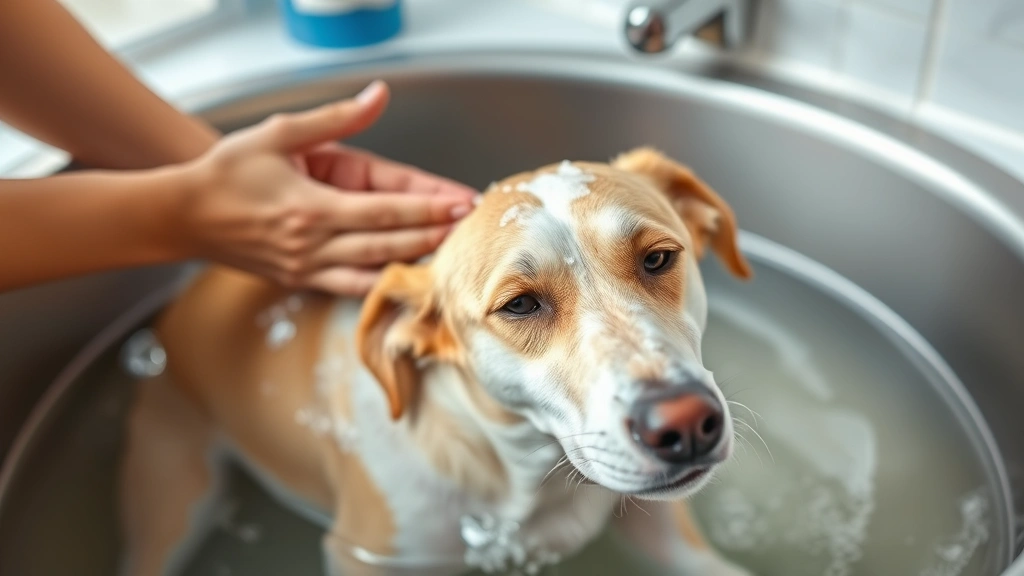
Therapeutic bathing is a cornerstone of effective dog mange treatment, especially when combined with other therapies. Medicated baths soothe irritated skin, reduce inflammation, and help remove dead skin and debris that harbor mites.
These baths typically contain ingredients that are mite-killing while being gentle enough for regular use. The frequency depends on your dog’s condition—some dogs benefit from weekly baths initially, then tapering to every two weeks. Between baths, you’ll want to keep your dog’s skin clean and dry to prevent secondary infections.
Bathing tips for mange-affected dogs:
- Use lukewarm water to avoid irritating already-sensitive skin
- Wet the entire coat thoroughly before applying medicated shampoo
- Leave the shampoo on for the full recommended contact time (usually 5-10 minutes)
- Rinse completely to prevent residue buildup
- Dry thoroughly, especially in skin folds and between toes
Solution 4: Nutritional Support and Immune Boosting
A strong immune system is your dog’s best defense against mange, which is why proper nutrition plays a critical role in dog mange treatment success. Dogs with poor nutrition or underlying deficiencies are more susceptible to severe mange and slower recovery.
High-quality protein, omega-3 and omega-6 fatty acids, and essential vitamins support skin health and immune function. Many vets recommend adding supplements during the treatment period to accelerate healing. Consider discussing a rotating protein feeding schedule with your veterinarian to ensure your dog gets diverse nutritional support.
Foods rich in antioxidants and anti-inflammatory compounds can help reduce itching and promote faster skin recovery. Always introduce dietary changes gradually and under veterinary guidance to avoid digestive upset.
Solution 5: Environmental Management and Hygiene Protocols
Your home environment plays a bigger role in dog mange treatment success than many pet owners realize. Mites can survive on bedding, furniture, and other surfaces, potentially reinfecting your dog or spreading to other pets.
Implement these environmental controls immediately:
- Wash all bedding, blankets, and toys in hot water weekly
- Vacuum floors and furniture regularly to remove mites and debris
- Disinfect food and water bowls daily
- Consider using a pet-safe disinfectant spray on surfaces your dog frequents
- Isolate affected dogs from other pets if sarcoptic mange is suspected
For sarcoptic mange specifically, thorough environmental cleaning is essential since this type is highly contagious. Even after your dog shows improvement, maintaining clean living conditions prevents reinfection.
Solution 6: Addressing Secondary Skin Infections
Dogs with mange often develop secondary bacterial or yeast infections due to constant scratching and broken skin barriers. These secondary infections can complicate treatment and slow recovery, which is why addressing them is a crucial part of comprehensive dog mange treatment.
Your veterinarian may recommend antibacterial or antifungal treatments alongside mite-killing medications. These work together to heal the skin and prevent complications. Without treating secondary infections, your dog may continue itching even as the mite population decreases.
Signs of secondary infection include increased redness, oozing, foul odor, or pustules on the skin. If you notice these symptoms, contact your vet promptly—early intervention prevents serious complications.
Solution 7: Regular Monitoring and Follow-Up Care
Successful dog mange treatment requires consistent monitoring and professional follow-up throughout the healing process. Your veterinarian will want to recheck your dog periodically to confirm that mites are being eliminated and that secondary infections aren’t developing.
Most vets recommend follow-up skin scrapings or examinations every 2-4 weeks during active treatment. These checks ensure the chosen treatment is working effectively and allow for adjustments if needed. Skipping follow-ups is one of the biggest reasons dogs experience treatment failure or relapse.
Keep detailed notes on your dog’s progress: when itching decreases, when hair starts regrowing, and any side effects from medications. This information helps your vet fine-tune the treatment plan.
How Long Does Dog Mange Treatment Take?
The timeline for recovery varies depending on the type of mange, severity, and your dog’s overall health. Demodectic mange in young dogs may resolve in 4-6 weeks with proper treatment, while generalized mange can take 3-6 months or longer.
Sarcoptic mange often responds faster to treatment—many dogs show significant improvement within 3-4 weeks. However, even after visible symptoms resolve, your vet may recommend continuing treatment for several additional weeks to ensure complete mite elimination.
Patience is essential during dog mange treatment. Consistent application of medications, regular bathing, and environmental management compound over time to create the conditions for healing. Most dogs experience noticeable improvement within the first month if treatment is started promptly and followed correctly.

When to Seek Professional Help
While some cases of mange can be managed with home care and topical treatments, certain situations require immediate professional attention. If your dog shows signs of severe skin infection, systemic illness, or isn’t improving after 4-6 weeks of treatment, veterinary intervention is critical.
If you are unsure whether your pet needs urgent care, a quick telehealth check-in can give you peace of mind—no appointment needed. This is especially helpful if you notice sudden worsening of symptoms or if your dog seems lethargic or feverish alongside the skin issues.
Puppies under 8 weeks old and senior dogs with multiple health conditions should always be evaluated by a vet before starting any mange treatment protocol.
Frequently Asked Questions
Can mange in dogs be cured completely?
Yes, mange is highly treatable and most dogs recover completely with proper dog mange treatment. However, demodectic mange can recur in dogs with weak immune systems, so maintaining good health and nutrition is important for long-term prevention.
Is dog mange contagious to humans?
Sarcoptic mange can cause temporary itching in humans, though it doesn’t establish a true infection. Demodectic mange is not contagious to humans. Still, practicing good hygiene during treatment is wise.
What’s the difference between demodectic and sarcoptic mange?
Demodectic mange is caused by mites living in hair follicles and is not contagious; sarcoptic mange is caused by burrowing mites and is highly contagious to other animals. Treatment approaches differ, which is why veterinary diagnosis is essential.
Can I treat dog mange at home without a vet?
While some home remedies may provide temporary relief, professional diagnosis and prescription dog mange treatment are necessary for complete cure. Over-the-counter products alone rarely eliminate mites effectively.
How much does dog mange treatment cost?
Costs vary widely depending on treatment type, severity, and your location, ranging from a few hundred to several thousand dollars for long-term cases. Many vets offer payment plans, and telehealth consultations can reduce initial diagnostic costs.
What To Do Now
- Schedule a veterinary appointment to confirm the mange diagnosis and determine whether your dog has demodectic or sarcoptic mange, which will guide your treatment plan.
- Start environmental cleaning immediately by washing all bedding, toys, and surfaces in hot water to reduce mite transmission and support recovery.
- Begin prescribed dog mange treatment exactly as directed by your vet, whether topical, oral, or medicated baths, and set calendar reminders to maintain consistency.
- Improve your dog’s nutrition with high-quality protein and omega fatty acids to strengthen the immune system and support skin healing throughout treatment.
- Schedule follow-up appointments every 2-4 weeks to monitor progress, check for secondary infections, and adjust treatment if needed.
Summary: Your Dog’s Path to Recovery
Dog mange treatment success depends on early diagnosis, professional guidance, and consistent home care. While the condition can seem overwhelming at first, modern treatment options are highly effective, and most dogs recover fully within a few months.
The seven solutions outlined—prescription topicals, oral medications, medicated baths, nutritional support, environmental management, treating secondary infections, and regular monitoring—work together to eliminate mites and restore your dog’s skin health. Combining these approaches gives your dog the best chance at fast, complete recovery.
Remember that your veterinarian is your partner in this process. Don’t hesitate to ask questions, report setbacks, or seek clarification on treatment protocols. Your dog is counting on you, and with proper dog mange treatment, they’ll soon be back to their happy, comfortable self. The itching will stop, the fur will regrow, and you’ll have peace of mind knowing you’ve given your pup the best possible care.
For more information on skin conditions affecting pets, explore our guides on cat skin infection treatment and NexGard Rx vs alternatives for comprehensive pet skin health knowledge.