
If your dog gets queasy during car rides or struggles with motion sickness, finding the right dog motion sickness medication can transform travel days from stressful to peaceful. Many pet owners feel helpless watching their furry companion drool, whimper, or vomit the moment the car starts moving, but the good news is that effective solutions exist.
Table of Contents
- Understanding Dog Motion Sickness: Why It Happens
- Medication Options for Dog Motion Sickness
- When to Consider Medication vs. Other Approaches
- Non-Medication Strategies to Pair With Treatment
- Common Symptoms That Suggest Your Dog Needs Help
- Safety Considerations and Side Effects
- How to Work With Your Veterinarian on This Issue
- Long-Term Management and Prevention
- Real-World Success Stories
- Frequently Asked Questions
- What To Do Now
- Summary: Finding Relief for Your Dog’s Motion Sickness
This article is for informational purposes only and is not a substitute for professional veterinary advice. Always consult a licensed veterinarian for diagnosis and treatment.
Motion sickness in dogs is more common than you might think, and it’s not something you have to simply accept. Whether your pup is a young puppy still growing into their balance, an anxious traveler, or a senior dog with inner ear sensitivity, there are proven strategies and medications that can help.
Understanding Dog Motion Sickness: Why It Happens
Motion sickness in dogs occurs when the inner ear—responsible for balance—sends conflicting signals to the brain during movement. Young puppies are especially prone to this because their vestibular system (the balance center) is still developing. As dogs age, many outgrow the condition naturally, though some continue to struggle throughout life.
Anxiety can also amplify motion sickness. A dog that associates car rides with stress may experience worse symptoms simply from nervousness. The good news? Catching this early and addressing it properly puts you in a great position to help your dog enjoy car rides for years to come.
Medication Options for Dog Motion Sickness
Several types of medications can reduce or eliminate motion sickness symptoms in dogs. Your veterinarian will recommend the best option based on your dog’s age, health history, and the severity of their symptoms.
1. Antihistamines for Motion Sickness Relief
Antihistamines like diphenhydramine are commonly used to prevent motion sickness in dogs. These medications work by reducing inner ear sensitivity and calming nausea signals. Many veterinarians recommend giving antihistamines 30 minutes before travel for best results.
2. Anti-Nausea Medications
Maropitant and other anti-nausea drugs target the vomiting center in the brain directly. These are particularly helpful for dogs that have already experienced vomiting during travel, as they break the cycle of anticipatory anxiety. Your vet may suggest these for longer trips or frequent travelers.
3. Anti-Anxiety Medications
Since anxiety often worsens motion sickness, your veterinarian might recommend mild sedatives or anti-anxiety medications. These help your dog relax before and during travel, which can significantly reduce nausea and vomiting. Calmer dogs tend to have fewer motion sickness episodes.
4. Ginger and Natural Supplements
Some pet owners and veterinarians find success with ginger supplements, which have natural anti-nausea properties. While not as potent as prescription medications, ginger may help mild cases and can be used alongside other treatments. Always check with your vet before adding supplements to your dog’s routine.
5. Cerenia (Maropitant)
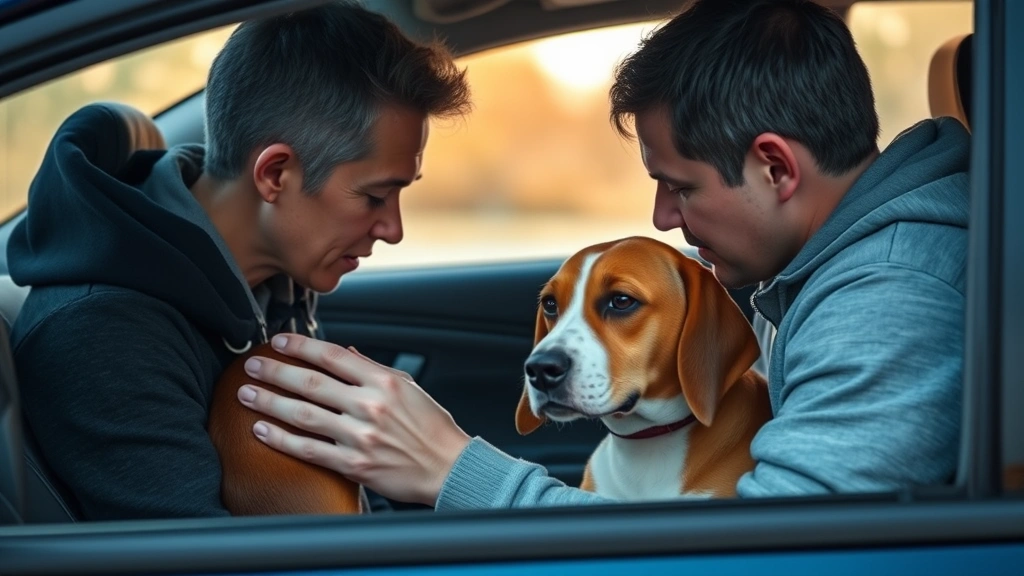
This prescription medication is specifically designed to prevent vomiting and is often recommended for dogs with severe motion sickness. It works differently than antihistamines and may be especially effective for older dogs or those with gastroparesis in dogs or chronic nausea issues.
6. Dramamine for Dogs
Over-the-counter Dramamine (dimenhydrinate) is sometimes used for dogs, though your veterinarian should determine if it’s appropriate for your pet. It’s similar to antihistamines but works through a slightly different mechanism. Never give any medication without veterinary guidance.
7. Prescription Combination Therapy
For severe cases, your vet might recommend combining medications—perhaps an anti-anxiety medication with an anti-nausea drug. This multi-pronged approach addresses both the physical and emotional components of motion sickness.
When to Consider Medication vs. Other Approaches
Not every case of motion sickness requires medication. Mild symptoms might improve with behavioral modifications like shorter trips, better ventilation, or training exercises. However, if your dog regularly vomits, drools excessively, or shows severe distress during car rides, medication is worth discussing with your veterinarian.
Some dogs improve naturally as they mature and their vestibular system fully develops. Puppies especially may outgrow motion sickness without any intervention. That said, helping them through the uncomfortable phase with medication can prevent anxiety-related motion sickness from developing later.
Non-Medication Strategies to Pair With Treatment
While dog motion sickness medication is highly effective, combining it with other strategies maximizes your success:
- Gradual desensitization: Take short car trips to help your dog adjust to movement
- Empty stomach before travel: Feed your dog a few hours before the trip, not right before
- Proper ventilation: Keep the car cool and well-ventilated
- Secure positioning: Use a carrier or harness so your dog feels stable and safe
- Calming music or pheromone products: Create a soothing environment during travel
- Frequent breaks: Stop every 1-2 hours on long drives to let your dog stretch and reset
Common Symptoms That Suggest Your Dog Needs Help
Recognizing motion sickness early helps you address it before it becomes a bigger problem. Watch for these signs during or before car rides:
- Excessive drooling or lip licking
- Yawning or whining
- Panting or restlessness
- Vomiting or dry heaving
- Lethargy or hiding
- Loss of appetite before trips
If your dog shows any of these symptoms regularly during travel, your vet can help determine if medication would be beneficial. Early intervention prevents the development of anxiety-related motion sickness, which is harder to treat long-term.
Safety Considerations and Side Effects
Most dog motion sickness medications are safe when prescribed by a veterinarian, but all medications carry potential side effects. Antihistamines may cause drowsiness (which is often desired), while anti-anxiety drugs might make some dogs overly sedated. Your veterinarian will choose medications with the best safety profile for your individual dog.
Always inform your vet about any other medications, supplements, or health conditions your dog has. This ensures the chosen medication won’t interact negatively with anything else your dog is taking. Regular check-ins help your vet monitor how well the medication is working and adjust as needed.
How to Work With Your Veterinarian on This Issue
Your vet is your best partner in finding the right solution. Come prepared with details about when motion sickness occurs, how severe it is, and what you’ve already tried. Mention whether your dog seems anxious about car rides or if the sickness appears purely physical.
If you’re unsure whether your pet needs urgent care or a full veterinary visit, a quick telehealth check-in can give you peace of mind—no appointment needed. Many vets now offer virtual consultations to discuss medication options and travel strategies before you book an in-person visit.
Long-Term Management and Prevention
Once you find a medication that works, consistency is key. Use it before every trip, not just when symptoms are severe. Over time, combined with desensitization training, many dogs improve significantly or stop needing medication altogether.
Keep a travel log noting which medications worked best, what dosing timing was most effective, and how your dog responded. This information becomes invaluable for future trips and helps your veterinarian fine-tune your dog’s care plan.
Real-World Success Stories
Many dog owners are surprised by how dramatically medication can improve their pet’s quality of life. Dogs that once couldn’t handle short car rides often become comfortable travelers within weeks of starting the right medication. Families report being able to take road trips, visit the vet without stress, and even enjoy vacations with their furry companions.
The transformation often goes beyond just reducing vomiting—anxious dogs become calmer, family outings become enjoyable, and the bond between pet and owner strengthens when travel is no longer a source of dread.
Frequently Asked Questions
Can I give my dog over-the-counter motion sickness medication without seeing a vet?
While some OTC options exist, it’s crucial to consult your veterinarian first. They’ll ensure the medication is safe for your dog’s age, health status, and won’t interact with other treatments. Your vet can also recommend the most effective option for your dog’s specific situation.
How long does it take for motion sickness medication to work?
Most medications work within 30 minutes to an hour before travel. Your veterinarian will advise on the best timing for your chosen medication. Some dogs show improvement after just one dose, while others need consistent use over several trips.
Will my dog outgrow motion sickness?
Many puppies outgrow motion sickness as their vestibular system matures, typically by 1-2 years old. However, some dogs continue to struggle throughout life, and anxiety-related motion sickness may persist if not addressed early. Medication and training can help manage it at any age.
Are there any side effects I should watch for?
Common side effects of antihistamines include drowsiness, which is usually desired. Anti-anxiety medications might cause excessive sedation in some dogs. Contact your vet immediately if your dog shows unusual behavior, loss of appetite, or signs of allergic reaction.
Can I combine medication with other motion sickness strategies?
Absolutely! Medication works best when paired with non-medication strategies like gradual desensitization, proper feeding timing, and comfortable positioning. This combination approach addresses both the physical and emotional aspects of motion sickness for the best results.
What To Do Now
- Document your dog’s symptoms: Note when motion sickness occurs, what symptoms appear, and how severe they are. This information helps your vet choose the most appropriate medication.
- Schedule a veterinary consultation: Contact your vet or book a telehealth appointment to discuss your dog’s motion sickness. Bring your symptom notes and ask about medication options suitable for your dog’s age and health profile.
- Start with a trial period: Once your vet recommends a medication, test it on short trips first before longer journeys. This helps you see how your dog responds and make any necessary adjustments.
- Implement non-medication strategies alongside treatment: Begin desensitization training, adjust feeding schedules, and create a comfortable travel environment to maximize the medication’s effectiveness.
- Track results and follow up: Keep notes on how well the medication works and share updates with your vet at follow-up appointments. Adjustments may be needed to find the perfect solution for your dog.
Summary: Finding Relief for Your Dog’s Motion Sickness
Motion sickness doesn’t have to limit your dog’s life or your family’s adventures. With the right dog motion sickness medication and supportive strategies, most dogs can become comfortable car travelers. Whether your pup needs antihistamines, anti-nausea medication, or anti-anxiety support, your veterinarian can guide you toward the best solution.
The key is addressing the issue early, being consistent with treatment, and combining medication with behavioral strategies. Many pet owners are amazed at how quickly their anxious, vomiting dogs transform into calm, happy travelers. Your dog’s comfort during travel is absolutely achievable—and it starts with a conversation with your vet about the options available.
Remember, every dog is unique, and what works for one may not work for another. Stay patient, work closely with your veterinarian, and don’t hesitate to try different approaches until you find what brings your dog relief. For more information on related issues, check out our guides on vomiting in dogs and gastroparesis in dogs.